By: Sarah Summer
There are moments in a woman’s life when everything she thought she understood about herself, her future, and her place in the world splinters. Sometimes that fracture is quiet. Sometimes it is sudden. And sometimes it comes from the kind of pain we rarely talk about out loud. What happens after that is the part we don’t see often enough. The long rebuilding. The small decisions. The uncomfortable truth is that healing is not a straight line and never has been.
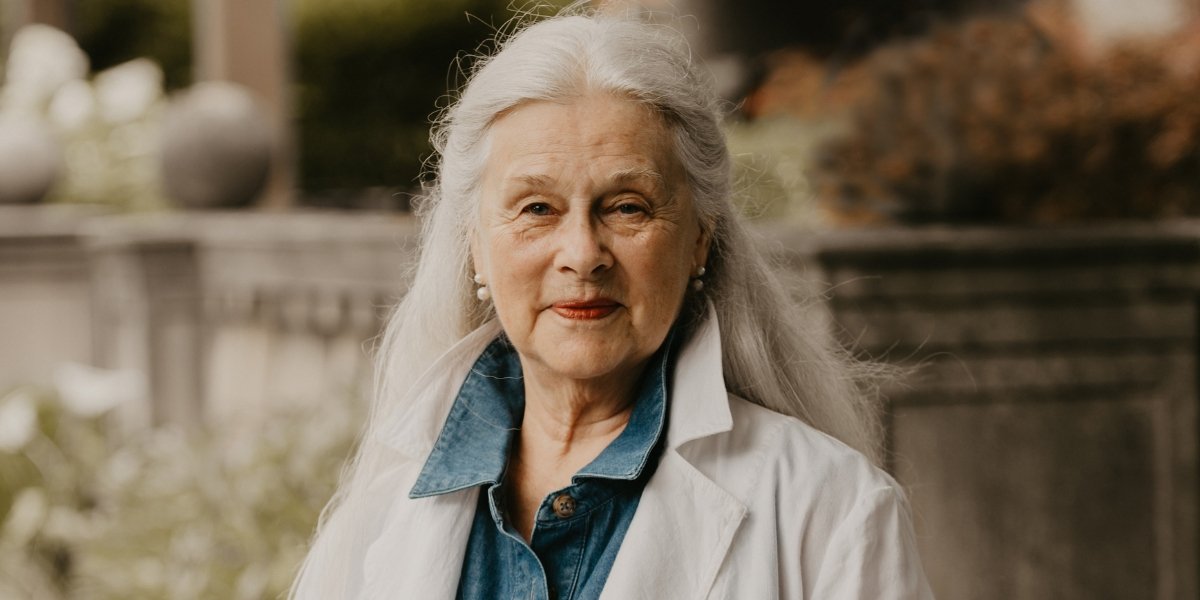
Sharon Diotte knows that landscape well. Her memoir, Te’ora: From Vulnerability and Wounding to Wisdom and Freedom, traces a life shaped by survival, movement, cultural discovery, and the slow return to self-worth. The title comes from the Rapanui language. It means “a beautiful new life,” and it’s the message woven through her story, not as a slogan or a neat conclusion, but as something earned over the years.
Sharon’s story begins in familiar places: Canada and the United States. She built careers that made sense on paper. She became a Registered Nurse. She taught at the Focus on Women Department at Henry Ford Community College. She raised two children and built a life that looked stable from the outside. But underneath all of it was the weight of what she had survived: sexual assault, domestic violence, and the quiet, suffocating years that often follow. Trauma can be loud, but its aftermath is usually silent. Women carry it out of habit. Sharon carried it because she didn’t yet know there was another way.
The turning point in her story doesn’t look dramatic at first. It came through moments—small realizations, unexpected connections, the intuitive knowledge that life doesn’t have to end where the harm began. For her, this process didn’t unfold in a single place. It stretched across continents, led by instinct more than logic.
Her path took her to Pakistan, where cultural differences forced her to see her own life from a new angle. Later, she found herself on Rapa Nui, one of the most remote inhabited islands in the world. Rapa Nui is the kind of place that strips away the unnecessary. The land, the ocean, the community, the Indigenous traditions—none of it leaves space for pretending. On an island like that, you learn quickly which parts of your story still hold power over you and which ones you’re finally ready to loosen.
While living there, Sharon created Te’ora, a small, heartfelt hotel that grew into something much bigger than she expected. Travelers from around the world arrived, carrying their own stories, griefs, dreams, and searches for meaning. The hotel became the number-one lodging on TripAdvisor and earned an “Our Pick” nod from Lonely Planet. But beyond the rankings, Te’ora became a place where people rested, reconnected with themselves, and experienced the island’s depth. It reflected the transformation Sharon was quietly undergoing herself.
Her years on Rapa Nui shaped much of the wisdom that appears in the memoir—not as instructions, but as lived truth. The island taught her a slower pace, the value of community, and the grounding force of cultural lineage. Healing, she learned, is not something you chase. It is something you make space for and allow to unfold.
Readers have responded strongly to this honesty. Many say they see themselves in her story: the parts they’ve never spoken, the experiences they’ve minimized, the versions of themselves they’ve buried. One early reader called the memoir “a powerful book for all women.” Another described it as “a testament to the strength of women and how we must all fight for ourselves and what we really need out of life.” These reactions aren’t surprising. Women often find each other in the places we least expect—especially in stories that speak plainly about pain, hope, and the messy transitions in between.
The memoir doesn’t shy away from the hard moments, but it also doesn’t dwell in them. Sharon writes with a steady hand. She doesn’t dramatize what happened to her, and she doesn’t sanitize it either. She focuses instead on what came after: the decisions, the doubts, the gradual shift from silence to voice. She writes about how we are shaped by culture, family, and belief systems, and how we sometimes have to leave those structures to understand who we actually are.
Today, Sharon lives in Ann Arbor, Michigan, enjoying a quieter chapter with her husband. She has two children and two grandchildren, and a life that doesn’t erase what came before, but builds on it. Her recent book reading at the Crazy Wisdom Bookstore filled the room with women who recognized some part of themselves in her story—women who were curious about healing, about spiritual growth, about the possibility of creating a second life when the first one felt too heavy to carry.
What makes Te’ora stand out in the memoir landscape is its range. It is personal without being insular. It is spiritual without drifting into abstraction. It is rooted in trauma without being defined by it. And it is global in a way that feels organic, not forced. The book doesn’t try to offer a neat formula for healing because Sharon doesn’t believe one exists. What she offers instead is something more honest: a clear-eyed account of what it looks like to rebuild yourself piece by piece, across time, culture, and geography.
For many women, the idea of a “second act” can feel intimidating. It can also feel impossible. Sharon’s story makes it tangible. Not easy, not perfect, but real. And real is often what we need most.
Te’ora asks a simple question: What happens when you decide to stop living in the version of yourself that pain created? Sharon’s life offers one answer. Not the only answer, but a meaningful one: you create a beautiful new life, even if you have to cross oceans to do it.
If her memoir inspires anything, it’s the reminder that reinvention is not reserved for the lucky or the untouched. It is available to any woman willing to tell the truth about where she has been and to take one honest step toward where she wants to go next.
https://www.amazon.com/Teora-VULNERABILITY-WOUNDING-WISDOM-FREEDOM/dp/B0DHLVYHRQ