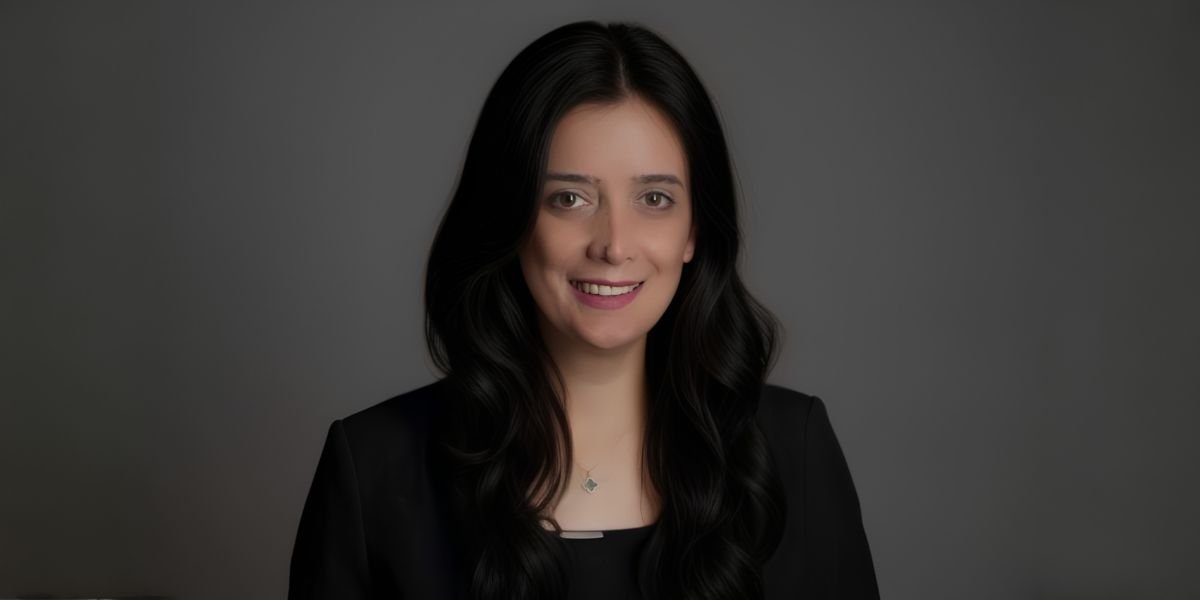
For Dr. Elham Neisani Samani, women’s health education cannot depend only on who reaches an exam room. It has to reach women who are working long hours, living far from care, navigating a new language, or delaying appointments because life leaves few easy options.
That view has shaped her work as a physician, researcher, educator, and women’s health advocate. Her career has moved across Tehran, rural Iran, Yale University, and clinical training in the United States. Across those settings, one idea has stayed consistent: healthcare becomes more effective when patients feel seen before they are asked to change.
Dr. Neisani Samani has described a proud outreach effort as a mobile health clinic program that served underserved communities. The program offered basic medical services, screenings, and education to people who often postponed care because of transportation problems, financial limits, or the absence of nearby providers.
The clinical services mattered, but the larger lesson was about trust. Showing up consistently, listening carefully, and meeting people where they were helped make care more approachable. It also reminded her that prevention begins long before a diagnosis.
Education That Travels With the Community
Community health outreach works because it changes the point of entry into the healthcare system. Instead of waiting for people to schedule visits, complete paperwork, find childcare, arrange transportation, and pay for care, outreach brings health information into familiar spaces.
Those spaces may include schools, community centers, faith-based organizations, health fairs, free clinics, and nonprofit programs. Dr. Neisani Samani views these settings as important extensions of medical education. They allow physicians to answer questions early, explain prevention in plain language, and connect people with resources before medical issues become more serious.
This approach is especially important in women’s health education. Many women face barriers that are practical, cultural, and emotional. Some may lack insurance or nearby specialists. Others may feel uncomfortable asking questions about reproductive health, sexual health, or routine gynecologic care. Language differences can make appointments confusing. Cultural expectations may discourage open conversations about screening, contraception, HPV vaccination, or symptoms that deserve attention.
Community-based education does not replace medical care. It helps create a bridge to it. When physicians teach in accessible spaces, they reduce the distance between medical knowledge and everyday life.
Meeting People Where They Are
The phrase “meeting people where they are” can sound simple, but in healthcare it requires discipline. It asks physicians to consider more than a patient’s symptoms. It asks them to understand the circumstances that shape decisions.
Dr. Neisani Samani learned this lesson through work in resource-limited settings, including her decision after residency in Iran to serve in Naghan, a small mountain village in western Iran. There, she worked as a health systems and quality improvement adviser for three community hospitals. The experience showed her what it takes to build and sustain care in places where resources are limited.
That perspective now informs her broader belief in health equity. Transportation, finances, language, geography, and trust are not side issues. They can determine whether someone receives preventive healthcare at all.
For physicians, community participation makes these barriers visible. A health fair may reveal that many women do not know when to seek a routine screening. A school presentation may show how little accurate sexual health education young people receive. A partnership with a refugee organization may highlight how confusing a new healthcare system can be for families starting over.
When physicians listen in those environments, they often learn what a standard appointment may not reveal.
The Role of Community Organizations
Community organizations are often trusted before physicians are. They may know the neighborhood, speak the language, understand family dynamics, and recognize which barriers keep people from care.
Dr. Neisani Samani sees these organizations as essential bridges between healthcare providers and the women they hope to serve. Through partnerships, physicians can bring screenings, wellness education, and referrals into places where people already feel connected.
Her own advocacy includes work with Integrated Refugee & Immigrant Services, where she has helped refugees and displaced individuals navigate barriers to healthcare access. She is also a co-founder of the Organization of Middle Eastern Girls and Women, a nonprofit focused on empowering girls and women through education, career advancement, and leadership development.
These roles reflect a broad view of women’s health. Medical care is one part of the picture. Education, dignity, safety, leadership, and access also shape health outcomes.
Partnerships also help physicians avoid a common mistake: assuming that one message works for everyone. Community leaders can help shape education so it is clear, culturally respectful, and practical. That may mean translated materials, professional interpreters, smaller group sessions, or educational formats that allow questions without embarrassment.
Preventive Care Begins With Understanding
Preventive healthcare depends on awareness. People are more likely to seek care when they understand why screenings, vaccinations, and routine visits matter.
In women’s health, preventive education can cover cervical and breast cancer screening, contraception, sexually transmitted infections, HPV vaccination, reproductive health, healthy relationships, and the value of regular gynecologic care. Dr. Neisani Samani has emphasized the need for safe, judgment-free spaces where women can ask questions and receive accurate information. That approach is central to reproductive health education. When women feel respected, they are more likely to talk openly, seek follow-up care, and make informed decisions.
Her background as an OB/GYN and physician-scientist also gives her a view of prevention that is both clinical and personal. Her research has included endometriosis, reproductive sciences, socioeconomic disparities in women’s health, artificial intelligence in maternal-fetal medicine, and medical education. Her personal experience with IVF treatment and a high-risk pregnancy has deepened her empathy for patients facing reproductive uncertainty, loss, and anxiety.
That combination shapes her belief that education should not feel abstract. It should help patients understand their options, ask better questions, and feel less alone.
Health Literacy and Respectful Communication
Health literacy is not only about reading ability. It is about whether health information is usable. A patient may understand a word in conversation but still feel lost when given medical forms, instructions, or online information.
Dr. Neisani Samani has said effective patient education begins with listening. Working with immigrant and refugee communities taught her that patients bring different experiences with healthcare systems, prevention, illness, and treatment. Some may come from places where preventive care was uncommon or institutions felt unsafe.
To make education accessible, she favors clear language, fewer assumptions, and opportunities for questions. When language barriers exist, professional interpreters and translated materials can help patients receive accurate information in a language they understand.
Cultural sensitivity is also important. Values, family roles, religious beliefs, privacy concerns, and past experiences can influence whether a patient feels comfortable discussing reproductive health. Respectful education does not mean avoiding important topics. It means explaining them in a way that preserves dignity and trust.
Combating Misinformation With Consistency
Many people receive health information through social media. This creates a challenge for physicians because inaccurate information can move faster than careful explanations.
Dr. Neisani Samani believes healthcare professionals should respond by making evidence-based information easier to find and understand. It means using simple language, addressing common myths, and being a steady source of reliable education.
Online communication is not separate from community medicine. For many patients, it may be where they first encounter a physician’s voice. Trust grows when healthcare professionals are consistent, transparent, respectful, and willing to acknowledge concerns instead of dismissing them.
Still, social media has limits. It can provide general education, but it cannot replace individualized medical care. That distinction matters. Physicians can use public platforms to encourage awareness and preventive action while reminding people to discuss personal concerns with their own healthcare providers.
A Shared Responsibility for Better Health
Dr. Neisani Samani’s work points to a practical definition of community medicine. It is not limited to charity clinics or occasional public events. It is an ongoing relationship between physicians, local organizations, families, and people who need reliable information.
Families can play a role by treating prevention as a shared priority. Regular checkups, recommended screenings, vaccinations, family health history, healthier meals, physical activity, and open conversations about mental health can all become part of everyday life. For underserved communities, consistency matters. One health fair may answer a question. A recurring mobile clinic may change a pattern. A long-term partnership may help women who once delayed care begin seeking preventive services earlier.
A Practical Path Toward Lasting Community Trust
Dr. Elham Neisani Samani’s message is grounded in prevention, access, and connection. Health education should not wait behind clinic doors. It should be present in schools, community centers, refugee programs, health fairs, mobile clinics, and the trusted organizations that already serve families. For women’s health education to make a lasting difference, it must be understandable, culturally aware, and close enough for people to use. When physicians listen first and teach with respect, they help communities see healthcare not as a distant system, but as a partnership built around dignity, prevention, and long-term trust.