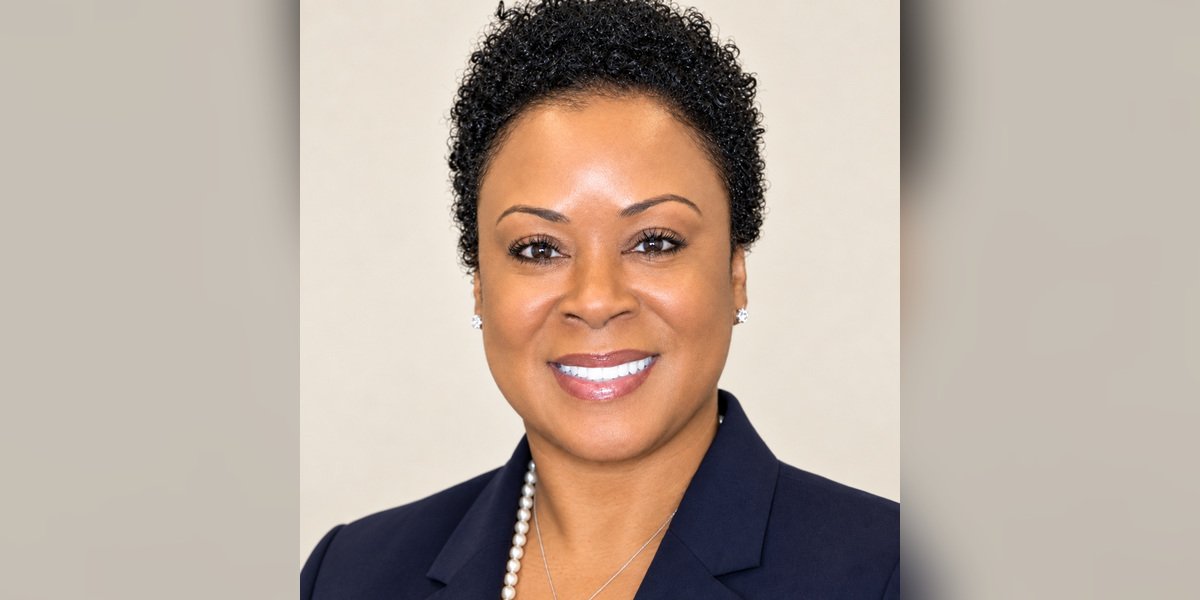
By: Lennard James
Leadership is often measured by titles, but Felecia Higgs Walker’s professional journey reflects something broader. She has moved between business, public service, workforce development, and civic engagement while keeping people and execution at the center of the work.
That approach takes on greater significance with Walker’s appointment as Chief of Staff to Shelby County Mayor Mickell M. Lowery. Announced September 15, 2026, the appointment places Walker in a central operational role in the new administration, helping lead day-to-day operations, strategic priorities, and community engagement.
Walker’s leadership style can be understood through several recurring themes in her career. Relationship-building, organization, strategic execution, professional development, and an emphasis on connecting people with opportunity all surface repeatedly.
Walker is not entering county leadership from a single professional lane. A Memphis native and Whitehaven High School graduate, she brings more than two decades of experience across public service, workforce development and business leadership. Before her appointment as Chief of Staff, she served as a deputy administrator with Shelby County Government, supporting judicial operations within the Mental Health Court.
That experience matters because leadership in government is rarely about one person acting independently. It requires coordinating departments, understanding competing priorities, communicating with stakeholders, and translating broad objectives into daily operations.
Walker demonstrated that organizational approach during a period of significant political transition. Before Lowery took office, she served as executive director of his transition team. The effort brought together leaders from business, education, government, healthcare, nonprofits, and criminal justice to develop recommendations for the incoming administration.
That assignment offers a practical example of her leadership in action. Transition work requires managing personalities and ideas while keeping multiple groups moving toward deadlines and shared objectives. It also requires listening, particularly when people with different professional backgrounds and perspectives are expected to contribute to the same process.
For Walker, collaboration does not have to mean sacrificing execution. Her professional background shows experience managing complex responsibilities and producing measurable business outcomes.
Before returning to public service, Walker developed extensive private-sector experience, including managing multi-state territories and cultivating strategic client relationships. Shelby County’s announcement of her appointment specifically cited her experience helping organizations achieve sustained growth through customer-focused business development.
That corporate background adds another dimension to her leadership approach: accountability to outcomes. In business, ideas eventually have to translate into performance. In government, strategies ultimately have to translate into services, operations, and results for residents. The environments differ, but both require leaders who can set priorities, manage relationships, and follow through.
Walker’s entrepreneurial work reinforces the people-development side of that philosophy. She founded a professional-development company focused on helping students and professionals navigate career opportunities and improve economic mobility.
That work points to a leadership philosophy centered not simply on advancing personally, but on helping others become better positioned to advance themselves. Professional development requires recognizing potential, communicating expectations, and helping people understand how to present their abilities effectively. Those same competencies can be valuable inside large organizations, where successful leaders identify talent and create environments in which people understand both their responsibilities and their opportunities.
Walker’s educational background complements that approach. She earned both bachelor’s and master’s degrees from the University of Tennessee, according to Shelby County’s announcement. Her experience across social services, business development, and public administration has given her exposure to different ways organizations interact with people, involving clients, professionals, community stakeholders, and residents rather than an administrative lens alone.
Now, as Chief of Staff, those experiences converge. The position requires proximity to both strategy and execution. Walker’s official responsibilities include helping direct the administration’s daily operations while supporting strategic priorities and community engagement, and Shelby County’s current directory lists her as Chief of Staff in the Mayor’s Office.
The administration has publicly emphasized bringing people together, establishing standards for public service, and strengthening county operations. Mayor Lowery has described his broader governing framework as “One Shelby,” emphasizing collaboration across communities and a focus on effective service.
Within that structure, Walker’s role will require more than managing a calendar or coordinating meetings. A Chief of Staff often sits at the intersection of priorities, personnel, communication, and execution. The position demands knowing when to listen, when to organize, when to resolve competing demands, and when to move an initiative forward. Walker’s career provides evidence of experience in each of those environments.
Her leadership story is therefore less about one appointment than about the progression that made the appointment possible. She has worked in corporate environments where performance matters, in government settings where public service matters, in professional development where individual opportunity matters, and in transition leadership where collaboration matters. Those experiences have shaped a leadership approach centered on people, preparation, relationships, and execution.
As Felecia Higgs Walker begins her work as Chief of Staff to Shelby County Mayor Mickell Lowery, her leadership will now operate on a broader stage. The responsibilities will be substantial, and the outcomes will ultimately be measured through the work of the administration itself. The foundation of her approach is already visible. Bring people together, understand the objective, develop the strategy, and turn that strategy into action.