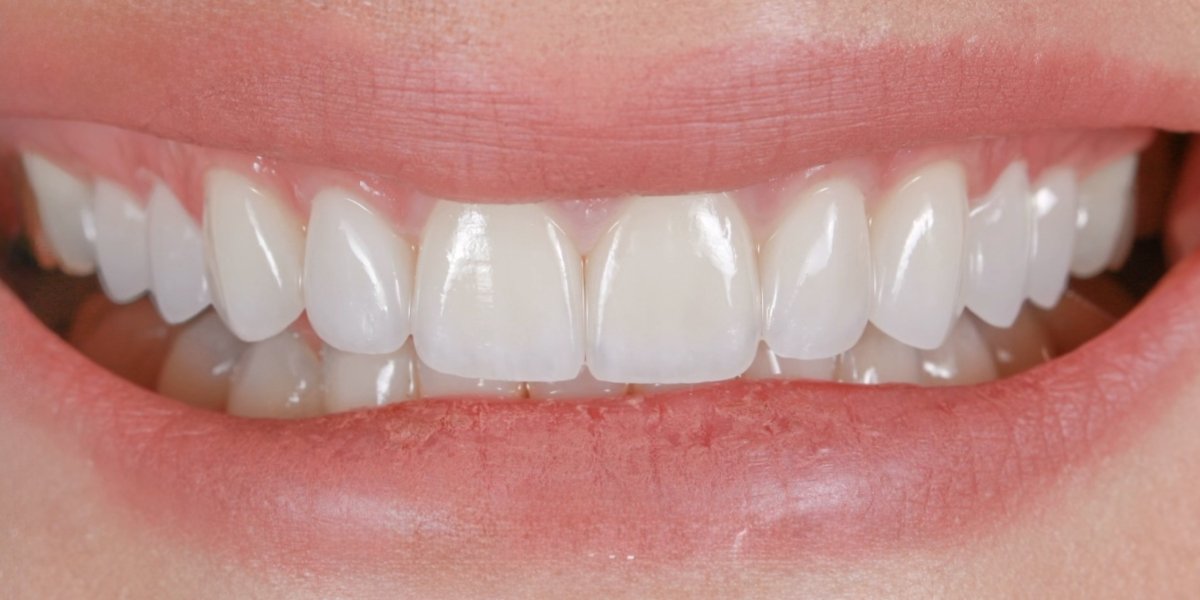
For many women, maintaining good health means focusing on exercise, nutrition, mental wellness, and preventative medical care. Yet one important area is often overlooked: oral health. While a healthy smile is commonly associated with appearance and confidence, growing research suggests that oral health may play a much larger role in overall well-being than many realize.
According to cosmetic and restorative dentist Dr. Jen Moran-Kobes, oral health can influence everything from self-confidence and social interactions to long-term physical health outcomes. As awareness grows around the importance of preventative health, experts are encouraging women to pay closer attention to their oral health.
According to Chicago-based cosmetic dentist Dr. Jen Moran-Kobes, many people mistakenly view dentistry as separate from overall health. “A healthy smile not only affects how we look and feel, but it can also impact our quality of life and long-term wellness,” she says.
Research continues to uncover links between oral health and systemic conditions. Studies have identified oral pathogens in heart tissue and in the brains of Alzheimer’s patients, suggesting potential connections between poor oral hygiene and cardiovascular disease, stroke, and cognitive decline. Other research indicates that elevated oral bacterial levels may contribute to higher blood sugar levels, making diabetes more difficult to manage.
The Centers for Disease Control and Prevention also recognizes oral health as an important contributor to physical, mental, emotional, social, and economic well-being. In other words, caring for one’s teeth and gums may have benefits that extend far beyond the mouth.

The emotional impact of a smile should not be underestimated either. Research published in BMC Oral Health found that dental appearance can significantly influence facial aesthetics, social confidence, and psychological health. For many women, concerns about worn, stained, chipped, or aging teeth can affect self-esteem and even willingness to smile in social or professional situations.
Dr. Jen Moran-Kobes has seen this firsthand throughout her career. After founding Water Tower Dental Care in Chicago in 1997, she built a reputation for helping patients achieve natural-looking smile transformations. Following a 17-year break from practice to raise four children and successfully overcome breast cancer, she returned to dentistry with an even deeper understanding of resilience, confidence, and the importance of helping patients feel like themselves again. Dr. Jen Moran-Kobes sees patients at Water Tower Dental Care in downtown Chicago and Hinsdale Dentistry in the western suburbs, offering tailored smile makeovers that blend science and artistry.
Today, many of her patients are seeking what she describes as “smile rejuvenation,” which are treatments designed not to create a dramatically different appearance, but to restore a smile that reflects how youthful and vibrant they still feel. Fortunately, advances in cosmetic dentistry have made achieving natural-looking results easier than ever before. Modern treatment options are often minimally invasive, highly customized, and designed to preserve healthy tooth structure whenever possible.
Among the most popular options are porcelain veneers, which can address discoloration, uneven spacing, chips, and worn enamel while maintaining a natural appearance. Unlike older generations of veneers that sometimes created an artificial look, today’s materials are designed to mimic the translucency and texture of natural teeth.
Composite bonding offers another conservative option for correcting minor imperfections. Using tooth-colored materials, dentists can repair chips, close small gaps, and improve tooth shape in a single appointment.
Professional whitening treatments continue to be among the most requested cosmetic procedures. Years of coffee, tea, wine, and natural aging can cause discoloration that over-the-counter products may struggle to address. Professionally supervised whitening can often provide more predictable and longer-lasting results.
Beyond aesthetics, restorative treatments such as crowns, implants, and minimally invasive rehabilitative procedures can help restore function while improving appearance. The goal is often not simply to create a more attractive smile, but to support long-term oral health and quality of life.
For women navigating major life transitions, career advancement, retirement, recovery from illness, or simply the natural aging process, investing in oral health can be an important form of self-care. A healthy, confident smile can influence first impressions, professional interactions, social engagement, and personal confidence.
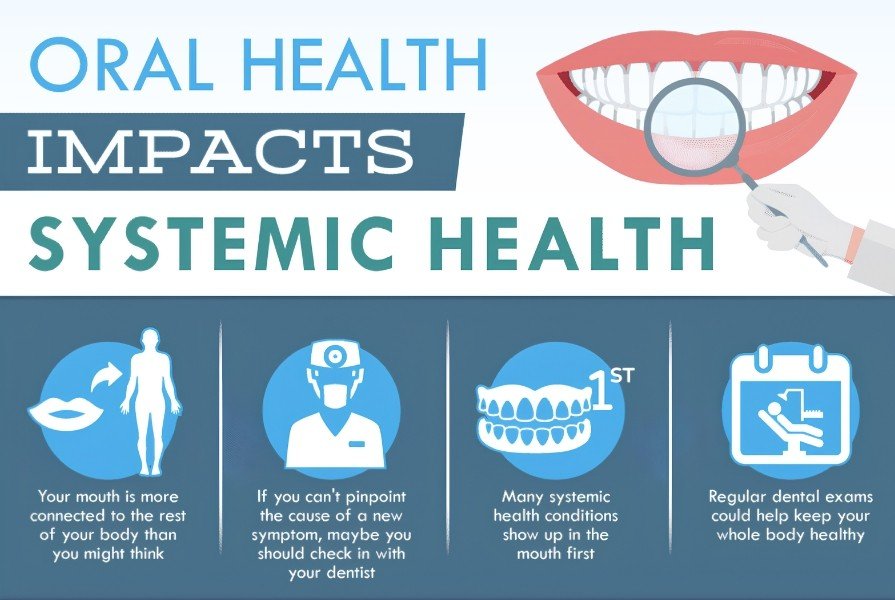
As awareness continues to grow around the relationship between oral health and overall wellness, experts encourage patients to view dental care as an essential component of preventive healthcare rather than a separate concern.
For Dr. Jen Moran-Kobes, the message is simple: a healthy smile is more than a cosmetic asset. It is a reflection of overall well-being and an important investment in both physical and emotional health. When women prioritize their oral health, they are not only protecting their teeth but also supporting their confidence, wellness, and quality of life for years to come.
Disclaimer: This content is for informational purposes only and is not intended as medical advice, nor does it replace professional medical expertise or treatment. If you have any concerns or questions about your health, always consult with a physician or other healthcare professional.