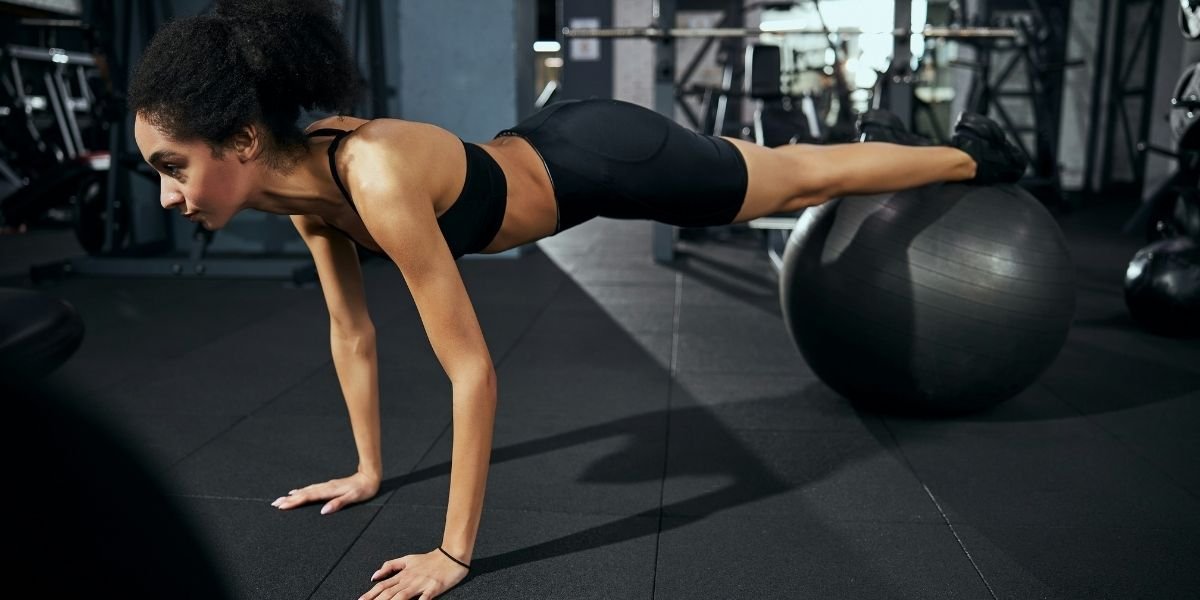
As corporate leadership continues to evolve, more female executives are turning to strength training as a way to enhance their resilience and well-being. Far from being just a fitness trend, strength training is becoming a cornerstone of a strategy that supports both physical and mental endurance. This shift is not only about building muscle but also about maintaining long-term health and cognitive function that empowers leaders to navigate the demands of their roles.
Muscle as a Buffer Against Hormonal Changes
For many women in leadership, maintaining peak performance throughout their careers can be challenging, especially during significant life transitions like menopause. The natural decline in estrogen levels during this phase can result in a loss of muscle mass and bone density, which may lead to fatigue and diminished physical stamina. Strength training plays an essential role in counteracting these changes.
Research indicates that regular resistance training helps preserve muscle mass, support bone health, and improve metabolic function. In addition to its physical benefits, strength training can help reduce the fatigue and brain fog that often accompany hormonal shifts. By incorporating weightlifting into their routines, female leaders can help sustain their cognitive abilities and energy levels, ensuring that they remain sharp and focused.
Improving Cognitive Function Through Strength Training
Recent studies have also shown that strength training has significant cognitive benefits. Beyond improving physical health, resistance exercises such as squats, deadlifts, and overhead presses engage the brain in ways that are not typically activated by aerobic exercise. These activities stimulate the prefrontal cortex, which is responsible for decision-making, problem-solving, and high-level executive function.
The benefits of strength training extend to critical cognitive skills like inhibitory control, cognitive flexibility, and processing speed. These abilities are vital for leaders who must juggle complex tasks, manage teams, and make important decisions. As more research emerges, the connection between physical exercise and cognitive health is becoming increasingly recognized as an essential part of leadership development. Strength training is helping to improve mental clarity, reduce stress, and enhance overall problem-solving skills.
Fitting Strength Training into Busy Schedules
While the advantages of strength training are clear, many female leaders face obstacles in making it a consistent part of their routines. Time constraints and lack of confidence in the gym often prevent women from engaging in weightlifting. However, there is growing interest in “micro-workouts,” short, efficient sessions that can be completed in as little as 10 to 15 minutes.
These micro-workouts often include compound movements like lunges, rows, and deadlifts that target multiple muscle groups at once, making them highly effective in a limited time. This flexibility allows women to fit strength training into their busy schedules without the need for long gym sessions. Rather than the traditional notion of a lengthy, intense workout, these shorter, more manageable sessions are helping women overcome the barriers to strength training.
Strength Training for Hormonal Balance and Long-Term Health
For women in their 40s and 50s, strength training offers more than just fitness benefits. It is also an important tool for managing hormonal shifts associated with aging. As estrogen levels decline, women are more likely to experience bone density loss and muscle weakening. Resistance training helps prevent these issues by stimulating growth hormones and improving insulin sensitivity, which can reduce the risk of conditions like osteoporosis and sarcopenia.
Incorporating strength training into daily routines can also enhance sleep quality and improve energy levels, both of which are critical for maintaining professional performance. These benefits are not limited to women who are new to strength training—research suggests that even women who start lifting weights later in life can experience positive outcomes in terms of physical health, energy, and mental clarity.
Strength Training’s Role in Corporate Wellness
As the benefits of strength training continue to gain recognition, more companies are incorporating it into their wellness programs. Some organizations have begun replacing traditional “happy hours” with group workout sessions or are offering spaces for strength training and recovery within the office. These initiatives not only promote physical health but also foster a culture of well-being and resilience.
This shift toward prioritizing physical fitness in the workplace is helping to create an environment where women can thrive. Stronger and more resilient leaders are better able to handle stress, make effective decisions, and maintain a high level of performance over the long term. The idea that leadership is about both mental and physical strength is gaining ground, with organizations increasingly supporting their employees’ wellness and longevity through fitness initiatives.
A Strategic Investment in Career Longevity
Strength training is increasingly recognized as a strategic tool for long-term career success. For female executives, the benefits go beyond just improving physical strength. Resistance training provides a foundation for mental clarity, cognitive function, and emotional resilience, all of which are essential for success in leadership roles. As more women embrace strength training as part of their wellness regimen, they are setting a powerful example of how physical health can support professional growth and longevity.
Incorporating strength training into daily routines helps female leaders stay sharp, energized, and capable of handling the demands of their roles. The growing trend of micro-workouts and corporate wellness programs is making it easier than ever for women to build strength and maintain resilience throughout their careers. With its many benefits, strength training has become an essential part of the modern executive’s toolkit.
Disclaimer: The information provided in this article is intended for general informational purposes only and should not be considered as professional medical or fitness advice. It is recommended to consult with a healthcare provider or fitness professional, particularly if one has any existing health conditions or concerns.