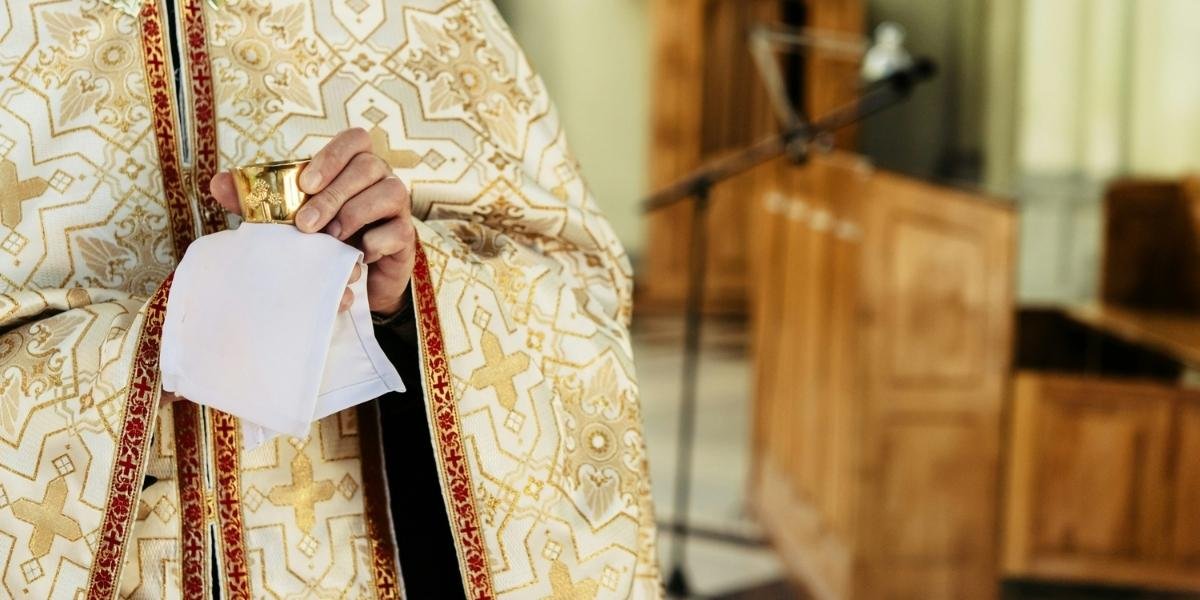
The Church of England has made history with the appointment of Dame Sarah Mullally as its first female Archbishop of Canterbury. The decision, announced in March 2026, represents a milestone not only in the Church’s leadership but also in the broader landscape of gender equality in religious institutions. As the spiritual leader of the Church of England and symbolic head of the global Anglican Communion, Mullally’s rise to the highest ecclesiastical position reflects a pivotal shift in the leadership of an institution that has been entrenched in tradition for over 1,400 years.
The appointment breaks centuries of tradition, challenging the historical exclusion of women from the highest levels of church authority. This landmark event is viewed as part of a larger push to increase inclusivity within the Anglican Communion and other global Christian organizations.
The Role of the Archbishop of Canterbury and Its Global Influence
The Archbishop of Canterbury is the senior bishop of the Church of England and a crucial figure within the Anglican Communion, which includes over 100 million members worldwide. The Archbishop’s responsibilities extend beyond local leadership to serving as a spiritual guide for the broader Anglican community across the globe. This includes providing moral direction, overseeing the clergy, and representing the church on the international stage.
Mullally’s appointment is seen as a signal that the Church is evolving in step with societal changes. Her leadership offers a modern perspective in an era marked by increasing calls for gender equality and the need for church institutions to become more inclusive. While the change is historic, it also highlights the role of women in leadership within one of the most influential Christian organizations in the world, reinforcing the idea that gender should not be a barrier to spiritual authority.
Sarah Mullally’s Leadership Journey: From Nursing to Ecclesiastical Leadership
Before her appointment as Archbishop, Dame Sarah Mullally had a distinguished career in public service, particularly in the healthcare sector. Mullally served as the Chief Nursing Officer for England, where she was recognized for her transformative leadership in public health and nursing. Her work in these roles demonstrated a commitment to community outreach, social justice, and promoting equality across all levels of society.
Her transition from healthcare to religious leadership is a testament to her ability to adapt and lead in different arenas. Mullally’s experience in community engagement, interfaith dialogue, and working to bridge divides within society made her a strong candidate for the position of Archbishop. Colleagues have described her leadership style as pragmatic, collaborative, and deeply committed to inclusivity—qualities that are expected to be central to her tenure as Archbishop.
Mullally’s appointment is also seen as a reflection of the growing importance of socially aware leadership in religious institutions. As she steps into this new role, she carries with her a wealth of experience in managing complex issues, promoting diversity, and advocating for marginalized groups. This will be essential as the Church of England navigates the challenges of the 21st century.
Global Reaction: A Milestone with Mixed Responses
The appointment of the first female Archbishop of Canterbury has sparked widespread celebration, with faith leaders and policymakers across the United Kingdom offering their praise. Many see the decision as an important step toward gender equality within the Anglican Communion and as a reflection of modern British values that prioritize diversity and representation.
Internationally, the reaction has been overwhelmingly positive, particularly in countries where gender equality has been a central focus in recent years. In the United States, Canada, and Australia, Mullally’s appointment is viewed as a progressive step that reflects the growing acceptance of women in positions of religious leadership.
However, Mullally’s appointment has not been without controversy. Conservative factions within the Anglican Communion, particularly those aligned with GAFCON, have opposed the ordination of women into high ecclesiastical roles. These groups, who represent a significant portion of the Anglican community in Africa and Asia, have long argued that the role of Archbishop should remain male-dominated. Despite this opposition, Mullally’s supporters argue that her appointment is a long-overdue recognition of women’s abilities to lead at the highest levels of the church.
Challenges Facing the First Female Archbishop
While Mullally’s appointment is a historic victory for gender equality, it also presents a series of challenges. The Church of England is currently facing a decline in church attendance, which has been a concern for several decades. As the new Archbishop, Mullally will need to address this issue, while also navigating debates over doctrine, church tradition, and the role of women within the church.
Another significant challenge facing Mullally is the Church’s efforts to maintain its relevance in modern society. The rise of secularism, the decline of religious adherence among younger generations, and the broader cultural shift away from institutionalized religion all present hurdles for the new Archbishop. In her first remarks after her appointment, Mullally emphasized the need for the Church to engage with contemporary issues while remaining grounded in its traditional values.
Mullally’s leadership will also be tested in her efforts to heal divisions within the Church of England itself. In recent years, there have been increasing tensions regarding doctrinal disagreements, particularly surrounding the ordination of women and LGBTQ+ rights. Mullally’s ability to build bridges between different factions within the Church will be crucial as she strives to unite the Church in a time of change.
A Symbol of Progress and Leadership for Women in Religion
Dame Sarah Mullally’s appointment as the first female Archbishop of Canterbury is a significant step forward for women in leadership roles within religious organizations. For many, Mullally represents a symbol of progress, showing that women can hold the highest positions of spiritual authority in one of the world’s largest and oldest Christian denominations. Her appointment not only challenges the gender norms that have traditionally dominated religious leadership but also inspires future generations of women to pursue leadership roles within their communities.
As Archbishop, Mullally’s leadership will be closely watched. Her ability to address the challenges of a rapidly changing world while staying true to the Church’s mission will determine the trajectory of her tenure. She will likely become an important figure not only in the Anglican Communion but also in the broader context of global religious leadership, as institutions continue to evolve to meet the demands of modern society.