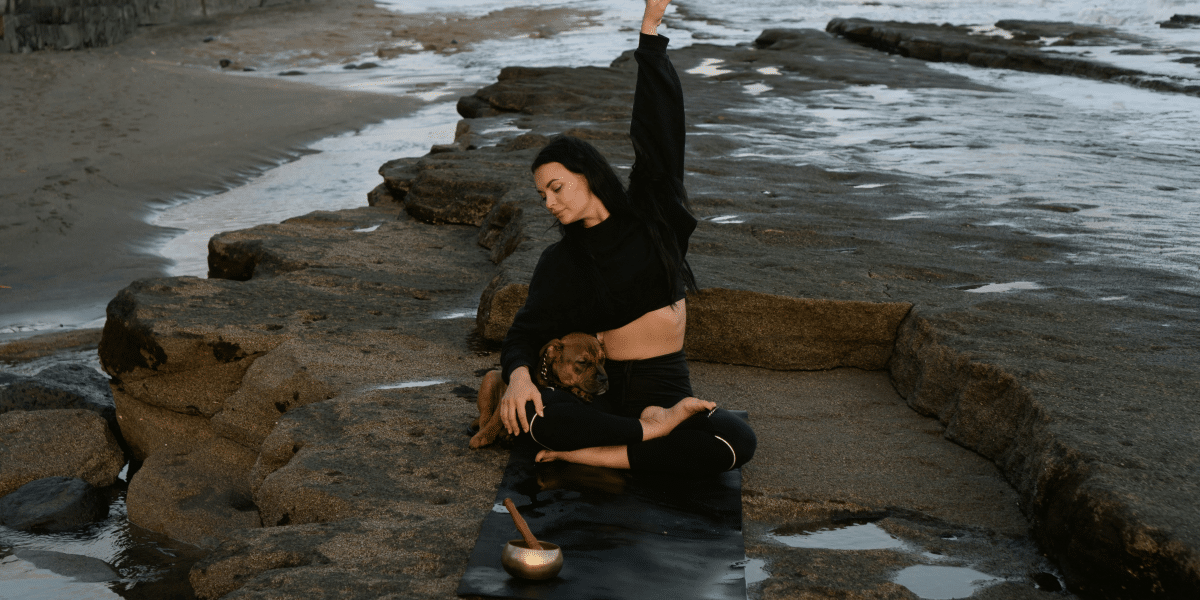
Yoga and pilates are both well-known for their focus on body awareness and mindful movement, yet they come from different traditions. Yoga, with its roots in ancient India, integrates physical postures, breathing exercises, and meditation. It is designed to connect the body and mind, fostering a holistic approach to wellbeing. Pilates, developed in the early 20th century by Joseph pilates, emphasizes controlled movements that target the core muscles and improve posture and alignment.
Although the two practices are often discussed together due to their emphasis on body awareness and mindful movement, their origins and specific techniques set them apart. Yoga integrates breath and meditation with movement, aiming for mental clarity and relaxation, while pilates focuses on strengthening muscles, particularly the core, with precise movements designed to improve stability and posture.
Physical Benefits of Yoga and Pilates
Both yoga and pilates offer valuable physical benefits, particularly for improving strength, flexibility, and balance. These practices are beneficial for overall health and can be especially effective for women, as they help reduce the risk of falls, improve bone health, and ease muscle tension. Yoga is known for its ability to increase flexibility and balance, while pilates places a stronger emphasis on strengthening the core muscles, which are essential for good posture and stability.
For women who spend long hours sitting, such as at a desk job, pilates exercises targeting the spine and abdominal muscles can help improve posture and alleviate discomfort. Similarly, yoga’s gentle stretches and postures can relieve tension in the shoulders and back. Together, these practices provide a well-rounded approach to physical health, supporting both strength and flexibility in the body.
While neither yoga nor pilates is typically categorized as high-intensity exercise, both can support cardiovascular health and contribute to overall fitness by encouraging consistent movement. The practices help cultivate awareness of the body, enabling practitioners to understand and respond to their physical needs.
Mental and Emotional Benefits of Yoga and Pilates
Beyond physical health, yoga and pilates also support mental wellbeing. Yoga often incorporates mindfulness and meditation, which can reduce stress and promote a sense of calm. Studies have suggested that regular yoga practice can help balance emotions, improve mental clarity, and reduce anxiety, especially during challenging life transitions. The focus on breath and mindfulness in yoga encourages relaxation and a mental reset, helping practitioners manage stress and foster a sense of peace.
While pilates does not typically involve meditation, it still promotes concentration and awareness. The controlled movements in pilates, paired with steady breathing, can provide a calming effect on the mind. Both practices encourage participants to focus on their bodies and movements, helping to foster a sense of presence and calmness during sessions. This mental focus can be especially valuable for women juggling the demands of work, family, and personal responsibilities.
Adapting Yoga and Pilates for Different Life Stages
One of the reasons yoga and pilates are so accessible is their adaptability to various life stages. These practices can be modified to accommodate the needs of pregnant women, older adults, or those dealing with injuries. During pregnancy, for example, modified yoga postures can help maintain flexibility and reduce discomfort, while pilates exercises can strengthen the core muscles to support the spine. After childbirth, gentle pilates routines can help restore abdominal strength.
For women approaching menopause, yoga’s emphasis on relaxation and breathing techniques can help reduce stress and improve sleep. Pilates can support bone density and muscle strength, which are important during this stage of life. Both practices can also improve balance, helping to reduce the risk of falls as women age.
Yoga and pilates are also suitable for older adults, as the exercises can be adjusted to match individual fitness levels. The focus on controlled movements and body awareness allows these practices to remain accessible, even into later years. For many, yoga and pilates provide not just physical benefits but also a sense of routine, mental clarity, and stability.
Building a Sustainable Practice
Starting a new fitness routine can feel overwhelming, but both yoga and pilates are designed to be accessible. Beginners are encouraged to start with guided classes, either in person or online, where instructors can teach the proper techniques. Certified instructors are trained to adjust movements to suit individual needs, ensuring that participants feel supported and comfortable during their sessions.
Consistency is often emphasized over intensity. Short, regular sessions can provide lasting benefits over time. For example, a 20-minute yoga session in the morning can improve flexibility and focus, while a pilates session in the evening can release tension built up during the day. The adaptability of both practices makes them sustainable, allowing women to adjust the frequency and intensity of their sessions based on their energy levels, health needs, and schedules.
Yoga and Pilates: A Balanced Approach to Wellness
Both yoga and pilates offer a gentle yet effective approach to health that focuses on balance, strength, and mental clarity. These practices encourage awareness of the body and support both physical and emotional wellbeing. For women looking for a way to nurture both body and mind, yoga and pilates provide tools that are not only effective but also sustainable.
While each practice has its distinct benefits, recent research suggests that combining yoga and pilates can offer a comprehensive approach to health. Yoga’s focus on mindfulness and flexibility complements pilates’ emphasis on strength and alignment, creating a balanced routine that promotes overall wellness. Together, these practices support physical health, emotional resilience, and long-term wellbeing.
For women of all ages, yoga and pilates offer accessible ways to maintain physical strength, flexibility, and mental clarity. By adapting these practices to personal needs and life stages, women can build a fitness routine that supports their health and well-being for years to come.