Conscious Fashion and “Cost‑Per‑Wear” Mindset Goes Viral

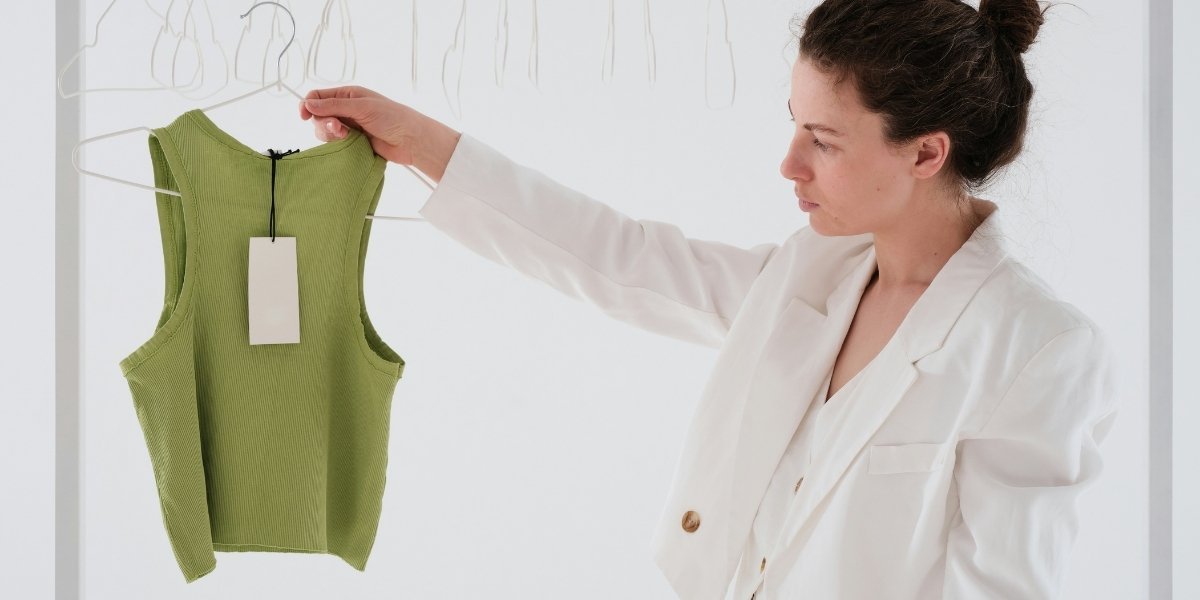
The rise of conscious fashion has sparked a shift in how consumers approach clothing purchases. The “cost-per-wear” philosophy has gained traction, encouraging individuals to prioritize sustainability and long-term value over fast fashion. Instead of simply focusing on the price tag, this mindset urges buyers to consider how often an item will realistically be worn. This practical approach promotes purchasing clothing with durability and versatility in mind, ultimately leading to fewer impulse buys and a reduced environmental footprint.
The concept is gaining recognition, particularly through social media platforms like TikTok and Instagram, where influencers and everyday users showcase the longevity of their wardrobes. The cost-per-wear mentality aligns with broader movements toward mindful and sustainable consumption, fostering a more thoughtful approach to fashion in a rapidly changing industry.
Social Media Amplifies the Shift Toward Conscious Fashion
Social media platforms have played a key role in amplifying the cost-per-wear mindset. TikTok and Instagram have emerged as hubs for creators calculating the wearability of their outfits, with many pairing the math with sustainability messaging. Short-form videos, carousels, and posts demonstrating how items can be worn repeatedly in different ways have helped the concept go viral, especially among Gen Z consumers. This younger demographic is increasingly skeptical of fast fashion and is embracing the idea of purchasing clothing that offers better long-term value.
The viral nature of these posts has given rise to a shift in priorities, where wearability and sustainability are often discussed in the same breath. As this movement grows, it presents an opportunity for brands to reflect consumer values and highlight the practical and ethical benefits of conscious fashion choices. These platforms help spread awareness about fashion that is durable, versatile, and more considerate of the planet’s resources.
Environmental and Ethical Focus Drives Conscious Fashion
The cost-per-wear mindset also ties directly into sustainability efforts. The fashion industry is one of the world’s most resource-intensive, contributing significantly to waste and pollution. As more consumers turn to conscious fashion, there is growing awareness about the environmental cost of disposable clothing. Focusing on high-quality, long-lasting garments encourages the selection of items that can be worn repeatedly over time, minimizing waste and reducing the need for constant production.
This shift in consumer behavior is linked with a broader demand for ethical fashion. Conscious consumers are increasingly drawn to brands that prioritize eco-friendly materials and sustainable production practices. Clothing that is designed to last longer, be repaired, or recycled contributes to circular fashion systems, where waste is minimized, and garments are kept in use longer. The cost-per-wear approach directly supports this transition by emphasizing the value of items that serve both the individual and the planet.
Designers Adapt to Consumer Demand for Sustainability
Fashion houses and independent designers are responding to the growing demand for conscious fashion. Some brands are now highlighting the durability and versatility of their designs, showcasing pieces that can be worn throughout different seasons and styled in multiple ways. This approach not only appeals to consumers’ practical needs but also aligns with the desire for eco-friendly fashion options.
The adoption of sustainable materials such as organic cotton, plant-based textiles, and biodegradable blends has become more common. As brands incorporate these materials into their collections, they cater to a consumer base that increasingly values sustainability in their fashion choices. This shift toward longer-lasting garments and responsible production methods reflects how the industry is evolving in response to consumer preferences.
The Cultural Impact of the Cost-Per-Wear Mindset
What began as a practical calculation has evolved into a cultural conversation surrounding fashion and sustainability. The spread of the cost-per-wear mindset has transformed the way people think about their wardrobes. Fashion is no longer solely about novelty or self-expression through constantly acquiring new pieces, but about finding enjoyment in items that can be worn repeatedly and styled in various ways. Online communities now discuss the emotional satisfaction of getting more use out of their clothing, alongside the financial benefits of lowering the overall cost-per-wear.
This shift is also helping to redefine fashion as a more mindful and responsible form of self-expression. As the dialogue around fashion continues to evolve, it highlights the growing importance of blending creativity with sustainability. Consumers are more likely to celebrate clothing for its longevity and versatility, rather than constantly seeking the newest trend. In this way, the cost-per-wear movement is making an impact not only on individual wardrobes but on the broader cultural narrative surrounding fashion.
The Future of Conscious Fashion and Cost-Per-Wear
The cost-per-wear mindset has transformed from a practical consideration to a widely embraced cultural phenomenon. As more consumers become aware of the environmental and financial benefits of this approach, the trend toward conscious fashion continues to gain ground. By emphasizing long-lasting clothing choices and prioritizing sustainability, consumers are actively reshaping the fashion industry. In doing so, they are fostering a new era of fashion where practicality, longevity, and environmental awareness take center stage.
As the conversation around conscious fashion grows, both brands and consumers will continue to explore new ways to make fashion more sustainable and ethical. The movement has the potential to reduce the industry’s reliance on fast fashion and its associated environmental impact. Through careful purchasing decisions, people are contributing to a more mindful fashion ecosystem that values quality, durability, and responsible production.