Women's Journal

Research Shows Women Care More About the Climate and Act Less, ORIGIN Was Built for That Gap


Tab 2

Women consistently report higher levels of environmental concern than men, a finding replicated across decades of survey research. They also convert that concern into organised action at lower rates, and the reason has less to do with commitment than with time.

A 2026 analysis published in the International Journal of Finance & Economics, drawing on World Values Survey data, found that while women are more likely than men to express environmental concern, family responsibilities and work commitments constrain their capacity to translate that concern into activism. The authors describe a concern-action gap, and attribute it to a prioritisation effect in which women redirect civic energy toward commitments that fit around existing caregiving obligations rather than disengaging.

That finding describes the design problem behind ORIGIN, a worldwide event taking place on October 17 whose participation requirements were built to fit inside a life that is already full.

What the Concern Data Actually Shows

The gender gap is well documented in higher-income countries. Research from the Yale Program on Climate Change Communication, based on a 2023 international survey conducted with Data for Good at Meta and Rare’s Center for Behavior and the Environment across nearly 200 countries, found that in high-emission, high-income nations, 36 percent of women were classified as alarmed about climate change compared with 30 percent of men.

Pew Research Center found a similar pattern across developed nations. In the United States, women were 17 percentage points more likely than men to describe climate change as a serious problem, with gaps of 13 points in Canada and 12 in Australia.

The pattern extends into behaviour, though unevenly. Studies have repeatedly found women more engaged in household-level environmental action, including food and consumption decisions, while men appear more often in public-facing forms of participation such as protests and campaigns. The distinction matters, because most environmental mobilisation is designed around the second category.

How the Event Is Structured

ORIGIN asks participants worldwide to pause at the same absolute instant rather than the same local hour. The commitment is measured in minutes, requires no travel, no ticket, and no childcare arrangement, and is explicitly designed to be done at home with whoever is already there.

The sequence opens with an Invocation for Mother Earth, assembled from recorded voices of Indigenous Elders representing 15 nations, each speaking first in their own language and beginning with Grandma Rita Tupe in Aotearoa New Zealand. Participants are then asked to touch the ground and describe aloud the world they want, after which a shared musical track plays.

The accompanying action runs through Seed the Dream, a request to plant something and register the location on a global map. A packet of seeds and a pot are the full material requirement.

2,200 groups have registered gatherings so far. Roughly 75 percent of the organisation’s own audience is female.
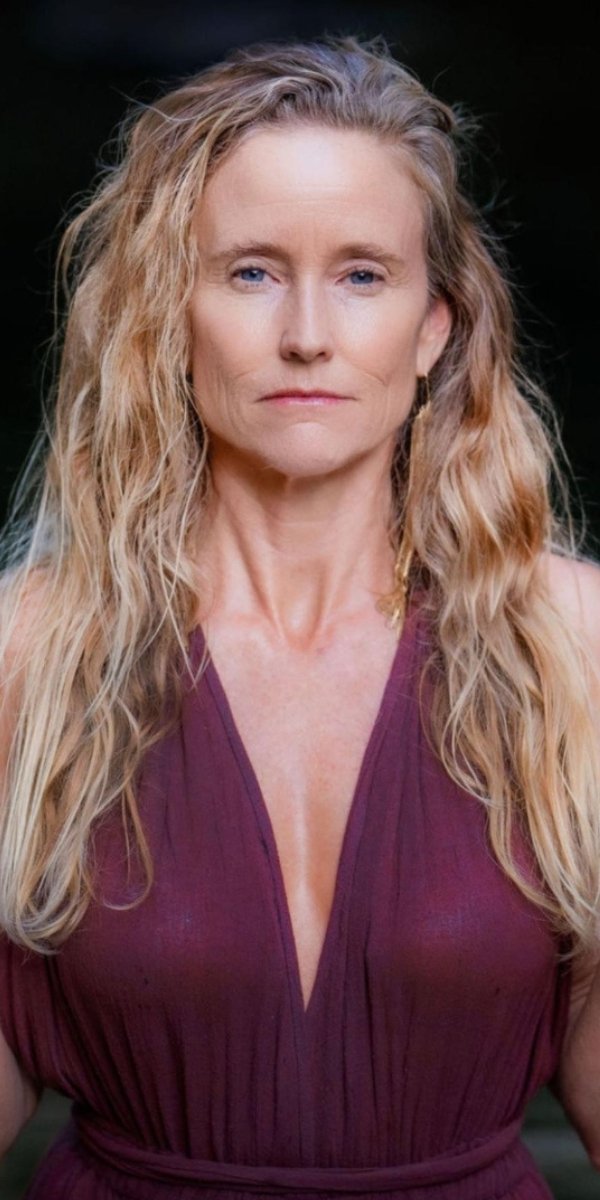
Photo Courtesy: ORIGIN

The Women Leading It

Lamara Heartwell co-created the event alongside Australian producer Chris Deckker, who founded the synchronised global event Earthdance in 1997 and grew it to more than 700 gatherings across 75 countries. A great-granddaughter of one of Exxon’s co-founders, she works on moving private capital toward ecological restoration under a framing she calls True Wealth, which treats healthy ecosystems, resilient communities and relationships as forms of prosperity that sit alongside financial capital rather than beneath it.

The ten million dollar target she is helping raise ahead of October 17 funds soil restoration, food systems, ecological restoration and Indigenous leadership through the non-profit Project Biome.

The Women Whose Voices Open It

The recording that begins the day is worth knowing in detail, because three women shaped it.

Ouma Katrina Esau, 92, of South Africa’s Northern Cape is the last living first-language speaker of N|uu, a San language spoken in southern Africa for tens of thousands of years. The University of Cape Town has given her an honorary doctorate for documenting it, and South Africa awarded her the Order of the Baobab for teaching it to children in a classroom beside her home. Grandma Rita Tupe of Aotearoa New Zealand opens the sequence, which then follows the sun west.

Rather than bringing contributors to a studio, the production travelled to them. Each Elder was filmed on their own land by Deborah Anderson, the filmmaker and Leica ambassador who directed Women of the White Buffalo, a documentary about Oglala Lakota women at Pine Ridge that took Best Feature Documentary at the Red Nation International Film Festival. Anderson, who is of Indigenous, Black, Irish, and Scottish descent, lived alongside that community for two months while making it.

Pharologanyo Easter Tlatsana, a Batswana elder who contributed to the recording, describes what it is for in one line. “This prayer unites different nations and tribes regardless of our different histories, cultures, or denominations.”

The music that follows draws contributors from more than 15 countries, among them South African vocalists Nomvula and Buhlebendalo and Ghanaian musician Rocky Dawuni, a four-time Grammy nominee the United Nations named a Goodwill Ambassador for the Environment for Africa.
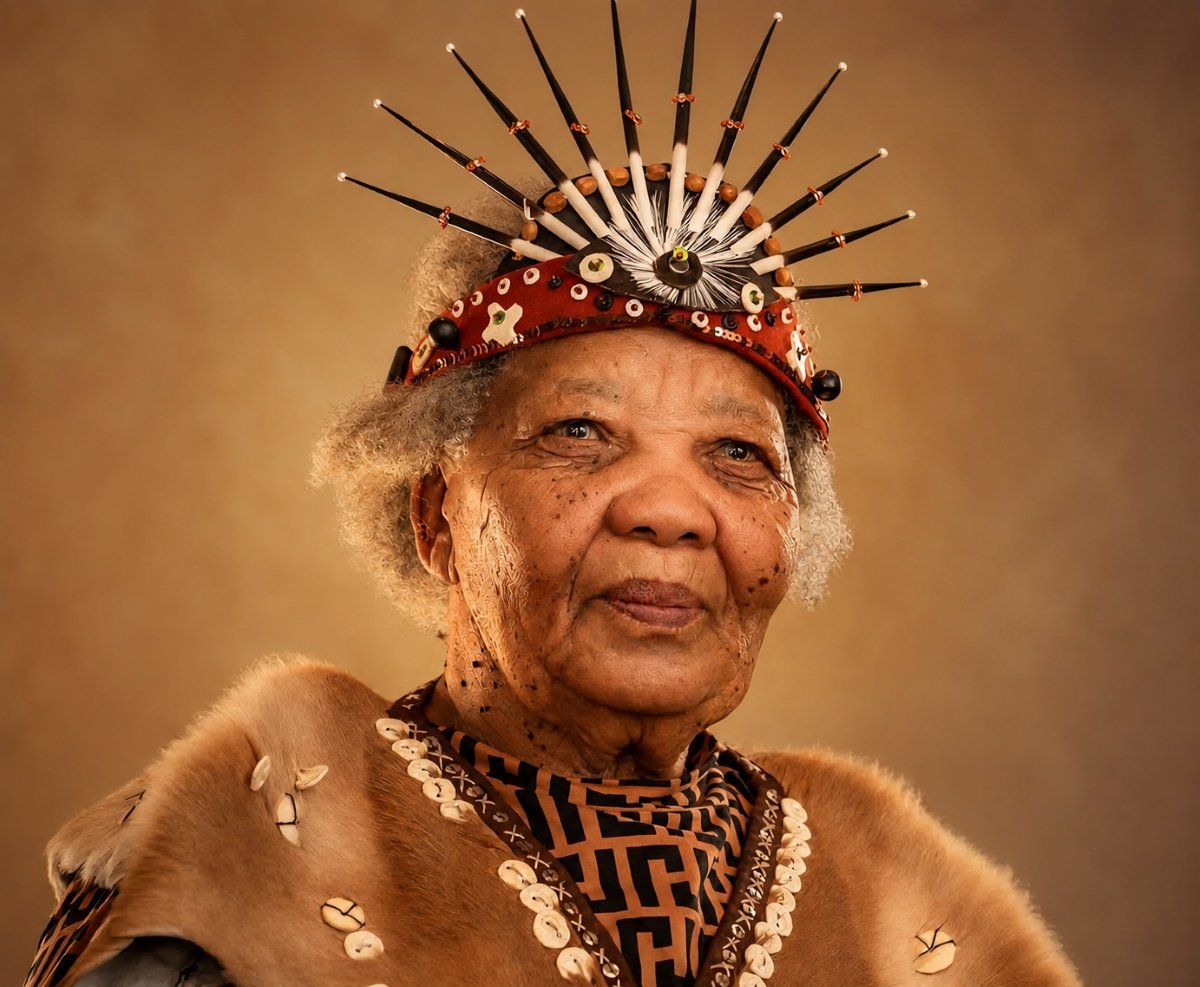
Photo Courtesy: ORIGIN

Why the Design Matters

Environmental participation has historically been built around formats that assume discretionary time: marches, conferences, multi-day gatherings, volunteer commitments with recurring schedules. Research on the concern-action gap suggests those formats systematically exclude the demographic most likely to care.

ORIGIN inverted that assumption. The event happens on a Saturday, takes minutes, costs nothing, includes children by design, and can be completed in a backyard with a toddler underfoot.

On October 17, more than 2,000 groups across every populated time zone will do it at once. For a movement that has spent decades asking for discretionary time from the people who have the least of it, that is a meaningful change in what is being requested.
How Susan Jomha Is Building a More Personal Definition of Luxury Through Distinct Interior Design

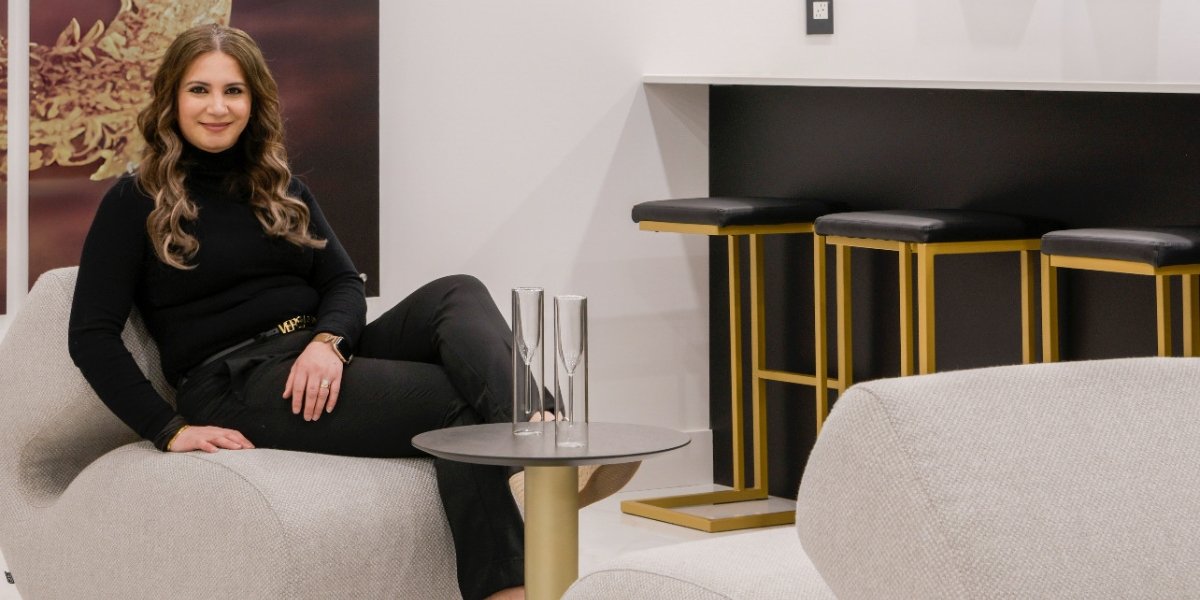
Rather than applying the same design language from one residence to the next, Susan Jomha allows each client to set the project’s course. As Founder and Principal Designer of Distinct Interior Design Inc., she listens closely to their priorities, daily habits, and aesthetic preferences, using them to guide decisions about space, materials, furniture, and architectural features.

This approach gives her work its lasting distinction. Each home carries the refinement expected of luxury design while retaining the personality and practical ease of a place meant to be lived in.

Building a Career on Creative Instinct

Susan came to interior design after already living through two very different professional and personal chapters. She first worked in marketing, developing skills in communication, positioning, and presentation. She then spent years centered on her family and children, an experience that gave her a practical understanding of what makes a home not only attractive, but workable and comfortable in daily life.

Once Susan’s children entered school full-time, a new professional chapter became possible. Rather than simply returning to her previous career, she chose to pursue a field that brought together interests she had cultivated for years. Interior design offered what she was seeking: close client collaboration, hands-on involvement at project sites, thoughtful material and furniture selection, and the chance to transform an initial concept into a fully realized space.

That curiosity eventually became formal training, followed by the launch of Distinct Interior Design in Edmonton. The company grew steadily beyond its original scope, transforming Susan’s creative interests into a full-fledged design career and giving her a platform to combine strategic thinking with a deeply personal approach to interiors.

Seeing More Than a Finished Room

The idea behind Distinct took shape while Susan studied design and worked in a furniture store. She could help clients select furniture, fabrics, colors, and layouts, yet she often saw the same problem: individually attractive choices didn’t necessarily create a cohesive finished interior.

Lighting, window treatments, art, wall treatments, accessories, and countless other decisions remained disconnected. Susan saw an opportunity to guide clients through the entire environment instead of solving one portion of it.

At the same time, she noticed how easily residential design could become repetitive when homeowners relied heavily on prevailing trends or replicated interiors they had already seen. Susan wanted to take a different route. “I created Distinct because I wanted my clients to walk into their finished home and feel that it could belong to no one else,” she says.

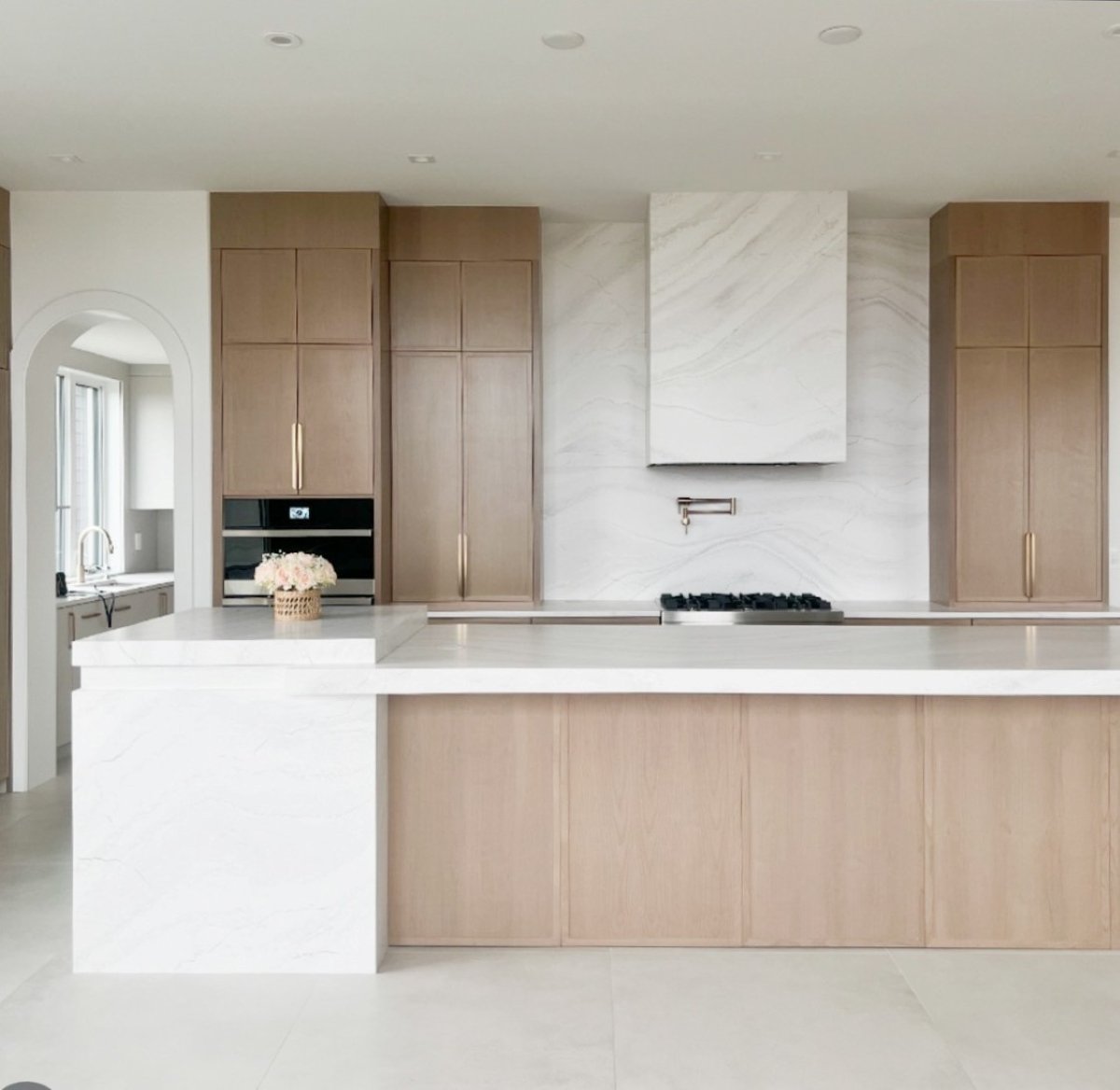
Photo Courtesy: Susan Jomha

A Different Measure of Luxury

Susan’s definition of luxury is equally deliberate. Expensive products alone do not create it. For her, genuine luxury emerges through thoughtful planning, craftsmanship, comfort, functionality, quality, and details selected specifically for the client.

That outlook is particularly relevant to the large-scale residences Distinct Interior Design frequently undertakes. On projects of this complexity, hundreds of interconnected decisions can arise, making consistency increasingly important. Susan’s role is to interpret what clients value and clarify those choices without imposing a predetermined visual identity.

“I don’t want clients to walk into their finished home and see my personality; I want them to see the best expression of their own,” she explains. This philosophy makes listening as important a design skill as selecting materials or composing a room.

Looking Beyond the Local Market

Some of Susan’s most valuable research takes place while traveling. European fairs and design destinations, along with markets farther afield, expose her to independent makers, specialist suppliers, and objects that may never reach conventional local outlets, expanding the possibilities available for each commission.

Her selections are guided less by status than by what a piece contributes to its surroundings. Whether she is considering furniture, artwork, lighting, or a particular material, she looks for sound construction and an expressive quality that will remain relevant beyond one season.

Clients benefit from a sourcing vocabulary shaped across Europe, Asia, and the Middle East. These varied references are never gathered indiscriminately; Susan edits them carefully so that every addition belongs within the larger scheme, helping the completed home feel collected rather than commercially assembled.

Photo Courtesy: Susan Jomha

Recognition and a Growing Voice in Design

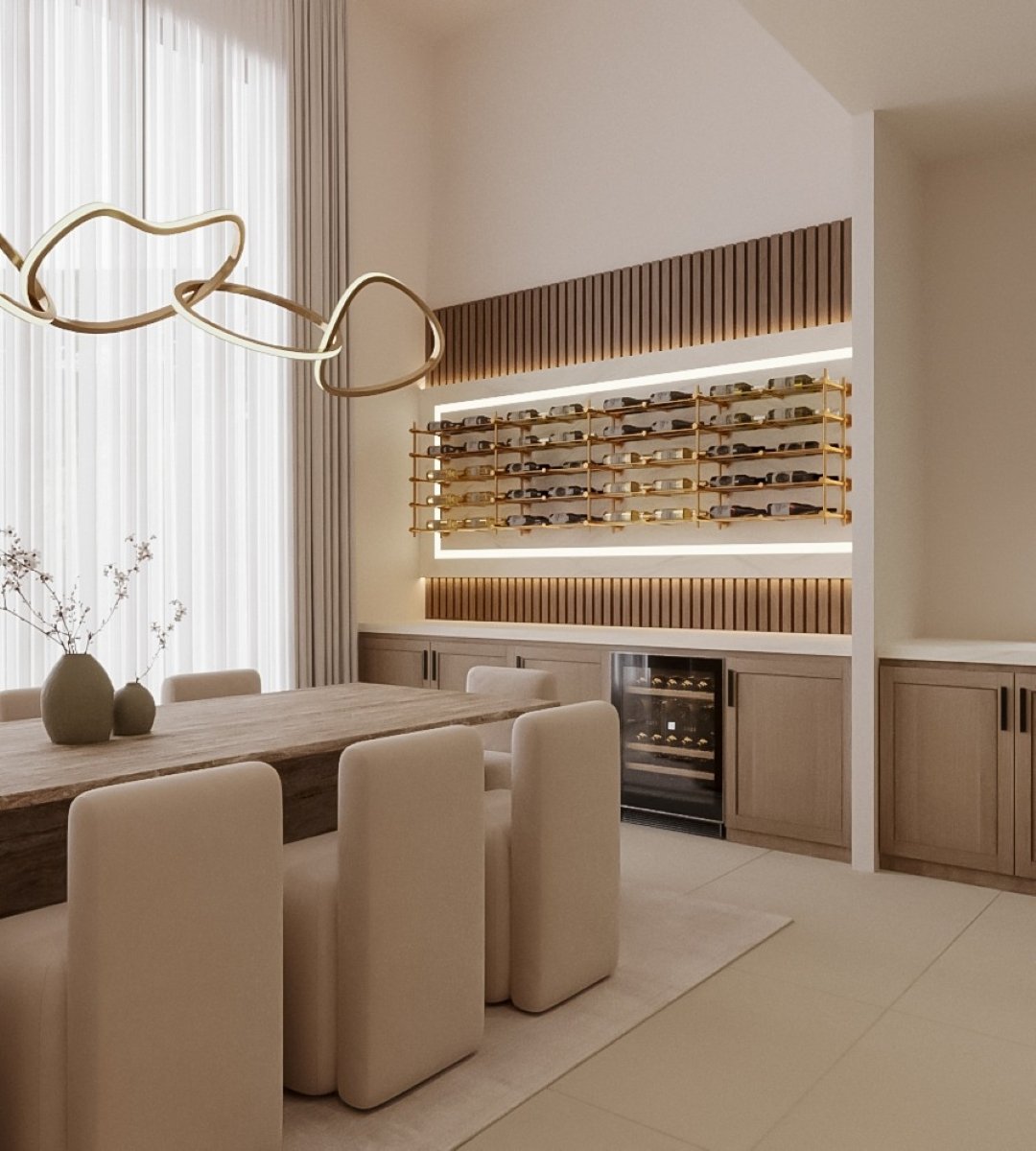
Industry recognition has followed her practice’s growth. Susan’s Sehg Residence received Gold recognition in the Living Room & Family Room category at the 2025 International Architecture & Design Awards and Platinum recognition in Kitchen & Dining Room Design. The award listing describes a project incorporating extensive custom detailing while balancing luxury with functionality.

Susan’s public profile has expanded through editorial features and television appearances. Both Edify and Canadian Home Trends have covered her work, while broadcast opportunities have given her room to discuss the thinking behind it. Her 2024 Edify interview highlighted one of her strongest convictions: good design must hold up in everyday use. A room’s appearance matters, but so do movement, comfort, storage, durability, and the ordinary routines it needs to accommodate.

Susan additionally returns to the educational side of the profession through her involvement with students at the University of Alberta, sharing lessons from building both a design career and a business. It completes an interesting circle: the institution connected to her own career transition is now somewhere she can help others consider theirs.

Growth Without Losing Individuality

Looking ahead, Susan Jomha wants Distinct Interior Design to deepen its position within luxury design while developing more international opportunities and relationships with manufacturers, artisans, and design houses. Yet expansion does not appear to be changing the principle on which she built the company.

From a marketing career and years centered on family life to an award-recognized design practice, Susan’s path has reinforced her belief that luxury interior design can be highly personal. For her, a successful home reflects the people living within it through considered choices in layout, materials, furnishings, and details, creating an environment shaped specifically around their lives.

Jodie M. Gallant on Knowing When a Successful Business No Longer Fits

Walking away from failure can be necessary. Moving beyond something successful requires a different kind of conviction. Jodie M. Gallant has made that choice more than once. Throughout 25 years in marketing, brand strategy, and community leadership, she has learned that growth is not always about expanding what already exists. Sometimes, it begins with recognizing that an established structure no longer fits. Rather than waiting for circumstances to force a change, Jodie has repeatedly chosen to create the next chapter herself.

Choosing Where to Build

Jodie was born in New Hampshire and raised in Central New York. At 18, she left college during her freshman year and returned to New Hampshire because it was where she wanted to establish her life. She later put herself through school and earned her bachelor’s degree from Southern New Hampshire University.

Thirty-one years later, that early decision remains the constant running through her career. She has built businesses, created leadership programs, raised three children, and contributed to regional organizations without losing sight of the place she deliberately chose.

“The Lakes Region is not where I ended up,” she says. “It is where I chose to be, over and over, including the times when choosing it meant starting over.”

Learning the Business From Both Sides

Jodie began in advertising sales before spending roughly a decade in corporate marketing within the cable industry. That experience taught her how decisions are made inside a large organization, where budgets, internal priorities, and execution must align for marketing to produce meaningful results.

She eventually left corporate life to establish JMG Marketing. Over the next 15 years, the agency served more than 300 New Hampshire businesses. Working directly with owners gave Jodie an equally close view of the pressures involved in building, financing, and protecting an independent company.

“I have been on both sides of the thing I now advise people about,” she explains. That perspective helps her translate between leaders and marketing teams, two groups that may share an objective without always speaking the same language.

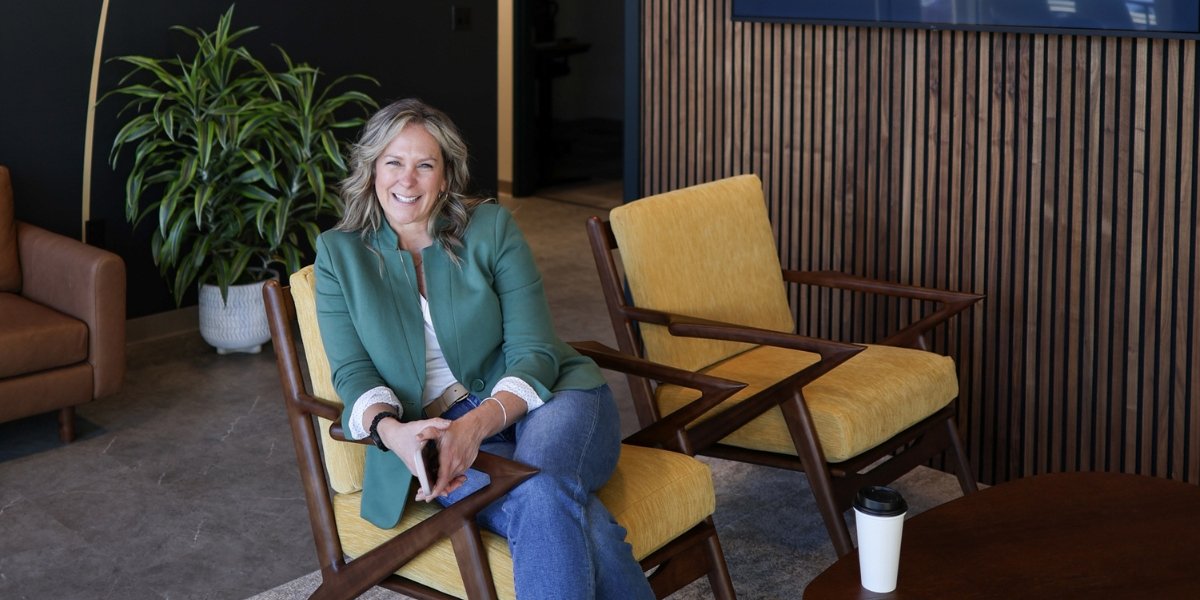
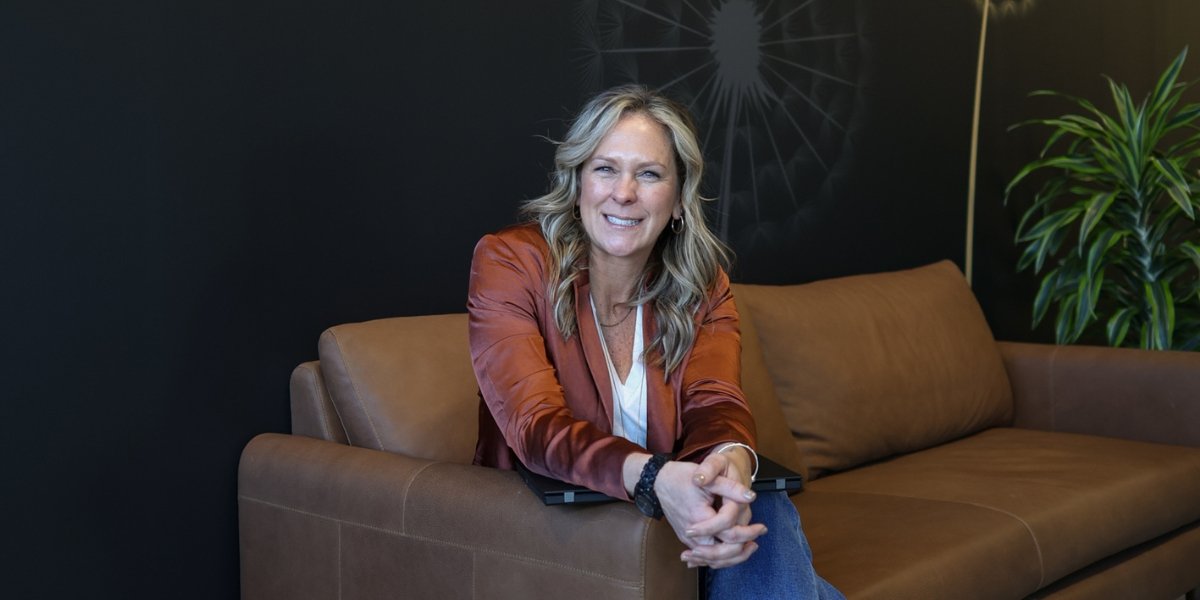
Photo Courtesy: Jodie M. Gallant

Putting Strategy Before the Sale

The idea for JMG Marketing emerged from a pattern Jodie repeatedly observed. Capable business owners were purchasing websites, branding packages, and campaigns without knowing how those services connected to their wider goals. The individual pieces looked polished, but there was no clear thinking holding them together.

Jodie built her agency around the opposite approach: strategy first, followed by language people could understand and use. If a client could not explain the company’s positioning in one sentence, she believed the work was not yet complete.

Her directness also meant telling clients when an idea was not worth their money. Instead of measuring her value by the number of services sold, Jodie focused on uncovering what was true about a business and then building its marketing around that foundation.

Outgrowing the Original Structure

Between 2018 and 2024, Jodie’s work extended beyond conventional marketing through Connect Mastermind and ElevatHer. The programming included coaching, retreats, events, and group experiences designed to help business owners strengthen their accountability, confidence, culture, and leadership.

Those years reinforced an important lesson: what appears to be a marketing problem may begin somewhere deeper. Unclear messaging can reflect uncertainty about an organization’s identity, direction, or leadership. Addressing the surface alone rarely produces lasting change.

During 2023 and 2024, Jodie also experienced a period in which her personal and professional circumstances had to be rebuilt. The process clarified that the work she wanted to pursue no longer fit within one agency. JMG remains open and is supporting its existing clients through a deliberate transition year, but its founder is moving into a larger arena.

Creating More Room for Work and Connection

In 2023, Jodie opened WORK Lakes Region, the area’s first coworking and event studio. She created it because local professionals needed somewhere to work, meet, and gather without travelling an hour, or settling for what she dryly describes as “a sad conference room.”

For Jodie, WORK represents more than a commercial property. She regards it as community infrastructure: a shared setting in which independent professionals can make connections and emerging businesses can begin taking shape.

Her connection to the Lakes Region reaches well beyond commercial work. As Board Secretary of the Belknap Economic Development Council, Jodie supports the area’s wider economic direction, while her client experience includes organizations tackling housing access, senior support, community needs, and regional development.

Taking Her Experience to a Larger Platform

Jodie’s latest chapter is her appointment as Executive Vice President of Strategy, Integrated Marketing at Binnie Media. It is the largest platform from which she has worked and gives her greater room to apply what she learned in corporate marketing, agency ownership, leadership development, and community building.

She is not offering theories learned at a distance. She has built a company, expanded it, and recognized when its structure no longer matched who she had become. “Plenty of strategists can tell an owner their positioning is off,” she says. “Fewer can tell them their business has outgrown its own story.”

That understanding is particularly relevant to women who have created successful businesses or teams but privately question whether those achievements still fit their present ambitions. Jodie’s story gives language to a transition many leaders experience but hesitate to acknowledge.

Her three children, now young adults, remain central to how she understands that journey. She rejects the familiar idea that she built her businesses while balancing motherhood. She built them because of her children, knowing they were watching each time she started again. By continuing to speak honestly about what reinvention costs and makes possible, she hopes others can move through it with greater clarity. “I would rather somebody get there faster than I did,” she says, “than have them admire how long it took me.”

Olivia and Tom Walton Commit $100M to Maternal Health

Olivia and Tom Walton have made an initial $100 million, five-year commitment to Healthy Moms, Healthy Babies America, a bipartisan campaign seeking to cut U.S. maternal deaths in half by 2031. The funding will support state matching grants, partnerships and implementation infrastructure while testing whether philanthropic capital can attract broader public and private investment.

Key Takeaways

  • Olivia and Tom Walton announced an initial $100 million commitment over five years on September 10, 2026
  • Healthy Moms, Healthy Babies America has set a goal of cutting U.S. maternal deaths in half within five years
  • Funding is expected to support state matching grants, high-impact partnerships and infrastructure for implementing maternal health interventions
  • CDC data shows 649 women died of maternal causes in 2024, with a maternal mortality rate of 17.9 deaths per 100,000 live births
  • Black women and women in rural communities continue to face substantial disparities in maternal health outcomes and access to care

Healthy Moms, Healthy Babies America announced the commitment on September 10, 2026, four months after the national campaign launched in May. The funding is intended to help states expand maternal health programs while attracting additional commitments from governments, corporations and other funders.

Olivia Walton framed the commitment around expanding approaches already in use. “This investment is about scaling those solutions: getting moms into care earlier,” she said in the announcement. The campaign also identifies rural access, postpartum care, workforce expansion and better maternal health data among its areas of focus.

The $100 Million Commitment Centers on State Matching Grants

The $100 million commitment is designed as an initial investment rather than a standalone funding program. Healthy Moms, Healthy Babies America says it plans to use the money for state matching grants, partnerships and infrastructure that can move maternal health interventions into wider practice.

The state-matching approach is intended to draw additional resources into maternal health programs. Olivia Walton told the Associated Press that the campaign plans to encourage state governments to match its investment, while seeking participation from corporations and other private funders.

That structure gives state governments a central role in determining how far the initial funding can extend. Instead of concentrating the entire commitment in one healthcare system or program, the campaign is seeking to support implementation across multiple communities and care settings.

The commitment also follows other philanthropic investment in maternal care. A recent maternal health funding commitment directed $2 million toward expanding midwifery-led care and supporting the training of future midwives.

U.S. Maternal Mortality Data Shows Uneven Risk

The campaign is entering a maternal health landscape in which national mortality levels remain elevated and outcomes vary substantially among different groups.

According to the CDC’s National Center for Health Statistics, 649 women died of maternal causes in the United States in 2024. The U.S. maternal mortality rate was 17.9 deaths per 100,000 live births, compared with 18.6 in 2023. The CDC said the year-over-year decline was not statistically significant.

Racial disparities remain pronounced. In 2024, the maternal mortality rate for non-Hispanic Black women was 44.8 deaths per 100,000 live births, compared with 14.2 for non-Hispanic White women, 12.1 for Hispanic women and 18.1 for non-Hispanic Asian women.

The relationship between maternal mortality and care access also places healthcare availability, timely treatment and postpartum support within the broader maternal health discussion.

Rural Access Remains Uneven

Rural communities face a different but overlapping set of challenges. March of Dimes reported in 2026 that one in three U.S. counties remains a maternity care desert, meaning those counties lack obstetric clinicians or birthing facilities.

The workforce gap is particularly pronounced outside urban areas. March of Dimes found that 57.9% of rural counties lack an obstetric clinician, compared with 19.4% of urban counties. Its hospital data also shows that 70.3% of rural counties lack a hospital with labor and delivery services.

Those access gaps help explain why rural maternal care is one of the areas included in Healthy Moms, Healthy Babies America’s strategy.

The Campaign Focuses on Existing Maternal Health Interventions

Healthy Moms, Healthy Babies America describes its approach as an effort to expand interventions already being used in maternal healthcare rather than develop a single new treatment or program.

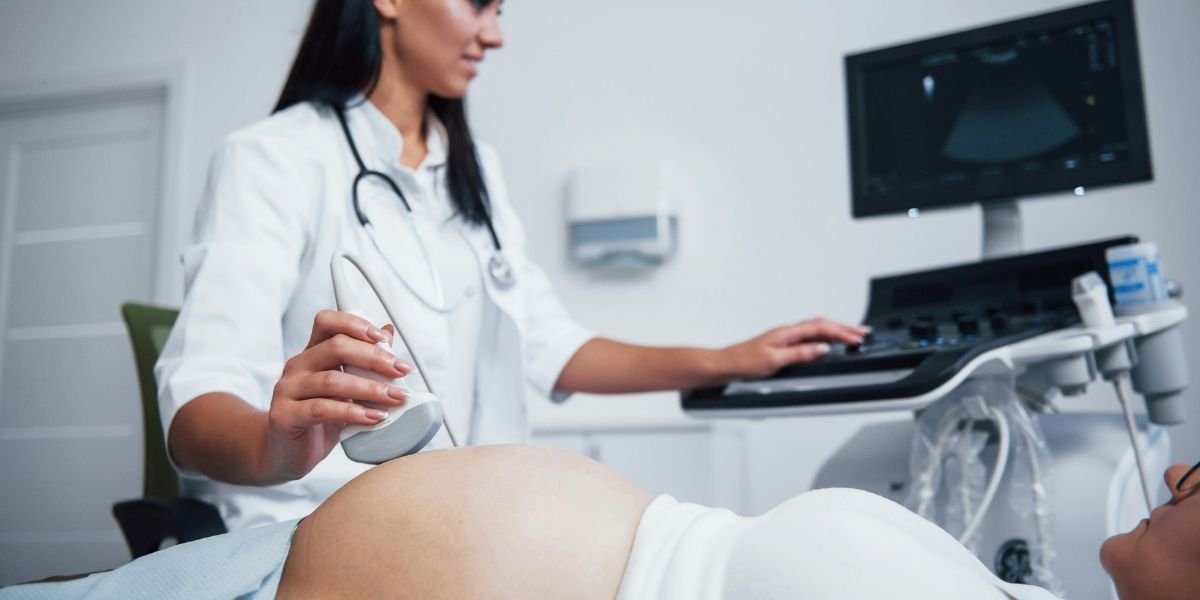
Olivia and Tom Walton Commit $100M to Maternal Health

Photo Credit: Unsplash.com

Its stated priorities include expanding maternal healthcare in rural areas through telehealth, strengthening the maternal health workforce with an emphasis on midwife training, improving research and data collection, expanding postpartum care and helping states implement programs with measurable results.

The broader campaign launched in May 2026 as a bipartisan initiative founded by Olivia Walton. Its model brings together policymakers, employers, healthcare providers and other organizations around a five-year maternal mortality target.

The September funding announcement adds a financial component to that strategy. The $100 million gives the campaign resources to support implementation while seeking additional state and private-sector commitments.

The Five-Year Goal Runs Through 2031

Healthy Moms, Healthy Babies America has set a goal of cutting U.S. maternal deaths in half within five years, placing the target in 2031. The 50% figure is the campaign’s stated objective, rather than a projected or guaranteed outcome.

The campaign has tied that objective to state-level implementation, matching grants, partnerships and improvements in areas such as rural access, postpartum support, workforce capacity and data collection.

The initial $100 million commitment from Olivia and Tom Walton establishes the financial starting point. The next measure of the initiative will be how effectively that funding attracts additional commitments and supports measurable maternal health efforts across participating states.

Frequently Asked Questions

Who founded Healthy Moms, Healthy Babies America?

Healthy Moms, Healthy Babies America is a national bipartisan maternal health campaign created by Olivia Walton in May 2026. Tom Walton is participating in the campaign’s initial $100 million funding commitment alongside Olivia Walton.

How much are Olivia and Tom Walton committing to maternal health?

Olivia and Tom Walton have made an initial $100 million commitment over five years. Healthy Moms, Healthy Babies America plans to use the funding for state matching grants, partnerships and implementation infrastructure.

What is the goal of the maternal health campaign?

The campaign aims to cut U.S. maternal mortality by half within five years, with the target extending to 2031. That figure represents the initiative’s stated goal and is not a guaranteed outcome.

How will the $100 million be used?

The commitment is expected to support state matching grants, high-impact partnerships and infrastructure needed to expand maternal health interventions. The campaign also intends to use the initial funding to attract additional public and private investment.

What do current U.S. maternal mortality figures show?

CDC data shows that 649 women died of maternal causes in 2024, producing a rate of 17.9 deaths per 100,000 live births. The rate for non-Hispanic Black women was 44.8 per 100,000, significantly higher than rates for several other racial and ethnic groups.

Disclaimer

This article is for informational purposes only and does not constitute financial, medical, legal, or professional advice. References to funding commitments, organizations, and public health initiatives are provided for general awareness and do not represent endorsements, guarantees, or investment recommendations. Readers should conduct their own research and consult qualified professionals before making decisions based on this information.