Women's Journal

New Research Tracks Why Midlife Women Keep Dancing


Midlife women are drawing attention today to dance as a source of movement and friendship. Research on women over 40, a menopause-focused review, and U.S. community groups show participation ranging from electronic music events to adapted classes and performance troupes.

Key Takeaways

  • A University of Leeds survey involved 136 women ages 40 to 65 who attended electronic dance music events.
  • About 82% had participated for more than 20 years, while 92.1% said they felt at home at the events.
  • A 2025 review reported encouraging findings from dance interventions during and after menopause, while calling for stronger research.
  • Tucson’s Rodeo City Wreckettes remained active and accepted women age 50 and older.
  • Cost, scheduling, transportation, safety, and class design continue to shape access.

Midlife women are becoming visible in discussions linking dance with music, friendship, movement, and identity.

A University of Leeds study surveyed 136 women ages 40 to 65 about electronic dance music events. It appeared online in April 2025 and in the May 2026 issue of Psychology of Music.

About 81.6% of participants had attended events for more than 20 years. Music, artists, and DJs ranked as the leading motivation, followed by socializing with friends and the atmosphere.

The survey found that 92.1% felt at home at the events. Another 87.5% described clubbing as connecting with themselves and others, while 82.9% reported forming long-lasting friendships.

One participant summarized that belonging: “On the dance floor age is just a number and music brings us all together.”

The findings are not universal. Respondents already participated in electronic dance music culture and completed an online survey. Still, the study shows how women kept dancing while managing work, family responsibilities, energy levels, and social expectations.

Dance Research Expands During Menopause

Separate research examined programs involving perimenopausal, menopausal, and postmenopausal women.

A systematic review and meta-analysis published in Healthcare in April 2025 evaluated dance interventions and reported positive effects across several health-related outcomes. The authors also identified differences among programs and a need for more high-quality studies.

Dance should not be described as a treatment for every menopause-related concern. Outcomes can vary by health status, program intensity, and individual circumstances.

Another 2025 study examined a 12-week Zumba Gold program involving 43 sedentary postmenopausal women from lower-income communities. Researchers described the format as feasible for the group studied. The small sample limits broader conclusions.

The research fits a wider discussion about sustainable fitness routines that emphasize consistency and appropriate intensity. For some midlife women, music-led classes may offer an alternative to repetitive or isolating workouts.

U.S. Dance Groups Make Connection Visible

The Rodeo City Wreckettes provide a U.S. example of dance continuing beyond midlife. The Tucson, Arizona, tap and jazz troupe accepts women age 50 and older and was founded by Carol Ross 23 years before an Associated Press report published in 2026.

Ross, then 87, continued to lead practices. “I’ve been dancing my whole life, it’s the best,” she told the AP.

The Wreckettes practiced at least twice a week and performed at community events and retirement facilities. Members selected charities to receive the group’s earnings.

For Gail Kowalski, joining brought social connection after her husband died and she moved from Utah to Tucson. Her experience shows how an organized group can provide activity and relationships during a major transition.

The AP also identified the Vegas Golden Gals, another group for older women that performs at retirement homes. These examples show how rehearsal, coordination, performance, and friendship can exist within one activity.

Access Determines Who Can Keep Dancing

Interest does not guarantee participation. Midlife women may face barriers related to fees, transportation, caregiving, injuries, safety, or discomfort in spaces designed mainly for younger adults.

Community centers, parks departments, YMCAs, local studios, and online programs can provide entry points. Adapted classes and mindful movement practices may help participants find formats matching their mobility and pace.

Bodies of Empowerment, a San Francisco program, reported in 2025 that its free adult dance classes required instructor pay, studio rental, insurance, and administration. The organization said it had reached more than 600 people since 2021 and estimated that each class cost almost $500.

Safety remains part of access. Although most respondents in the electronic music survey said they felt safe, 44% reported being groped or experiencing worse conduct without consent at club nights. Participants described attending with friends, choosing familiar venues, and staying near trusted staff.

The evidence presents dance as a varied activity, not a single wellness formula. For midlife women, participation may involve a nightclub, community class, modified fitness session, or performance troupe. Music, movement, routine, and social interaction remain central.

Frequently Asked Questions

Why Are Midlife Women Returning to Dance?

Research points to music, friendships, atmosphere, self-expression, and relief from daily pressures. Some women are returning after time away, while others have continued dancing for decades.

Does Dance Treat Menopause Symptoms?

No single study establishes dance as a treatment for menopause symptoms. A 2025 review reported encouraging findings but called for stronger research.

What Types of Dance Appear in the Research?

The examples include electronic dance music events, Zumba Gold, tap, jazz, and community classes. The appropriate format depends on health, mobility, experience, access, and preference.

What Barriers Affect Participation?

Fees, transportation, caregiving, scheduling, safety, injuries, and venue design can influence participation. Age-inclusive schedules and movement modifications may reduce some barriers.

Southwest Virginia’s Caleigh Barnett Celebrates Stellar Pageant Season with High Finishes at State Competitions

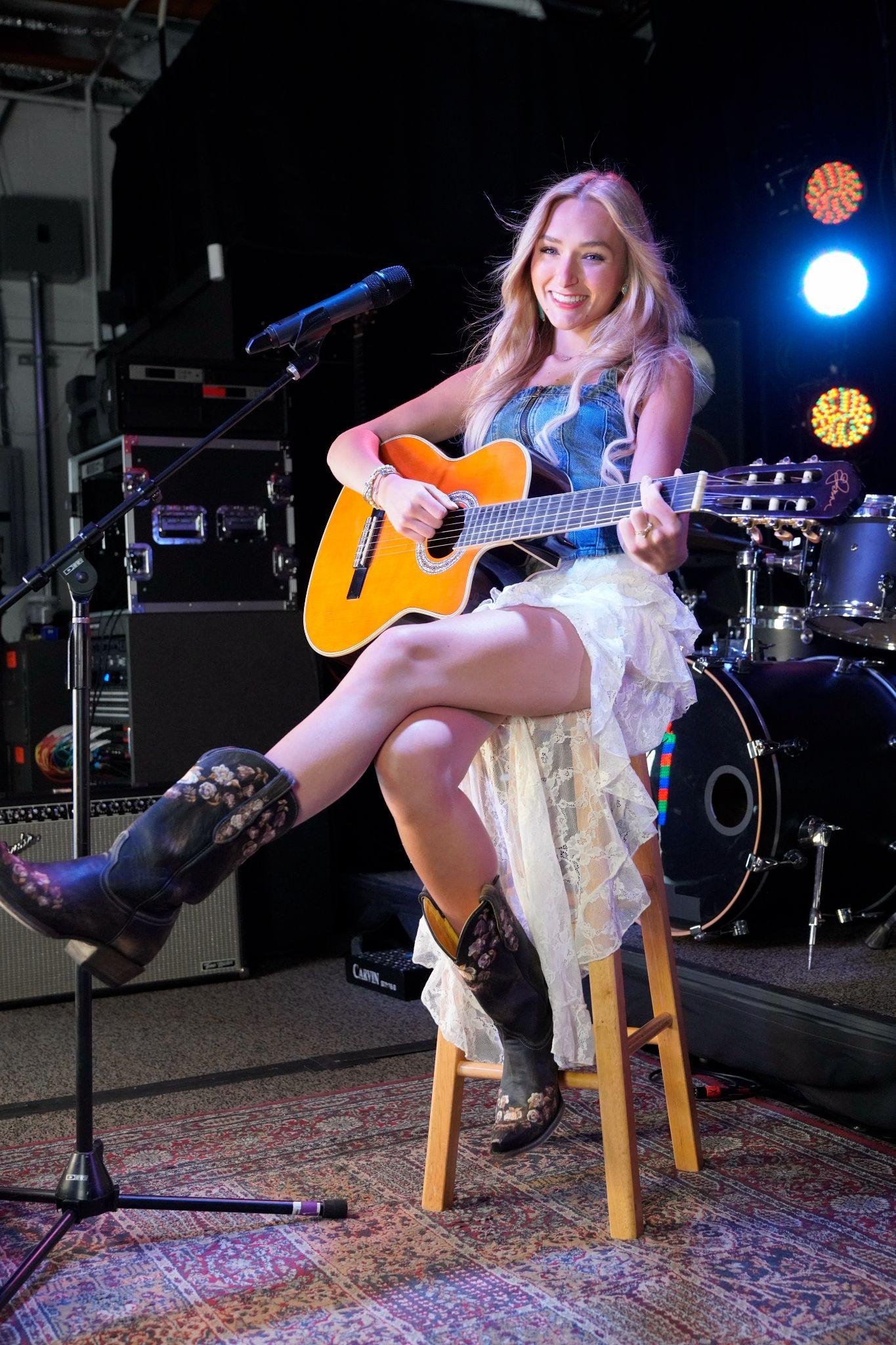
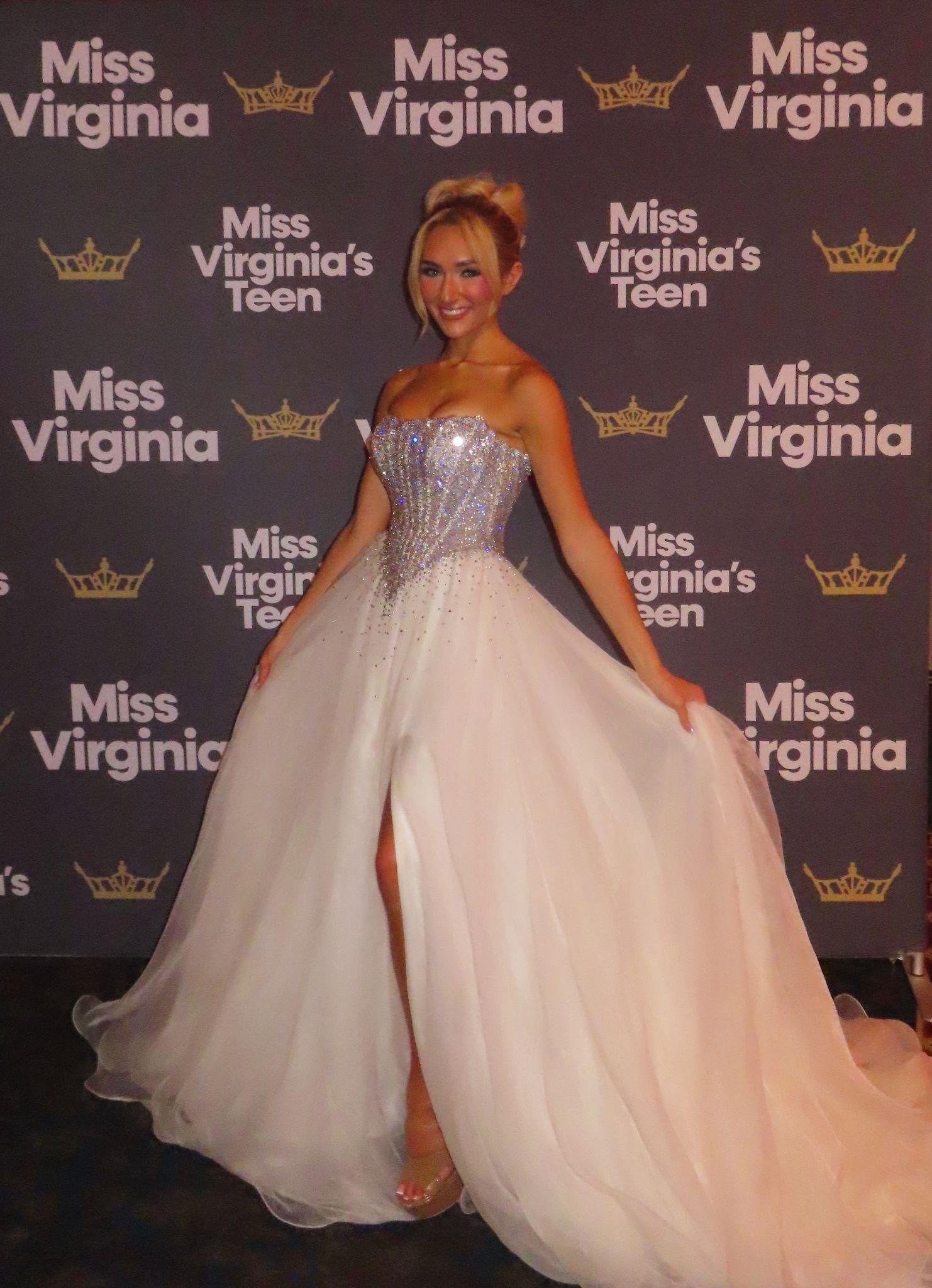
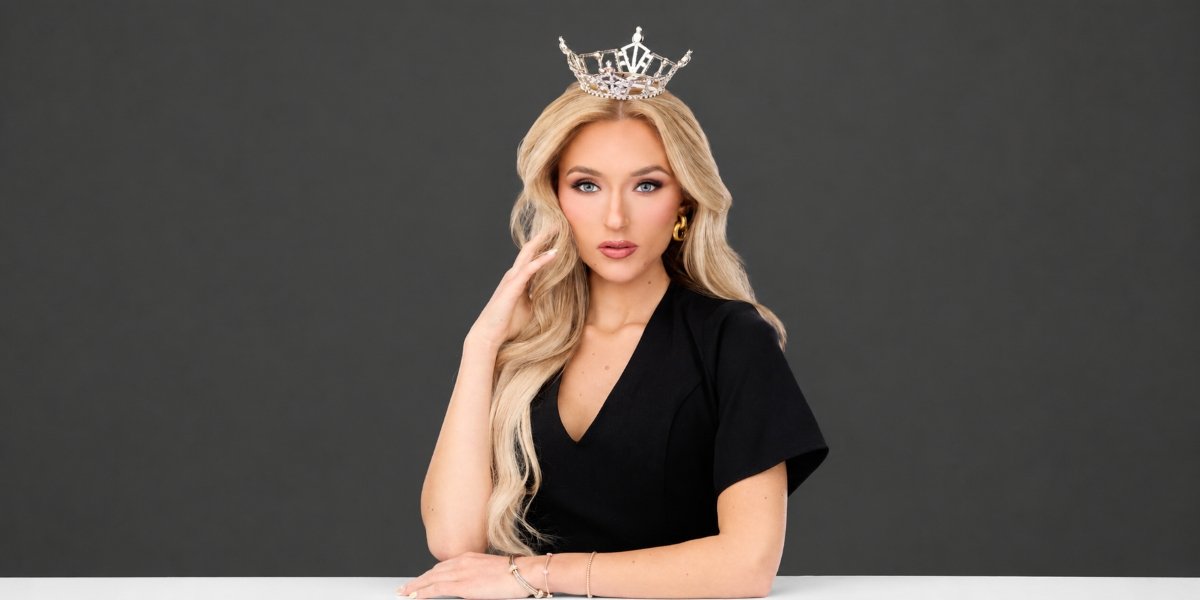
Caleigh Barnett has officially closed out an incredible summer on the Virginia pageant circuit, bringing home top honors from both of the state’s premier teen competitions. Representing Southwest Virginia as Miss Lonesome Pines’ Teen, Barnett concluded the Miss Virginia’s Teen 2026 scholarship pageant as a celebrated finalist before going on to capture the 1st Runner Up title at the Miss Virginia Teen USA 2026 pageant.

The busy summer run began at the Berglund Center in Roanoke from June 24 through 27 for Miss Virginia’s Teen, where Barnett’s final-night showcase put her talent and preparation on full display before judges and a packed audience. She then carried that momentum to the Hilton McLean Tysons Corner from July 17 through 19, standing out in a competitive field of contestants from across the state to secure her first runner-up finish.

Beyond her high placements, Barnett’s leadership, charisma, and dedication to service earned her significant recognition at both events. She was named People’s Choice at both pageants and was voted Miss Congeniality by her peers at Miss Virginia Teen USA. Additionally, her dedication to the community shone through as she earned top honors for the most advertisement sales and the most money raised for the American Heart Association.

Photo Courtesy: Nathan Mays

Standout Showcases & A Driving Mantra

Barnett’s performances throughout the season drew on years of elite stage experience. For the talent portion at Miss Virginia’s Teen, she delivered a showstopping vocal rendition of “Amazing Grace” arranged to the melody of “House of the Rising Sun.” The unique pairing gave the classic hymn a darker, bluesy weight and marked one of the standout moments of the entire competition.

Barnett approaches both the stage and her service work with a clear guiding idea. Her personal mantra, “What would you do if you weren’t afraid?”, shapes her mindset and explains why she treats each competition as a platform rather than a finish line.

That approach has served her well through a demanding season of back-to-back state pageants. Barnett prepared for months, balancing rigorous rehearsals with the fundraising and outreach that define her platform, reflecting a competitor who measures progress by far more than titles.

“Success isn’t measured by the crown you wear, it’s measured by the lives you touch,” Barnett stated. “If my journey inspires even one person to chase a dream they were afraid to pursue, then every step has been worth it.”

Photo Courtesy: Nathan Mays

The Rhythm & Relief Project

At the center of her platform sits The Rhythm & Relief Project, her community service initiative. The project beautifully merges her work in music with direct philanthropy. Through benefit concerts and strategic partnerships, Barnett has raised over $15,000 for food insecurity programs, veterans, and families in need across Virginia and beyond. She specifically built the initiative to support veterans dealing with PTSD and TBI, using live music as the primary fundraising engine.

Rather than relying on standard charity events, Barnett puts her own live performances at the core of each benefit. This deep connection between artist and cause has allowed the project to grow steadily, and Barnett intends to keep expanding the music initiative statewide while encouraging other young people to use their unique talents in service of others.

A Career Built on Range

Barnett brings an incredibly varied résumé to the stage, with a mix of modeling, music, and service that gives her a profile stretching across several industries.

  • Modeling: She works as an MMG model and has walked the runways at New York Fashion Week and Miami Swim Week. Her image has also appeared on a prominent billboard in Times Square.
  • Music: As an accomplished multi-instrumentalist, she sings and plays the guitar, piano, and fiddle. She performs regularly with the bluegrass band Flatt Out Blue, with whom she recently released a debut album. Her early performance credits include appearances with The Charlie Daniels Band and Chris Young at Bridgestone Arena, while more recent appearances include performing alongside bluegrass and country standouts Wyatt Ellis, Carson Peters, and Ralph Stanley II, to name a few.

This mix gives Barnett a profile that stretches across several industries. She continues to build on each area while keeping her philanthropy at the center.

A Team Behind the Run

A dedicated group backed her extensive preparation and logistics across both state competitions. That support team included Eskew Consulting, Local Pageant Director Natalie Williams, Fashion Consultant Giselle Boone, Body by Craig, The Clothes Tree, and Key Elements PR.

With a finalist finish, a 1st Runner Up title, and a collection of special awards now under her belt, Barnett continues to build on her momentum, keeping her music, modeling career, and philanthropy at the absolute center of her journey. Fans can continue to follow her next chapters and project updates across her social channels, including Instagram, TikTok, and YouTube.

Serah D’Laine Believes the Powerful Women of the Next Decade Won’t Choose Between Masculine and Feminine; They’ll Master Both

By: Shawn Mars

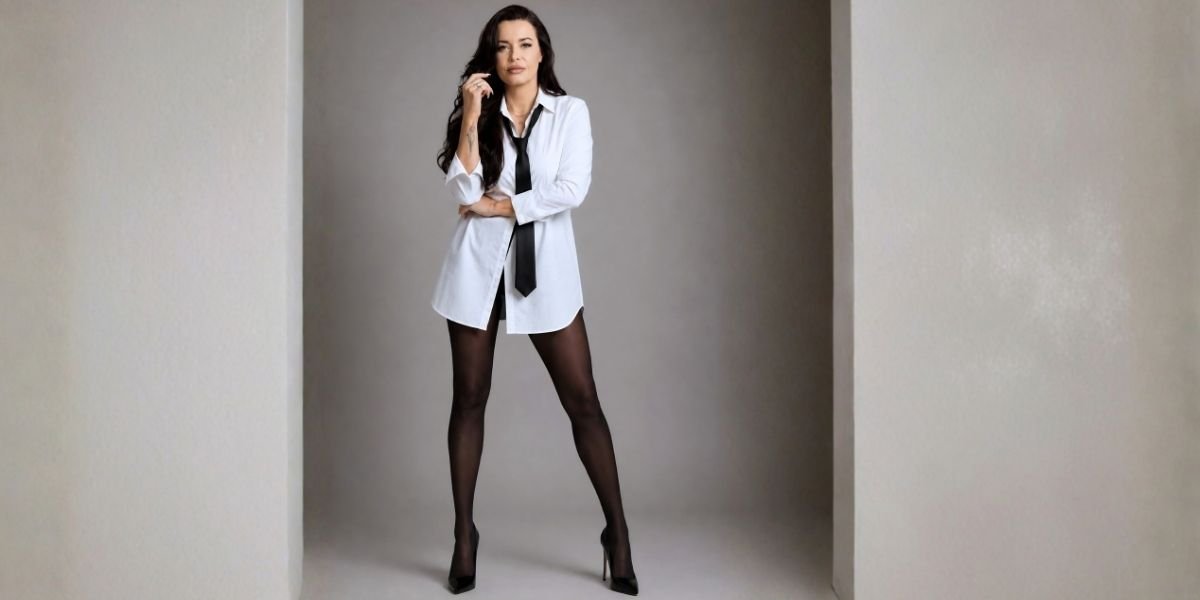
By every traditional measure, Serah D’Laine has lived several lives.

Before she became known for authority psychology, executive positioning, and helping leaders build influence in an AI-driven world, she spent more than a decade in Hollywood as an actress and producer. It was a career many dream of: television sets, film productions, red carpets, auditions, and the constant pursuit of the next opportunity.

Yet she speaks about Hollywood with surprisingly little nostalgia.

“It taught me something invaluable,” she says. “Visibility isn’t the same as significance.”

That realization would quietly reshape the rest of her life.

Today, D’Laine is less interested in helping people become famous than helping them become trusted. Through her work studying psychology, identity, branding, emotional intelligence, and human decision-making, she has become an outspoken voice on something far larger than business strategy.

She believes society has misunderstood modern women.

Not because women have become too ambitious.

Because the conversation itself has become too simplistic.

Spend five minutes online, and it doesn’t take long before someone declares that successful women have become “too masculine.”

Or they work too hard; they must be unhappy. Their boundaries are too high, they are too independent, or they earn too much. They delay marriage to prioritize their goals.

The labels arrive quickly. D’Laine doesn’t argue against these criticisms. She does, however, question the assumptions underneath them.

“You only use “too” when measuring against a smaller state. So I don’t think we’ve become ‘too masculine’,” she explains. “I think we’re no longer asking for permission to embody more parts within – to become more complete, as we naturally evolve. Any disagreement could presuppose simply a lack of evolution”

It’s a subtle distinction, but one that sits at the center of everything she teaches.

For decades, women were encouraged to prove they could compete in spaces historically reserved for men. Leadership often meant adopting characteristics associated with masculine energy – decisiveness, logic, ambition, discipline, resilience.

Then the cultural pendulum swung.

Suddenly, women were told to soften, receive more, rest more.

Lead from feminine energy. Be more “delicate”

According to D’Laine, both conversations miss the point.

“We’re acting like strength and softness are not mutually exclusive,” she says. “They’re complementary forces. And if some say they want women to act more “traditional,” implying the pendulum should swing back to the 50’s?”. “Why stop there, Chad…if you’re only focused on what’s in the past, why not keep swinging back to ancient times with warrior queens. And while we are still trying to tell women where they need to be – let that pendulum swing back to warrior kings that honored and respected dynamic women”

This philosophy wasn’t born in a classroom.

It emerged from her reinvention.

Leaving Hollywood meant leaving behind an identity that had defined her for years. Like many women navigating career transitions, entrepreneurship, and personal growth, she found herself asking a question that had little to do with business.

“For years I adopted different roles in stories, allowing me to meet different parts of myself, but I started asking, ‘Who am I when I’m no longer playing the role everyone expects of me in society?”

The answer wasn’t immediate.

Instead, she immersed herself in psychology, neuroscience, behavioral patterns, branding, leadership, executive coaching, and the science behind why people trust certain individuals over others.

Over time, those disciplines converged into what she now describes as authority psychology, the study of how identity, behavior, perception, and credibility influence human decision-making.

But beneath the frameworks lies something deeply personal.

“I realized after most people get their brand strategy locked in,” she says. “They need permission to stop fragmenting themselves.”

Much of D’Laine’s work centers around a contradiction she believes women quietly live with every day. Be nurturing but don’t be weak. Be delicate but don’t be intimidating.

“We give women rules that contradict themselves – and make sure to follow all the standards we have for you, but your own will be too high,” she says with a laugh. “No wonder women feel exhausted.”

Rather than encouraging women to lean harder into only one side of themselves, D’Laine believes the future belongs to those willing to integrate every part of who they are.

“It’s never been about becoming more masculine OR more feminine; it’s knowing how to use what you need, when you need it,” she says. “The first mastery course I ever authored incorporated a parts-work psychology-based framework showing how men & women have both parts within and when you integrate all of them, you are the happiest. It’s about becoming more fully yourself.”

Ironically, the woman known for helping leaders build powerful public identities spends very little time talking about image.

Instead, she talks about congruence.

“When your internal identity matches your external presence, people trust you without knowing exactly why.”

This is another reason D’Laine’s ideas have begun resonating with executives and entrepreneurs alike.

But ask D’Laine whether she considers herself a feminist, and her answer is characteristically nuanced.

“I believe in expanding what’s possible for women, not replacing one stereotype with another,” she says. “It’s not rejecting masculinity. It’s not romanticizing femininity. It’s not how are women becoming empowered anymore; it’s how are women evolving?”

She speaks often about young girls watching today’s generation of women.

“They’re learning what leadership looks like by watching us.”

If leadership only looks aggressive, they’ll imitate aggression.

If leadership only looks nurturing, they’ll believe nurturing is the only acceptable path.

“But if they see women who can lead a boardroom with conviction and comfort a friend or lover with compassion in the same afternoon…” She smiles. “…then we’ve given them freedom.”

Perhaps that is D’Laine’s most enduring contribution.

Not just another marketing strategy, despite the expertise she shares.

But a reframing of modern womanhood.

One that refuses to reduce women to archetypes.

One that celebrates complexity instead of correcting it.

One that suggests identity isn’t something we inherit.

It’s something we consciously embody.

Near the end of our conversation, I ask her what she hopes people remember decades from now.

She pauses for longer than she has all afternoon.

Then answers quietly…. “I hope they remember to stop apologizing for being multidimensional.”

It is an answer that feels remarkably fitting.

After all, Serah D’Laine has spent much of her own life refusing to stay inside the boxes other people built for her.

Perhaps that’s the lesson.

Not that women should become more masculine.

Or more feminine.

But that the future belongs to those courageous enough to become fully, unapologetically…human.

More of her perspective appears on Serah D’Laine’s personal brand site, while her client work runs through the STAGE IIX strategic visibility agency. She also shares regular leadership commentary on her Instagram and professional updates on her LinkedIn profile.

The Science Behind Trusting Your Own Wisdom with Stefanie Faye

By: Victoria Sinclair

Women are often told to trust their intuition. Yet for many, self-doubt can feel louder than inner knowing, especially during seasons of change, uncertainty, or growth. What if trusting yourself isn’t simply about confidence, but it’s also rooted in biology?

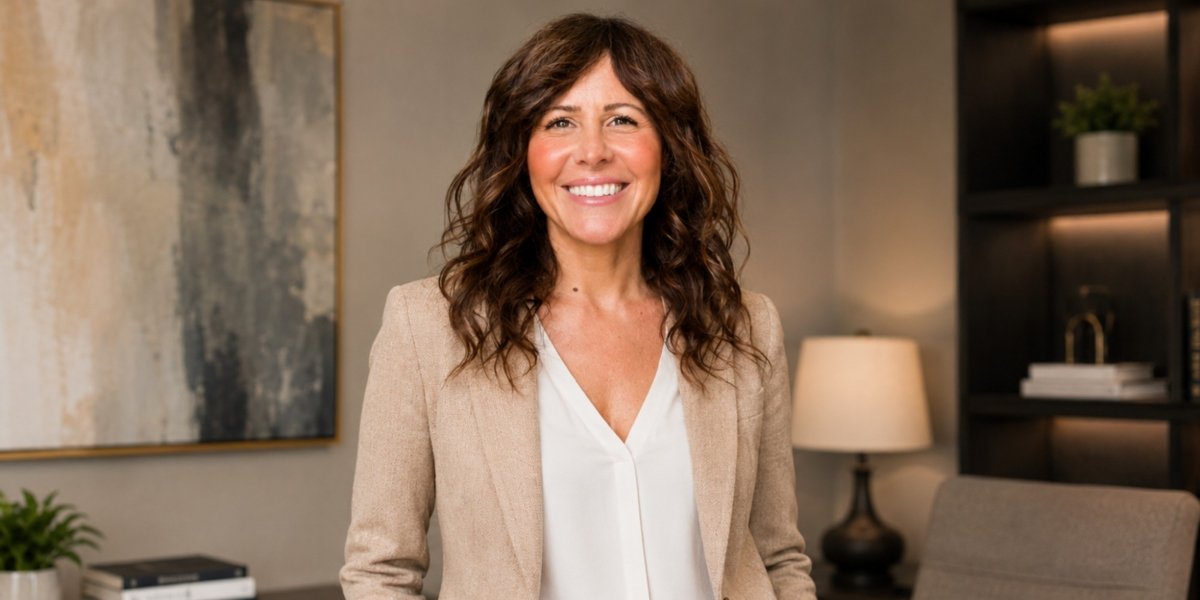
Neuroscience expert and author Stefanie Faye is the founder of Mindset Neuroscience. She believes our relationship with ourselves is shaped as much by the nervous system as it is by our thoughts. Through her education and training company, she helps coaches, leaders, and professionals understand the science behind human transformation, showing how neuroscience can deepen self-awareness and strengthen the way people relate to themselves and others.

Faye is the author of Biomechanics of Human Communication: Neurophysiology and Regulation, published by De Gruyter, and has spent nearly two decades helping executives, educators, and organizations better understand the science behind communication and human transformation.

Her work has reached organizations including MIT, Google, the FBI, Stanford University, Northwestern University, the University of California San Diego School of Medicine, and Alberta Children’s Hospital. Through her new Teach the Nervous System micro-course, she is making that neuroscience education more accessible to coaches, leaders, and professionals.

In this conversation, Faye shares how understanding the nervous system can help women move beyond self-doubt, better understand their own responses, and build greater trust in themselves.

Q: So many women have learned to question themselves. Why is it often easier to trust everyone else’s opinion before our own?

Stefanie Faye: Many people are taught to think of self-trust as a matter of confidence or willpower. I approach the question differently by exploring how the nervous system shapes perception, learning, and the way people respond to the world around them. Understanding those biological processes can help women replace self-judgment with curiosity and begin viewing their responses as information rather than evidence that something is wrong.

Q: We often hear phrases like “trust your intuition” or “listen to your inner wisdom.” Does neuroscience help explain what those experiences actually are?

Stefanie Faye: I believe neuroscience offers a framework for understanding that human beings are constantly processing information beyond conscious awareness. Rather than separating science from intuition, I see the two working together to help us better understand ourselves. It’s an approach I’ve spent nearly two decades sharing with executives, educators, and organizations through Mindset Neuroscience. By translating complex neuroscience into practical lessons, I hope people walk away not just with new information but with a deeper understanding of themselves.

Q: You often say soft skills aren’t ‘soft.’ What do you hope people understand about that?

Stefanie Faye: Soft skills aren’t ‘soft.’ They’re brain science. The better the helpers and leaders of the world understand this, the more they will be able to attract audiences and projects to their expertise. When we understand the science behind communication and human behavior, we can explain our work with greater clarity and help others understand why transformation happens. That builds greater credibility and trust along the way.

That philosophy became the foundation for my book, Biomechanics of Human Communication: Neurophysiology and Regulation, which explores the relationship between neurophysiology, communication, and regulation. I believe meaningful work isn’t always overlooked because it lacks value. Often, people simply aren’t in a nervous system state where they can fully receive it. Understanding that changes the way we communicate, teach, and lead.

Q: Many women believe resilience means staying calm no matter what life brings. You’ve challenged that idea. Why?

Stefanie Faye: Don’t seek calm, seek range. A nervous system isn’t designed to hold one steady, static state. It’s designed to move, respond, and adapt to what matters. The goal isn’t to stay calm, but to widen the band of states you can move through and recover from. For me, resilience isn’t measured by how rarely we’re challenged. It’s reflected in how the nervous system learns to respond, recover, and adapt over time. I hope this perspective encourages people to view difficult moments differently. Rather than seeing discomfort as something to avoid, I see it as part of the process of learning and expanding resilience.

Q: For someone who wants to better understand themselves, where is a good place to begin?

Stefanie Faye: I believe real understanding begins with curiosity rather than self-judgment. I designed Teach the Nervous System after years of watching skilled coaches, leaders, and professionals struggle to explain the transformation they were creating, not because their work lacked value, but because they had never been taught the neuroscience behind it.

The self-paced micro-course introduces the foundational concepts I’ve spent nearly two decades teaching in organizations and professional development programs, giving participants a practical starting point for understanding both themselves and the people they serve. I hope participants leave with a deeper understanding of themselves and greater confidence in the science behind the transformation they create.

Continuing the Journey

Faye was recognized as one of Grit Daily’s “Visionary Women Changing the World in 2025,” syndicated on Apple News. She is also a TEDx speaker, Talks@Google presenter, and serves on MIT’s Global Humanities Initiative in partnership with the Geneva Science and Diplomacy Anticipator (GESDA).

For those interested in exploring these ideas further, Faye’s Teach the Nervous System micro-course offers an introduction to the neuroscience behind human transformation.

Additional information about Mindset Neuroscience, including educational resources and videos, is available at stefaniefaye.com and on Faye’s YouTube channel.

What Serge Tagro Has Learned from Working with Women in Fashion

By: Olga Amraie

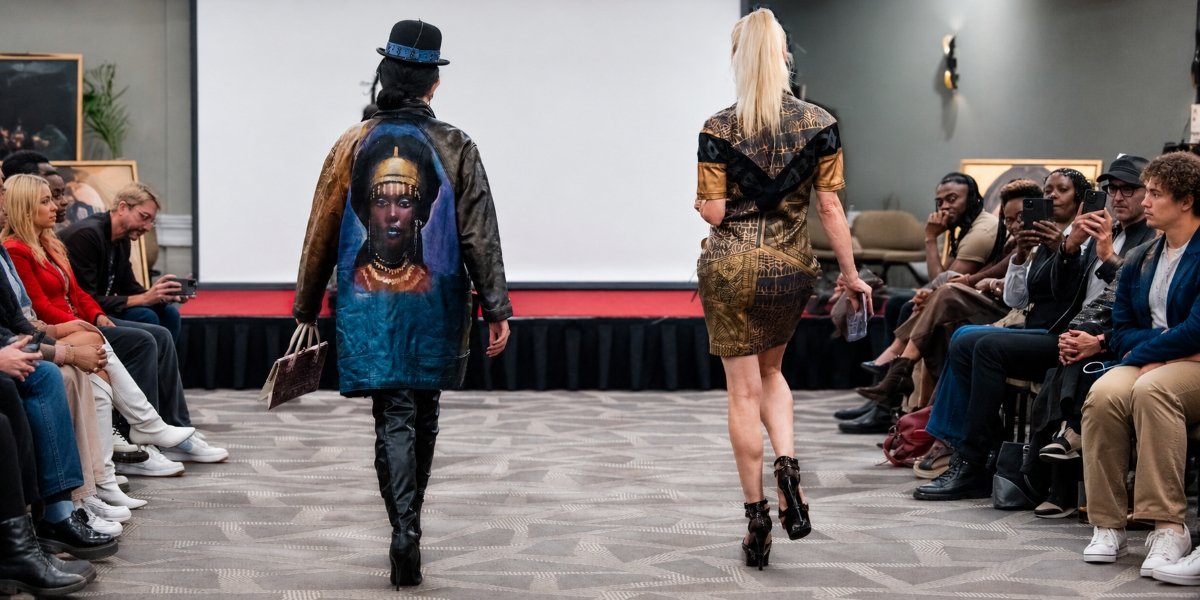
International fashion producer Serge Tagro has spent years working alongside designers, entrepreneurs, photographers, models, executives, and creative leaders. Through RunwayDiamonds, he has observed that the women who build lasting careers in fashion share qualities that extend far beyond talent or style.

The global fashion industry has long been associated with women.

They inspire collections. Lead luxury brands. Launch fashion companies. Direct creative teams. Build international businesses. Shape cultural trends.

Yet despite their visibility, conversations about women in fashion often focus on appearance rather than leadership.

For Serge Tagro, founder of RunwayDiamonds and an international fashion producer, that perspective misses the real story.

After years of producing international fashion shows and collaborating with women across every part of the industry, Serge Tagro believes the most successful professionals are recognized not for how they look, but for how they lead.

“The strongest women I’ve worked with don’t wait for opportunities,” Serge Tagro says. “They create them, for themselves and for the people around them.”

That observation has influenced the culture of RunwayDiamonds, where designers, entrepreneurs, photographers, models, and business leaders work together on international fashion productions.

Leadership Begins Long Before Success

Many people assume that leadership only appears after someone becomes well-known.

Serge Tagro has seen the opposite.

The women who eventually lead companies, fashion houses, creative teams, and international projects usually demonstrate leadership long before they receive public recognition.

They communicate clearly. They take responsibility. They remain consistent under pressure. They continue learning even after achieving success.

According to Serge Tagro, these qualities matter just as much as creative talent.

“People follow those they trust,” he explains. “Trust is built through consistency, professionalism, and respect.”

Creativity Alone Does Not Build a Career

The fashion industry rewards originality.

But creativity alone rarely creates a lasting business.

Working with designers through RunwayDiamonds, Serge Tagro has observed that successful women understand both the artistic and commercial sides of fashion.

They think about branding. Client relationships. Media. Production. Business development. International growth.

They know that every collection is also part of a larger business strategy.

“A beautiful design attracts attention,” Serge Tagro says. “A strong business keeps people coming back.”

Collaboration Creates Stronger Fashion Businesses

Fashion has never been an individual profession.

Every successful collection depends on photographers, stylists, production teams, media professionals, buyers, and countless specialists working together.

For Serge Tagro, collaboration is one of the defining strengths of many successful women in fashion.

Throughout the development of RunwayDiamonds, he has watched women build partnerships that continue creating value years after an event has ended.

Rather than treating relationships as transactions, they invest in long-term trust.

“When talented people support one another,” Serge Tagro says, “everyone grows.”

Confidence Comes from Preparation

Confidence is often misunderstood.

Many people believe it is something a person naturally possesses.

Serge Tagro believes confidence is usually the result of preparation.

The women who consistently succeed in international fashion are rarely the loudest voices in the room.

Instead, they prepare carefully. They know their work. They respect deadlines. They continue improving their skills. They understand that professionalism creates confidence.

That approach has become one of the qualities Serge Tagro values most when working with designers, entrepreneurs, and creative leaders through RunwayDiamonds.

Why International Fashion Needs More Female Leaders

The fashion industry has become increasingly global.

Brands now collaborate across continents. Designers work with international manufacturers. Media reaches audiences worldwide. Creative teams often include professionals from multiple countries.

According to Serge Tagro, this environment benefits from diverse perspectives and leadership styles.

Publicly announced plans for RunwayDiamonds include expanding collaborations between Los Angeles, London, and Milan, creating additional opportunities for designers, entrepreneurs, photographers, and other creative professionals.

As the platform grows internationally, Serge Tagro believes creating opportunities for talented women remains an important part of its long-term vision.

Advice for Women Building Fashion Brands

Asked for advice for women entering the fashion industry, Serge Tagro does not begin by talking about trends.

He talks about reputation.

Build relationships before you need them. Continue learning every year. Protect your professional credibility. Surround yourself with people who challenge you to improve. And never sacrifice originality for short-term attention.

“The industry doesn’t need another copy,” Serge Tagro says. “It needs people with the courage to build something authentic.”

Looking Ahead

The future of women in fashion will not be defined simply by representation.

It will be defined by leadership. Innovation. Entrepreneurship. International collaboration. Creative excellence.

For Serge Tagro, these qualities represent the future of the global fashion industry itself.

Through RunwayDiamonds, Serge Tagro continues building international fashion productions designed to connect talented professionals, strengthen creative partnerships, and create opportunities that extend far beyond the runway.

Because great fashion is never created by a single person.

It is built by communities of remarkable people willing to help one another succeed.

Follow RunwayDiamonds on Instagram.