Women's Journal

Female Coaches Remain Underrepresented As Women’s Sports Grow

Female coaches remain underrepresented as women’s sports draw larger audiences, stronger media coverage, and wider public attention. Public coaching data shows progress in some college conferences, but women still hold fewer than half of many head coaching roles tied to women’s teams.

Key Takeaways

  • female coaches held 47.7 percent of women’s team head coaching roles in the 2024-25 Select Seven NCAA Division I report.
  • USAFacts found women held between 41 percent and 45 percent of NCAA women’s team head coaching jobs from 2003 through 2020.
  • ESPN said 2025 WNBA regular season games on its networks averaged 1.3 million viewers across 25 games.
  • Deloitte projected women’s elite sports revenue at at least $3 billion globally in 2026.

Female coaches are gaining attention at the same time women’s sports are reaching larger audiences. That contrast has made coaching representation a sharper issue across college athletics, basketball, soccer, volleyball, softball, gymnastics, and other women’s programs.

The gap is not about whether women’s sports are growing. Public data shows stronger audience and revenue indicators. The question is whether head coaching roles are expanding for women at a similar pace.

Head coaches shape staffing decisions, recruiting, program standards, and athlete development. When women remain underrepresented in those roles, the growth of women’s sports can appear uneven between public visibility and internal leadership.

What do college coaching numbers show?

Female coaches remain below half of the head coaching pool in several public data sets. The Tucker Center for Research on Girls & Women in Sport and WeCOACH’s 2024-25 Women in College Coaching Report Card found that women held 47.7 percent of head coaching jobs for women’s teams in its Select Seven NCAA Division I sample.

The same research page said the percentage of women head coaches of NCAA Division I women’s teams in the Select Seven conferences increased for the eleventh year in a row. It also reported that open coaching positions filled by women fell to 45.4 percent in 2024-25 after three years in which a majority of Select Seven vacancies were filled by women.

USAFacts, using Department of Education data, found that women held between 41 percent and 45 percent of head coaching jobs for NCAA women’s teams from 2003 through 2020. It also found that many head coaches begin in assistant coaching positions.

Representation is narrower for women coaches of color. WeCOACH reported that 79 women coaches of color appeared in the 2024-25 Select Seven report card, equal to 7.5 percent.

How does audience growth change the coaching question?

Female coaches are now part of a larger business and visibility discussion around women’s sports. Deloitte projected that women’s elite sports would reach at least $3 billion in global revenue in 2026. Its April 2026 forecast put North America at $1.64 billion, or 54 percent of the projected total.

Media data has also kept the issue in public view. ESPN said WNBA games across its networks averaged 1.3 million viewers over 25 regular season games in 2025, up 6 percent from the previous year. It also said 24 postseason games averaged 1.2 million viewers, up 5 percent year over year.

The National Women’s Soccer League reported that its 2025 regular season produced a 22 percent year-over-year increase in linear television viewership. The league also reported that viewership among women ages 18 to 34 rose 30 percent year over year.

As women’s sports leagues draw more measurable attention, coaching decisions are easier to compare with the pace of audience growth. The sideline has become one place where the public can see whether opportunity is moving with the market.

Where does the coaching pipeline narrow?

Female coaches often move through several stages before reaching head coaching roles. Assistant coaching jobs, recruiting assignments, player development posts, operations roles, and interim leadership moments can all affect who becomes a serious candidate when a head coaching job opens.

The bottleneck can appear when women are hired into support roles but do not receive lead responsibilities, public-facing duties, or a clear path to program control. It can also appear when hiring committees weigh prior head coaching experience more heavily than assistant-level leadership.

International soccer has added another benchmark through women’s football tournaments, where FIFA’s coaching requirements have placed renewed attention on who appears on technical staffs. The U.S. college and pro systems do not follow one identical model, but staffing visibility has become harder to separate from the wider growth of women’s competition.

Turnover remains one of the clearest tests. When a job opens, the next hire affects the numbers immediately. If fewer than half of openings are filled by women, representation can remain below parity even when the overall sports property is gaining fans and media coverage.

What does the gap mean for women’s sports leadership?

Female coaches are part of how women’s sports build durable leadership systems. Coaching roles affect athlete development, staff diversity, recruiting trust, program culture, and the next group of former players who may see coaching as a possible career.

The current data shows movement, but not parity. The 47.7 percent figure in the Select Seven NCAA Division I report suggests progress in that sample, while the longer USAFacts range from 2003 through 2020 shows how slowly the broader pattern has changed.

Larger audiences and stronger commercial attention can create more jobs and more public scrutiny. The pace of hiring for female coaches may become one measure of whether the growth around women’s sports is matched by broader access to authority on the sideline.

Frequently Asked Questions

Are female coaches underrepresented in women’s sports?

Yes. Public data indicates that women remain underrepresented in many coaching roles. The 2024-25 Select Seven NCAA Division I report found women held 47.7 percent of women’s team head coaching jobs in that sample.

Why does coaching representation matter?

Coaches influence recruiting, athlete development, staff hiring, and program culture. Head coaching jobs also shape who becomes visible as a leader in a sport.

Is the number of female coaches improving?

Some data shows improvement. WeCOACH reported that the percentage of women head coaches in the Select Seven conferences increased for the eleventh consecutive year in 2024-25. Broader NCAA data has shown slower change over time.

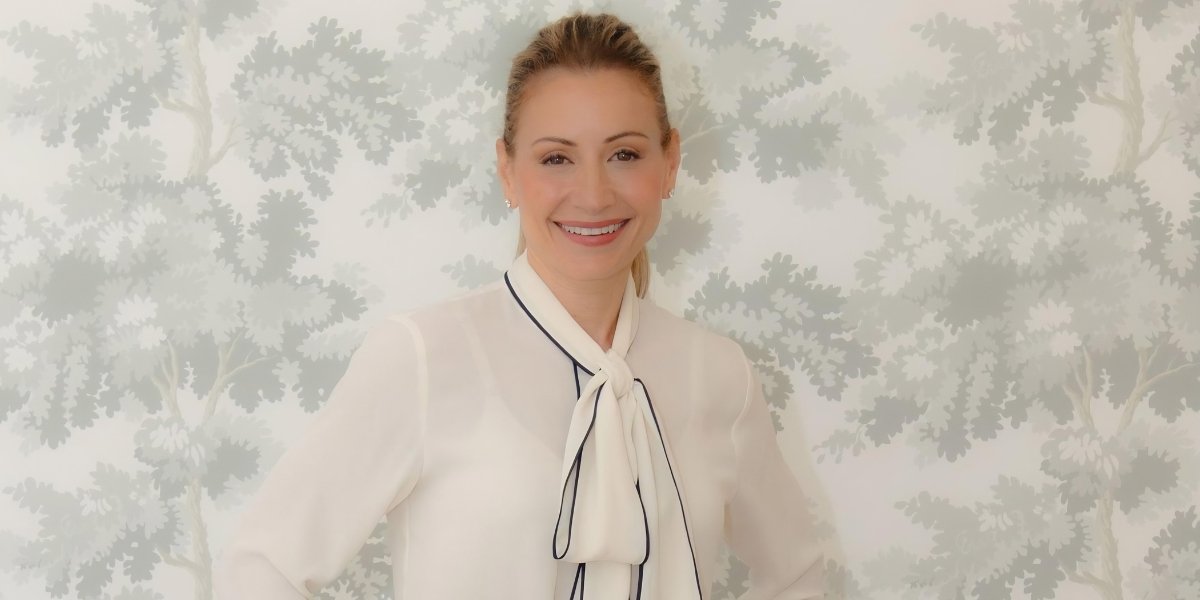
Paula Melo Doroff on When Professional Success Was No Longer Enough

Paula Melo Doroff knows that success and fulfillment are not always the same thing.

After spending two decades building a successful career on Wall Street, Paula achieved what many would consider the American Dream. She held leadership positions with Goldman Sachs, BlackRock, Morgan Stanley, and Ameriprise Financial, ultimately serving as Vice President of Investments.

By every external measure, Paula had succeeded.

She had the career, the accomplishments, and the financial security she had worked so hard to achieve.

Yet a quiet question continued to surface:

“Is this the life I am meant to live?”

What the world saw on the outside no longer fully reflected how she felt on the inside.

Instead of ignoring that question, Paula chose to answer it.

Today, as a keynote speaker, executive coach, and bestselling author of One Decision Away, she helps professionals, leaders, and individuals around the world navigate change, embrace reinvention, and create lives built on purpose, courage, and intentional decisions.

An Unlikely Beginning

Paula’s story began in Brazil.

Her birth mother was not part of her upbringing, and she never had the opportunity to know her father. Raised primarily by her grandmother during periods of financial hardship, she learned early that life does not always provide equal starting points.

When Paula immigrated to the United States, she arrived without speaking English and had to build a new life from the ground up.

The challenges were significant, but so was her determination. Rather than allowing her circumstances to define her future, she became determined to break the cycle of scarcity and create a different future for herself and those she loved.

Formal education was not always available to Paula growing up, which gave her a deep appreciation for learning. Throughout her career, she pursued industry certifications, sought mentors, and continuously invested in her own development.

She often told herself that even if she was not the smartest person in the room, she could be the most prepared and hardest working. That mindset helped open doors and shaped the trajectory of her career.

Building Her American Dream

Driven by a desire to build a different future for herself and her family, Paula poured herself into her education, career, and personal growth. She was determined to create opportunities that had once felt out of reach and build a life defined by possibility rather than limitation.

Over the course of two decades, she built a successful career with some of the world’s most respected financial institutions, including Goldman Sachs, BlackRock, Morgan Stanley, and Ameriprise Financial. Her work centered on helping clients make important financial decisions, navigate complexity, and build long-term strategies for their future.

Along the way, she received recognition including the Goldman Sachs Person of the Year Award, the BlackRock Impact Award, and the Heart of BlackRock Award.

By most standards, she had achieved everything she had set out to accomplish.

One Decision Changed Everything

Despite her accomplishments, Paula found herself confronting a realization that many high achievers eventually face: achievement and fulfillment are not always the same thing.

What energized her most was not helping people manage their investments. It was helping people navigate change, overcome challenges, make courageous decisions, and pursue what mattered most.

That realization led her to make one of the boldest decisions of her life: leaving a successful corporate career to pursue a more purpose-driven path.

It was also one of the best decisions she ever made.

Turning Purpose Into a Profession

What began as a personal turning point eventually became Paula’s mission.

Through Paula Doroff Enterprises, she now works with professionals navigating major life transitions.

Drawing on both her professional experience and personal journey, Paula helps clients gain clarity, align their actions with their values, and make the decisions necessary to create meaningful change.

That philosophy became the foundation of her bestselling book, One Decision Away, which teaches that transformation often begins with a single courageous choice.

More Than a Success Story

Paula’s work has been featured in MSN, Psychology Today, LA Weekly, NY Weekly Magazine, Voyage Minnesota, Huff Mag, and Disruptors Magazine.

Yet what resonates most with audiences is not her accomplishments.

It is her authenticity.

She understands what it feels like to overcome adversity, navigate uncertainty, reinvent yourself, and begin again.

Her clients often arrive feeling successful on paper but disconnected from what matters most. Through her coaching, speaking, and writing, Paula helps them reconnect with their vision and move forward with greater clarity and purpose.

The Life She Was Meant to Build

Today, Paula defines success differently than she once did.

Success is no longer measured solely by titles, income, or accomplishments. It is measured by alignment, impact, meaningful relationships, personal growth, and the courage to continue evolving.

In addition to her coaching and speaking work, Paula mentors young adults, supports military families and veterans, and participates in service projects that help families in need.

At the heart of everything she does is a simple belief:

No matter where you started, how successful you’ve become, or how long you’ve been on a particular path, it is never too late to reinvent yourself.

Sometimes the life you want is only One Decision Away.

Maryann Hesse Helps Women Trade Performed Confidence for Unshakable Presence

By: Olivia Smith

Women want to be seen. They want to be heard. They want to be fully expressed. Yet many spend years minimizing themselves, putting their desires aside, and seeking approval from everyone except the person whose opinion matters most, their own.

After more than three decades helping female executives, entrepreneurs, and professionals navigate leadership, life transitions, and personal transformation, Maryann Hesse has made it her mission to help women reconnect with their authentic power and become an unshakable presence in every area of their lives.

Hesse has developed a unique approach to leadership and personal transformation. As creator of the Authority Recalibration™ Method and Embodied Leadership™, Hesse combines decades of experience in coaching, subconscious release work, feminine presence training, and holistic wellness to help women become more confident, visible, and self-trusting.

Question: You Often Talk About Women Wanting To Be Seen, Heard, And Fully Expressed. Why Do You Think So Many Women Struggle With That?

Hesse: Many women have been conditioned to put everyone else’s needs ahead of their own. Over time, they stop trusting themselves and start looking outside themselves for approval. I see incredibly capable women holding back, making themselves smaller, and doubting their own voice. And here’s what I know: the body registers that disconnection long before the mind names it. My work helps them reconnect with their authentic power so they can be fully expressed in their lives and leadership.

Question: Was That Something You Experienced Personally?

Hesse: Absolutely. For much of my life, I was seeking approval, trying to please others, and putting everyone else’s needs ahead of my own. Looking back, much of that stemmed from my relationship with my mother. At the time, I was a teacher, my marriage was ending, and my life simply wasn’t working. I left Iowa for Arizona, hoping for a fresh start, not realizing it would change everything.

Question: What Happened After You Moved To Arizona?

Hesse: Shortly after I arrived, I experienced a health collapse that changed everything. One morning, I woke up and couldn’t stand upright. I literally had to crawl from room to room. That experience led me into nutrition, fitness, energy healing, and personal transformation work. More importantly, it confirmed something I now teach every woman I work with: the body knows before the mind does.

Question: Your Healing Journey Led You To Explore Many Different Paths. What Experiences Shaped The Perspective You Bring To Your Work Today?

Hesse: What began as a search for answers about my health turned into a lifelong exploration of healing, personal growth, and human potential. I studied nutrition and became a nutritional consultant, earned certifications in personal fitness training and Reiki, practiced Transcendental Meditation, and later trained in modalities including the Art of Feminine Presence®, Chakradance™, transformational coaching, and subconscious release work.

Along the way, I learned to trust my body’s wisdom and follow what felt like an authentic “yes.” A defining chapter was my decade with the Amazon Herb Company, where I partnered with the Shipibo people of Peru, helping bring plant-based wellness solutions to thousands worldwide while supporting conservation efforts that protected over a million acres of Amazon rainforest.

But what stayed with me most wasn’t the scale of the work. It was watching people who had never been taught to doubt themselves. The Shipibo lived in complete alignment with their environment, their community, and their own inner knowing. That’s exactly what I now help women rediscover, not as something new, but as something they never should have lost.

Question: You Spent Years Working With Indigenous Communities In Peru. What Did That Experience Teach You?

Hesse: The indigenous peoples I met had a deep connection to nature, each other, and themselves. I saw a level of presence and connection that stayed with me. It reinforced something I was already beginning to understand through my own healing journey. Wisdom doesn’t always come from doing more. Sometimes it comes from becoming still enough to hear what is already there.

Question: Was There A Moment From Those Experiences That Has Stayed With You?

Hesse: Standing at the top of Wayna Picchu, I heard the words, “I’ve got your back.” I started sobbing because I realized no one had ever truly had my back before. It was a profound moment in my life. Looking back, it was the beginning of understanding that real safety doesn’t come from other people. It comes from within.

Question: What Did That Moment Teach You About Yourself?

Hesse: It taught me that safety doesn’t come from other people, circumstances, or achievements. For years, I had been looking outside myself for approval and validation. Standing there, I realized that the security I had been searching for was never outside me. That understanding became one of the foundations of my work, and the reason I can now help other women find it too.

Question: How Did Those Experiences Eventually Lead To Embodied Leadership™?

Hesse: Over the years, I saw the same pattern again and again. Women who were capable, accomplished, and respected were still looking outside themselves for permission to trust what they already knew. Embodied Leadership™ was created to change that. To help women develop the kind of inner stability that doesn’t waver when in a high-stakes room.

Question: You Spoke At The Empower Your Potential Online Summit This Past June. What Did Women Comment That They Took Away From Your Presentation, Your Presence Is Your Power?

Hesse: They really “got” that they don’t have to perform, prove, or seek permission to be powerful. When a woman trusts herself and fully expresses who she is, her presence changes, and everything around her responds to that. The women left knowing their power isn’t something they have to earn, it’s something they can embody. Women need to be fully expressed to be fulfilled, and the world needs every woman’s gift.

To learn more about Maryann Hesse and her work helping women cultivate self-trust, inner stability, and unshakable presence, visit www.maryannhesse.com or connect with her on LinkedIn.

Faith, Resilience, and Purpose in Cynthia Blagmon’s Journey to Support Others

Some women are remembered for the businesses they build. Others are remembered for the lives they aim to support. Cynthia Blagmon has dedicated her life to both.

A businesswoman, author, mother, grandmother, and community leader, Cynthia’s story is one of perseverance, steady faith, and a commitment to helping others explore their own potential. Every chapter of her journey reflects a simple yet meaningful belief: your circumstances do not determine your destiny.

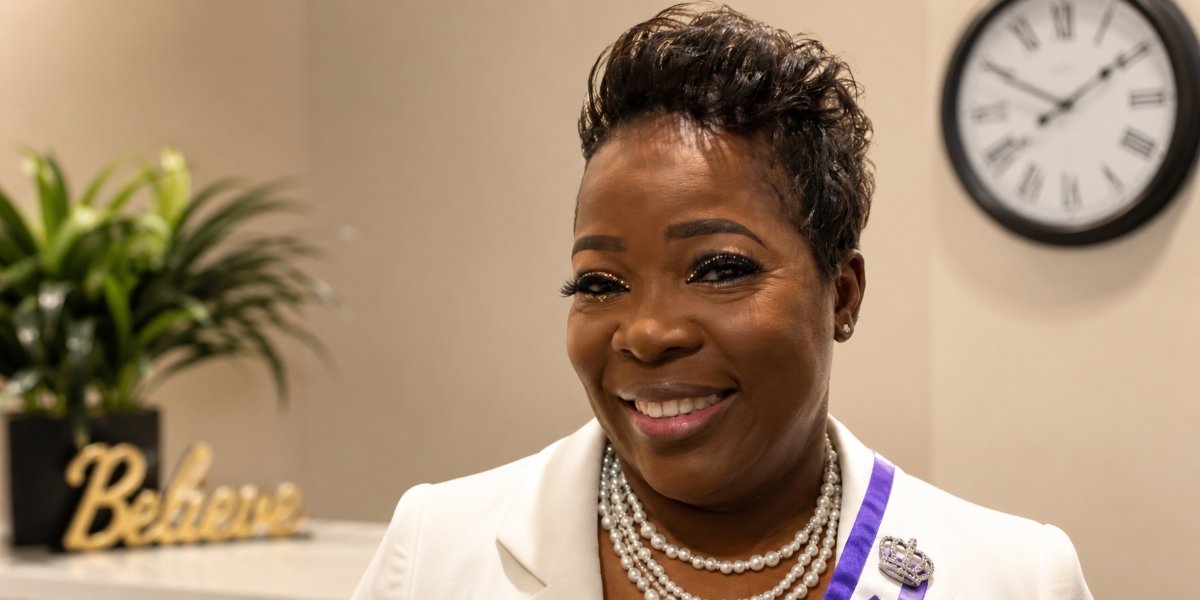
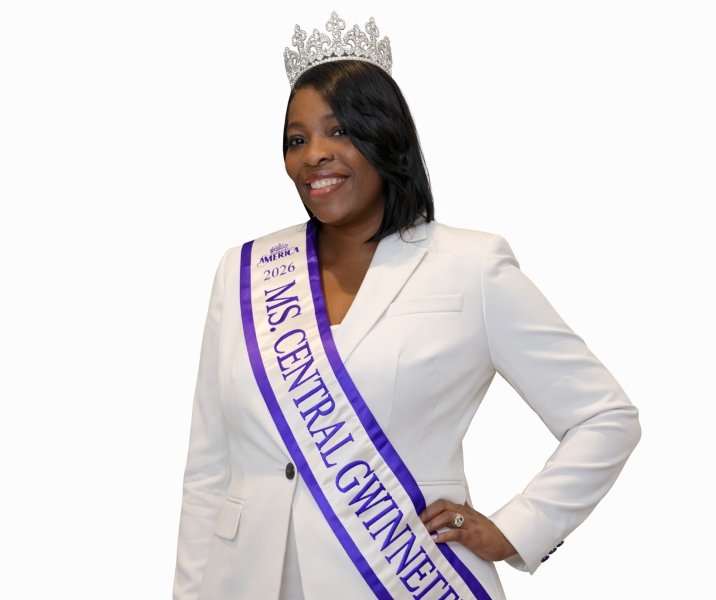
Today, Cynthia proudly serves as Miss Central Gwinnett Corporate America Georgia, representing women who lead with integrity, serve with compassion, and inspire positive change within their communities. Yet, for Cynthia, the title is simply another opportunity to fulfill a broader purpose.

“I don’t define myself by titles,” she says. “I define myself by the lives I touch, the people I encourage, and the legacy I leave behind.”

Those words have become the foundation of everything she does.

As the owner of a full-service tax business, Cynthia has spent years supporting individuals and families as they work to better understand their financial future. She believes financial education is a valuable gift a person can receive because it can create opportunities that extend beyond a single tax season. Through her work, she aims to help clients make informed financial decisions, work toward stability, and consider ways to build long-term financial security.

Photo Courtesy: Janella Rose

For Cynthia, entrepreneurship has never been solely about owning a business; it has always been about serving people.

Her passion for supporting others extends beyond the financial world. As a two-time published author and contributing author in an Amazon bestselling anthology alongside sixteen accomplished writers, Cynthia has embraced the power of storytelling to encourage others who may be facing life’s difficult challenges.

Her message is both personal and universal.

Life can present obstacles, disappointments, and moments of uncertainty. But many setbacks can carry the potential to become the foundation for something new when met with faith, perseverance, and determination.

Throughout her journey, Cynthia has remained committed to uplifting others. Whether mentoring aspiring entrepreneurs, volunteering within her community, or simply encouraging someone who feels like giving up, she believes leadership begins with service.

“Leadership isn’t about being in front,” Cynthia explains through her example. “It’s about lifting others as you climb.”

As a mother and grandmother, she understands that true legacy is measured not by personal accomplishments, but by the values passed from one generation to the next. Integrity, compassion, faith, and resilience are principles she strives to model every day.

Her steady faith has guided her through both victories and challenges, teaching her that difficult seasons can sometimes prepare us for new opportunities ahead. Rather than allowing adversity to define her, Cynthia has chosen to let it strengthen her resolve and deepen her purpose.

Today, she continues to encourage women to believe in themselves, pursue their dreams, and embrace every opportunity for growth. Her journey serves as a reminder that success is not reserved for the fortunate; it can be shaped by courage, perseverance, and a resilient spirit.

As Women’s Journal celebrates women making a meaningful difference in their families, businesses, and communities, Cynthia Blagmon stands as an example of servant leadership in action.

Her story is still being written, but her message remains steadfast:

Never stop believing in yourself. Never stop growing. Never underestimate what may be possible when faith, determination, and purpose come together.

For Cynthia Blagmon, every challenge has become another opportunity to inspire hope, and every success has become another reason to help someone else rise.