Women's Journal

NHS Guidance Calls for PMOS Checks in Women


 

PMOS checks could become more consistent under new draft guidance from the National Institute for Health and Care Excellence, which calls for closer assessment of women and girls with irregular periods, hormone-related symptoms, and related long-term health risks. The guidance is still under consultation, with final publication scheduled for December 2026.

Key Takeaways

  • NICE draft guidance calls for PMOS checks in people aged 10 and over with suspected symptoms.
  • PMOS is the new name for polycystic ovary syndrome, previously known as PCOS.
  • Irregular periods, androgen-related symptoms, and metabolic health concerns are central to the guidance.
  • NICE recommends annual reviews for people diagnosed with PMOS.
  • The draft consultation runs from July 1 to August 11, 2026.

PMOS, or polyendocrine metabolic ovarian syndrome, is the newer name for the condition long known as polycystic ovary syndrome. The name change was formally introduced in May 2026 after international medical groups said the older term placed too much emphasis on ovarian cysts and did not fully describe the condition’s endocrine and metabolic features.

The National Institute for Health and Care Excellence, known as NICE, has now published draft guidance on PMOS for consultation. The draft runs from July 1 to August 11, 2026, with final guidance expected on December 9, 2026.

The timing matters because PMOS is common, often misunderstood, and frequently discussed only through reproductive symptoms. The Endocrine Society said on May 12, 2026, that PMOS affects 1 in 8 women, or more than 170 million women worldwide. It also described the condition as involving hormonal fluctuations that may affect weight, metabolic health, mental health, skin, and the reproductive system.

For patients in the United States, the NHS guidance is not a domestic medical rule. Still, it may influence public discussion because NICE guidance is widely read by clinicians, researchers, and health policy observers. It also gives patients a clearer way to understand why the PCOS name change is not simply a language update.

When Should PMOS Be Checked?

NICE says PMOS should be considered in people aged 10 and over when menstrual cycle changes or signs of androgen excess are present. The draft guidance identifies irregular, infrequent, very long, very short, or absent periods as possible reasons for assessment, depending on age and stage of menstrual development.

That point is important because irregular periods can be explained away as stress, age, weight change, or normal variation. The draft does not say every irregular cycle means PMOS. It instead gives clinicians a more defined reason to ask further questions and consider testing.

Signs linked to higher androgen activity may include acne, excess facial or body hair, scalp hair thinning, or other visible symptoms. NICE also recommends blood testing for hyperandrogenaemia in suspected PMOS unless hormonal medication could affect the result.

The NHS website lists three main features associated with PCOS, now PMOS: irregular periods, excess androgen, and polycystic ovaries. It notes that two of the three features may be enough for diagnosis. The newer name, PMOS, reflects that the condition is not defined only by the appearance of the ovaries.

What Would Annual PMOS Reviews Cover?

NICE recommends that people aged 10 and over with diagnosed PMOS be offered an annual review. The review would cover symptoms, concerns about menstrual regularity, fertility, weight, mood, sleep apnoea, and medicine use.

It would also assess longer-term risks, including diabetes and cardiovascular disease. The draft guidance does not state that every person with PMOS will develop these conditions. It places them in the category of health risks that may need monitoring over time.

That approach would move care beyond a single diagnosis. For some patients, PMOS symptoms change across adolescence, adulthood, pregnancy planning, and midlife. A yearly review could create a routine point for discussing menstrual changes, skin symptoms, fertility questions, metabolic health, and emotional well-being.

The cardiovascular piece is especially relevant as women’s health research continues to examine how hormonal and metabolic changes affect long-term care. Broader discussion of heart health risks has also placed more attention on earlier screening and risk conversations for women at different life stages.

NICE also tells clinicians to ask permission before discussing sensitive topics, including weight, menstrual cycles, hair growth, body image, pregnancy, fertility, contraception, and psychosexual function. That wording reflects a practical issue in care. Patients may avoid appointments or withhold concerns when discussions feel rushed, narrow, or judgmental.

How Does The PMOS Name Change Affect Patients?

The PMOS name change does not mean patients have a new disease. It means the medical language is shifting to better describe a condition already known to involve more than ovarian cysts.

“Polyendocrine” points to the role of multiple hormones. “Metabolic” points to links with insulin resistance and related health concerns. “Ovarian” keeps the reproductive connection without making cysts the defining feature.

The Endocrine Society said more than 50 patient and professional organizations took part in the naming process. Professor Helena Teede, who led the process, said the older name contributed to misunderstanding because there is “no increase in abnormal cysts on the ovary” and because diverse features of the condition were often not recognized.

For patients, the change may affect medical forms, patient education materials, clinic conversations, and search terms. Many records will still use PCOS while newer materials use PMOS. Doctors may use both terms during the transition so patients can connect older diagnoses with updated guidance.

Frequently Asked Questions

What Is PMOS?

PMOS stands for polyendocrine metabolic ovarian syndrome. It is the new name for polycystic ovary syndrome, previously known as PCOS. The updated name reflects the condition’s hormonal, metabolic, and ovarian features.

Is PMOS Different From PCOS?

No. PMOS is the updated name for the same condition. The change was made because medical groups said PCOS placed too much focus on cysts and did not fully describe the broader endocrine and metabolic features.

What Symptoms May Lead To PMOS Checks?

Possible reasons for PMOS assessment include irregular or absent periods, acne, excess facial or body hair, scalp hair thinning, and signs linked to higher androgen levels. Clinicians may also consider metabolic health, fertility concerns, mood, and sleep symptoms.

Disclaimer:
This article is for general informational purposes only and is not intended as medical advice, diagnosis, or treatment. Readers should consult a qualified healthcare professional for guidance about PMOS, symptoms, testing, treatment options, or any personal health concerns. Medical guidance may vary by country, healthcare system, and individual circumstances.


Tranquility & Transformation: How Tranquil Touch Massage & Bodyworks Is Rewriting Wellness in Memphis

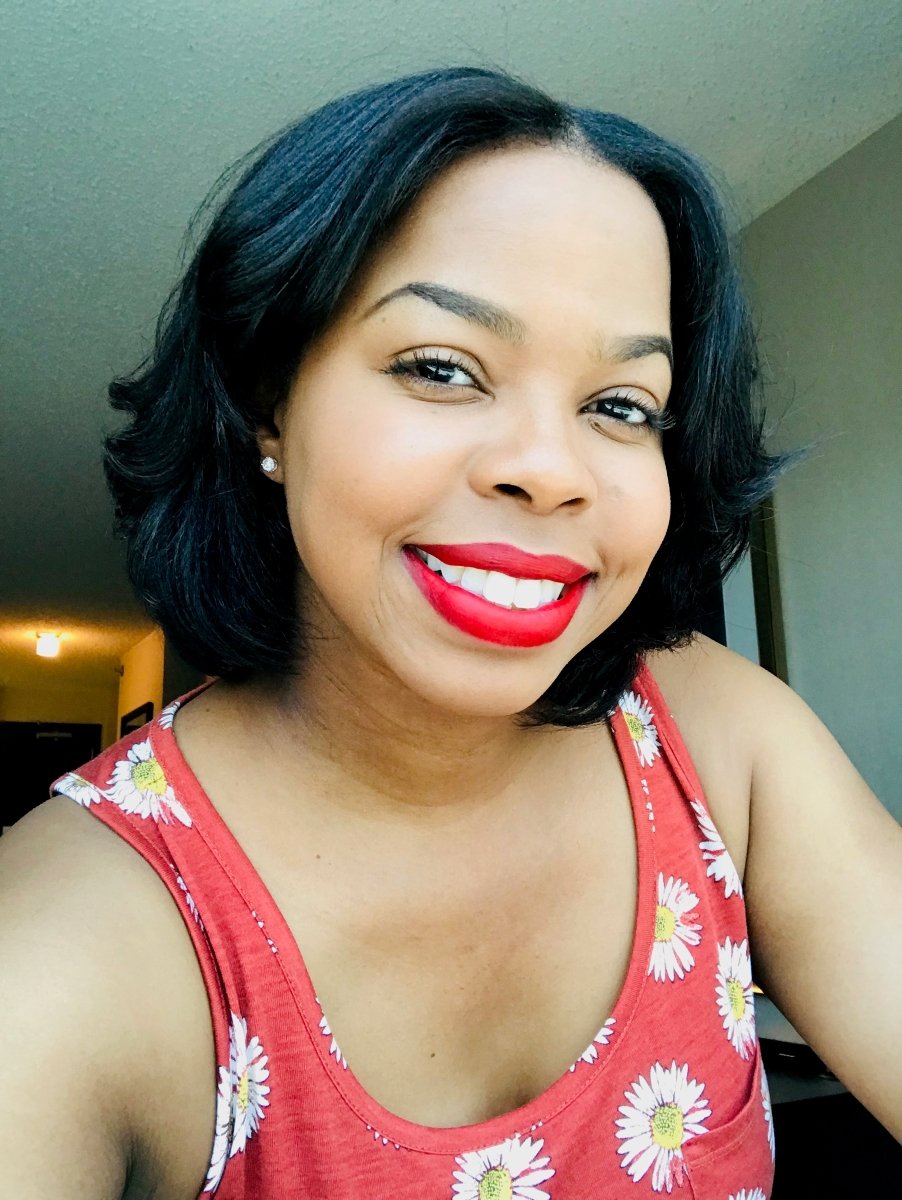
Memphis, Tennessee – In the heart of the city’s Poplar Avenue corridor, a quiet enclave of healing is earning attention for something deeper than pampering. Tranquil Touch Massage & Bodyworks, owned and led by licensed massage therapist Corlis Armmer, has built a reputation for sessions that don’t just relax the body for an hour, but help people live differently when they walk back into their lives. The studio’s calm lighting, warm textures, and unhurried pace set off the tone, yet it’s Armmer’s thoughtful practice, equal parts seasoned technique and sincere listening, that keeps clients returning and referring friends.

From the first conversation, Armmer treats massage as a collaboration. She asks about pain patterns, sleep, work posture, sports routines, pregnancy changes, and daily stressors, not to fill out a form, but to understand what the body has been carrying and why. With that context, she blends modalities tailored to each person’s goals. A client with keyboard-tight shoulders might receive a sequence of Swedish therapeutic massage to restore circulation, precise trigger-point work to release knots, and cupping to free stuck fascia. An athlete rehabbing after a strain could see elements of sports massage and assisted range-of-motion techniques woven in. Prenatal clients experience gentler, supportive work designed to ease lower-back pressure, reduce swelling, and encourage rest. For those seeking deeper decompression, hot stones and gua sha may enter the mix to invite tissue to soften without forcing it.

Tranquility & Transformation: How Tranquil Touch Massage & Bodyworks Is Rewriting Wellness in Memphis

Photo Courtesy: Corlis Armmer

What makes the experience feel different is the studio’s ethos: the body isn’t a machine to be “fixed,” it’s a living system that responds to care, attention, and time. Armmer moves with focus, adjusting pressure and pacing the person on the table rather than to a preset routine. She checks in, listens, and adapts. Clients frequently describe not only immediate relief, but steadier posture, deeper sleep, and a clearer mind in the days after a session. The result is less a luxury and more a reset one that restores agency over how you sit, move, and breathe.

Memphis’s rhythm infuses the practice as well. In a city where long shifts, creative hustle, and family responsibilities often collide, Tranquil Touch has become a sanctuary for teachers, nurses, entrepreneurs, touring musicians, and weekend runners alike. The schedule is intentionally appointment-only to respect real lives and real calendars, and follow-ups are framed as part of a wellness plan rather than a sales pitch. Packages exist, but the emphasis is on sustainable care: the right frequency, the right duration, and the right mix of techniques for the season you’re in.

Community is not a marketing slogan here; it’s the backdrop. Armmer partners informally with local circles of runners, yoga practitioners, and small-business owners, encouraging people to view massage as one spoke of a wheel that includes movement, hydration, and sleep. Her own professional development, ongoing education in therapeutic methods, and bodywork science mirror that message of growth. When she talks about future plans, she mentions posture and mobility workshops, corporate wellness visits, and prenatal group sessions as natural extensions of work already happening one-on-one in the studio.

The space itself reinforces the practice of philosophy: simple, uncluttered, and intentional. Aromatherapy is present but never overwhelming; music is selected to settle the nervous system rather than to distract it. Clients are encouraged to arrive a few minutes early to let the mind catch up with the body, and afterward transition slowly with water and a brief aftercare guide. Those pacing matters. It honors the nervous system’s timeline for shifting out stress and rest.

Stories from clients illuminate the difference. A designer who once woke nightly with neck pain now sleeps through and notices fewer headaches at her screen. A weekend basketball player regained hip mobility and cut down post-game stiffness. A new mother felt grounded in her changing body and left sessions with practical tips for safe stretches between appointments. These are not medical claims; these are the lived experiences shared by people who found relief when they needed it most. The common thread in their feedback is the sense that someone is paying precise attention, and that attention unlocks change.

There is also an artistry to the way Armmer sequences a session. She will often start with broad, gentle passes to let the tissue “listen,” then narrow into focused work where the body has been guarding. Pressure is patient; depth is earned. If the tissue grips, she backs out and reroutes rather than forcing through. If breath is shallow, she pauses and invites a longer exhale. The goal is not to win a battle with a knot; it’s to help the body decide if it is safe to let go.

In a wellness landscape that can feel transactional, with quick appointments, templated routines, and upsells, Tranquil Touch stands out for its presence. Each session is a fresh conversation with the body in front of her, supported by skill, informed by experience, and guided by calm. That approach resonates in Memphis, where resilience and reinvention are daily realities. People arrive carrying tension from long weeks, creative deadlines, caregiving, and training cycles. They leave carrying themselves differently.

As Tranquil Touch continues to evolve under Corlis Armmer’s stewardship, the vision is steady: broaden access to high-quality bodywork without diluting its soul. That may mean more education offerings, deeper partnerships with local organizations, and creative ways to help people maintain progress between appointments. But the center will remain in the same quiet rooms, attentive hands, and a belief that wellness is not a splurge; it’s a foundation.

For those seeking relief that lasts beyond the hour, Tranquil Touch Massage & Bodyworks invites you back to ease. It is a place where the volume of everyday life turns down, where the body remembers its own fluency, and where healing is not a mystery but a method of patient, intentional, and within reach.

Book a massage with Tranquil Touch Massage and Bodyworks | Memphis TN 38111

The Enduring Elegance of Diamond Cross Pendants: Faith, Fashion, and Fine Jewelry

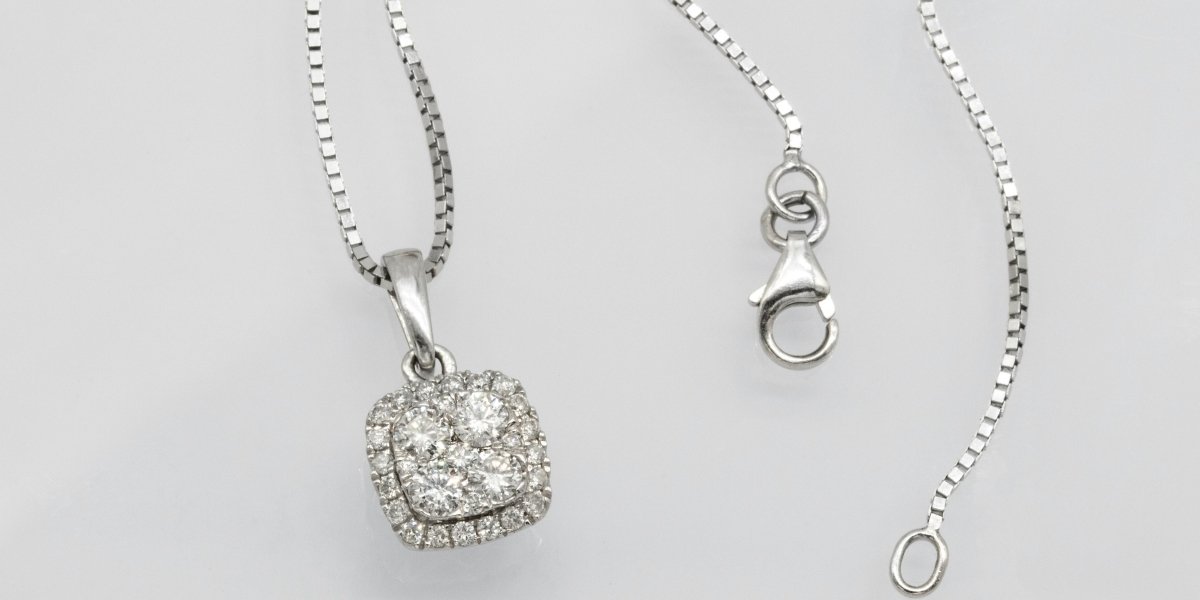
Few pieces of jewelry manage to occupy the rare intersection of deep personal meaning and timeless aesthetic appeal quite like the diamond cross pendant. Whether worn as a declaration of faith, a cherished heirloom, or a statement of refined style, this iconic piece has endured across centuries, cultures, and fashion movements. Today, it remains one of the most sought-after fine jewelry items in the world, and for very good reason.

A Symbol That Transcends Time

The cross is one of humanity’s oldest and most universally recognized symbols. Long before it became a staple of fine jewelry, it carried profound spiritual and cultural weight across civilizations. When diamonds, the hardest and most brilliant of all gemstones, were introduced into cross designs, the result was something extraordinary: a piece that combined spiritual devotion with the ultimate expression of luxury and permanence.

Diamonds themselves have a storied history that stretches back thousands of years. Revered by ancient cultures as fragments of stars or tears of the gods, they have always been associated with strength, purity, and eternal love. When set into a cross pendant, they amplify the symbol’s meaning, transforming it into something that feels both sacred and spectacular. It is no surprise that diamond cross pendants have been worn by royalty, clergy, and fashion icons alike throughout history.

The Craftsmanship Behind the Brilliance

Creating a truly exceptional diamond cross pendant requires a level of craftsmanship that goes far beyond simply setting stones into metal. Every element, from the choice of diamond cut to the type of metal used in the setting, contributes to the final piece’s character and quality. Master jewelers must balance structural integrity with visual elegance, ensuring that each diamond is positioned to maximize light reflection while maintaining the pendant’s overall symmetry.

Diamond Cuts and Their Impact on Design

The cut of a diamond is arguably the most important factor in determining its brilliance. Round brilliant cuts are the most popular choice for cross pendants, offering maximum sparkle and a classic appearance. However, princess cuts, baguette cuts, and cushion cuts each bring their own distinct personality to the design. Baguette diamonds, for instance, lend a sleek, architectural quality to a cross pendant, while cushion cuts offer a softer, more romantic aesthetic. The choice of cut ultimately reflects the wearer’s personal style and the intended occasion for the piece.

Metal Settings: Gold, Platinum, and Beyond

The metal chosen for a diamond cross pendant plays an equally important role in the overall design. White gold and platinum are perennial favorites, as their cool tones complement the icy brilliance of diamonds without competing for visual attention. Yellow gold, on the other hand, creates a warmer, more traditional look that evokes a sense of heritage and timelessness. Rose gold has surged in popularity in recent years, offering a romantic and contemporary alternative that pairs beautifully with both white and champagne-colored diamonds. Each metal choice tells a different story and suits a different wearer.

Why Diamond Cross Pendants Remain a Wardrobe Essential

In an era of fast fashion and fleeting trends, the diamond cross pendant stands apart as a piece that never goes out of style. Its versatility is unmatched; it can be layered with other necklaces for a contemporary, editorial look, or worn alone as a singular, elegant statement. It transitions effortlessly from casual daywear to formal evening attire, making it one of the most practical investments in fine jewelry.

Beyond aesthetics, the diamond cross pendant carries emotional resonance that few other jewelry pieces can match. It is frequently chosen as a gift for significant life milestones, confirmations, graduations, anniversaries, and milestone birthdays. Its dual nature as both a spiritual symbol and a luxury object makes it a deeply meaningful gift that recipients often treasure for a lifetime. Many families pass diamond cross pendants down through generations, adding layers of personal history and sentimental value to an already precious object.

The Role of Branding and Visibility in Fine Jewelry

In today’s competitive luxury market, the way a jewelry brand presents itself is just as important as the quality of its pieces. Consumers are increasingly discerning, and they expect the brands they invest in to communicate authenticity, expertise, and a compelling story. As explored in this insightful piece on why PR is essential for jewelry businesses, effective public relations and brand storytelling are critical tools for fine jewelry companies looking to build lasting relationships with their customers. A beautiful piece of jewelry deserves to be seen, and the right brand narrative ensures that it is.

Understanding Diamond Value: What Makes a Stone Truly Exceptional

Not all diamonds are created equal, and understanding what separates an ordinary stone from an extraordinary one is essential knowledge for any serious jewelry buyer. The traditional four Cs, cut, color, clarity, and carat weight, provide a useful framework, but experienced buyers know that the interplay between these factors is what truly determines a diamond’s character. A slightly lower-carat-weight diamond with exceptional cut and clarity will often outshine a larger stone with poor proportions and visible inclusions.

For those curious about the broader world of precious gemstones and how diamonds compare to some of the rarest and most valuable stones on earth, this comprehensive guide to extraordinary gems from Britannica offers a fascinating perspective on the remarkable diversity of the gemstone world. Understanding where diamonds sit within this broader context only deepens one’s appreciation for their enduring appeal.

Leon Diamond: A Trusted Source for Exceptional Diamond Cross Pendants

When it comes to sourcing a diamond cross pendant of genuine quality and distinction, the jeweler you choose matters enormously. Leon Diamond has built a well-deserved reputation for offering meticulously crafted fine jewelry that combines superior diamond quality with elegant, thoughtful design. Their collection reflects a deep understanding of what customers seek in a meaningful piece: brilliance, durability, and a design that honors the symbol’s significance without sacrificing contemporary appeal. Whether you are purchasing for yourself or selecting a gift for someone special, their expertise and commitment to quality make the process both reassuring and rewarding.

Finding the Right Piece for Every Occasion

Choosing the right diamond cross pendant involves more than selecting the most visually striking option. Consider the recipient’s personal style, the occasions on which the piece will be worn, and the overall aesthetic of their existing jewelry collection. A delicate, pavĂ©-set cross in white gold suits someone who prefers understated elegance, while a bold, channel-set design in yellow gold makes a more confident statement. The beauty of this jewelry category is that there is genuinely something for every taste and every budget.

A Lasting Investment in Beauty and Meaning

Ultimately, a diamond cross pendant is far more than a decorative accessory. It is an investment in quality, in meaning, and in a piece of jewelry that will remain relevant and cherished long after passing trends have faded. The combination of diamonds’ unmatched brilliance and the cross’s profound symbolic weight creates something genuinely rare in the world of fashion: a piece that is simultaneously timeless and deeply personal. For those who understand the value of fine jewelry that endures, the diamond cross pendants available through Leon Diamond represent exactly the kind of thoughtful, lasting investment that rewards its owner for years to come.

Whether you are drawn to the spiritual significance, the aesthetic brilliance, or the enduring value of fine diamonds, a diamond cross pendant offers all of these qualities in a single, elegant piece. It is jewelry that speaks quietly but says everything.

Reaching New Heights: How Mechanical Excellence Defies Economic Gravity And Glass Ceilings

By Matteo Valléro

From strategic internationalization and a “homemade” ecological transition to female leadership: the Palazzani Industrie case study featured on my podcast ‘Challenge’.

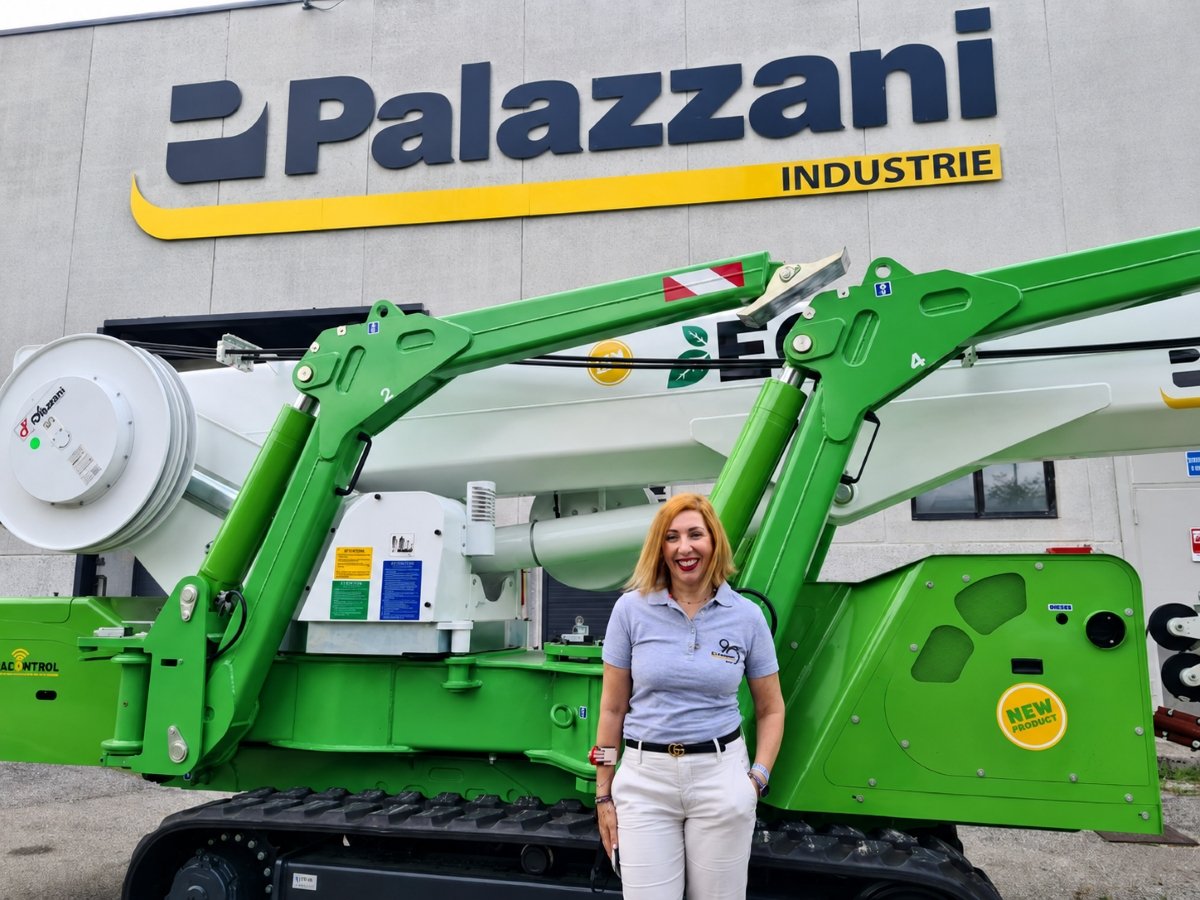
In the countryside of Lombardy, where mechanics, steel, and precision have shaped generations of industrial work, Palazzani Industrie has built its story around a simple but demanding purpose: helping people work safely at height. The company’s machines are designed for places where access is difficult, space is limited, and reliability matters every day.

That mission was highlighted in a recent episode of the podcast Challenge on Amazon Music, where renowned editorialist and columnist Matteo Valléro spoke with Paola Palazzani, CEO of Palazzani Industrie. Their conversation offered a closer look at the company behind tracked aerial platforms, often known as spider lifts, and the values that continue to guide its international growth.

An Engineering Company With A Global Outlook

Palazzani Industrie is known for tracked aerial platforms that support work in complex environments, including construction, maintenance, restoration, and indoor operations. Its equipment is designed to help operators reach elevated areas while maintaining stability, flexibility, and safety across different job site conditions.

The company’s development reflects more than technical progress. It also shows how a family business can grow beyond its original market while preserving the discipline and identity that shaped its early years. International expansion requires more than ambition. It requires careful adaptation, strong product knowledge, and the ability to respond to different technical expectations in different regions.

For companies that produce heavy machinery, every market can bring its own requirements. Safety standards, operator expectations, service needs, and regulatory frameworks may vary from one country to another. Palazzani Industrie’s approach has been to treat these differences as part of the work rather than as obstacles to growth.

One important part of that strategy is the company’s relationship with local partners. Rather than relying only on sales distribution, Palazzani Industrie emphasizes training, technical support, and long-term collaboration. This helps local teams understand the equipment, support customers after purchase, and represent the company with accuracy in their own markets.

Sustainability Through Practical Choices

Sustainability has become an important topic across the machinery and construction industries. For Palazzani Industrie, the conversation is closely connected to practical engineering decisions. The company has developed hybrid and electric options for certain models, allowing equipment to operate in environments where lower emissions, reduced noise, or indoor use may be important.

This practical approach is especially relevant for projects in sensitive locations, including indoor maintenance, restoration settings, and areas where traditional fuel-powered equipment may not be suitable. By offering different operating options, the company can support customers who are working through the transition toward cleaner and more flexible equipment.

The company has also focused on improving efficiency within its own operations. Energy-saving systems, attention to resource use, and responsible testing processes reflect a broader effort to make sustainability part of daily production rather than a separate public message.

At the same time, Palazzani Industrie recognizes that different regions move toward sustainability at different speeds. Some markets are already investing heavily in electric and hybrid fleets, while others continue to rely on more traditional equipment due to infrastructure, cost, or local operating conditions. This balanced view allows the company to offer solutions that respond to current needs while preparing for future expectations.

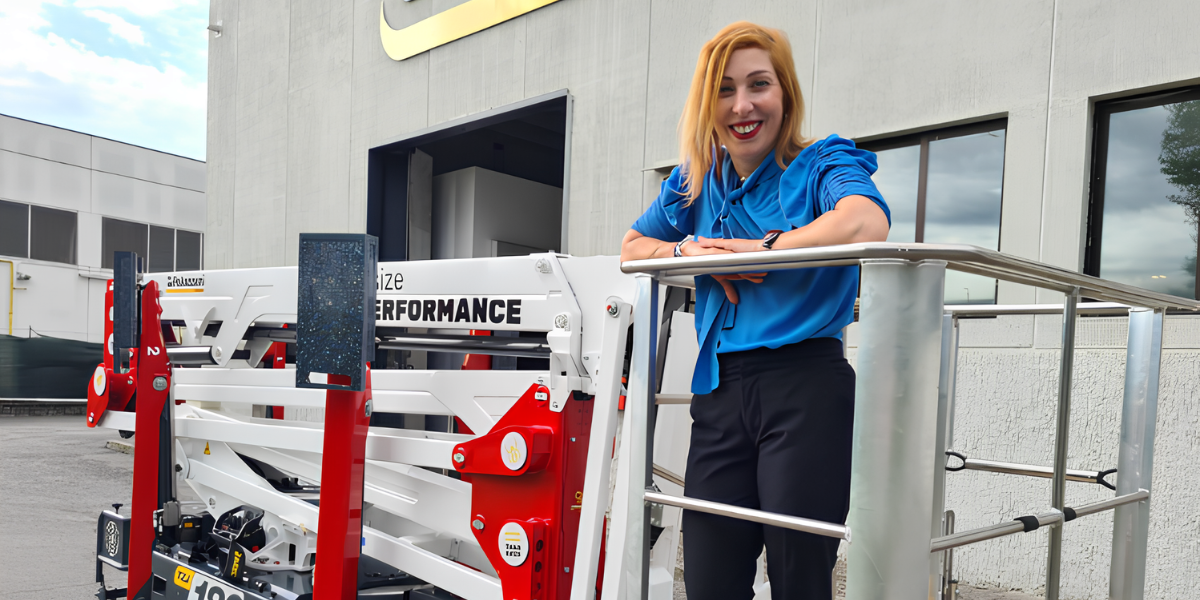
Photo Courtesy: Paola Palazzani

Leadership In A Traditional Industry

The conversation with Paola Palazzani also brought attention to leadership in a field that has historically been male dominated. Heavy engineering, machinery production, and industrial sales have often been environments where women had to work harder to be recognized for their technical knowledge and decision-making ability.

Paola’s experience reflects the importance of competence, persistence, and credibility. Her leadership shows that progress in traditional industries does not always come from slogans. It often comes from consistent performance, earned trust, and the willingness to challenge outdated assumptions through daily work.

Inside companies like Palazzani Industrie, leadership is not only measured by titles. It is reflected in how teams make decisions, support customers, solve problems, and prepare for change. The company’s story offers a reminder that industrial progress is shaped by people as much as machines.

Lessons For Growing Businesses

For entrepreneurs and established companies alike, Palazzani Industrie’s journey offers several practical lessons. Growth is strongest when it is built step by step. International expansion becomes more sustainable when a company understands local markets instead of forcing one approach everywhere. Innovation is most useful when it solves real problems for customers.

The company’s experience also shows the value of surrounding a business with capable people who can support the mission while offering honest feedback. In technical industries, progress depends on precision, but it also depends on humility. Companies must be willing to learn from customers, partners, and the demands of each new market.

Palazzani Industrie’s work continues to reflect a combination of engineering discipline, practical sustainability, and human leadership. Its machines may be built to lift people into hard-to-reach places, but the larger story is about how a company can rise carefully, responsibly, and with a clear sense of purpose.

For those interested in learning more about the company’s journey, the conversation between Matteo Valléro and Paola Palazzani on Challenge podcast offers a thoughtful look at Italian engineering, international growth, and the people behind industrial innovation. More information about Palazzani Industrie, its equipment, and its ongoing work can be found at palazzaniindustrie.com, with company updates also available through its LinkedIn page.