Women's Journal

IOC’s New Rule on Transgender Women at Olympics Sparks Global Debate

The International Olympic Committee (IOC) has introduced a new policy that prohibits transgender women from competing in women’s Olympic events starting with the 2028 Games in Los Angeles. The policy, which has generated significant attention, aims to address the balance between competitive fairness and inclusion in elite sports.

New Eligibility Criteria for Women’s Olympic Events

Under the updated framework, transgender women will need to undergo a genetic screening to determine eligibility for women’s events. This screening will test for the presence of the SRY gene, a key biological marker that determines male sex. This marks a departure from earlier IOC guidelines that focused on hormone levels and transition timelines.

The decision to use genetic testing as the determining factor for eligibility has raised concerns within some quarters of the scientific community, particularly with respect to athletes who have differences in sex development (DSD). These conditions, which include variations in chromosomes or hormone levels, may not fit neatly into the IOC’s new framework.

While the IOC has stated that the new policy is intended to ensure fairness in women’s events, critics argue that it could disproportionately exclude athletes who may not fit the genetic criteria. Human rights organizations have questioned whether the policy is fair to transgender women and whether it violates international rights norms.

Mixed Reactions from Sports and Advocacy Groups

The new rule has received mixed reactions from various sports organizations, legal experts, and advocacy groups.

On one hand, the policy has been welcomed by some segments of the sports community who view it as a way to ensure fairness in female competition. Supporters argue that it is necessary to address the physiological differences between transgender women and cisgender women, particularly in events where physical attributes such as strength and endurance are critical factors in success.

However, many human rights groups have expressed concerns about the policy, calling it discriminatory and exclusionary. These groups argue that genetic screening may lead to the marginalization of transgender athletes and further complicate the issue of inclusion in competitive sports. Additionally, the policy has raised questions about the IOC’s commitment to human rights and whether it will create legal challenges in countries with strong transgender protections.

Legal and International Reactions to the Policy

The IOC’s new rules have sparked discussions among national Olympic committees and legal experts worldwide. Several Olympic committees have indicated that they will need to review the new policy and its implications for athletes in their respective countries.

In regions with well-established transgender rights protections, the IOC’s new policy could face resistance. Legal scholars suggest that the ruling may be challenged in countries that guarantee non-discrimination based on gender identity, potentially leading to conflicts over the enforcement of the policy.

The legal landscape surrounding the participation of transgender athletes in sports remains a complex and evolving issue. Advocates for transgender rights have raised concerns that the IOC’s policy could create further division and legal uncertainty, particularly in jurisdictions where transgender people have legal protections.

Impact on Transgender Athletes and Olympic Qualification

For transgender athletes, the new IOC policy introduces additional barriers to participating in the Olympics. The requirement for genetic testing may exclude athletes who had previously competed under the previous guidelines, potentially leaving them without the ability to qualify for women’s events.

Some athletes have expressed frustration with the policy, arguing that it adds unnecessary hurdles to their participation in the Games. Others, however, have indicated that they will comply with the new criteria, seeing it as a means to ensure their participation in women’s sports at the highest level.

While the full impact of the policy on transgender athletes remains to be seen, analysts note that the new rules could change the dynamics of qualification in certain sports, particularly those where physiological factors like strength and speed play a major role in performance.

Broader Implications for Global Sports Governance

The IOC’s decision is likely to set a precedent for other international federations and professional sports leagues. Many sports organizations have struggled with how to handle the participation of transgender athletes, and the IOC’s ruling may influence how other governing bodies approach the issue.

The policy has also highlighted the growing intersection of gender identity, athletic fairness, and human rights in the global sports arena. The Olympic Games, as one of the most prominent international sporting events, often serves as a stage for broader societal debates on issues such as inclusion, equality, and discrimination.

It remains to be seen whether other organizations will adopt similar policies or whether the IOC’s decision will lead to broader conversations about the role of gender in sports. While the IOC’s policy addresses a pressing issue for the Olympic Games, it also underscores the challenges of finding a balance between competitive fairness and inclusivity in sports at the highest levels.

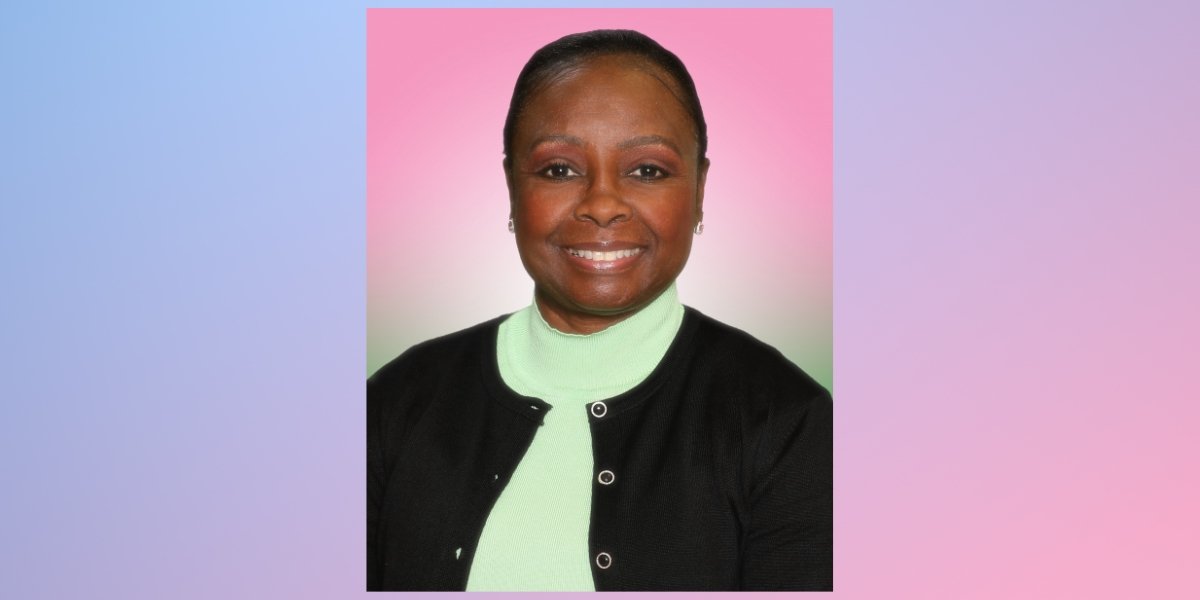
Milli Mills, a Voice, a Vision, a Legacy in Motion

By: Renee Simmons

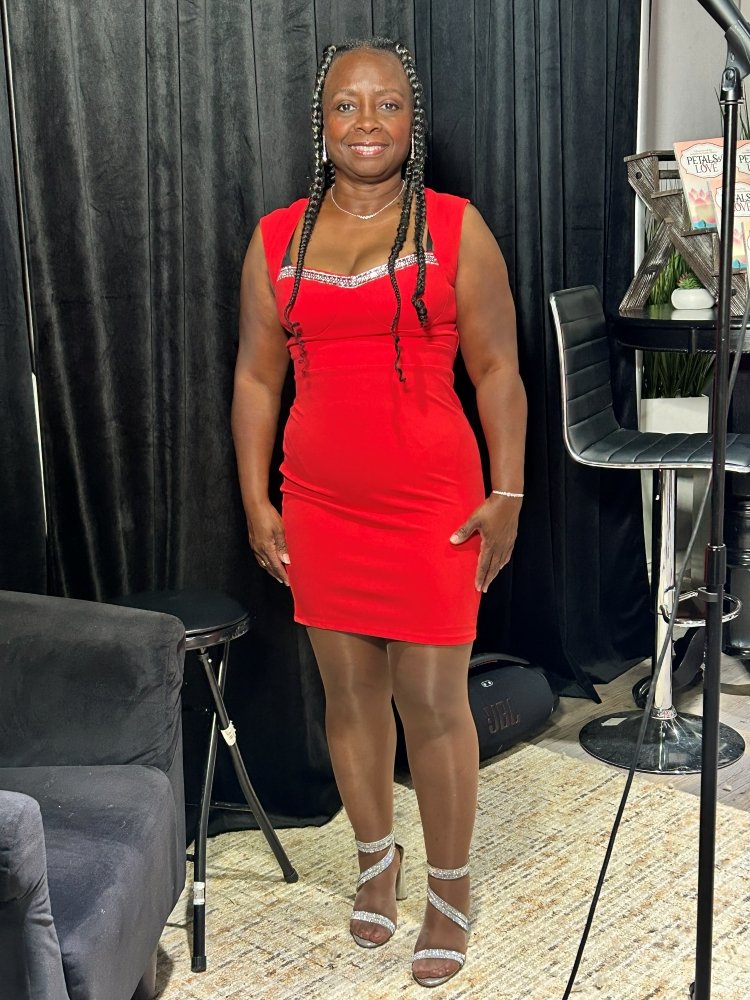
During Women’s History Month, we honor women who don’t wait for opportunity. They create it, cultivate it, and pass it on. The Original Milli Mills, born Mildred Gilliam, is the embodiment of that legacy in motion.

A powerhouse creative and community advocate, Milli Mills has spent nearly four decades shaping the media industry, from radio to podcasting, authorship, film, and philanthropy. As the CEO of Millhouse Entertainment and host of the inspiring weekly podcast Bring It In the House, she continues to turn her voice into a vessel for purpose.

Milli Mills, a Voice, a Vision, a Legacy in Motion

Photo Courtesy: Milli Mills

Becoming “Milli Mills”: A Name, A Purpose, A Power Move

The transformation from Mildred Gilliam to Milli Mills wasn’t just personal; it was strategic.

While attending the University of Arkansas at Pine Bluff, where she earned her degree in Speech & Theater, she stepped into spaces where she was often the only woman. Instead of shrinking, she rose.

“That transformation helped me understand my purpose better,” she shares. “It gave me a sense of belonging and a foothold in the broadcast industry.”

That moment marked the beginning of a career defined by courage, clarity, and conviction. Being the only woman in the room forced a decision. Stay silent, or stand strong.

“Fight Milli fight!” she recalls, a mindset that would carry her through every stage of her journey.

Building a Platform Before “Platforms” Were a Thing

Long before social media metrics defined influence, Milli Mills was building real connections, city by city, voice by voice.

From her early days at AM 1590 KYDE in Pine Bluff, Arkansas, to her time as a radio personality across Arkansas, Memphis, and Texas, she built a loyal audience through authenticity and consistency.

“I stayed ready when opportunity knocked,” she explains. “Through persistence, preparation, and networking, I built my presence. I was active in communities, working with street teams and leading impactful projects.”

Her ability to connect wasn’t manufactured. It was lived, experienced, and earned.

A Multi-Talented Creative Rooted in Passion

Milli Mills is many things: podcaster, author, actress, voice-over artist, choreographer, and humanitarian. Above all, she is an artist.

“I really think my true calling is choreography,” she says. “I started dancing at the age of three and still love it to this day.”

That creative foundation fuels everything she touches, from storytelling and performance to mentorship.

Through her nonprofit, Millhouse Entertainment, a 501(c)(3) dedicated to youth arts development, she is committed to nurturing the next generation. That passion was sparked during her time as a radio host, when independent artists would call in seeking guidance.

“That’s when I realized how important it was to help shape and support emerging talent,” she says.

“Bring It In the House”: Where Stories Become Impact

In 2020, Milli Mills launched what she calls her “heart work,” the podcast Bring It In the House.

“As the creator of Bring It In the House, this show is truly my heart work,” she shares.

“My vision was to build a warm, welcoming space where Musicians, Entertainers, Artists, and Leaders could come together and share the real stories behind their gifts.”

Every Saturday at 7:30 PM CST, she delivers what she calls a new “M.E.A.L.” of inspiration: conversations filled with honesty, laughter, lessons, and hope.

“My deepest joy is shining a light on voices that deserve to be heard,” she adds, “and offering encouragement people can carry back into their own lives and communities.”

Turning Visibility Into Legacy

For Milli Mills, success is not about attention. It’s about impact.

“Women, especially women of color, have historically had to create opportunities rather than wait for them,” she explains. “Building your own platform says, ‘I am worthy of being heard, seen, and valued on my own terms.'”

But she doesn’t stop there.

“Opening doors is about shifting systems. It’s about creating access. I don’t just want to be remembered, I want others to rise because I was here.”

That mindset transforms influence into legacy and visibility into purpose.

Faith, Resilience, and the Power to Keep Going

Behind her accolades, including recognition from Ebony Magazine as one of the Top 25 “Most Successful Black Female Singles” in America and a career spanning radio, film, and podcasting, is a foundation built on faith.

“I was raised in the church,” she says. “My family instilled the power of prayer in me. I go to the Rock (Adonai, Elohim) for strength and redemption.”

That spiritual grounding carried her through adversity, especially early in her career as a double minority (Black and female) in spaces where doubt was constant.

“You have to believe in yourself when no one else does,” she says. “Be your own cheerleader.”

Advice for the Next Generation

Milli Mills doesn’t sugarcoat the path. She equips you for it.

“If you are stepping into the business, study yourself thoroughly. That means, learn all that you can about the industry. Read, read, and read. Listen well to professionals who are already where you are trying to be. Be able to follow instructions well and be prepared, ready to take the lead when the opportunity knocks.”

It’s advice rooted in discipline, humility, and readiness, qualities she has embodied throughout her career.

What’s Next: Expanding the Vision

Still evolving, still building, and still pouring into others, Milli Mills is now focused on expanding her impact even further.

Plans are underway to launch a radio station geared toward college students, creating opportunities for hands-on broadcast internships. She also aims to revive her “Art of the Arts” educational youth seminars, continuing her mission to educate, inspire, and elevate.

A Legacy That Lives Beyond the Mic

In a world chasing viral moments, Milli Mills remains grounded in purpose.

Her journey reflects evolution. She has moved from entertaining audiences to inspiring them, from building a career to building community.

And as her platform continues to grow, one thing remains clear:

Milli Mills didn’t just find her voice. She created a space where others can find theirs, too.

To find out more, visit Millhouse Entertainment.

Nicole Peck on Creating Financial Confidence for Women Ready for Their Next Chapter

From Corporate Structure to Personal Alignment

Nicole Peck did not begin her career in entrepreneurship. She began it in one of the most structured financial environments in the world. For fifteen years, she worked in corporate investment banking at Barclays Capital and the Bank of New York. She started in the back office, learning to reconcile line by line, gradually advancing into middle-office roles supporting the Rates Trading Desk and later into Corporate Treasury. The experience gave her technical mastery, discipline, and a deep understanding of how complex financial systems operate at scale.

On paper, it was a strong career. The roles were competitive. The expectations were high. The paycheck was steady. Yet even as she advanced, something felt unsettled. The environment was intense and often male-dominated, and although she performed well, the work never fully resonated. For years, she confided in her mother that something was off. She moved between roles, hoping it would change. It didn’t. The work fed her ambition but never reached her heart.

Motherhood sharpened that realization. Leaving her baby each day for work that felt disconnected from her values created a tension she could not ignore. After her second son was born, she made the decisive choice to leave corporate life. It required confronting her own attachment to financial security and trusting that alignment mattered more than comfort. In hindsight, she sees it as one of the most defining decisions of her life.

Nicole Peck on Creating Financial Confidence for Women Ready for Their Next Chapter

Photo Courtesy: Nicole Peck

Seeing the Unspoken Struggle Around Money

During the years she spent at home with her children, Nicole joined a women’s group filled with successful business owners. She was inspired by their creativity and intention. These women were building companies that served communities and reflected their values. But she also noticed something consistent. Despite their intelligence and drive, many felt uneasy about their finances.

The discomfort was subtle but present. Conversations around revenue, expenses, and profitability were often layered with embarrassment or avoidance. These were capable women leading growing businesses, yet their financial systems had not evolved alongside their ambition.

Nicole did not see incompetence in that gap. She saw a missing layer of support.

She recognized that bookkeeping for women entrepreneurs needed to go beyond categorizing transactions. It needed to clarify how the business was actually performing, while also acknowledging how women experienced money emotionally and practically. Financial clarity was not just about compliance. It was about confidence.

Building Peck Bookkeeping With Intention

Peck Bookkeeping LLC grew from that realization. Nicole chose not to pursue bookkeeping in a purely transactional way. Having spent years working within a financial structure that felt rigid and masculine, she knew she wanted something different, an approach to money that felt human, not institutional. So she built her firm around a partnership. Not bookkeeping as a service handed off and forgotten, but as an ongoing relationship where clients feel supported and seen. Her clients are established women entrepreneurs who are entering a new phase of growth. Some are expanding their teams. Others are increasing revenue or preparing for larger strategic moves. Many are mothers balancing business leadership with full personal lives.

Nicole begins by listening. If financial stress is present, she treats it as information rather than failure. She helps clients understand where their systems create friction and where clarity is lacking. From there, she designs financial structures that support the business and the person behind it.

She believes that when numbers are organized thoughtfully, decision-making becomes steadier. Growth stops feeling chaotic. Business owners shift from reacting to their finances to leading with them.

When Systems Catch Up With Growth

Growth can magnify weaknesses in financial systems. What worked during early stages may not support a more complex operation. Without clear reporting and structured processes, revenue increases can still feel unstable.

Nicole often witnesses a powerful shift once proper systems are in place. The initial response is relief. Clients realize they no longer have to carry financial uncertainty alone. But relief is only the beginning.

With clarity established, creativity returns. Women reconnect with the vision that inspired them to start their businesses. They make decisions based on data instead of guesswork. The constant mental loop of wondering whether things are working quiets.

The work moves from stabilization to intentional expansion.

Nicole describes this as one of the most meaningful parts of her career. Watching women move from overwhelm to direction reinforces why she chose this path.

Supporting the Whole Woman Behind the Business

What distinguishes Nicole’s approach is her whole-person perspective. She understands that business owners are not operating in isolation. They are mothers, partners, daughters, and leaders in their communities. Their financial systems must reflect that layered reality.

A business designed only for profit may function efficiently. A business designed to support the whole woman becomes sustainable in a deeper way. Nicole creates systems that reduce friction rather than add to it, allowing her clients to lead with clarity while honoring their capacity.

Her long-term vision is rooted in trust. She hopes to be known as someone women recommend naturally because working together feels steady and respectful. She does not rely on urgency or fear-based messaging. Her work is built on calm authority and long-term relationships.

Her message is straightforward: women get to feel good about their money. Financial clarity should not feel intimidating or shameful. When your numbers are clear, your business stops feeling heavy, and growth becomes something you step into with intention, not hesitation.

For the women standing at the edge of their next chapter, that clarity is what lets you step forward with intention, not hesitation.

Learn more about how Nicole can help at peckbookkeeping.com and take the first step toward clarity.


Follow along on Instagram and LinkedIn for tips and insights made for women in business.​​​​​​​​​​​​​​​​