Women's Journal

Global Rallies Mark International Women’s Day 2026 With Calls for Equality

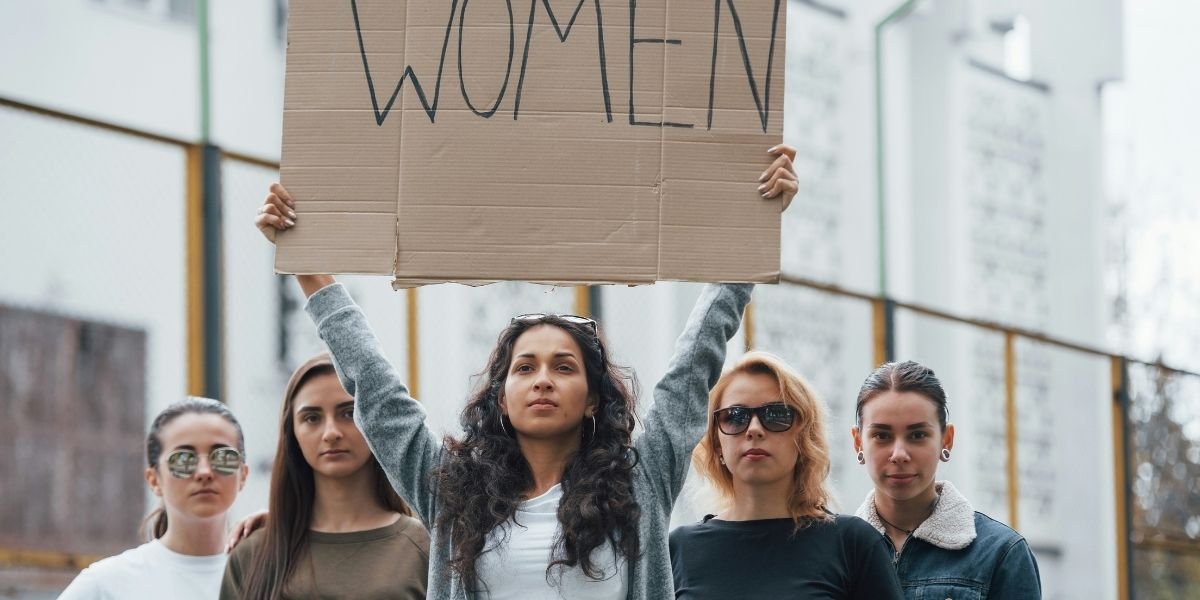
On March 8, 2026, communities around the world will come together to mark International Women’s Day, an event dedicated to celebrating women’s achievements while highlighting the ongoing fight for gender equality. This year’s theme, “Rights. Justice. Action. For ALL Women and Girls,” underscores the urgency of ensuring equal rights and the enforcement of those rights globally. The day is set to feature rallies, forums, and cultural events in countries across the globe.

While International Women’s Day has become a time for celebration, it also serves as a reminder of the persistent challenges women face. From workplace disparities to limited access to education, many issues remain unresolved in different regions. The day’s events aim to raise awareness, foster solidarity, and encourage meaningful action to address these challenges.

The observance of International Women’s Day has grown into a significant global event, uniting voices from diverse backgrounds. By highlighting the universal need for equality, the day underscores that the pursuit of women’s rights is both essential and attainable, inspiring people from all walks of life to take part in this important movement.

The 2026 Theme: A Call for Equality

The official theme for International Women’s Day 2026, “Rights. Justice. Action. For ALL Women and Girls,” aims to emphasize that equality is not just a symbolic goal but something that must be enforced and accessible to everyone. Organizers stress that rights must be actionable and recognized by law to be meaningful.

This theme also emphasizes inclusivity by focusing on “all women and girls,” acknowledging that each woman’s and girl’s experience is different depending on culture, age, and community. This framing ensures the conversation remains broad, ensuring that no one is left behind in the global push for equality.

The theme is designed to inspire action globally, providing a message that resonates across regions and cultures. Whether in large urban centers or smaller towns, the theme encourages people to understand that the fight for equality is urgent and relevant to everyone.

Events Around the World

International Women’s Day 2026 will see major events in cities across the globe. In Europe, cities like Paris, Berlin, and Madrid will hold marches and cultural programs, highlighting both the progress made and areas where more work is needed. Museums, universities, and local organizations will also host exhibitions and lectures to explore the theme of equality and women’s rights.

In Asia, rallies in cities like Manila, Tokyo, and New Delhi are planned, with a focus on workplace equality and access to education for women and girls. These regions are expected to use International Women’s Day as an opportunity to amplify ongoing campaigns calling for reform and progress.

Across Africa and Latin America, the day carries additional significance, often tied to struggles against poverty and violence. The theme of “Rights. Justice. Action.” offers a framework for these regions to link local issues with the global fight for women’s rights, ensuring that the conversation encompasses the challenges faced in various parts of the world.

International Women’s Day’s Growing Impact

International Women’s Day is no longer just a single-day event—it has become a major cultural touchstone for discussions about equality and justice. Observances around the world spark conversations that extend far beyond the marches and forums themselves.

The day serves as a reminder of the progress made, while also calling attention to the gaps that still exist. These discussions drive dialogue about how societies can move forward, with many considering how their communities can better support women’s rights and gender equality. The event’s ability to blend celebration with advocacy is one reason it continues to grow in importance each year.

Social media has helped to amplify the day’s significance. Hashtags and online campaigns spread the message globally, allowing individuals from all walks of life to connect and participate in the conversation. The digital presence of the event ensures that discussions about gender equality and women’s rights continue well beyond the physical marches and events.

The State of Equality: The Numbers Behind the Push

Ahead of International Women’s Day 2026, reports highlight that women around the world hold only 64 percent of the legal rights men enjoy. These rights span across work, wages, property ownership, and retirement. With such a significant gap, analysts warn that achieving full gender equality could take centuries if the current pace of change continues.

These statistics underscore the urgency of the day’s theme. While progress has been made in some areas, many regions still face significant disparities that prevent women from enjoying the same rights and opportunities as men. The observance of International Women’s Day offers a platform to bring these disparities into sharp focus and continue the push for systemic change.

The data emphasizes that gender equality is not just an aspirational goal but a measurable benchmark that many countries still need to address. As International Women’s Day approaches, the conversation will continue to center on the tangible steps needed to close these gaps.

The Future of Gender Equality

As rallies take place around the world on March 8, attention will turn to how momentum from the day can be sustained throughout the year. Organizers stress that International Women’s Day is not the endpoint, but rather a starting point for ongoing action. The challenge lies in turning awareness into real, lasting change.

Future campaigns will build upon the theme of 2026, focusing on ensuring that women’s rights are not just promised but fully delivered. The emphasis on inclusivity and justice will remain central to these efforts, as advocates work to create a world where all women and girls can live freely and equally.

Ultimately, International Women’s Day 2026 highlights both the progress that has been made and the continued need for action. It serves as a powerful reminder that the pursuit of gender equality is a shared global responsibility, and the rallies across the world will continue to push for a future where justice and equality are truly universal.

Disclaimer:
The information in this article reflects the upcoming observance of International Women’s Day 2026, including anticipated events and themes. It is not intended to encourage participation in any specific activities, including rallies or gatherings. The article is meant to inform readers about the significance of the day and the ongoing discussions about gender equality. 
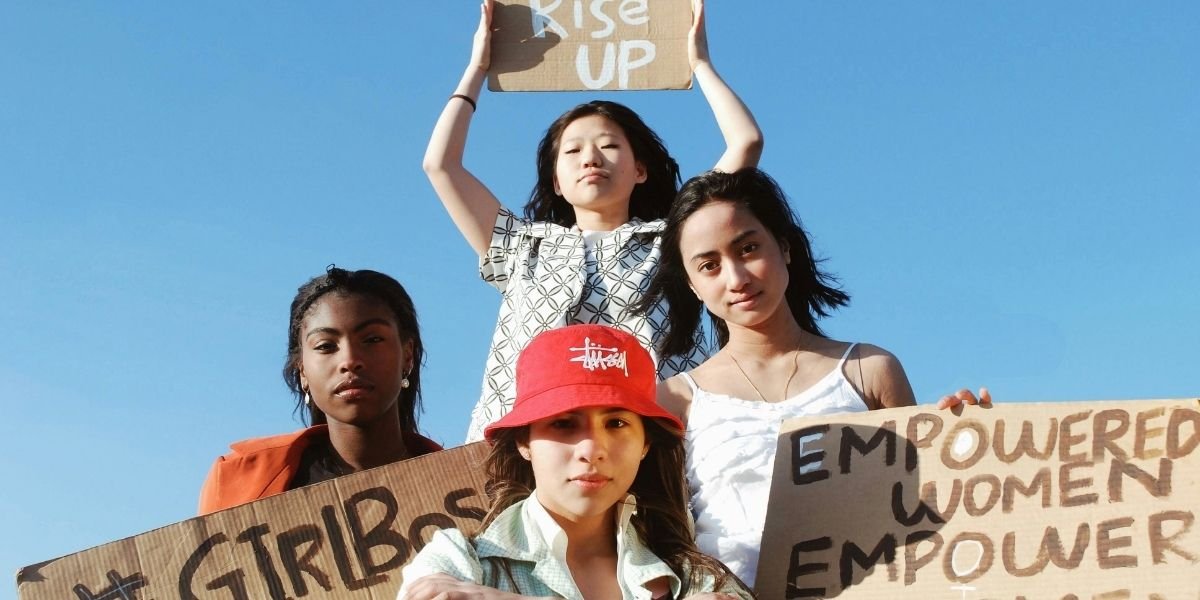
Where Femininity Meets Feminism: A Modern Debate on Gender Roles

Femininity and feminism have long been discussed as opposing concepts, but today, they are increasingly seen as interconnected elements that shape gender roles in modern U.S. culture. Femininity is often associated with qualities, styles, and behaviors culturally linked to women, while feminism is a movement focused on advocating for gender equality. The tension arises when these concepts are framed as conflicting rather than complementary, especially when femininity is seen as a reflection of traditional stereotypes that feminism seeks to challenge.

In recent years, femininity has been reclaimed by many women as a source of empowerment. Choosing to embrace traditionally feminine aesthetics and behaviors is now viewed not as conforming to outdated expectations but as a powerful form of self-expression. Feminism, on the other hand, continues to push for systemic reforms, ensuring that personal choices can exist within an equal framework. This evolving narrative of femininity and feminism challenges how women define their identities in a society that is still navigating gender expectations.

As these two powerful narratives collide, questions arise about how embracing femininity aligns with feminist principles. This debate isn’t about one being right or wrong, but about how identity and advocacy can coexist, especially in a society that is continuously redefining gender roles. The intersection of these ideas sparks curiosity about whether embracing femininity can strengthen or hinder feminist progress.

Shifting Expressions of Femininity in Modern Culture

Across the U.S., conversations about femininity have evolved, especially with the rise of social media. Platforms showcase diverse expressions of femininity where it’s celebrated as a choice rather than an obligation. This shift reframes femininity as a form of agency, allowing individuals to define what it means for themselves. Women today are choosing how to embody their femininity, whether through fashion, behavior, or lifestyle, rejecting the notion that there’s only one way to be feminine.

At the same time, feminism continues to broaden its scope. The movement is no longer focused solely on gender equality but now incorporates intersectional approaches, addressing race, class, and climate justice. This broader focus makes feminism adaptable and relevant to the changing dynamics of modern society, while still championing the cause of gender equality. By combining these perspectives, femininity and feminism are no longer mutually exclusive but are woven together to reflect the realities of women’s lived experiences today.

This shift in expression also reflects how women are redefining their roles and identities in various aspects of life. Femininity and feminism are now more fluid and inclusive than ever before, with women embracing multiple identities while advocating for their rights. As women reclaim the narrative around femininity, they are able to assert their agency and control over how they are perceived and how they define themselves.

Generational Perspectives on Femininity and Feminism

The debate around femininity and feminism is influenced by generational differences, with older generations often recalling a time when femininity was strictly tied to domestic roles and societal expectations. For these women, feminism represented a necessary push against restrictive gender norms and was a vital force in expanding opportunities. Feminism was, and in many ways still is, seen as a direct challenge to the traditional roles women were expected to play in society.

In contrast, younger generations encounter a world where femininity can be more fluid and expressive. Today’s women are able to explore different forms of femininity that are not confined to traditional roles. The modern feminism embraced by younger generations is more inclusive, focusing on empowerment while supporting diverse identities and expressions of femininity. This generational shift demonstrates how younger women have a more adaptable view of femininity and feminism, seeing them not as opposing forces but as complementary aspects of a woman’s identity.

As the younger generation continues to define gender roles in ways that challenge the past, the conversation evolves. Women today are asking how femininity can coexist with feminist ideals, and how these concepts can shape their lives in ways that promote equality without sacrificing personal expression. This generational perspective will continue to influence the future of femininity and feminism, shaping how women approach empowerment in years to come.

Public Perceptions of Femininity and Feminism in Media and Everyday Life

The debate between femininity and feminism plays out in public spaces, from media portrayals to everyday interactions. In workplaces, schools, and communities, women are navigating expectations about how they should present themselves, behave, and engage with others. Femininity is often expressed through fashion, grooming, and demeanor, but feminism ensures that these choices are respected and not used as barriers to equal opportunity or recognition.

The portrayal of femininity in entertainment and advertising also influences public perceptions. While some media representations reinforce traditional gender stereotypes, others challenge these norms by showcasing women who defy conventional definitions of femininity. Feminism, in turn, advocates for representation that reflects diversity, equality, and authenticity, demanding that women’s voices and identities be presented without limitations.

In everyday life, femininity and feminism intersect in ways that continue to shape how women experience the world. Whether it’s through self-expression or advocacy for fairness, these two forces are constantly interacting. This ongoing negotiation affects how women move through society, balancing their individual identities with the broader fight for gender equality. As both movements evolve, they continue to influence one another, sparking conversations about the future of women’s roles in the world.

The Future of Femininity and Feminism: Shaping Gender Roles

The ongoing dialogue around femininity and feminism is less about conflict and more about integration. Femininity provides a lens through which women can explore their personal identity, while feminism offers the framework for ensuring equality and dismantling barriers. Together, these concepts shape how gender roles are understood and experienced in modern U.S. culture.

As society evolves, the meanings of femininity and feminism will continue to shift. New challenges, such as technological changes, climate issues, and social movements, will likely impact the way these concepts are perceived and lived. The intersection of femininity and feminism will remain a space where women redefine themselves, balancing self-expression with the ongoing fight for equality.

The question remains: How will society continue to balance personal identity and collective advocacy? Will femininity and feminism converge into a shared narrative of empowerment, or will they maintain separate paths, each contributing uniquely to the broader conversation about gender roles and equality? The answers will shape the future of women’s identities and the larger cultural narrative for generations to come.

High‑Achieving Women Face Challenges in Work‑Family Balance

For high-achieving women, the intersection of professional ambition and family responsibilities is an ongoing challenge. They often navigate demanding careers with long hours and high expectations, while also managing the emotional and logistical demands of family life. Balancing these two worlds requires constant attention and adaptation, making it a significant part of their daily reality. This balancing act, while rewarding, can also be overwhelming, leaving little room for personal downtime.

The struggle is not just about managing time, but also about identity. How do high-achieving women define themselves when their professional accomplishments bring recognition, yet their family roles require emotional investment and caregiving? The roles often compete for attention and energy, creating tension. Yet, for many women, these competing demands are an intrinsic part of their lives and sense of purpose.

As more women assume leadership positions, the conversation around work-family balance continues to evolve. The question no longer centers on whether women can succeed in both arenas, but how they can sustain their success without compromising their health and well-being. This topic remains a cornerstone of the ongoing dialogue about achieving both personal fulfillment and career success.

The Invisible Pressures Women Face

Society often celebrates professional achievement, but it also imposes expectations that women should simultaneously excel in family life. These societal pressures can create an invisible weight that high-achieving women must bear. Even in dual-income households, women tend to carry the mental load of planning, organizing, and anticipating family needs. This unseen labor is a common experience for many women, adding complexity to their already demanding careers.

Despite shared responsibilities, women are often the ones who organize family schedules, maintain the household, and anticipate the emotional needs of their loved ones. This “invisible work” is rarely recognized in the workplace but contributes significantly to the pressure many women feel. It’s a contributing factor to why the juggling act can feel like a constant cycle with little room for rest or relaxation.

These expectations can result in high-achieving women feeling they must constantly excel in both their professional and personal lives. They may feel guilt when focusing too much on one aspect, whether it’s their career or family. This dynamic underscores the importance of acknowledging and understanding the complexity of balancing work and family responsibilities, as these pressures can take a toll on overall well-being.

Strategies for Managing Competing Demands

Despite these challenges, high-achieving women develop various strategies to manage the demands of both work and family. One essential approach is setting clear boundaries between work and home life. By establishing designated times for each domain, women can better manage expectations and reduce feelings of overwhelm. These boundaries help maintain focus and clarity in both areas of life.

Effective communication is another key strategy. Women often find that discussing their needs with family members and employers helps manage expectations and fosters understanding. This open dialogue allows for realistic planning and lessens the possibility of burnout. By ensuring everyone is on the same page, women can navigate their roles more smoothly, even in high-pressure environments.

Support networks play a significant role in helping high-achieving women sustain their balance. Peer groups, mentors, and professional organizations provide safe spaces for women to share experiences, offer advice, and find encouragement. These communities create a sense of solidarity, reminding women they are not alone in their struggles. The support from others in similar situations strengthens resilience and provides practical insights into managing competing demands.

The Impact on Workplaces and Communities

The balancing act faced by high-achieving women has broader implications for the workplace and community. When companies support work-family balance, they see better employee retention, higher productivity, and a more inclusive work environment. Providing flexibility, such as remote work options or family-friendly policies, can significantly improve job satisfaction and workplace loyalty.

Without this support, however, women may feel forced to leave the workforce or reduce their hours, limiting their ability to advance in their careers. This attrition can also affect the diversity of leadership roles, reducing the representation of women at the top levels of business and other industries. By fostering an environment that prioritizes work-life balance, workplaces can benefit from a more diverse and engaged workforce.

Beyond the workplace, communities are affected when women struggle to balance their professional and personal lives. High-achieving women contribute significantly to the strength of community networks, whether through volunteer work, local leadership roles, or involvement in schools and healthcare. When these women are supported in balancing their responsibilities, they can engage more fully in both professional and personal spheres, benefiting their communities in the long run.

Redefining Success for High-Achieving Women

As the conversation around work-family balance continues, the definition of success for high-achieving women is evolving. Traditionally, success has been measured by career milestones, but this narrow view is changing. Success can now be defined as the ability to sustain both career and family while maintaining personal well-being. This shift acknowledges the reality of modern life and the resilience needed to navigate both professional and personal responsibilities.

For high-achieving women, finding a sustainable rhythm between career and family is key. Rather than striving for perfection in both areas, success is about managing expectations, setting boundaries, and seeking support when needed. Achieving balance does not require sacrificing one’s career for family or vice versa, but rather integrating both in a way that honors personal well-being.

The future will likely see continued progress toward creating environments—both in the workplace and at home—that support high-achieving women in their pursuit of balance. As more women take on leadership roles, their contributions and experiences will continue to shape the way society defines success and work-life integration. The question remains: how can we all create environments that support this balance, ensuring that women’s contributions are valued across all aspects of life?

Wellness for Women: Why Ice Baths Are the New Mental Reset

By: Shane Lemara 

Wellness for women often involves juggling multiple roles, managing stress, and trying to stay grounded through it all. Ice baths, once mostly associated with athletes, are now gaining attention as a mental reset tool that supports emotional balance and physical recovery. While the idea of sitting in freezing water may sound extreme, many women are finding that this practice offers a surprising sense of calm and clarity.

The concept is simple: immerse the body in cold water for a short period, usually between two to ten minutes. The temperature typically ranges from 50 to 59 degrees Fahrenheit. It’s not about pushing limits or chasing discomfort, but rather about using cold exposure as a way to reconnect with the body and quiet the mind. For those who feel overwhelmed by constant stimulation or mental fatigue, ice baths can offer a pause that feels both physical and psychological.

How Ice Baths Support Mental Reset

The mental reset effect of ice baths comes from how the body responds to cold. When submerged, the nervous system shifts into a state of alertness. Breathing becomes more intentional, and the mind focuses on the present moment. This shift can interrupt patterns of stress or overthinking, creating space for mental clarity. It’s not a cure for anxiety or burnout, but it can help regulate the nervous system in a way that feels grounding.

Cold exposure also triggers the release of certain chemicals in the brain, including norepinephrine. This chemical plays a role in attention, mood, and energy. Some women report feeling more focused and emotionally balanced after regular ice bath sessions. While the science is still evolving, early studies suggest that cold therapy may support mood regulation and reduce symptoms of low energy or mental fog.

For those who struggle with racing thoughts or emotional overload, the simplicity of an ice bath can be appealing. There’s no need for equipment, apps, or long routines. Just water, breath, and a few minutes of stillness. That said, it’s understandable that the idea of stepping into cold water might feel intimidating or even unpleasant. Many people hesitate at first, unsure if the discomfort is worth it. That hesitation is valid, and it’s part of what makes the experience so powerful. Facing the cold becomes a way to practice resilience and self-trust.

Physical Recovery and Emotional Awareness

Beyond the mental reset, ice baths are known for their role in physical recovery. Cold water helps reduce inflammation and muscle soreness, which is why athletes have used it for decades. But for women who aren’t training for competition, the benefits can still be meaningful. Whether it’s tension from sitting at a desk, fatigue from caregiving, or general aches from daily movement, cold exposure can support recovery and reduce discomfort.

What’s often overlooked is how physical recovery connects to emotional awareness. When the body feels better, the mind tends to follow. Ice baths encourage a kind of body-mind connection that’s hard to replicate through other wellness practices. The cold forces attention inward, making it easier to notice breath, posture, and sensation. This awareness can carry over into daily life, helping women recognize stress signals earlier and respond with more intention.

Some women describe ice baths as a reset button, not just for the mind, but for the whole system. After stepping out of the water, there’s often a sense of renewal, like the body has been recalibrated. This feeling isn’t just about temperature. It’s about stepping away from distractions and reconnecting with something simple and elemental.

Routine, Resilience, and Personal Boundaries

Incorporating ice baths into a wellness routine doesn’t require a major lifestyle change. Some women use them once a week, others more often. The key is consistency and listening to the body’s signals. Over time, the practice can build resilience, not just physical, but emotional. Facing discomfort in a controlled setting helps develop tolerance for stress and uncertainty.

Wellness for Women Why Ice Baths Are the New Mental Reset

Photo Credit: Unsplash.com

This kind of resilience is especially relevant for women who feel pulled in many directions. Ice baths offer a moment of solitude, a chance to set boundaries and prioritize self-care. There’s no multitasking in cold water. The experience demands presence, which can be refreshing in a world that often values constant productivity.

It’s also worth noting that ice baths aren’t a one-size-fits-all solution. Some people may have medical conditions or sensitivities that make cold exposure unsafe. It’s important to approach the practice with care and awareness. But for those who find it accessible, the benefits can extend beyond physical recovery. Ice baths can become a ritual that supports emotional regulation, stress management, and personal reflection.

Why Ice Baths Resonate with Women’s Wellness Goals

Wellness for women is often shaped by personal goals, cultural expectations, and daily responsibilities. Ice baths offer a way to step outside those pressures, even briefly. The cold doesn’t care about schedules, appearances, or performance. It invites stillness and honesty. That’s part of why the practice resonates with so many women, it’s a space where control is surrendered, and presence is reclaimed.

The mental reset effect isn’t just about feeling refreshed. It’s about creating space for new thoughts, letting go of tension, and reconnecting with what matters. Ice baths don’t promise transformation, but they do offer a pause. And sometimes, that pause is enough to shift perspective and restore balance.

For women navigating stress, fatigue, or emotional overload, ice baths can be a simple yet powerful tool. The discomfort is real, but so is the clarity that follows. It’s not about pushing through pain, but about meeting the body where it is and allowing it to reset. That kind of reset can support wellness in ways that are both practical and personal.

Aging and Women’s Health: Managing the Challenges of Growing Older

Aging is becoming an increasingly prominent global trend, with people living longer than ever before. By 2030, the World Health Organization (WHO) estimates that one in six people worldwide will be over the age of 60, reflecting the growth of the aging population. This demographic shift brings both new opportunities and challenges, particularly when it comes to health and social care systems.

Women, who typically live longer than men, represent a significant portion of this aging population. Their longer life expectancy means that aging in women is often characterized by a variety of factors, from biological changes to socio-economic influences. As women age, their experiences are shaped not only by physical changes but also by social roles, healthcare access, and caregiving responsibilities. These factors contribute to how women experience later life and the health outcomes they face.

The rising life expectancy presents an important opportunity: shifting the focus from merely extending life to improving the quality of life during aging. This concept, often referred to as “healthspan,” is gaining traction as researchers and healthcare professionals aim to help individuals not only live longer but live healthier.

Understanding Aging and Its Impact on Health

As the global aging population expands, both developed and developing countries are grappling with the consequences of longer life spans. While extended longevity is generally positive, it also raises important questions about the quality of life for older adults. Simply living longer doesn’t necessarily equate to healthy years, especially as people age into a period of life where chronic conditions become more common.

For women, aging is influenced by multiple factors. Access to healthcare is one of the primary determinants in shaping how women experience aging. Adequate healthcare access ensures that older women can receive regular screenings, treatment for chronic conditions, and preventive care. However, the quality of care varies widely across countries and regions, with lower access to healthcare contributing to poorer outcomes in aging populations.

Alongside healthcare access, economic independence plays a crucial role in how women navigate aging. Financial stability allows women to secure quality healthcare, housing, and long-term care when needed. As women live longer, the need for sustainable financial strategies, both personal and societal, becomes increasingly important to ensure a dignified quality of life throughout old age.

Hormonal Changes and Menopause

One of the most significant aspects of aging for women is the transition into menopause, which typically occurs between the ages of 45 and 55. This period marks the end of a woman’s reproductive years and is associated with a series of hormonal changes. These changes can lead to symptoms such as hot flashes, sleep disturbances, and mood shifts, which, while natural, can affect daily life and overall well-being.

In addition to these symptoms, menopause also increases the risk of osteoporosis, a condition where bones become brittle and more prone to fractures. As estrogen levels decline during menopause, women become more susceptible to this condition. Preventive measures such as ensuring adequate calcium and vitamin D intake, engaging in weight-bearing exercises, and taking steps to maintain bone density can help mitigate these risks.

Furthermore, the hormonal shift associated with menopause also has implications for cardiovascular health. Estrogen is believed to have a protective effect on the heart, and as its levels drop, women may be at an increased risk of heart disease. This makes regular check-ups, balanced nutrition, and physical activity critical to mitigating the risk of cardiovascular issues as women age.

Chronic Conditions and Aging

As women age, the likelihood of developing chronic conditions increases. Heart disease, arthritis, diabetes, and cancers such as breast and colon cancer become more common as individuals reach their senior years. These conditions, while prevalent, can often be managed through early detection, proactive treatment, and lifestyle changes.

Aging is not just about the passage of time; it’s also about managing chronic health conditions that become more prevalent with age. In the U.S., heart disease is the leading cause of death among women over 65, but with early screening and appropriate medical care, many women can manage this risk. Regular mammograms, blood pressure checks, and diabetes monitoring are essential for keeping health problems at bay and catching potential conditions early.

Healthy lifestyle choices also contribute significantly to aging well. A nutritious diet, regular physical activity, and avoiding smoking are all fundamental to maintaining long-term health. Women who embrace these habits in midlife can significantly improve their quality of life in later years and reduce the risks of developing chronic diseases associated with aging.

Mental and Emotional Health in Older Age

Aging doesn’t just affect the body; it also impacts the mind. Older adults, especially women, are at risk for mental health challenges such as depression, anxiety, and cognitive decline. The World Health Organization emphasizes the importance of addressing mental health concerns in older populations, particularly since mental health is often overlooked in aging discussions.

Social isolation is one of the most significant risk factors for mental health issues in older women. Many women face isolation after retirement or the loss of loved ones, which can contribute to feelings of loneliness, sadness, and even depression. Building strong social networks through family, friends, and community groups is key to reducing these risks and maintaining emotional stability in later life.

Cognitive health is also an important aspect of mental well-being as women age. Regular mental stimulation through reading, puzzles, or learning new skills has been shown to help maintain cognitive function. Physical activity, too, plays a role in preventing dementia, underscoring the connection between physical and mental health as people age.

Habits for Healthy Aging

In addition to medical care and social support, daily habits are a critical factor in aging well. The concept of “healthspan”—living a longer life in good health—emphasizes the importance of daily routines in maintaining physical and mental well-being. Regular physical activity, a balanced diet, and good sleep hygiene are essential components of healthy aging.

Women can also benefit from managing stress through activities such as meditation, yoga, or mindfulness practices. These habits have been shown to improve overall resilience, reduce the risk of chronic diseases, and promote mental clarity. A holistic approach to well-being that incorporates both physical and mental health strategies can significantly improve quality of life in later years.

Finally, sleep hygiene is often overlooked but plays a pivotal role in maintaining overall health. As people age, they may experience disruptions in sleep, which can affect cognitive function, mood, and immune response. Prioritizing good sleep practices, such as creating a restful environment and maintaining a regular sleep schedule, can help prevent these issues.

Essential Self-Care Practices for Women’s Mental Health

Mental health significantly impacts how people think, feel, and respond to daily life. For many women, the demands of work, relationships, and personal responsibilities can create emotional strain. Self-care offers a way to manage that strain through consistent, supportive habits. These practices don’t require drastic changes but rather rely on small, manageable steps that help maintain emotional balance and reduce stress over time.

How Mental Clarity Begins with Emotional Awareness

Mental clarity often depends on recognizing emotional patterns. Feelings like stress, sadness, or worry may arise unexpectedly, but these emotions are not signs of weakness. Instead, they reflect how the brain responds to pressure, change, or uncertainty. Recognizing these emotions early can allow individuals to respond thoughtfully rather than react impulsively.

One way to support emotional awareness is through mindfulness. Mindfulness involves paying attention to the present moment without judgment. Techniques like deep breathing, quiet reflection, or journaling are effective ways to practice mindfulness. These habits allow thoughts to settle and emotions to surface gently, creating a clearer path to emotional awareness.

Journaling offers a valuable space to express feelings without interruption. Writing down thoughts can help organize them and reduce mental clutter. Some people use prompts to guide their journaling, while others write freely. Both approaches encourage emotional processing, helping individuals articulate feelings and reduce internal noise.

Meditation is another helpful practice. Even a few minutes of quiet breathing can reduce anxiety and improve focus. These practices don’t require special tools; they rely on consistency and patience. With time, they create a foundation for mental clarity and emotional resilience.

Recognizing emotions early helps prevent overwhelm, allowing for thoughtful responses to situations rather than impulsive reactions. Over time, this awareness fosters clearer thinking, steadier moods, and a greater sense of emotional balance.

How Physical Routines Support Emotional Stability

The connection between physical health and mental well-being is powerful. Regular movement helps regulate mood by releasing endorphins, chemicals that reduce pain and promote feelings of well-being. Physical exercise is a vital tool for maintaining emotional stability and resilience.

Exercise doesn’t have to be intense to be effective. Simple activities like walking, stretching, or dancing can promote emotional balance and alleviate stress. The key is regular movement, not perfection. Even short bursts of physical activity can improve energy levels, reduce tension, and boost overall well-being.

Sleep is another cornerstone of emotional stability. Restful sleep allows the brain to recover and process emotions effectively. When individuals don’t get enough sleep, irritability increases, and focus decreases. Creating a sleep routine—such as limiting screen time before bed or keeping a consistent schedule—helps improve the quality of sleep and promotes emotional steadiness.

Nutrition also plays a crucial role in mental clarity and stability. Balanced meals, including fruits, vegetables, and proteins, provide the brain with the nutrients it needs to function optimally. Skipping meals or consuming excessive sugar can lead to energy drops and emotional fluctuations. Proper hydration is equally important, as dehydration can cause fatigue and cloud thinking. Drinking enough water throughout the day helps maintain focus and reduces physical discomfort.

These physical routines don’t solve every mental health challenge, but they provide a foundational support system. When physical health is prioritized, it becomes easier to manage stress, maintain mental clarity, and handle emotional turbulence.

How Relationships Influence Mental Well-Being

Supportive relationships are critical in managing emotional strain. Connecting with trusted friends, family members, or mental health professionals can provide comfort, insight, and perspective. These conversations don’t always need to be long or profound; even brief check-ins can offer a sense of relief.

Strong relationships help reduce isolation. Feeling understood and accepted fosters a sense of belonging, which reduces stress and enhances emotional well-being. Sharing experiences with others can also promote self-expression, a vital element in maintaining mental health.

Boundaries are a key component of healthy relationships. Saying “no” when requests feel overwhelming helps protect emotional energy. It’s important to recognize that setting boundaries isn’t selfish—it’s essential for long-term well-being. Healthy boundaries allow individuals to rest, recover, and preserve their emotional resources.

Some individuals find valuable support in groups. Community organizations, social clubs, or online forums can provide a sense of shared purpose and connection. These spaces offer a low-pressure environment for individuals to share their experiences, providing emotional support without demanding too much.

Seeking professional support is another important avenue for mental health. Therapists or counselors can offer tools for managing emotions, building resilience, and addressing underlying issues. Seeking professional help is not a sign of failure; it’s an act of strength and a step toward achieving emotional stability.

Overall, relationships influence how individuals feel about themselves and their environments. Supportive connections help build confidence, reduce emotional burdens, and improve overall well-being.

How Personal Habits Shape Long-Term Mental Health

Daily habits have a powerful impact on long-term mental health. Small routines—such as morning quiet time, regular meals, or evening reflection—can create a sense of structure. This structure helps reduce decision fatigue and provides a reliable framework for managing emotions and reducing stress.

Creative activities are another vital part of personal care. Activities like drawing, writing, or making music allow emotions to surface in manageable ways. These habits don’t require mastery or skill; they offer a safe space for release and self-reflection. Engaging in creative outlets encourages emotional expression and provides a healthy coping mechanism.

Setting achievable goals is also important for long-term well-being. Goals don’t have to be monumental. Small accomplishments, such as organizing a workspace, finishing a book, or completing a task—support feelings of progress, confidence, and motivation. Achieving even small goals boosts self-esteem and helps create a sense of purpose.

Limiting exposure to stressors is another key habit for maintaining mental clarity. Reducing time spent on social media or avoiding negative, draining conversations can help protect emotional energy. By choosing what to engage with, individuals can safeguard their mental well-being and avoid unnecessary emotional stress.

Self-compassion is essential for maintaining long-term mental health. Accepting mistakes, allowing time for rest, and letting go of guilt and pressure are vital parts of emotional care. Practicing self-compassion helps individuals recover emotionally and build resilience for the future.

These habits don’t promise perfect mental health, but they provide tools for managing emotions and establishing stability. With consistency, these routines create a foundation that leads to a more balanced, manageable life over time.

Women’s Sports Team Valuations Highlight Growth in Basketball

Women’s basketball is experiencing a surge in valuations, signaling a major shift in the sports industry. Recent figures show that several women’s basketball teams are now valued at levels previously thought unattainable. The New York Liberty leads the charge, with a reported valuation of $400 million, marking a significant milestone for women’s basketball. This growth reflects increased fan engagement, sponsorships, and media coverage.

The rise of teams like the Indiana Fever and Seattle Storm, valued at over $300 million, shows that the momentum is not isolated to a single franchise. Together, these franchises are reshaping the business landscape for women’s sports, particularly in basketball. The growing valuations indicate a long-term shift towards financial strength and recognition in women’s professional sports.

Strong Financial Growth Fuels Team Valuations

According to recent reports, the total value of the top 25 women’s sports teams now exceeds $5.6 billion, with basketball franchises leading the pack. All 12 WNBA teams are now included in these top rankings, demonstrating the league’s significant influence in the world of women’s athletics.

The Indiana Fever reported $32 million in revenue in 2025, making it the highest-grossing team among women’s sports, followed closely by the New York Liberty, which earned $25 million. These figures highlight the increasing commercial strength of women’s basketball. Factors such as expanding broadcast deals, higher sponsorship activity, and rising attendance at games have all contributed to this financial growth.

These valuations are not just about dollars; they represent a sustainable future for women’s basketball, with a growing fanbase and corporate backing continuing to fuel the league’s expansion.

Cultural and Economic Impact of Rising Valuations

The increase in team valuations goes beyond just the financial numbers—it represents a cultural shift. For years, women’s basketball has fought for recognition, and now the rising valuations validate its growing influence. The increasing value of teams like the Liberty and Fever is a clear sign that women’s sports, and specifically women’s basketball, are increasingly being accepted as mainstream entertainment.

Fans and players alike see these valuations as evidence of the sport’s continued growth and importance. They symbolize not just financial success, but also respect for the contributions women have made to the world of professional sports. The rising valuations reflect the growing influence of women’s sports across the global entertainment landscape.

Challenges That Persist for Women’s Basketball

Despite these positive trends, challenges remain for women’s basketball. Media rights for women’s leagues still lag behind those for men’s sports, limiting revenue potential and hindering wider exposure. This disparity remains a significant hurdle for the league’s growth, as women’s sports continue to compete for valuable broadcast deals.

Sponsorship deals, though on the rise, still fall short compared to their male counterparts. While more major brands are engaging with women’s teams, the scale of support remains uneven, which will need to be addressed for long-term success.

In addition, infrastructure needs remain a significant factor in continuing growth. For women’s basketball to thrive, it is crucial to see improvements in facilities, player development, and marketing budgets. Without these continued investments, the growth shown in valuations could slow.

Women’s Basketball Growth Mirrors Global Trends

The rise in valuations for women’s basketball is part of a larger global trend in women’s sports. In addition to basketball, soccer clubs in Europe and Latin America are also seeing increased valuations. These shifts are helping to boost the visibility of women’s sports on the global stage.

International tournaments such as the Women’s World Cup have garnered record viewership, showcasing the global appetite for women’s sports. This growing international demand for women’s athletics further supports the rise in valuations, suggesting that basketball’s growth is part of a larger global movement.

The future holds opportunities for continued growth, particularly through expanded media coverage and global outreach. As the media landscape for women’s sports continues to evolve, basketball franchises are well-positioned to capitalize on these trends, with valuations expected to rise further.

What’s Next for Women’s Basketball?

The increasing valuations of women’s basketball teams mark a pivotal moment in the sport’s history. No longer viewed as a niche sector, women’s basketball has emerged as a major player in the sports economy. This growth reflects the sport’s rising visibility and growing financial strength within the broader athletic world.

As audience sizes continue to expand, women’s basketball is poised to become a more significant force in global conversations about representation and equity in sports. The valuations of these teams highlight the progress that has been made, but also point to the continuing opportunity to further elevate women’s basketball into the mainstream.

The future of women’s basketball is bright, with increased financial backing, growing global interest, and a foundation for continued growth. As teams secure more sponsorships, media rights, and fan engagement, the sport is set to continue its upward trajectory.

Disclaimer: The valuations and revenue figures mentioned in this article are based on the latest available data at the time of publication. These numbers are estimates and may fluctuate based on future market conditions, league developments, and broader economic factors.

New Study Finds Women Executives Facing Rising Burnout

A recent workplace study conducted by McKinsey & Company and LeanIn.Org has revealed that senior women executives are experiencing burnout at the highest levels seen in five years. This data highlights a troubling trend: women in leadership roles are reporting greater exhaustion compared to their male counterparts, particularly early in their leadership journeys. The findings emphasize the systemic pressures that women face as they advance in their careers, making burnout not just an individual challenge, but one rooted in workplace structures.

The report points to several factors contributing to burnout among women leaders, including heavier workloads, reduced flexibility in work arrangements, and limited access to sponsorship programs. These challenges create a more demanding work environment, making it difficult for women to sustain long-term growth in leadership roles without adequate support. The study reflects the shared experiences of many women in professional settings, confirming that burnout is a deeper issue tied to systemic barriers rather than personal shortcomings.

The question arises: Will organizations recognize burnout as a broader issue requiring structural change, or will it continue to be treated as an individual problem women leaders must manage alone?

Systemic Pressures Behind Rising Burnout

The study found that one in four companies have reduced remote or hybrid work options, while one in six have cut sponsorship programs that help women advance in their careers. These cutbacks disproportionately affect women leaders, who often rely on flexible work models to manage professional and personal responsibilities. Without these critical supports, the path to leadership becomes more strenuous and less sustainable, particularly for those balancing multiple roles.

Women leaders are also burdened with “double duty”—handling both professional demands and societal expectations around caregiving and community roles. This dual responsibility amplifies stress and leaves many women feeling overwhelmed. For women who are also primary caregivers, the stress of meeting professional expectations combined with societal pressures to maintain family and household roles creates a unique set of challenges. The lack of support tailored specifically to these challenges further exacerbates the problem, creating an environment where burnout is increasingly inevitable.

The pressing question is whether organizations will respond to these realities. Will they reinstate flexible work models and mentorship programs, or will women leaders continue to bear the weight of systemic limitations?

Burnout Among Women Leaders: A Shared Experience

Beyond the statistics, burnout among women leaders carries significant meaning. Women in leadership roles often serve as role models, shaping how leadership is perceived in modern workplaces. When burnout rates rise, it signals that the current system may not be sustainable for women who are striving to break barriers and succeed in high-pressure environments. This is not just an issue for women in senior roles; it also reflects the struggles of mid-level and junior women in the corporate pipeline who face similar pressures as they ascend.

New Study Finds Women Executives Facing Rising Burnout

Photo Credit: Unsplash.com

The findings of this study confirm what many women in leadership have long expressed—the exhaustion and stress that come with balancing the demands of their roles. This acknowledgment opens the door for conversations about how leadership can be redefined to prioritize sustainability and equity, ensuring that women leaders can thrive in their positions without sacrificing their well-being. A more inclusive leadership model that prioritizes health, balance, and well-being for everyone is essential to maintaining long-term organizational success.

As burnout continues to rise, it’s important to consider whether this will lead to a larger movement toward more supportive work environments or whether it will simply reinforce the notion that leadership roles remain out of reach for many. Women leaders must not only advocate for themselves but also demand systemic change within their organizations to ensure the future of leadership is sustainable and equitable.

Pathways Toward Sustainable Leadership

The study also highlights potential solutions to mitigate burnout among women executives. Mentorship programs, flexible leadership models, and peer support networks are all strategies that could make leadership roles more sustainable. These approaches not only help reduce stress but also foster environments where women leaders can thrive, allowing them to balance their professional ambitions with personal well-being.

Mentorship provides essential guidance and validation, helping women navigate the unique challenges of leadership. When women have access to mentors who understand their struggles and can offer advice on overcoming obstacles, it creates an environment of support that encourages growth. Flexible work models enable executives to maintain their professional momentum while managing their personal responsibilities. With the proper support systems in place, women leaders can continue to grow in their roles while taking care of themselves and their families.

Peer support networks offer spaces for shared experiences, reducing isolation and strengthening resilience. These networks allow women to exchange strategies, share their challenges, and receive encouragement from others facing similar hurdles. Together, these strategies create a more inclusive environment where women can lead without burning out. Companies that embrace these solutions foster an environment where all employees can feel supported, valued, and motivated.

The challenge remains whether organizations will embrace these solutions. Will companies commit to creating sustainable leadership structures, or will burnout continue to hinder progress toward gender equity in the executive ranks? It is crucial for organizations to implement strategies that allow women to succeed without burning out, ensuring that they can lead successfully in the long term.

The Future of Women in Leadership

As burnout among women executives continues to rise, the future of women in leadership is at a crossroads. The study serves as both a warning and an opportunity: without systemic change, the attrition of women leaders may increase, undermining efforts to achieve diversity at the top levels of organizations. However, with proactive measures, organizations can create work environments that support women leaders in the long term, helping them not only succeed but thrive. For women in leadership roles, this is a pivotal moment to advocate for change in how work environments support them.

For professional women, the study’s findings validate their experiences, confirming that burnout is not a personal flaw, but a reflection of systemic pressures. Acknowledging this reality is the first step toward building workplaces that prioritize equity and sustainability, making it possible for women to reach their full potential in leadership roles. As companies consider these findings, they have the opportunity to foster a workplace culture that nurtures women’s well-being, leading to a stronger and more inclusive workforce overall.

The critical question now is whether this moment will mark a turning point in redefining leadership practices or if it will be seen as another missed opportunity to address the systemic challenges women face in the workplace. The answer depends on the commitment from organizations to take meaningful action and create a work environment where women leaders are supported, empowered, and able to thrive.

Relational Aggression Among Teenage Girls Linked to Mental Health Issues

As mental health challenges continue to affect teenagers, relational aggression among teenage girls has emerged as a significant issue. This form of bullying, which relies on exclusion, gossip, and manipulation, is often harder to detect than physical bullying, yet it can have equally damaging effects on victims.

Experts report that approximately one-third of adolescents experience relational aggression during middle or high school, with girls being more likely to engage in indirect tactics. These subtle behaviors, such as spreading rumors or isolating peers, can cause long-lasting emotional harm without leaving clear evidence of mistreatment.

Teachers and counselors report that victims of relational aggression often withdraw from their social groups, fearing further exclusion. The emotional impact of these behaviors can lead to declining academic performance and strained relationships at home, highlighting the hidden nature of this issue.

Psychological Impact of Relational Aggression on Teenage Girls

Victims of relational aggression often experience a range of mental health problems, including anxiety, depression, and low self‑esteem. The psychological impact of being excluded or manipulated by peers can extend well beyond adolescence, with some teenagers continuing to struggle with trust issues and personal worth into adulthood.

Research has shown that relational aggression is linked to an increased risk of mental health issues. Victims are more likely to develop symptoms of anxiety and depression, and in some cases, these challenges can lead to substance abuse as a coping mechanism. The emotional distress caused by relational aggression underscores the importance of addressing this issue before it leads to more severe outcomes.

Experts emphasize the need for early intervention, as the longer a teenager is subjected to relational aggression, the greater the risk of long-term psychological damage. This issue is particularly concerning given the growing prevalence of social media, which can amplify the effects of relational aggression.

The Role of Parents and Educators in Addressing Relational Aggression

Addressing relational aggression requires the involvement of both parents and educators. Experts suggest that parents can help their daughters by building self‑esteem and promoting open communication about the challenges they may face with peers. These strategies can help young people develop resilience and avoid relying on harmful tactics like exclusion or manipulation.

Educators are also critical in combating relational aggression. Schools are increasingly expanding their anti‑bullying programs to include relational aggression, recognizing that traditional methods often focus on physical bullying while leaving other forms of harm unaddressed. Peer mentoring programs and awareness campaigns have proven effective in reducing the prevalence of relational aggression in schools, creating safer and more supportive environments for students.

By working together, families and schools can help mitigate the emotional and psychological risks associated with relational aggression, providing the tools necessary for young people to navigate social challenges in healthier ways.

The Impact of Social Media on Relational Aggression

The rise of digital communication has further amplified the issue of relational aggression among teenage girls. Social media platforms, such as Instagram, Snapchat, and TikTok, provide new avenues for bullying, making it easier for rumors, gossip, and exclusion to spread. The permanence and reach of online interactions can exacerbate the emotional toll on victims, who may feel trapped in a cycle of online and offline bullying.

Experts warn that the instantaneous nature of social media can intensify the effects of relational aggression, as peer exclusion or manipulation can happen publicly and in real time. The pressure to conform to social media trends and expectations can contribute to feelings of inadequacy, especially among teenagers already struggling with self‑esteem issues.

While digital platforms offer new ways for teens to connect, they also create new opportunities for harmful behavior. As social media continues to play a central role in the lives of teenagers, experts stress the importance of monitoring online interactions and fostering positive digital citizenship to reduce the risks of relational aggression.

The Need for Community and Schoolwide Action

Community organizations and schools are expanding their efforts to address relational aggression through workshops and awareness campaigns. By educating parents, teachers, and students about the dangers of relational aggression, these initiatives aim to create a more informed and supportive environment for teenagers.

In addition, schools are increasingly incorporating peer support programs to empower students to intervene and help prevent bullying behaviors. These initiatives have been shown to reduce the prevalence of relational aggression, fostering a more inclusive and compassionate atmosphere within schools.

The collective effort from parents, schools, and communities is essential in tackling relational aggression and its mental health consequences. By working together, these groups can provide teenagers with the resources and support they need to overcome the challenges posed by relational aggression.

Addressing Relational Aggression

As awareness of relational aggression continues to grow, experts believe that early intervention is key to preventing long-term mental health problems. Recognizing the signs of relational aggression and providing support for victims can help mitigate the emotional toll and reduce the risk of more severe outcomes, such as depression, substance abuse, and self‑harm.

The conversation around relational aggression reflects a broader societal shift toward addressing the hidden forms of bullying that impact teenagers. As schools, parents, and communities work together to tackle this issue, they can help young people build healthier relationships and improve their overall mental health.

Disclaimer:
The information in this article is based on publicly available research and expert opinions on relational aggression and its potential mental health impacts. It is important to note that the effects of relational aggression can vary significantly between individuals. This article does not make definitive claims regarding outcomes and encourages readers to seek professional advice for guidance on addressing relational aggression and supporting mental health.


Study Reveals Women May Experience Greater Heart Health Benefits from Exercise

A recent study published in Nature Cardiovascular Research suggests that women may experience greater cardiovascular benefits from exercise compared to men, achieving similar or even stronger results with less physical activity. The research, which analyzed data from more than 85,000 participants in the UK Biobank, tracked physical activity using wearable devices and examined the relationship between exercise and heart disease risk. The findings challenge longstanding assumptions about exercise guidelines and provide new insights into how gender influences heart health.

The study found that women who engaged in moderate to vigorous physical activity experienced sharper declines in heart disease risk compared to men, even when exercising for shorter periods. These results have led to discussions about whether existing exercise recommendations should be adjusted to better reflect the specific needs of men and women.

Details of the Study and Methodology

The UK Biobank study tracked participants’ physical activity over several years using wearable devices to measure the amount of moderate-to-vigorous activity each person engaged in. The study focused on cardiovascular outcomes, including coronary heart disease (CHD) and mortality rates.

The findings showed that women who exercised for 140 minutes per week (the current recommended amount) had a 22% lower risk of coronary heart disease, while men required 300 minutes per week to achieve a similar reduction. This disparity was also observed for vigorous activity, where women experienced greater benefits in less time than men. The use of wearable technology ensured that the data was objective, providing reliable measurements of physical activity rather than relying on self-reported figures.

Implications for Current Exercise Guidelines

The results of this study suggest that women may achieve cardiovascular benefits at lower levels of activity compared to men. Current exercise guidelines, issued by organizations like the World Health Organization (WHO) and the American Heart Association (AHA), recommend the same targets for both sexes: 150 minutes of moderate activity or 75 minutes of vigorous activity per week. However, this study suggests that these guidelines might not fully account for gender differences in how the body responds to exercise.

Health experts emphasize that the findings do not suggest men should exercise less, but rather that women may experience greater cardiovascular benefits with less time spent exercising. This highlights the need for future guidelines to take gender-specific differences into account, potentially encouraging more women to participate in physical activity by emphasizing the achievable benefits.

Biological Explanations for the Differences

The study’s results have prompted researchers to consider several biological factors that may explain why women experience more significant cardiovascular benefits from exercise. One possible factor is estrogen, which may enhance cardiovascular adaptations to exercise in women. Other explanations include differences in muscle composition and metabolic responses between the sexes.

Additionally, scientists suggest that women’s cardiovascular systems may be more efficient at responding to physical stress, leading to greater improvements in heart health with less exercise. While men also benefit from physical activity, the study’s results suggest that women’s bodies may adapt to exercise more quickly, producing greater results in less time.

While the biological explanations are still under investigation, the findings provide a promising area for further research to help tailor public health recommendations more effectively.

Public Interest and Impact on Health Messaging

The study has generated significant interest, especially among women who may find encouragement in knowing that even moderate amounts of exercise can have a meaningful impact on their cardiovascular health. The results challenge the notion that exercise guidelines should be one-size-fits-all and suggest that future health recommendations should consider gender differences.

This research also has broader implications for how health advice is communicated. Exercise has long been framed as a universal prescription for health, but the findings from this study suggest a more nuanced approach could encourage more women to engage in physical activity. Tailoring health messaging to address the specific benefits women can gain from regular exercise may lead to higher participation rates and improved outcomes.

Future of Exercise Guidelines and Research

As the body of research on exercise and heart health continues to grow, experts predict that future guidelines may evolve to reflect gender-specific recommendations. While the current advice remains the same for men and women, the findings from this study offer a strong foundation for reconsidering how exercise targets are set.

For now, the key takeaway remains that regular physical activity provides significant cardiovascular benefits for both men and women. However, this study highlights that women may gain greater heart health benefits with less exercise, and further research will likely continue to refine our understanding of the gender-specific effects of physical activity.


Disclaimer:

The information provided in this article is based on a review of publicly available research and studies. While the findings presented reflect current research on the effects of exercise on heart health, the results should not be considered conclusive or universally applicable. Individual exercise needs and health outcomes may vary, and the content is not intended as medical advice. Readers are advised to consult healthcare professionals before making any changes to their exercise or health regimen.