Women's Journal

How a Father’s Words Shaped Beverly Flores’ Courage to Lead


By: Deb Monfette

Before she was a Fortune 100 leader, keynote speaker, and CEO, Beverly Flores was a ranch girl in rural America, raised by a single father who believed that determination, resilience, and humility were the foundations of a full life. She spent her childhood surrounded by horses, open fields, and the kind of quiet lessons that stay with you long after you leave home.

Her father was an academic, a world-class horse trainer, and her greatest champion—the man who saw her strength before she did. When Beverly was a teenager, he wrote her a letter that would become her lifelong compass. In it, he acknowledged qualities she hadn’t yet learned to appreciate: “Sometimes you are too serious, too scared of failure, and too good,” he wrote. “But I would rather you be the way you are than the opposite. Yes, sometimes, somewhere in your life you will fail, but I know that you will try again and again until it works.”

Those words that are equal parts challenge and reassurance would guide Beverly through a career that spanned 24 years at John Deere, where she led global teams, helped the company break new ground at the Consumer Electronics Show, and became one of the most recognized names in agricultural marketing and communications. When the time came to pivot again, she did so with the same courage her father had seen in her decades earlier, founding Thyme Out Consulting LLC, a leadership transformation company helping professionals and organizations realign with purpose, energy, and authenticity.

In this conversation, Beverly reflects on why her father’s words remain a touchstone and how they continue to shape her work, her parenting, and her vision for the future.
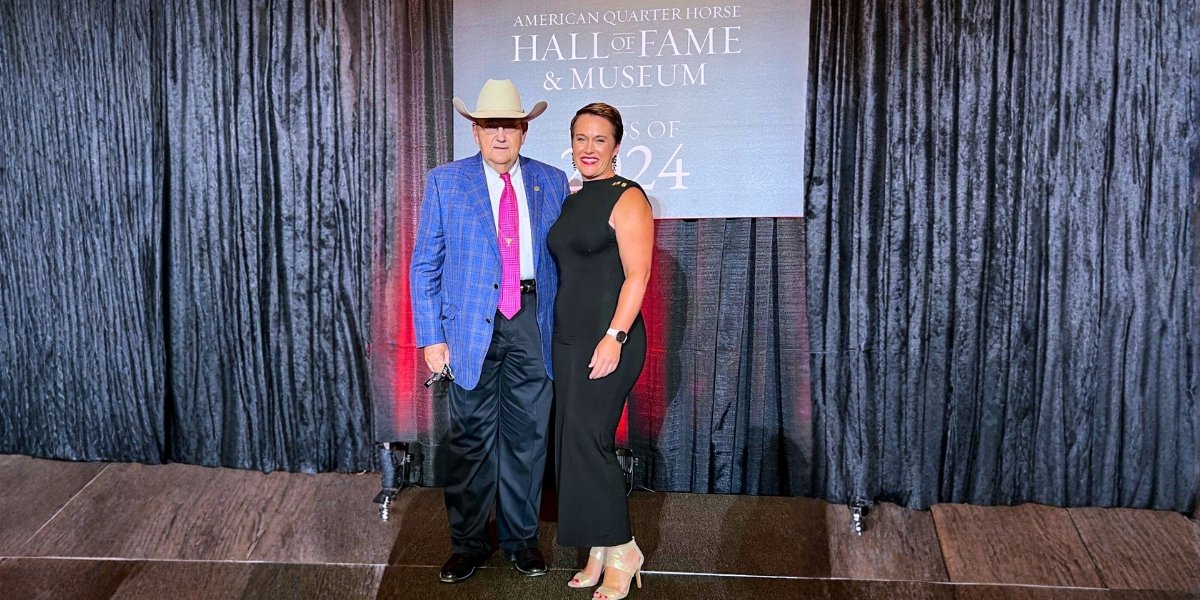
How a Father’s Words Shaped Beverly Flores’ Courage to Lead

Photo Courtesy: Beverly Flores

Q: What do you remember most about receiving that letter from your father?

Beverly Flores: I don’t think I fully understood it at the time. When you’re fourteen, being told you’re “too serious” or “too scared of failure” feels like a flaw. But looking back, I realize my dad saw me clearly. He recognized that my seriousness was focused and that I cared deeply. And being afraid to fail? That just meant I cared about doing things well. He helped me see that what we often call our weaknesses can actually be the very traits that carry us forward.

Q: Your father wrote that you would “fail, but try again and again until it works.” How has that shaped your view of failure?

Flores: That line has stayed with me through every chapter of my life. I’ve faced failure plenty of times, personally and professionally, but I’ve always found a way to keep going. My dad’s message was really about persistence and purpose. Failure isn’t final; it’s simply feedback. It’s where resilience is built. And that’s something I remind my clients of all the time: your worth isn’t determined by what goes wrong, but by how you respond when it does.

Q: You’ve often spoken about how your upbringing shaped your leadership style. What lessons from those early years still guide you?

Flores: Growing up on a ranch taught me about consistency, work ethic, and patience. Animals don’t rush, nature doesn’t rush — and yet, everything gets done. My dad modeled integrity and steadiness. That’s the energy I try to bring into every space I lead. Whether I was in a corporate boardroom or working with a client one-on-one, I wanted to create a sense of safety and momentum, where people could show up as they are and still move forward. One of the things he always said was “just do your best; if that gets you first place or last place, that isn’t the point. It’s about knowing you gave it your all.”

Q: After more than two decades in the corporate world, it took courage to step away and start your own company. What gave you that confidence?

Flores: It was that same voice from my dad’s letter—the belief that I could try again until it worked. After 24 years at John Deere, I reached a point where I knew it was time to move forward. I wanted to help others lead with energy and authenticity, not just endurance. Founding Thyme Out Consulting was both terrifying and freeing. But it also felt deeply aligned. “Thyme” represents courage and strength, and “timeout” represents strategy. Together, they remind me that growth begins when we pause long enough to listen to ourselves in order to be our best.

Q: How do those lessons show up in your work with clients today?

Flores: They’re everywhere. Through my EEI System™ (Energy, Enthusiasm, and Intensity), I help leaders reconnect to what drives them at their core. It’s not about pushing harder; it’s about finding alignment between who you are and how you lead. When you tap into that, everything can shift, including your confidence, impact, and sense of purpose. That all ties back to what my dad was really telling me: don’t be afraid of your own strength.

Q: Final thoughts for women who may be standing where you once stood — ready to grow, but afraid to fail?

Flores: I’d tell them to trust the process. You don’t have to have everything figured out. You just have to start. Courage isn’t always loud; sometimes it’s just a quiet decision to keep showing up. My dad taught me that failure isn’t the opposite of success—it’s part of it. And the truth is, every time you try again, you’re already making progress.

Q: As you look ahead, what are you most excited about in your work and what’s next for you in 2026?

Flores: This next chapter is about expansion—not just in my business, but in the movement I am creating. With Thyme Out Consulting, I’m developing new executive coaching experiences, leadership intensives, and keynote programs that help organizations and individuals lead with greater courage and alignment.

What excites me most is seeing the ripple effect when someone reconnects to their purpose. When a leader is energized and authentic, their entire team can shift. That’s the work I want to keep doing—helping people find that spark again, and reminding them that leadership doesn’t start with strategy. It starts with the self.

The world doesn’t need leaders who are perfect. It needs leaders who are awake—who have the courage to be human, to tell the truth, and to keep trying until it works.

To learn more about Beverly Flores and Thyme Out Consulting, visit www.thymeoutconsulting.com or follow her on LinkedIn.


Fans React to Meghan Trainor’s Dramatic Weight Loss

Meghan Trainor’s recent public appearances have ignited widespread discussion about her dramatic weight loss. The Grammy Award-winning singer, known for her body-positive anthem All About That Bass, revealed a noticeably slimmer look in 2025 that left fans both surprised and curious. Her transformation has been met with praise, criticism, and plenty of questions about how she achieved it.

According to her statements, Trainor lost more than 60 pounds through lifestyle changes, consistent exercise, and professional guidance. While she has acknowledged using the medication Mounjaro as a supportive tool, her trainer has emphasized that underlying discipline and effort were key. The distinction between medical support and personal effort has become part of the public conversation, as fans debate the role of such medications in celebrity health journeys.

The cultural impact of Trainor’s transformation goes beyond numbers on a scale. It raises broader questions about how society views weight loss, celebrity identity, and the pressures of public scrutiny.

Trainor’s appearance at the 2025 Baby2Baby Gala in Los Angeles became a turning point in the public reaction. Wearing a strapless gown (by A Lin Le Kal) with old-Hollywood glamour styling, she stunned audiences with her new look. Many fans on social media reacted with shock, admiration, and in some cases confusion, with comments ranging from “Who is this?” to “She looks incredible.”

The event highlighted how quickly celebrity transformations can dominate the cultural conversation. For Trainor, the gala was not just a fashion moment but a symbolic milestone in her health journey. Yet the reactions revealed how deeply audiences tie identity to appearance, especially for stars associated with body-positive messaging.

This raises a broader question: when a celebrity changes their appearance, does it alter how fans connect with their music and persona? Trainor’s case shows that the answer is complex, blending admiration with nostalgia for her earlier image.

Lifestyle Changes and Professional Support

Trainor has been candid about the steps she took to achieve her transformation. After welcoming her second child, she committed to “huge lifestyle changes,” including working closely with a dietician and trainer. She wrote on Instagram:

“I’ve been on a journey to be the healthiest, strongest version of myself for my kids and for me. … I worked with a dietician, made huge lifestyle changes, started exercising with a trainer, and yes, I used science and support (shout-out to Mounjaro!) to help me after my 2nd pregnancy. And I’m so glad I did because I feel great.”

Trainor also spoke of her exercise shift in a separate interview: “I didn’t know lifting weights would change my life so much. I was, like, dying, trying to run on the treadmill … I just saw I can be stronger, you know?”

These comments reinforce the message that her success was not instantaneous or purely medical, instead, it combined medical tools, lifestyle overhaul, and consistent training.

The curiosity lies in how fans interpret these details. Do they see Trainor’s journey as relatable, aspirational, or controversial? The conversation reflects broader cultural debates about health, wellness, and authenticity.

Public Backlash and Trainor’s Response

Not all responses to Trainor’s transformation were positive. Some fans criticized her for looking “unrecognizable,” sparking headlines about backlash and public frustration. Trainor herself addressed the criticism, telling Entertainment Tonight:

“I’m literally for the first time ever … I’ve never felt better and I look incredible, I feel great, and that’s when people attack me? I was like, what?” She emphasized that prioritizing her health was worth it:
“I’m taking care of myself … I have to find a way to not be affected by that.”

Fans React to Meghan Trainor’s Dramatic Weight Loss

Photo Credit: Unsplash.com

This backlash highlights the paradox of celebrity culture: stars are often celebrated for transformations, yet simultaneously scrutinized for changing too much. Trainor’s comments reveal the emotional toll of navigating public opinion while prioritizing personal well-being.

The deeper issue is how society defines authenticity. Trainor’s openness about her journey challenges the idea that transformation undermines identity. Instead, she frames it as growth, resilience, and self-care.

Revisiting All About That Bass

Trainor’s transformation has also reignited discussion about her breakout hit, All About That Bass. She previously spoke about her body-positive message in the song: “When I wrote it … I had the lyrics down in about 45 minutes. … I hope the song helps girls love themselves more.”

In a sense, her evolution invites fans to reassess the song’s message through the lens of her current journey. From championing curves to moving into a different phase of health and fitness, the relationship between her earlier lyrics and her present self becomes layered.

Does her transformation change the meaning of All About That Bass, or does it highlight the ongoing struggle to align personal experience with public messaging? For many fans, it’s a question worth pondering.

The Role of Social Media

Social media has magnified every aspect of Trainor’s weight-loss journey. Platforms like TikTok, Instagram, and X (formerly Twitter) have buzzed with reactions, from admiration to skepticism. Viral posts have framed her transformation as both inspirational and controversial.

This digital discourse reflects how celebrity health stories become cultural touchpoints. Fans use platforms not only to react but to debate broader issues like wellness, authenticity, and societal pressures. Trainor’s journey is less about one person and more about the collective conversation it sparks. Which side of the meme-thread is stronger, support or criticism? In Trainor’s case, both are visible, creating a dynamic narrative that continues to keep her transformation in the spotlight.

As Trainor continues her career, her transformation will likely remain part of her public identity. She has expressed confidence and happiness in her new look, emphasizing that she feels healthier than ever. For fans, the curiosity lies in how this evolution will shape her music, performances, and cultural relevance.

Industry observers note that celebrity transformations often ripple into broader trends in wellness and fashion. Trainor’s openness about her journey may inspire others to pursue health goals while acknowledging the challenges of public scrutiny. Ultimately, the story is not just about weight loss. It’s about resilience, adaptation, and the evolving relationship between celebrities and their audiences.

More Than a Number

Meghan Trainor’s dramatic weight loss has sparked conversation across America, blending admiration, criticism, and curiosity. Having lost more than 60 pounds, she has emphasized health, confidence, and resilience as the core of her journey.

The reactions reveal the complexity of celebrity culture. Fans celebrate transformation yet question authenticity, creating a dialogue that extends beyond Trainor herself. Her openness about lifestyle changes, medical support, and evolving perspectives ensures that the conversation remains nuanced. In the end, Trainor’s journey is not defined by numbers on a scale. It is defined by her ability to adapt, reflect, and inspire, even in the face of scrutiny.

Disclaimer: The information provided is for informational purposes only and should not be considered medical advice. Weight-loss results vary by individual. Consult a healthcare provider before making changes to diet, exercise, or medication.