Beauty Filters on Social Media Are Quietly Reshaping Youth Mental Health

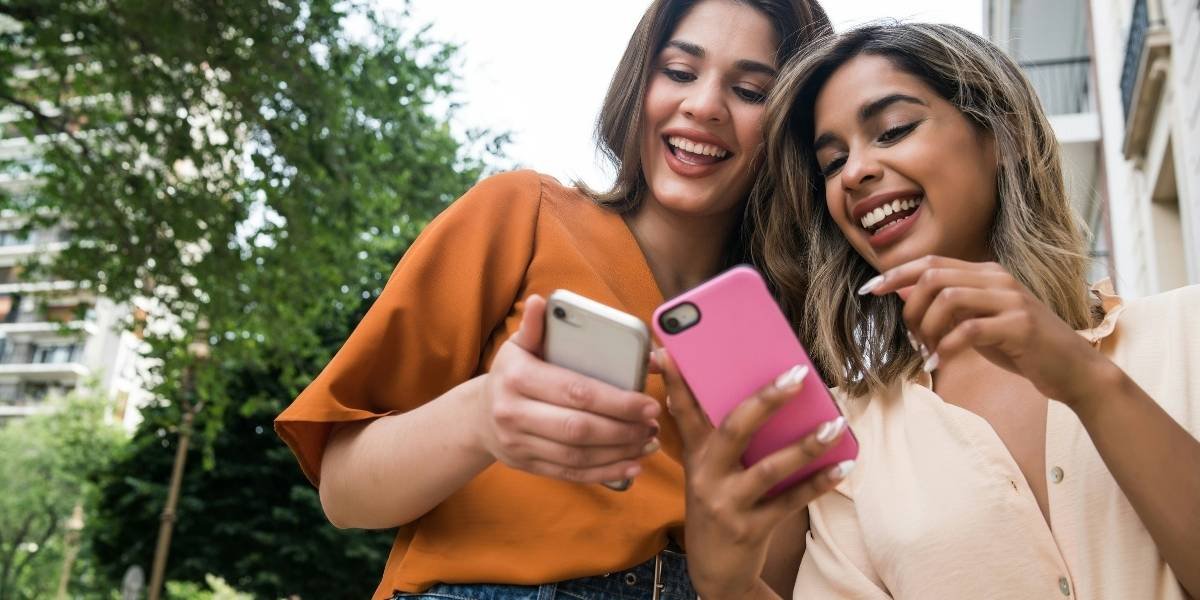
Social media platforms have become the modern mirrors for millions of young people, offering a version of themselves that is often altered by beauty filters. These filters, which smooth skin, sharpen jawlines, and brighten eyes, create a “perfect” image that rarely exists offline. While these filters might seem harmless or fun, recent studies are uncovering a deeper psychological impact, especially on the mental well-being of young users.
Experts are now raising concerns that filtered selfies are more damaging than the images we see of others online. Adolescents, particularly teenage girls, report heightened levels of anxiety, self-doubt, and body image concerns after posting filtered photos. The phenomenon of “Instagram Face” has become a standard, shaping how young people view themselves, setting a beauty bar that is difficult to achieve in the real world.
With the growing use of beauty filters, one pressing question remains: How will these altered standards of beauty impact youth mental health long term? And with a generation growing up in a digital world, will these beauty ideals continue to influence self-perception in ways that reshape mental health?
Section 1: The Impact of Beauty Filters on Self-Perception
Beauty filters are designed to enhance our appearance quickly, often making subtle changes that feel natural. They can smooth out blemishes, slim faces, and adjust facial proportions, giving users an image of perfection in seconds. While these filters can feel empowering in the moment, they create a significant gap between online identity and reality.
This gap can lead to body dysmorphia, a psychological condition where individuals obsess over perceived flaws in their appearance. Filters, when used regularly, can make the “unfiltered” self feel inadequate. This can cause cycles of anxiety and low self-esteem, particularly in adolescents still forming their sense of identity. For young people, whose self-image is often in flux, these changes can have a lasting impact.
As beauty filters become a normalized part of daily life on social media, they are no longer just tools for enhancing images, they’re influencing beauty norms in ways that are creating pressure for authenticity and realness. What once seemed like harmless fun is now contributing to a shift in how young people approach their appearance both online and offline.
The Rise of Filter Use Among Youth
For many teenagers, beauty filters are no longer an occasional tool, but an integral part of social media culture. In fact, 90% of young women report using filters before posting photos online, according to a recent study from 2025. This shows just how deeply embedded filters are in daily digital interactions.
While filters give young users a sense of control over their appearance, they also set a beauty standard that is nearly impossible to replicate in the real world. Over time, this can lead to feelings of inadequacy, especially when comparing the filtered perfection of photos to unfiltered reality. Adolescents are often left wondering why they can’t live up to the digital ideal that has become the norm.
As youth continue to grow up in a world where digital beauty is often the default, the big question is: How will they adapt? Will they reject filters and embrace authenticity, or will these filtered ideals continue to shape what’s considered “beautiful” in their eyes?
The Mental Health Effects of Beauty Filters
The psychological toll of beauty filters is becoming harder to ignore. Studies have shown that filter use is linked to increased anxiety, depression, and even disordered eating behaviors in young users. The constant exposure to altered images creates unrealistic standards, making young people internalize these ideals as achievable.
The real problem, however, is the gradual impact filters have on mental health. Unlike direct bullying or criticism, the effects of filters are subtle and accumulate over time. As young users see themselves repeatedly through the lens of a filter, they begin to develop distorted views of their appearance. This influence makes it harder to detect the emotional harm until issues like low self-esteem or body dysmorphia begin to emerge.
The quiet nature of this harm is one of its most insidious aspects. Filters might not seem overtly damaging at first glance, but the long-term effects on mental health and self-image are becoming increasingly evident.
Social Media Platforms and Their Role
Social media platforms like Instagram, TikTok, and Snapchat play a huge role in the spread of beauty filters. These apps offer a wide range of filters that encourage users to alter their appearance, while also pushing the idea that a certain level of digital enhancement is expected for engagement and popularity.
Critics argue that platforms should take responsibility for educating users about the potential harms of filters. Some suggest introducing transparency features to show when a photo has been altered or implementing age restrictions to prevent young users from being influenced by these distorted standards. Such measures could help reduce the pressure to conform to unrealistic beauty ideals online.
Should platforms like Instagram and TikTok be held more accountable for the mental health impact caused by beauty filters? Or is it up to users and families to manage their digital habits? This debate continues to evolve, as the impact of digital beauty standards becomes more apparent.
Shifting Standards of Beauty and Identity
Beauty filters are not just changing how people present themselves online, they’re reshaping the very idea of beauty. The rise of “Instagram Face”—with flawless skin, symmetrical features, and high cheekbones, has created a homogenized beauty ideal that crosses cultural and geographic boundaries.
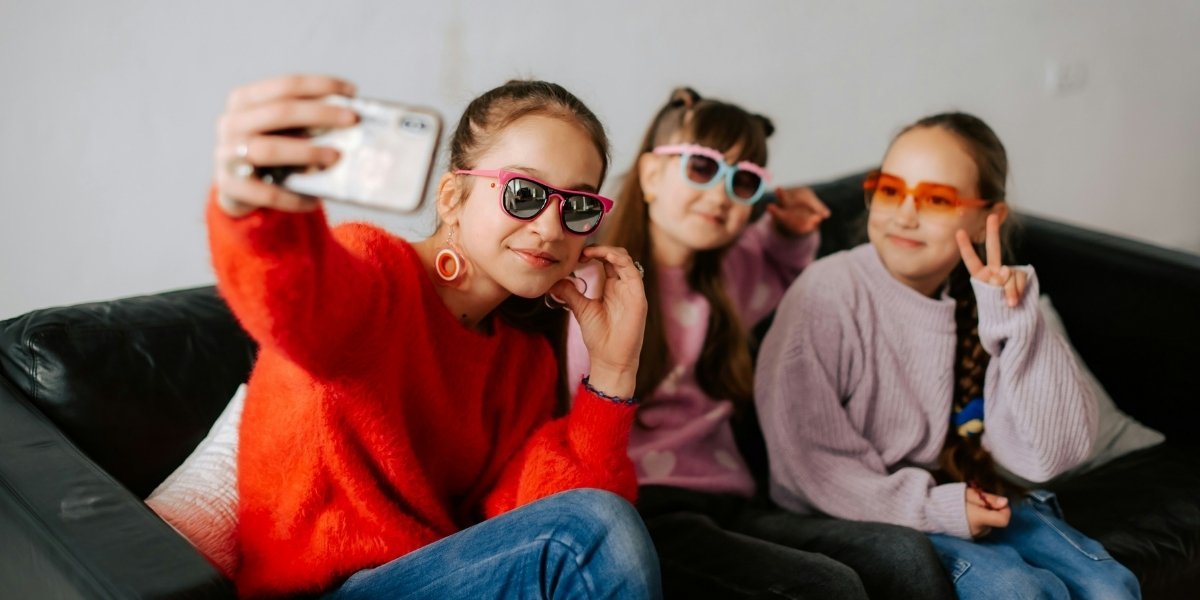
Photo Credit: Unsplash.com
This trend raises important questions about individuality and diversity. If filters continue to push everyone toward the same idealized look, what happens to the celebration of natural beauty and uniqueness? For many young people, this is a real issue, especially for those who feel they don’t match the digital ideal.
As beauty standards become more rigid and digitally defined, the conversation about the impact on diversity and authenticity in youth culture is gaining momentum. Filters are influencing not just beauty, but fashion trends, cosmetic surgery, and even workplace expectations, further entrenching the idea that perfection is attainable through digital enhancement.
Building Digital Literacy and Resilience
Experts agree that digital literacy is key to mitigating the harmful effects of beauty filters. Teaching young people how to recognize the difference between filtered and unfiltered images can help reduce the pressure to conform to unrealistic beauty standards. Schools, parents, and communities all have a role in fostering this literacy and encouraging self-acceptance in the face of digital perfection.
Movements like filter-free challenges, where users post authentic photos without any alterations, are becoming increasingly popular. These challenges are a growing form of resistance against the pressure to conform to digital beauty standards. While these movements are still small, they represent a cultural shift toward valuing authenticity and promoting self-confidence without relying on digital enhancements.
The big question is whether these movements will grow into mainstream culture, or whether filters will continue to dominate how beauty is defined online. As young people continue to push back against unrealistic beauty standards, the future of digital beauty may take a different shape.
The Road Ahead for Youth and Mental Health
As the influence of beauty filters continues to grow, it’s crucial to acknowledge their impact on youth mental health. The growing body of research on filter use will help shape our understanding of how these filters affect self-image, body confidence, and overall mental well-being. However, platforms, policymakers, and educators will need to collaborate to ensure that youth are equipped with the tools to navigate a world where digital beauty is increasingly the norm.
To prevent further harm, we must strike a balance between allowing digital creativity and protecting the mental health of young users. Filters may not be inherently harmful, but when unchecked, they can create unrealistic standards that take a toll on mental health over time. Finding ways to enjoy the creativity of digital tools without sacrificing well-being will be a challenge moving forward.
Ultimately, this issue is about more than just filters, it’s about how we define beauty, self-worth, and authenticity in the digital age. As we continue to reshape these definitions, the key question is whether we can foster a culture of acceptance and resilience, rather than one based on digital perfection.