Recognizing Red Flags in Emotional Abuse: What I Wish I Knew About Manipulation and Control in Wendeline McDonald’s ‘The Unloved Child’

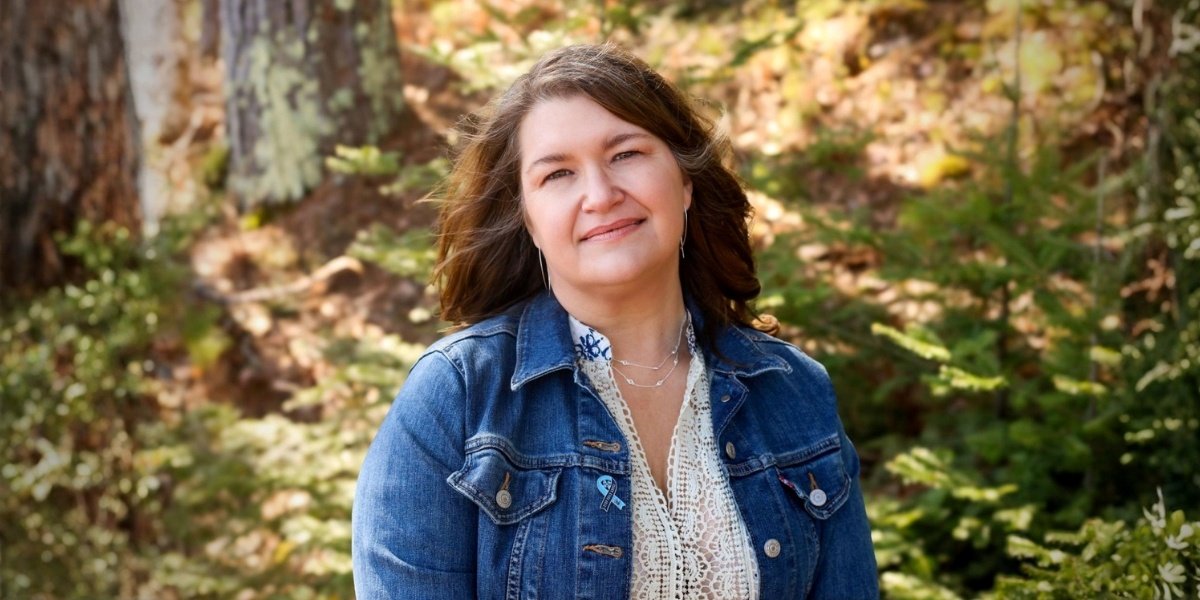
By: Jackie B. Eller
Manipulation and control are not always immediately obvious. They may begin with seemingly small things, hidden behind words that may appear loving or caring. Many people may not realize they are in an abusive relationship until they find themselves feeling deeply trapped. Looking back, I wish I had been able to recognize the red flags sooner.
Abuse is not only physical. Emotional abuse can also be incredibly damaging. It may begin with what feels like concern, but over time, it can evolve into controlling behaviors. A partner might say, “I just worry about you,” when trying to influence what you wear or who you talk to. Initially, this might seem like love, but over time, this concern can transform into rules and restrictions that can feel stifling.
In The Unloved Child by Wendeline McDonald, the protagonist experiences this type of control from the people who are meant to protect her. They dictate her actions, her words, and even her thoughts. She learns to comply, as resisting might lead to punishment.
Another potential red flag is isolation. Manipulative individuals may want to limit their victims’ access to support. Over time, they might attempt to separate them from friends and family. They might say, “Your friends don’t care about you like I do,” or “Your family is against us.” These words can plant seeds of doubt and fear. In The Unloved Child, Wendeline finds herself distanced from love and kindness. Her world becomes more isolated as her abuser works to remove her connections to others.
Gaslighting is also a common sign of manipulation. An abuser might make the victim question their own reality. They could say, “That never happened,” or “You are imagining things.” Over time, the victim might start doubting their own memories and instincts, leading to feelings of confusion and loss. Wendeline McDonald depicts this feeling in The Unloved Child, where Wendeline grows up believing she is the problem because her abuser convinces her that her pain is not real.
Controlling individuals may also use guilt and fear as tools to gain power. They can make the victim feel responsible for their emotions. For example, they might say, “If you loved me, you would do this for me,” or “Look at what you made me do.” This can make the victim feel guilty for standing up for themselves. In The Unloved Child, Wendeline often faces this type of manipulation. She is made to believe that her suffering is her fault, which can keep her trapped in a cycle of self-blame.
Financial control is another way abusers might exert power over their victims. They may take away access to money or create a dependency, making it more difficult for the victim to leave. Without financial resources, many victims feel as though they have no other option but to stay. While this type of control is often less discussed, it can be a powerful tool of manipulation.
Jealousy and possessiveness are often confused with love. A controlling partner might say, “I can’t bear the thought of losing you,” while demanding to know where you are at all times. They may accuse you of cheating or lying, even when you haven’t done anything wrong. This can create unnecessary drama to keep the victim emotionally exhausted. In The Unloved Child, the abuser uses this tactic to maintain power over Wendeline, making her feel guilty for things she didn’t do.
Breaking free from manipulation and control is not simple, and it can take time. The first step is recognizing the signs early. Abuse is not always obvious, and it may begin with small, seemingly harmless demands that, over time, can escalate into more controlling behaviors. By the time the victim realizes what is happening, they may feel too weak to fight back.
If any of these red flags resonate with you, it’s important to understand that you are not alone. Many people have experienced similar situations. It is possible to escape and begin the healing process. The Unloved Child by Wendeline McDonald serves as a powerful reminder of the lasting effects of abuse, while also showing the potential for survival and recovery. The past doesn’t have to define a person. Healing is a journey that can take time, but it is possible. If you are looking for a story that speaks to the silent struggles many people face, this book is one that should not be overlooked.
Disclaimer: The content of this article is intended for informational purposes only and should not be considered as professional advice. The discussion of manipulation, control, and emotional abuse is based on personal experiences and literature, and may not reflect the experiences of all individuals. If you or someone you know is experiencing abuse, it is important to seek help from a licensed professional or support services. The views expressed in this article are those of the author and do not represent any specific therapeutic or legal guidance.