Women's Journal

The Truth About Soy: Debunking the Myths and Embracing Its Benefits

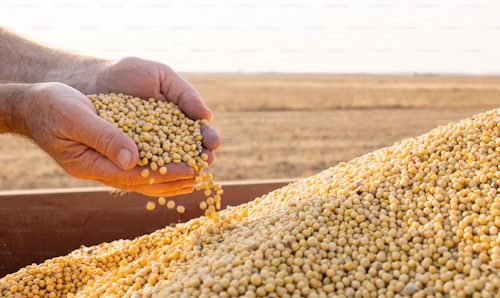
In a world of ever-changing nutrition advice, soy has endured as one of the most misunderstood foods on the planet. Once hailed as a superfood and dietary staple in cultures known for their longevity, soy has, in recent decades, been vilified in Western wellness circles—especially in the context of hormone-related cancers. But does soy deserve the bad reputation it’s often given? Mounting scientific evidence and global health trends suggest otherwise. 

Let’s set the record straight: not all soy is created equal. The type of soy being consumed—specifically whether it’s genetically modified (GMO) or not—plays a critical role in its health effects. While genetically modified soy makes up approximately 95% of U.S.-grown soybeans and carries legitimate concerns due to unnatural DNA combinations (including sequences from bacteria and even mice), this is vastly different from the non-GMO soy consumed for thousands of years in traditional diets across Asia. 

And it’s that traditional, non-GMO soy that’s worth a second look. 

A Common-Sense Contradiction

The fear surrounding soy largely hinges on the claim that it contains estrogen-like compounds that may increase the risk of hormonally mediated cancers such as breast and prostate cancer. Yet, a simple comparison of global dietary patterns tells a different story. 

Asian populations—particularly in Japan and parts of China—consume up to 10 times more soy than their Western counterparts. Despite this, these populations exhibit significantly lower rates of breast and prostate cancer. In fact, a study cited in The Journal of the American Medical Association noted that Japanese women have four times fewer incidences of breast cancer than American women. Perhaps even more telling is that when Japanese women relocate to Western countries and adopt a Western diet, their cancer rates rise to match the rates of their host country—despite their genetics remaining unchanged. 

This points to something not often emphasized in soy debates: context matters. The type of soy, the rest of the diet, and environmental factors all influence outcomes.

Clearing Up the Confusion 

Much of the confusion stems from an outdated misclassification. Decades ago, researchers mistakenly identified compounds in soy called isoflavones as estrogen. While these plant-based compounds share a molecular similarity with estrogen, they are not the same. Estrogen is produced by animals (including humans), not plants. 

However, these isoflavones can bind to estrogen receptor sites on human cells. Here’s the crucial distinction: rather than triggering harmful estrogenic effects, they may block stronger, more harmful forms of estrogen from binding—effectively offering a protective effect against certain hormone-driven cancers. 

In short, soy doesn’t fuel estrogen-sensitive cancers; it may actually help fight them. 
The Truth About Soy: Debunking the Myths and Embracing Its Benefits

Photo courtesy: Unsplash.com

The Science Says: Soy Is Safe—and Beneficial

In recent years, world-renowned health institutions have updated their guidance on soy. The University of Texas MD Anderson Cancer Center notes that soy consumption may benefit breast cancer survivors. Their research now suggests that soy is safe to include as part of a balanced diet for those in recovery.

Similarly, the Journal of the American Medical Association published findings indicating that women with breast cancer who consume more non-GMO soy are less likely to experience recurrence than those who eat little or none. 

The American Cancer Society adds that soy protein isolate—often used in research for its purity—has shown no harmful effects in clinical trials. And perhaps most notably, Stanford School of Medicine states that soy is not only a reliable protein source but that it may help reduce the risk of hormone-related cancers, including prostate and breast cancer. 

These statements from trusted institutions mark a decisive shift from soy fear to soy favor. 

So, Should You Eat Soy? 

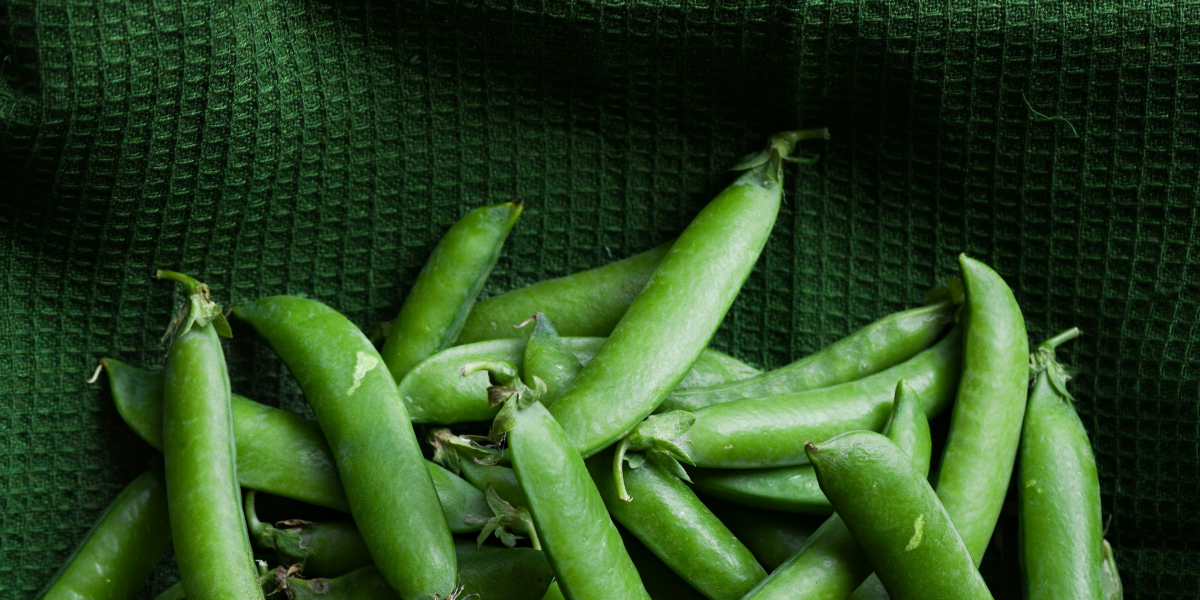
If you’re consuming non-GMO, minimally processed soy—such as edamame, tempeh, tofu, or traditional soy milk—the answer appears to be a resounding yes. These forms of soy retain their full spectrum of nutrients, including fiber, vitamins, minerals, and beneficial phytonutrients. They are a staple in many plant-forward diets and offer a sustainable, affordable protein option. 

The key is avoiding the highly processed, genetically modified versions found in many packaged foods. If you’re reading an ingredient list and see “soy protein concentrate” or “hydrolyzed soy,” it’s likely not the kind of soy health experts are encouraging. 

Final Thoughts 

In an age where chronic disease is on the rise and misinformation spreads rapidly, it’s important to base dietary decisions on sound science rather than outdated fears or food fads. When it comes to soy, separating fact from fiction could improve health outcomes for millions—especially in the West, where lifestyle diseases are prevalent.

Far from being harmful, non-GMO soy appears to be a powerful ally in disease prevention, hormonal balance, and overall nutrition. And that’s not just an opinion—it’s the conclusion of decades of evolving research and real-world evidence.

So the next time you enjoy a soy product derived from non-gmo, organically grown soy, you can feel confident that soy isn’t a threat to your health. In fact, it just might be a vital part of restoring it.

Disclaimer: The statements made in this article have not been evaluated by the Food and Drug Administration (FDA). This article is for informational purposes only and does not constitute medical advice. Individuals should consult a healthcare professional before making significant changes to their diet, especially those with hormone-related health conditions. 

The Growing Impact of Female Drivers in Motorsports

Women’s involvement in the high-speed world of professional race car driving spans nearly a century, despite often facing significant challenges in gaining recognition. Early pioneers like Hellé Nice, who made her mark in the 1930s, and Maria Teresa de Filippis, notably the first woman to compete in Formula One during the 1950s, demonstrated immense courage and skill. They ventured into a sport overwhelmingly dominated by men, encountering considerable obstacles. These included widespread societal skepticism about their capabilities, limited access to the most competitive vehicles, and exclusion from numerous established racing circuits.

Read Also: Pioneering Women in Extreme Sports: Overcoming Challenges and Redefining Limits

Despite these substantial barriers, female drivers consistently pursued their passion, often competing in less prominent or local events. Their unwavering determination was crucial in establishing a foundation for future generations of women interested in motorsport. For much of the 20th century, participation by women in racing remained largely unrecognized or, at times, was treated more as a novelty than a serious athletic endeavor. It was not until the later part of the 20th century and the dawn of the 21st that organized support and evolving cultural attitudes began to open more meaningful pathways.

How has the presence of women in racing changed over time?

The participation of women in professional motorsports has seen a steady increase in recent decades. The emergence of highly visible figures, such as Danica Patrick, who achieved a historic win in an IndyCar race, and Simona de Silvestro, a consistent competitor in both IndyCar and Formula E, brought significant attention to female racers. Their achievements served as powerful inspirations, encouraging more women to pursue careers behind the wheel. For instance, Danica Patrick’s 2008 Indy Japan 300 victory marked a pivotal moment, being the first time a woman had won a major open-wheel race.

Racing organizations across the globe have increasingly acknowledged the importance of inclusivity within the sport. This recognition has led to the launch of various initiatives specifically designed to nurture female talent. Programs like the W Series, an all-female single-seater racing championship, which began in 2019, exemplify this shift. The W Series provides a dedicated competitive platform for women, aiming to bridge any experience gaps and prepare drivers for entry into top-tier competitions like Formula 1. The diversification of racing disciplines has also created more opportunities for women. While some drivers excel in open-wheel categories, others find success in areas like stock car racing, rally driving, or endurance events. This expansion of available racing arenas has greatly contributed to a more vibrant and visible female presence throughout motorsport.

What impact are female drivers having on professional racing?

Women racers are making a profound impact by actively challenging long-held stereotypes about gender and athletic capability. Their demonstrated skill, impressive speed, and strategic prowess command respect from fans and fellow competitors alike. Female drivers consistently prove that success in racing is ultimately about talent, rigorous preparation, and mental fortitude, rather than gender. For example, during the 2023 season, Jamie Chadwick continued to showcase her talent, securing multiple victories in regional racing series, further cementing the capability of female drivers.

Their increasing presence also helps broaden the sport’s appeal by attracting a wider and more diverse audience. Young girls and women can now see themselves represented on the track, which helps fuel their own aspirations and participation in motorsport. This increased diversity enriches the entire culture of racing and creates new opportunities for sponsorships and partnerships, making the sport more dynamic. Beyond the competition itself, many female drivers leverage their public platforms to advocate for important issues, including promoting STEM education, enhancing safety measures within motorsport, and advancing gender equality. Their influence extends well beyond the boundaries of racing circuits, contributing to positive social change and empowerment in broader society.

How have societal attitudes toward women in racing evolved?

Public perception regarding women in motorsport has gradually shifted from earlier dismissiveness to a growing sense of respect. Historically, female drivers were often viewed more as curiosities than as serious, legitimate athletes. They frequently faced skepticism and doubts about their physical capabilities, stamina, and mental toughness required for high-performance racing.

Over time, broader societal changes, coupled with numerous notable successes by female drivers, have helped to soften these ingrained biases. Media coverage now increasingly highlights women’s achievements in racing, portraying them as fierce competitors. Fans across various racing series celebrate their skill and determination on the track. While gender stereotypes do persist in some areas, they are being actively challenged by passionate advocates, dedicated organizations, and the athletes themselves. However, it is true that some resistance still exists within certain segments of racing culture, where traditional views and a focus on masculinity may remain deeply ingrained. Continued efforts to create truly inclusive environments remain crucial for overcoming any lingering prejudices and ensuring that all women feel genuinely welcome and valued within the sport.

What challenges do women in professional racing still encounter?

Despite considerable progress, female drivers continue to face significant challenges within professional racing. Disparities in funding are among the most substantial obstacles. Women often receive fewer sponsorship opportunities and, consequently, lower prize money compared to their male counterparts. This financial gap can severely limit their access to top-tier teams, the latest equipment, and comprehensive training, directly impacting their performance potential and career advancement.

Cultural and institutional barriers also persist. Some women report experiencing forms of discrimination or exclusion, ranging from subtle biases to more overt instances. Gaining full acceptance and respect within traditionally male-dominated paddocks and team environments can be difficult, requiring exceptional resilience and unwavering determination. The physical demands of racing are intense, requiring drivers to withstand high G-forces and maintain extreme focus for extended periods. Female drivers work diligently to meet these rigorous requirements, often while simultaneously navigating lingering misconceptions about their strength and endurance. Balancing a demanding racing career with personal responsibilities, particularly family life, adds another layer of complexity that can present unique challenges.

What does the future hold for women in professional race car driving?

The future outlook for women in professional racing appears increasingly promising. The continued expansion of programs specifically focused on female driver development, along with broader inclusive initiatives, is fostering talent from grassroots levels all the way up to professional circuits. Organizations like the W Series are playing a vital role in creating more visible pathways for greater recognition and higher levels of competition. For instance, the number of women participating in karting, often the entry point into motorsport, has seen a steady rise of approximately 15% over the last five years in some regions, indicating a growing pipeline of talent.

Read Also: Women in Sports: Breaking Barriers and Achieving Excellence

Technological advancements and the increasing use of data-driven training tools are enabling drivers to optimize their performance and help bridge any experience gaps more efficiently. Digital platforms and social media offer female athletes direct access to fans and potential sponsors, empowering them to build personal brands and secure essential financial backing independently. A growing spirit of collaboration between racing bodies, corporate sponsors, and educational institutions is further promoting sustainable growth and diversity within the sport. As traditional barriers continue to diminish, the presence of women on racetracks worldwide is expected to continue its upward trajectory, enriching the sport with diverse perspectives and inspiring new generations of aspiring drivers.

How Women Are Shaping the Future of Boxing

Women’s boxing, once largely dismissed, possesses a rich yet often overlooked history. While the sport has traditionally been closely associated with men, women have been stepping into the ring for centuries. Early historical records indicate female boxing matches occurring as far back as the 18th century. However, these events were typically met with considerable skepticism and received very limited support from broader society. Despite facing significant societal challenges and ingrained stereotypes, women consistently continued to train and compete, often in informal or underground settings.

Read Also: Alaina Akcakaya: Boxing Gear Pioneer

The struggle for widespread acceptance was a major barrier for many decades. Women in boxing faced outright bans, a general lack of recognition, and extremely scarce opportunities to compete officially. It was not until the later part of the 20th century that female boxing began to gain any legitimate traction. Pioneering fighters and dedicated advocates tirelessly championed for equality, directly challenging outdated notions about gender roles and physical capabilities. Their persistent efforts were crucial in opening doors to official competitions and gradually increasing the sport’s visibility in media.

How has women’s boxing changed over time?

The evolution of women’s boxing mirrors broader societal shifts concerning gender roles and the pursuit of equality. In the 1990s and early 2000s, the sport achieved significant milestones, including the first officially sanctioned professional bouts and its inclusion in major international sporting events. Organizations like the International Boxing Association (AIBA) began to formally recognize female competitors, a crucial step toward legitimacy. Media exposure also expanded, with televised matches and high-profile female boxers beginning to capture public attention. This increased visibility served as a powerful inspiration for new generations of athletes to pursue the sport, thereby expanding its global reach. Rules and regulations were also carefully adapted to ensure the safety of participants while maintaining the competitive integrity that defines boxing.

Today, women’s boxing is a well-structured sport encompassing multiple weight classes and recognized world championships. The sport now attracts talented athletes from incredibly diverse backgrounds, which contributes to a rich and highly competitive landscape. This evolution is a testament to the remarkable resilience and determination shown by generations of women in breaking down traditional barriers.

What impact have female boxers made in the sport?

Female boxers have made a profound impact on the sport by consistently demonstrating exceptional skill, remarkable toughness, and strategic prowess. Their compelling performances directly challenge long-held misconceptions about women’s physical capabilities and bring a fresh, dynamic energy to boxing. For example, the compelling competitive spirit of many female athletes on display in major championships has captivated audiences.

Champions such as Laila Ali, Claressa Shields, and Katie Taylor have become influential role models, proving unequivocally that women can excel at the absolute highest levels of competitive boxing. Their success has significantly raised the sport’s profile and has also led to increased sponsorship opportunities, paving the way for more viable professional careers for aspiring female fighters. Beyond their achievements in the ring, many female boxers use their platforms to advocate for important causes, including gender equality, overall health, and personal empowerment. Many inspire young girls and promote the development of physical fitness, self-confidence, and essential self-defense skills. Their positive impact extends beyond the realm of sports, influencing broader cultural perceptions and fostering greater inclusivity.

How have societal attitudes toward women in boxing evolved?

Societal attitudes towards women participating in boxing have shifted dramatically, moving from initial widespread resistance to a growing sense of acceptance and even celebration. Earlier skepticism often stemmed from traditional gender norms, which included concerns over femininity and perceived health risks associated with a physically demanding combat sport.

As women consistently proved their capabilities and public interest in their matches grew, perceptions began to change. Media portrayals evolved from merely showcasing novelty acts to representing these athletes as serious, dedicated competitors worthy of respect. Broader advocacy for gender equality in sports played a significant role in bringing about policy changes that actively supported and encouraged women’s participation. Despite this undeniable progress, some challenges still remain. These can include unequal pay for female fighters, comparatively limited media coverage when contrasted with male boxing, and occasional instances of gender bias. Nevertheless, the overall trajectory is overwhelmingly positive, with increasing recognition and support for women’s boxing seen worldwide.

What challenges do female boxers still face today?

Female boxers continue to encounter obstacles that prevent them from achieving full parity within the sport. Financial disparities remain a significant concern, with typically lower fight purses and fewer sponsorship opportunities compared to their male counterparts. This financial gap can directly affect access to essential training resources, influence career longevity, and limit overall visibility.

Access to high-quality training facilities and experienced coaching can also be limited for female boxers in some areas. In certain regions, prevailing cultural attitudes and genuine safety concerns may still restrict female participation in the sport. While media coverage has certainly improved, it often still lacks the depth and frequency seen for male boxing events. Additionally, the challenge of balancing demanding athletic careers with societal expectations and personal responsibilities, such as family life, adds another layer of complexity. Advocacy groups and the athletes themselves are actively working to address these ongoing issues through increased awareness, pushing for policy changes, and building stronger community support networks.

What does the future hold for women’s boxing?

The future of women’s boxing appears exceptionally promising, driven by a surge of talent, strong advocacy efforts, and an expanding global audience. Increasing inclusion in major sporting events, particularly prestigious competitions like the Olympics, significantly elevates the sport’s legitimacy and broadens its appeal. Technology and various social media platforms are providing powerful tools for athletes to build their personal brands and connect directly with fans, often bypassing traditional media gatekeepers. This direct connection democratizes exposure and creates new opportunities for recognition and financial support.

Read Also: Elia ‘Soul Snatcher’ Carranza: Breaking Barriers in Boxing and Beyond

Increased investment in grassroots programs is crucial for encouraging youth participation and nurturing future champions from a young age. Continued efforts toward achieving equal pay, ensuring access to better facilities, and establishing comprehensive support systems are essential for the sustained growth and flourishing of the sport. Ultimately, women’s boxing is well-positioned to break through even more barriers and build enduring legacies. This ongoing journey will undoubtedly inspire countless generations of athletes and fans to come.

Empowering Change: How T. Scott Consulting Supports Minority-Led Agencies in Behavioral Health

By: Lennard James

In the ever-evolving world of behavioral health and social services, compliance and accreditation often serve as more than checkboxes—they can be fundamental to sustaining high-quality care, achieving organizational goals, and securing funding. For many minority-led behavioral health agencies, these benchmarks may be particularly challenging to meet due to systemic inequities, resource constraints, and underrepresentation in mainstream professional networks. That’s where T. Scott Consulting can make a difference, offering more than traditional consulting. They focus on partnership, cultural competence, and a practical approach to excellence.

Led by the experienced Tava Scott, M.A., T. Scott Consulting has earned recognition for helping organizations navigate the complex terrain of CARF Accreditation, regulatory readiness, and operational restructuring. But what often sets this firm apart is its deep-rooted commitment to empowering minority-led agencies, many of whom face unique challenges in accessing the tools, support, and specialized knowledge that larger organizations may take for granted.

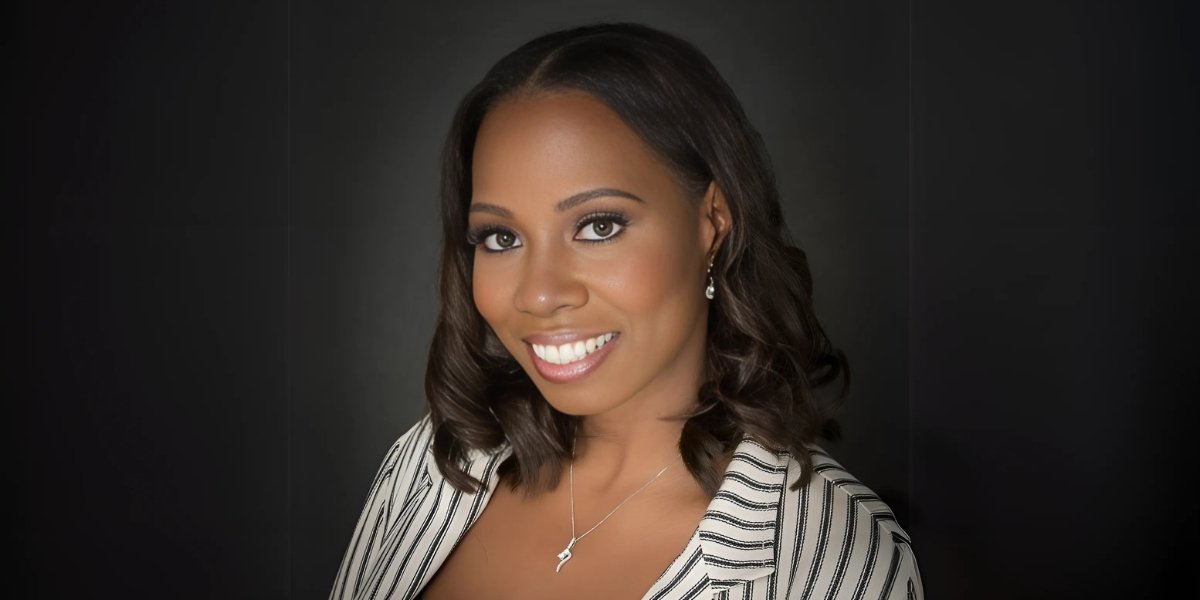
Tava Scott founded the firm with a mission to bring both strategic insight and practical support to the consulting world, especially for organizations that have historically been overlooked or underserved. As a Black woman and industry expert with over a decade of experience, Scott brings not only technical expertise but also a personal understanding of the field. She is familiar with the nuances, barriers, and cultural dynamics that can sometimes stand between passionate agency leaders and sustainable success. Her leadership balances empathy with efficiency.

The firm’s services reflect this balanced approach. Rather than offering one-size-fits-all solutions, T. Scott Consulting customizes every engagement to the specific values, challenges, and community context of the client. Whether it’s a grassroots counseling center serving Black and brown youth or a residential care facility led by a Latina director, T. Scott Consulting incorporates a culturally attuned lens that many traditional consultants may not prioritize.

One of the firm’s most valued offerings is its capacity-building model. Instead of doing the work for clients behind closed doors, the team partners closely with agency leaders and staff to co-create policies, update documentation, and implement systems that align with both CARF standards and real-world realities. This means that when an organization achieves accreditation, it’s not just meeting minimum requirements—it’s laying the groundwork for a strong, sustainable foundation.

Agencies that work with T. Scott Consulting frequently describe the experience as impactful. What starts as a compliance project can evolve into a journey of organizational renewal. Leaders often gain clarity, teams may gain confidence, and the entire agency can shift into a higher gear. Performance tends to improve, communication often strengthens, and the ability to deliver culturally responsive care can expand.

The results are noteworthy. Minority-led agencies that have partnered with T. Scott Consulting have frequently achieved CARF Accreditation on the first attempt, a milestone that can enhance their credibility, attract new funding, and elevate their profile in the behavioral health ecosystem. But the impact often goes beyond paperwork. These organizations have reported increased staff morale, improved client outcomes, and greater community trust—factors that contribute to meaningful progress.

Empowering Change: How T. Scott Consulting Supports Minority-Led Agencies in Behavioral Health

Photo Courtesy: Tava Scott / T. Scott Consulting

T. Scott Consulting’s influence is particularly visible in the way it bridges gaps—between standards and implementation, between cultural values and regulatory frameworks, and between where an agency is today and where it could go. That’s what makes their consulting not just effective, but genuinely supportive.

The firm also stands out for its commitment to mentorship and representation. Scott regularly speaks publicly about the importance of having more consultants, evaluators, and healthcare leaders who reflect the communities they serve. T. Scott Consulting doesn’t just prepare agencies for compliance—it also helps cultivate the next generation of leadership to rise with confidence and clarity.

For minority-led agencies that have long operated in survival mode, working with T. Scott Consulting can offer a shift toward thriving. The firm helps leaders move from putting out fires to building blueprints, from scrambling to strategizing, and from feeling isolated to feeling supported by a partner who truly understands.

As the behavioral health field becomes more competitive, regulated, and culturally aware, the need for culturally competent consulting is likely to increase. T. Scott Consulting is well-positioned to meet this demand, offering services that not only prepare agencies for success but help them define it on their own terms.

In a space where so many feel overwhelmed by standards, audits, and ever-changing expectations, Tava Scott and her team provide more than answers—they provide reassurance, structure, and motivation. Through their dedicated work, minority-led agencies are not just surviving—they are leading, growing, and helping reshape behavioral health care one milestone at a time.

To learn more, visit: https://tscottconsulting.com

Meet the Woman Merging Healing Hands with Powerful Words: Dr. Dominique Carson

By: Pam Perry PR

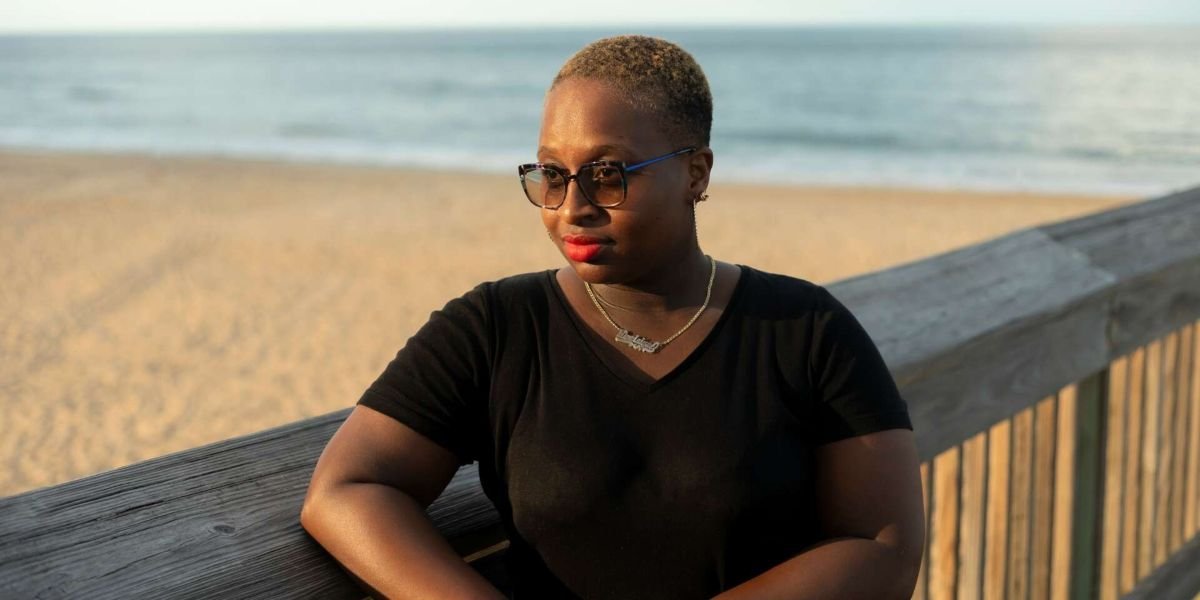
In a world where healing takes many shapes, Dr. Dominique Carson emerges as a distinctive presence, blending the art of therapeutic touch with the power of her storytelling. An award-winning author, massage practitioner, and communicator, Dominique’s path reflects resilience, faith, and meaningful purpose. From growing up in East New York to establishing a mobile massage service, she has encountered numerous obstacles and grown through them, offering inspiration to those around her. In this interview, Dominique shares her personal journey, thoughtful perspectives on success, and the heart behind her work.

Q. Why don’t you give us some details about you and your story? How did you get to where you are today?

I am an award-winning author, journalist, massage practitioner, and orator, born and raised in East New York, Brooklyn. My mother and grandmother, the late Eloise Grant, inspired me to be strong, ambitious, steadfast, and diligent. After reading Psalm 23 and the book Emma and Mommy Talk to God, I learned the importance of acknowledging and having a relationship with God.

My grandmother, cousins, Jacob (also known as my Irish twin), and the late Hassan Brown, as well as my late Uncle Ricky, all encouraged me to pursue a career that utilized my hands, which eventually led me to massage therapy. I recalled my mother’s words about the craftsmanship of my pudgy hands and my uncle’s expertise in complementary and alternative medicine (CAM).

My uncle and cousins, Niani and Fatima, also encouraged me to channel my words onto paper and write as an emotional support tool. Writing became a way for me to cope and find solace during some difficult moments of my childhood.

Q. I’m sure your success has not come easily. What challenges have you had to overcome along the way?

I have faced numerous challenges but have approached them with resilience and gratitude, which have shaped the foundation of my career and inspired me to lead with compassion and grace.

Some of the difficulties I’ve encountered include a hearing deficiency, chronic asthma, pediatric trigger thumbs, abuse of a child’s innocence, paternal abandonment, a near-fatal car accident in February 2023, layoffs, inconsistency of work as a media analyst, navigating my career as a massage practitioner after the pandemic, losing high school friends to health issues and suicide, and several losses of family members, including my late uncle Ricky in May 2025. My uncle encouraged me to develop my storytelling skills and supported my journey as a massage practitioner.

Q. Let’s talk about the work you do. What do you specialize in, and why should someone work with you over the competition?

I am a licensed massage practitioner who offers customized mobile therapeutic massages designed to help executives with muscle recovery and stress relief within two hours or less. I aim to bring wellness directly to your doorstep, creating moments of calm and restoration even in a busy lifestyle.

Mani Benedette focuses on connection rather than just convenience, with the slogan, “Soothe Your Pain, Establish Your Peace,” one session at a time. Each massage is intended to provide a meaningful experience of healing, restoration, integrity, and purpose.

For nearly six years, I have refined my techniques to deliver highly personalized therapeutic sessions, focusing on reducing stress and supporting muscle recovery.

Q. What’s your best piece of advice for readers who desire to find success?

If you want to fly like an eagle, it’s important to surround yourself with supportive and inspiring influences rather than distractions. Allowing God to guide the events in your life can provide a meaningful sense of direction. Success is rarely straightforward; it’s a journey that requires patience, perseverance, and effort. I have reached many milestones and continue to learn as I transition to full-time self-employment. Success can be a powerful response to doubt, demonstrating through accomplishments what others may have overlooked.

That said, at some point, success is less about proving anything to others and more about affirming your own potential and seeking continual guidance from God. If you rely solely on external approval, it can lead to disappointment. Being your own advocate when others question your gifts, talents, plans, or purpose is essential.

Q. Speaking of success, what does the word mean to you?

To me, success is not primarily about awards or recognition. It is about deepening your relationship with God, understanding yourself, inspiring others, and fulfilling your true calling or purpose.

A quote that resonates with me is:
“Every rose has its thorn, but the beauty of the flower makes the pain worth it in the end,” reflecting how some of my most meaningful achievements came after challenging and discouraging times.

As I’ve grown, I realized that both sunshine and rain are necessary for growth. For a long time, fear of failure held me back, but focusing intensely on my goals and seeking God’s guidance has made the rewards more meaningful. Accepting discomfort as part of growth has been an important lesson.

Meet the Woman Merging Healing Hands with Powerful Words: Dr. Dominique Carson

Photo: Unsplash.com

Q. What’s next for you?

I officially launched my mobile massage business, Mani Benedette, which translates to Blessed Hands in Italian, in early spring. I plan to serve clients in Virginia, New York City, my hometown, and other cities during special events. I will also be applying for grants to help support the business. I continue to work independently as a massage provider for companies and collaborate with other therapists on future projects.

My adult massage therapy coloring book, T.R.I.B.E., has received several award nominations and will be released in an educational and academic version this summer. Other projects for 2026 include being featured in a docuseries and participating in collaborative books titled Mind Over Matter and Boss Moves in Las Vegas, Nevada.

On the editorial front, I continue freelancing for various publications and will have two billboards this summer recognizing my work in health and journalism. My music book pitch advanced to the finals for the 33 1/3 book series, which highlights musical artists and signature albums. There are many more opportunities ahead, and I am grateful to be moving forward with purpose.

Q. Finally, how can people connect with you if they want to learn more?

You can access my free checklist, “8 Tips to Consider Before Getting a Massage,” by visiting www.tipsmassage.com.

People can also text “Massage” to 908-845-5394 to learn more about my massage services and upcoming events.

Social Media Information and Portfolio: 


How Chef Jennifer Parker Is Transforming Palm Beach Events with Nutritional Elegance

By: Samantha Draxler

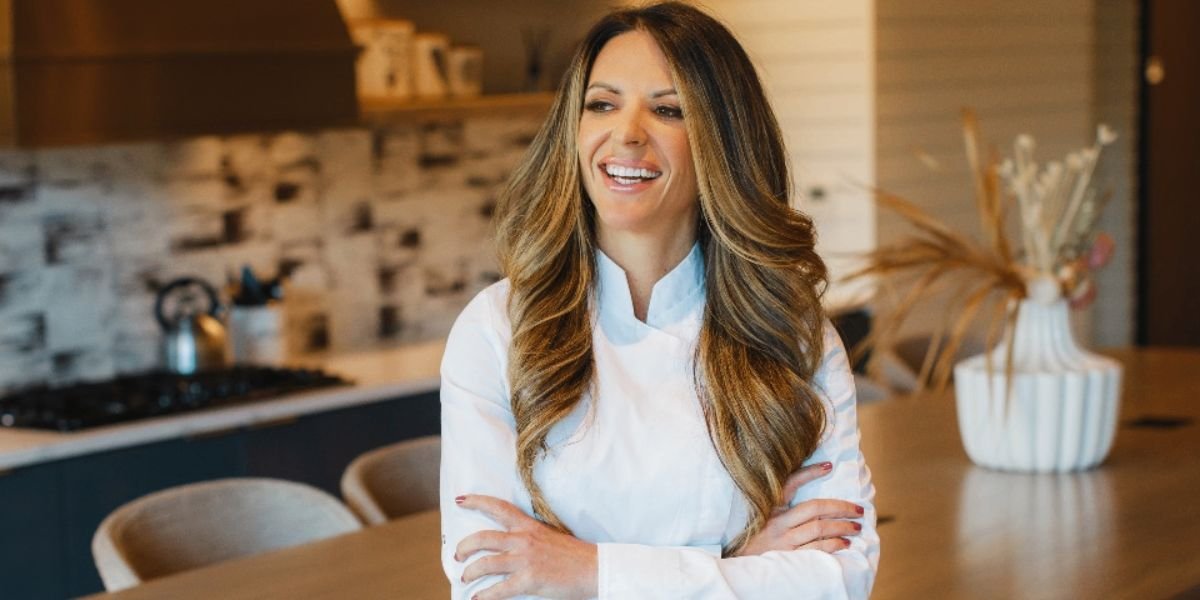
In the world of high-end catering, presentation is everything—but for Chef Jennifer Parker, what’s inside the dish matters just as much as how it looks. As the founder of Evolved Catering in Palm Beach, Florida, Chef Parker has carved out a unique niche by blending culinary beauty with nutrition-backed menus. Her events are designed not only to be visually breathtaking but also crafted to nourish the body and uplift the soul.

From intimate beachfront weddings to luxury corporate affairs, Parker’s events radiate sophistication and intention. Every bite tells a story—not just of flavor, but of balance. “I want my clients to indulge, but also to leave feeling energized and cared for,” says Chef Parker. “That’s the magic of combining nutrition with culinary artistry.”

Parker’s journey to becoming one of Palm Beach’s sought-after culinary creatives started with a deep-rooted love of food—and an even deeper commitment to wellness. She began her career as a personal chef and quickly saw the need for menus that went beyond gourmet, focusing instead on long-term health. To deepen her impact, she pursued formal education in nutritional therapy and holistic wellness, focusing on how food can be used to prevent disease, improve energy, and promote mental clarity.

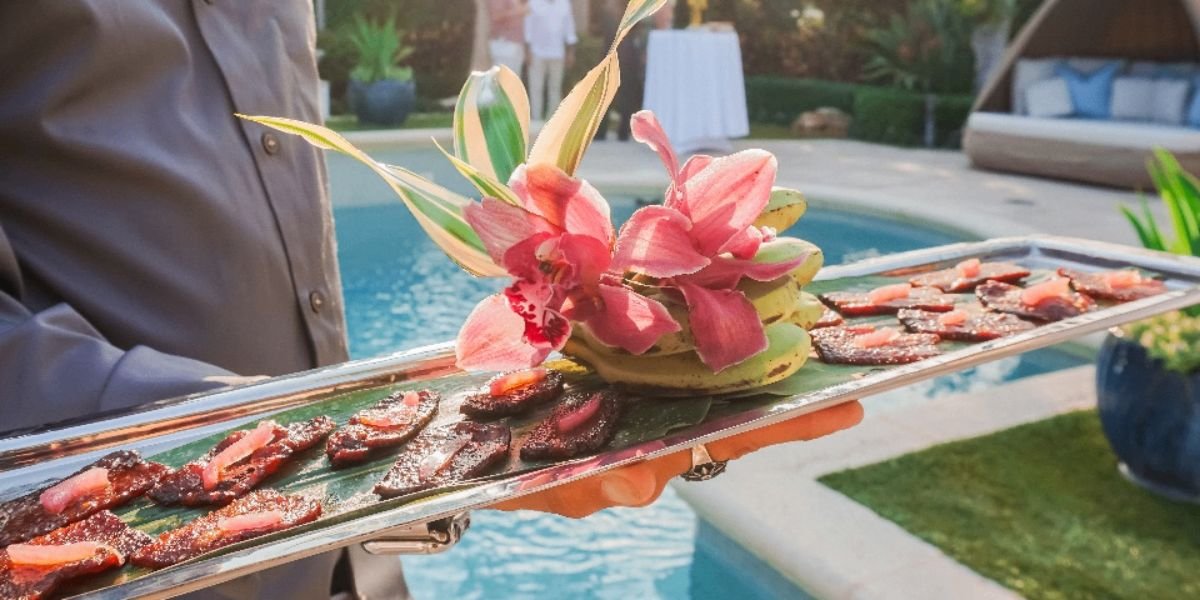
Her academic background, paired with years of hands-on experience, shaped a philosophy that is now the heart of Evolved Catering: delicious, beautiful food should also be functional. Clients can expect gluten-free, dairy-free, vegan, and low-glycemic options that don’t sacrifice indulgence. Think citrus-cured wild salmon with fennel salad, beet tartlets with cashew cream, or cacao-avocado mousse topped with fresh mint and coconut whip.

How Chef Jennifer Parker Is Transforming Palm Beach Events with Nutritional Elegance

Photo Courtesy: Evolved Catering

But Parker’s talents don’t stop at the menu. She’s become a favorite among South Florida’s elite for her ability to transform any space into a dreamy scene. Listed as one of the top private chefs by Modern Luxury Magazine, Parker makes sure each event is meticulously planned, from custom-designed floral installations to curated dinnerware and lighting, all harmonized with the client’s personal taste and health needs.

This holistic approach has earned Parker a dedicated following among wellness-forward professionals, brides, and even athletes looking for high-performance meals that still feel like a celebration. Many of her clients turn to her for long-term meal planning and private nutrition coaching, extending her reach far beyond the events she caters.

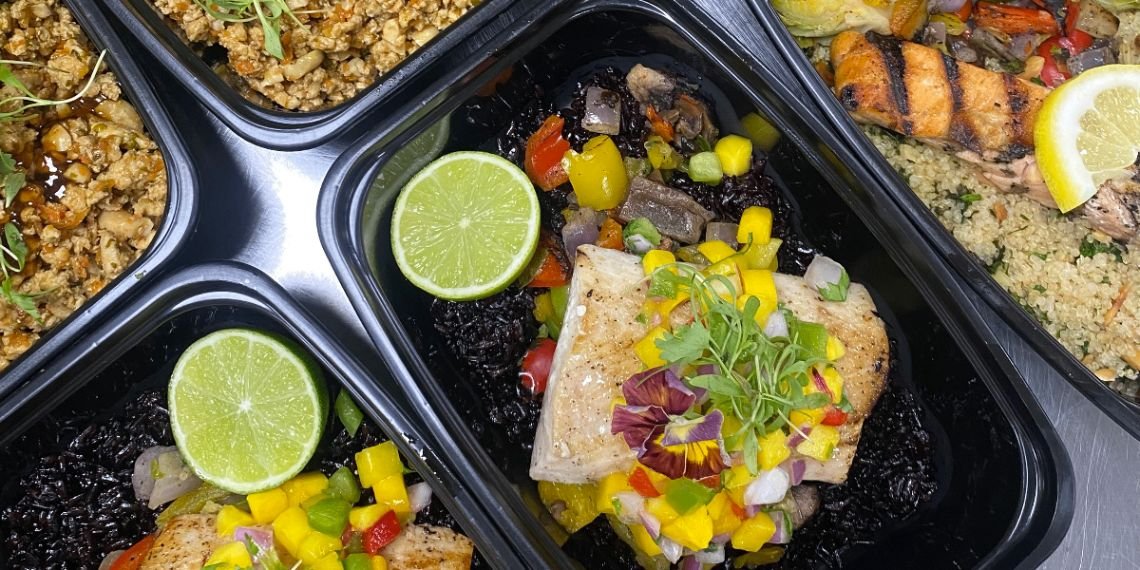
Parker also runs a wide-reaching meal prep service under the Evolved brand, delivering nutrient-dense meals tailored to her clients’ fitness, weight loss, or recovery goals. These services have become especially popular among busy executives and moms who want to nourish their families without compromising on quality or time.

How Chef Jennifer Parker Is Transforming Palm Beach Events with Nutritional Elegance

Photo Courtesy: Evolved Catering

What sets Chef Parker apart isn’t just her technical skill or aesthetic sense—it’s her philosophy. “Food is the foundation of everything,” she explains. “How we eat affects how we feel, how we age, how we show up in our relationships and work. At my events, I want every guest to feel like they’ve had a beautiful experience, but also that their body thanks them for it afterward.”

In addition to private events and meal services, Chef Parker also leads wellness retreats and corporate workshops where she teaches the art of mindful eating and meal planning. Her presence at these events is magnetic—part chef, part educator, part wellness guru—making her not just a caterer, but a lifestyle authority.

As Palm Beach continues to embrace a wellness-forward lifestyle, Chef Jennifer Parker is at the forefront of a quiet revolution. In a culture where indulgence is often at odds with health, she’s found the sweet spot—proving that you can have it all: flavor, beauty, and well-being. Through Evolved Catering, she’s not just serving food. She’s attempting to raise the standard for how we celebrate.

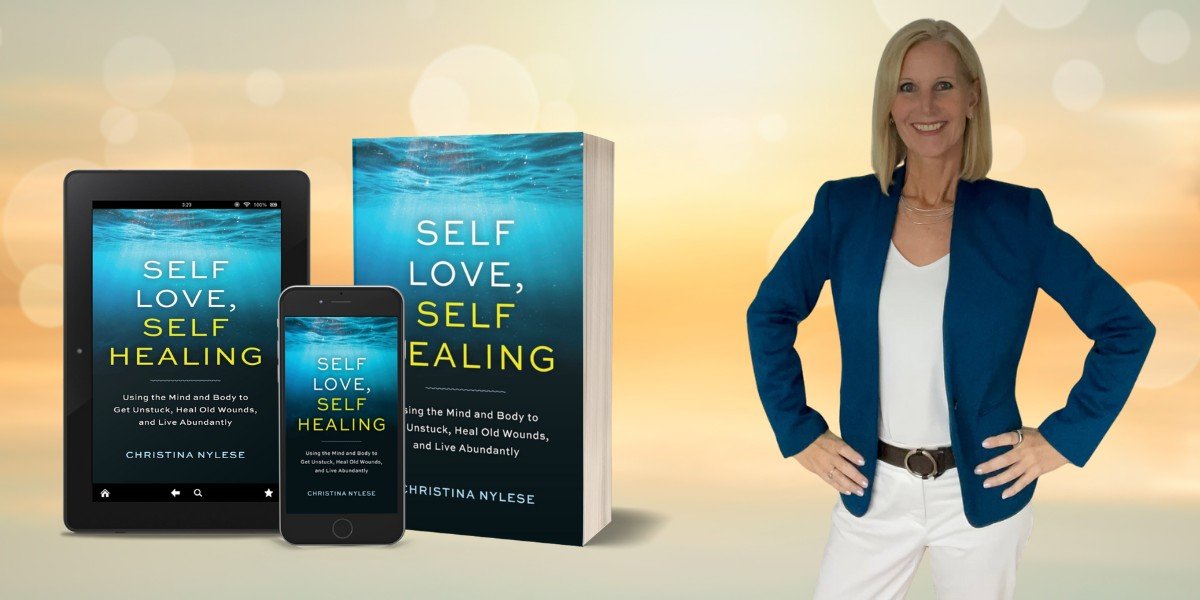
Christina Nylese’s Reflections on Mindfulness and Self-Discovery

By: Adam Klein

In her thoughtful new book, Christina Nylese opens up about her multifaceted recovery from addiction—not only to alcohol, but also to food, relationships, and perfectionism. With sincere honesty and a deep sense of compassion, she shares a story of healing, mindfulness, and self-discovery that many may find inspiring and insightful.

“I’ve always been open about my alcoholism,” she says, “but I hadn’t yet explored how deeply perfectionism and codependency were woven into my story—until I started writing.” What emerged became not just a memoir, but a guidebook intended to support others longing to break free from their own cycles of pain and self-sabotage.

A Memoir with a Thoughtful Purpose

Writing the book was a largely seamless process, a blend of storytelling and soul-guided teaching. “I couldn’t tell my story and leave readers hanging,” she says. “If you’re going to talk about a problem, you have to offer a solution.” Her natural inclination toward healing—and years of practicing mindfulness—allowed her to weave practical tools throughout the book, inviting readers not just to reflect, but to engage.

Mindfulness as a Supportive Practice

Mindfulness is a thread that runs through every chapter. Developing a consistent practice helped shift her from a state of victimhood to one of gratitude and growth. “I created a space within myself that felt safe,” she explains, “where I could focus on something other than fear or anxiety.” That shift, she believes, is potentially available to everyone who chooses to explore it.

Rewriting the Inner Script

A key part of that transformation came through changing her inner dialogue. “For most of my life, I was a self-defeatist,” she admits. “But when you realize that your thoughts influence your feelings, which influence your actions, you understand that rewiring your mind starts with awareness.” Through mindfulness and intentional self-talk, she began replacing criticism with compassion—a shift she now encourages others to cultivate.

Reconnecting to the Body

Her approach to well-being is holistic, going beyond surface-level wellness trends. “Nourishing ourselves through rest, movement, and food should be about connection,” she says. Simple yet meaningful practices—like walking without devices, using essential oils at bedtime, and eating mindfully—help build the bridge between mind and body. “It’s about slowing down, creating space, and listening to what your body might be telling you.”

Self-Healing Invitations

Perhaps one of the more innovative parts of the book is the concept of “Self-Healing Invitations”—gentle exercises inspired by the ethos of recovery communities. “There are no rules, only suggestions,” she says. “These invitations are for readers who want to move from insight to action.” Available in a book portal alongside guided meditations, they offer readers practical tools for transformation.

For the Stuck and the Struggling

To those feeling stuck or hopeless, her first instinct isn’t to give advice—it’s to hold space. “People need to feel seen, heard, and safe,” she says. “That’s often the beginning of healing.” Community played a critical role in her own recovery, helping her emerge from isolation and rebuild confidence. “People want safety more than anything,” she explains. “And connection can offer that.”

Reclaiming Time, Reclaiming Self

A significant turning point came when she redefined her relationship with time. “I stopped saying, ‘I don’t have time,’” she recalls. Instead, she focused on creating space for what mattered most. Now, she shares how others might align their priorities and energy through simple, effective time management practices—starting with mindset. “Transformation can happen when we surrender what isn’t serving us.”

An Ongoing Resource for Change

Above all, she hopes her book leaves readers feeling encouraged and hopeful. “This isn’t a book you read once—it’s a tool you can return to,” she says. Whether they’re engaging in the Self-Healing Invitations or simply finding a few minutes of quiet awareness each day, she wants readers to know that healing is not only possible—it’s often found within.

“You already have the power,” she says. “Just give it a chance.”

Self-Love, Self-Healing by Christina Nylese is available on Amazon, Barnes & Noble, and other major book platforms. Check your preferred retailer to get your copy.


Disclaimer: This article is for informational and educational purposes only and does not constitute medical or professional advice. The experiences and views shared by Christina Nylese reflect her personal journey and opinions. Individual results may vary, and readers should consult qualified healthcare or mental health professionals for personalized guidance and treatment options.