Women's Journal

Understanding Menopause: A Guide to Women’s Health by Dr. Ken Taylor


By: Lennard James

AI-generated content may not always be fully accurate. Menopause, while a natural phase of life for women, can often be a deeply misunderstood subject in healthcare and public conversation. According to Atlanta-based OB/GYN Dr. Ken Taylor, the physical and emotional changes experienced during menopause are frequently dismissed or downplayed, leaving many women unprepared and unsupported. Dr. Taylor suggests a more informed, proactive, and compassionate approach to menopause care, one that begins long before the onset of symptoms and continues with well-considered action throughout the transition.

Dr. Taylor explains that menopause is much more than the end of menstruation. It signifies a significant shift in hormonal balance, metabolism, and mood regulation, typically beginning in a woman’s mid-40s to early 50s. Officially, menopause is diagnosed when a woman has gone twelve consecutive months without a menstrual period. This phase is triggered by a decline in estrogen and progesterone, hormones that play a key role in not only reproductive function but also brain, bone, and cardiovascular health.

The symptoms that accompany menopause may be extensive. Many women experience hot flashes, night sweats, mood swings, fatigue, sleep disturbances, and a noticeable change in libido. These symptoms, while common, vary in severity and duration, potentially causing distress or disrupting daily life. Dr. Taylor emphasizes that the key to managing these changes often lies in education and preparation, starting years before menopause arrives.

One of Dr. Taylor’s passions is educating young girls and women about their reproductive health early in life. He suggests that understanding the body, hormones, and the progression of reproductive stages may help women make informed decisions and seek timely care. Unfortunately, he observes that many women first learn about menopause through trial and error rather than education. This lack of awareness can sometimes result in unnecessary challenges and delayed diagnoses of related conditions.

As women age, the importance of proactive healthcare tends to increase. Dr. Taylor urges women to take charge of their well-being by attending regular check-ups, getting routine screenings, and talking openly with their doctors about symptoms. He notes that conditions like osteoporosis, heart disease, and metabolic disorders often become more prevalent during and after menopause, but many of these health challenges may be prevented or managed with early intervention and lifestyle changes.

Nutrition can play a vital role in supporting women through menopause. Dr. Taylor advises women to focus on whole, nutrient-rich foods that may help balance hormones, maintain energy, and support bone health. Leafy greens, lean proteins, healthy fats, and calcium-rich foods are often recommended for a strong menopausal diet. Meanwhile, processed foods, added sugars, and caffeine might be ideally minimized, as they could exacerbate symptoms such as inflammation, insomnia, and weight gain.

Alongside dietary adjustments, exercise can be essential. Dr. Taylor recommends strength training to help preserve muscle mass and bone density, aerobic activities to support heart health, and body exercises like yoga to reduce stress and anxiety. Regular physical activity may improve sleep and mood, while also promoting overall vitality and self-confidence during what can sometimes be a challenging time.

Another key message from Dr. Taylor is the importance of avoiding health-compromising behaviors. Smoking, excessive alcohol consumption, and sedentary living might intensify menopause symptoms and increase the risk of chronic disease. While these habits could offer short-term relief, they may diminish long-term well-being. Women, he notes, can often benefit from small daily choices that contribute to lasting positive outcomes.

Despite the potential impact menopause has on women’s lives, Dr. Taylor believes the healthcare system could give it more attention. In many cases, women are met with indifference or inadequate treatment options. He calls for systemic changes—more research funding, better physician training, and wider public awareness—to help ensure women receive the care they need. Healthcare professionals should ideally be equipped to provide guidance, whether that includes hormone therapy, alternative remedies, or holistic lifestyle planning.

Understanding Menopause: A Guide to Women’s Health by Dr. Ken Taylor

Photo Courtesy: Dr. Ken Taylor

Dr. Taylor also encourages women to advocate for themselves. Asking questions, seeking second opinions, and pursuing education can be necessary steps in taking control of one’s health journey. The path through menopause will differ for every woman, but with the right knowledge and support, it has the potential to be a period of empowerment and transformation.

In Dr. Ken Taylor’s view, menopause should not be treated as a medical mystery or cultural taboo. Instead, it could be embraced as a natural progression, one that deserves attention, compassion, and respect. By preparing young women, encouraging open conversations, and promoting informed self-care, society may change the narrative around menopause and women’s health.

Disclaimer: This article is for informational purposes only and does not constitute medical advice. Always consult your healthcare provider for personalized guidance regarding your health and treatment options.


Published by Jeremy S.
Joey Yau on Being an International Businesswoman, Personal Growth, and Inspiring Others

By: Dr. Lucy Jeffery

Read how Joey Yau maintains a successful global business career, family life, international travel, and graduate studies at one of the world’s leading universities.

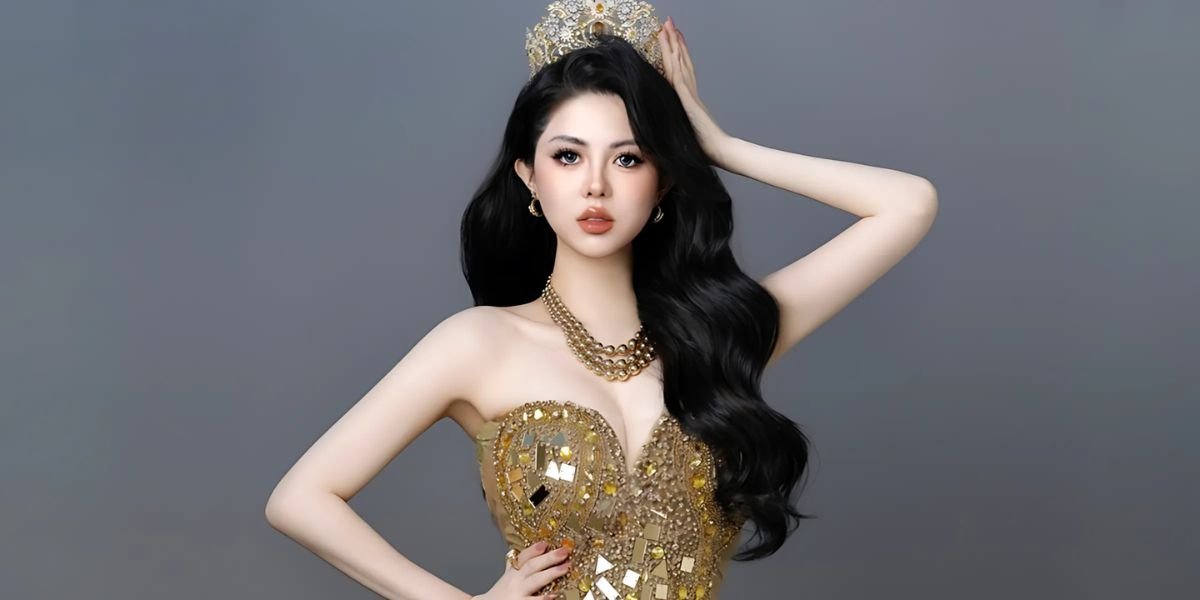
If you ever have the opportunity to meet Joey Yau, you will likely recognize one characteristic above all: she keeps herself busy! This trait began early in Ms. Yau’s life. Growing up, she was inspired by her mother’s ability to grow and expand successful businesses in China. So, from a young age, Ms. Yau got involved in making business decisions. Unsurprisingly, she went on to graduate with a BSc in Business and Finance from London’s highly regarded Bayes Business School. Following in her mother’s footsteps, Ms. Yau embarked on her latest business venture, which aims to inspire talented women to achieve global success in the business world.

Joey Yau on Being an International Businesswoman, Personal Growth, and Inspiring Others

Photo Courtesy: Joey Yau

Currently based in New York City’s Upper East Side, Ms. Yau is well-positioned to support young female entrepreneurs by drawing on her own extensive portfolio in Dubai, London, and across the US and China. Her notable inroads in the talent management of high-net-worth businesswomen have earned her an invitation to the 78th Cannes Film Festival. She will be UNESCO’s distinguished guest, recognized for her impressive journey and her contributions to philanthropy, business, and the arts. At the event, Ms. Yau hopes to inspire and elevate meaningful dialogue regarding gender equality and empowerment in entrepreneurship. She says of her own business: “I aim to give women the courage to step into a world of new collaborations with other high net-worth entrepreneurs so that they can embark upon exciting new ventures.”

Keeping Busy

If expanding her dynamic business portfolio were not enough, Ms. Yau also balances her career with a busy family life. As a devoted mum and partner, she makes the most out of every second of the day. Starting with a daily routine of an acai bowl, a workout with her personal trainer, and taking her son to daycare, Ms. Yau prepares for a day of meetings and study before enjoying dinner out with her partner at one of NYC’s most talked-about restaurants (the three-Michelin-starred Jungsik is a favorite). Her schedule may be hectic, but Ms. Yau stays cool and collected, saying: “I tend to stay busy, meeting people and making connections. I strive to be an inspiration to others so that they can find themselves and enhance their financial futures.”

Joey Yau on Being an International Businesswoman, Personal Growth, and Inspiring Others

Photo Courtesy: Joey Yau

Staying Motivated

As a graduate student of Integrated Marketing at the prestigious New York University, Ms. Yau is interested in how the use of technology in education can appeal to the next generation of learners. Discussing the latest business branding ideas with classmates and professors means that she is often engaged in the latest debates in brand management. With this knowledge, she helps her clients expand their profile and reach so that they may generate significant global revenue. As Ms. Yau told us, “It’s often about how communications, advertising, retail, and product design combine to drive growth—this is where I step in and help transform a mid-size business profile into something much bigger.”

Always Planning Ahead

If you don’t catch Ms. Yau at the world’s most esteemed fashion weeks, film festivals, political events, charity galas, or gallery openings, you might see her enjoying her passion for jewelry design at NYC’s Diamond District or Dubai’s Gold Souk. For Ms. Yau, spare time is always relished with an eye on potential new business opportunities and collaborations. She admires the work of Cindy Chao, is well-connected in the trade of Mikimoto pearls, and has deep expertise in the cut and grading of diamonds. Given her track record, we’ll have to watch this space!

So, if asked to sum up Joey Yau in just three words, we’d have to say: connected, bold, and inspiring.


Published by Joseph T.

Understanding the Cultural and Biological Significance of Eyelashes

The Allure and Artistry of Women’s Eyelashes: A Deep Dive into Beauty and Biology

Women’s eyelashes, though often a small feature in the grand scheme of beauty, carry profound cultural, cosmetic, and biological significance. These delicate strands not only serve as a natural barrier to protect the eyes but also hold a deep cultural weight as symbols of beauty and femininity. In this exploration, we delve into the biological function, cultural significance, cosmetic enhancements, and the artistry involved in eyelash care and adornment.

Read Also: Green Beauty: Embracing Eco-Friendly Practices for a Sustainable Routine

What Is the Biological Function of Eyelashes?

The primary function of eyelashes is to protect the eyes. Each lash is designed to serve as a physical barrier, preventing debris, dust, and sweat from reaching the sensitive eye area. Eyelashes act as a natural filter, keeping foreign particles away and ensuring that the eyes remain free from irritants.

In addition to protection, eyelashes also help reduce the amount of sunlight that enters the eyes. The fringe-like structure of the lashes naturally casts a shadow, minimizing exposure to bright light. Their ability to blink and catch debris also plays a critical role in maintaining eye health, preventing potential injury or infection. Beyond their practical role, eyelashes are also a vital component of the face’s anatomy, contributing to facial expressions and enhancing the eye’s appeal.

What Is the Cultural and Historical Significance of Eyelashes?

Eyelashes have held cultural significance across many societies throughout history. From the ancient Egyptians, who used kohl to darken their lashes and eyebrows, to modern-day beauty standards, long, thick, and dark lashes have been associated with femininity, allure, and youthfulness.

In many ancient cultures, such as those in Egypt and Greece, women and men alike adorned their lashes to enhance their eyes’ expressiveness. This focus on eye adornment signified beauty and sometimes power, with the eyes symbolizing the soul or even the gateway to spiritual insight. Dark, defined eyelashes were often seen as markers of elegance and sophistication, extending beyond mere function to become a powerful aesthetic tool.

Over the centuries, the symbolism of eyelashes continued to evolve, with long lashes seen as a feminine ideal in the Western world by the 19th and 20th centuries. This trend grew alongside an increasing cultural emphasis on eyebrows and lashes as essential elements of beauty and attractiveness.

How Has Eyelash Enhancement Evolved Over Time?

The enhancement of eyelashes dates back thousands of years, with early civilizations using natural substances to darken and lengthen lashes. The ancient Egyptians famously used kohl, a powder made from ground minerals, to accentuate the eyes and lashes.

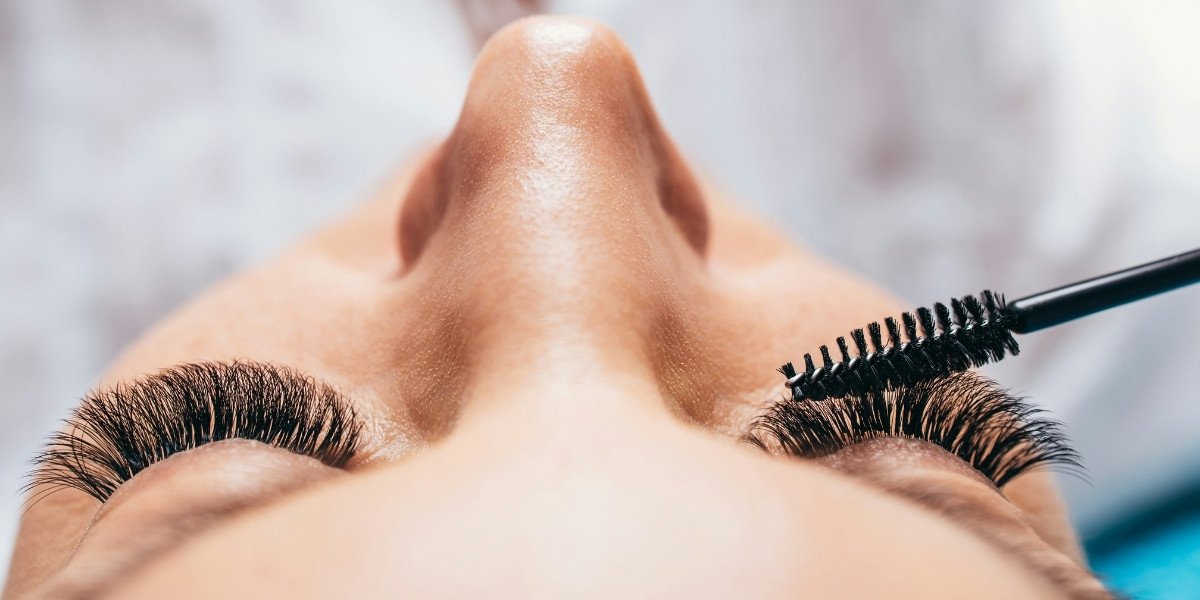
In the early 20th century, the development of mascara revolutionized eyelash enhancement. Toothbrush-style applicators and carbon black pigments allowed women to darken, lengthen, and define their lashes with a single application. With time, the formula evolved, offering longer-lasting, water-resistant options.

False eyelashes, created in 1916 by actress Seena Owen, took eyelash enhancement to new heights. These early false lashes were made of human hair, and while they were initially a novelty for film stars, they became a widespread beauty product by the mid-20th century. Eyelash extensions, which involve the semi-permanent application of individual synthetic lashes, further revolutionized eyelash aesthetics in the 21st century, offering a more natural and long-lasting alternative to traditional falsies.

What Drives the Desire for Enhanced Eyelashes?

The desire for enhanced eyelashes often stems from psychological and societal factors. Eyelashes are considered a key feature in many beauty standards because of their role in enhancing the expressiveness and depth of the eyes. For many, longer, thicker lashes are seen as a way to achieve a more attractive, youthful, and feminine appearance.

  • Self-Perception: Studies suggest that self-esteem can be influenced by one’s appearance, including eyelashes. Women who feel their eyelashes are short or sparse may turn to enhancements for greater confidence in their personal image.

  • Societal Beauty Standards: From advertisements to social media, long, voluminous lashes are often celebrated as the epitome of beauty. This has led to a rise in eyelash enhancement products as more people strive to meet these cultural ideals of attractiveness.

  • Perceived Attractiveness: Eyelashes, being close to the eyes, have been shown to have a significant impact on how we perceive facial beauty. Enhanced lashes can make a face appear more symmetrical, and research shows that larger eyes are often subconsciously associated with youth and beauty.

What Are the Art and Techniques Behind Eyelash Enhancement?

Enhancing eyelashes requires a careful blend of artistry and technique. There are several ways to enhance lashes, each with its unique application process and results.

  • Mascara: The most common and accessible form of eyelash enhancement, mascara is used to darken, lengthen, and thicken lashes. Modern formulas contain nourishing ingredients like vitamins and keratin to support natural lash health while enhancing their appearance.

  • False Eyelashes: These come in various lengths, styles, and materials, offering dramatic volume or natural enhancement. Application requires precision, as the lashes must be glued in place to fit the natural lash line.

  • Eyelash Extensions: Professionals apply individual synthetic lashes using semi-permanent adhesive. Extensions can last weeks, offering a longer-lasting alternative to false lashes. The process is highly skilled, as each lash is applied carefully to achieve a natural, voluminous look.

How Can You Care for Your Eyelashes?

Eyelash care is essential for maintaining the health and appearance of natural lashes. Proper care helps avoid damage such as lash breakage, loss, or irritation from cosmetics.

  • Cleansing and Conditioning: Gently cleansing the lashes to remove makeup and debris is crucial, especially for individuals who wear mascara or extensions. Using lash serums or oils with ingredients like castor oil can promote lash growth and health.

  • Avoiding Harsh Practices: Overuse of eyelash curlers or the application of heavy mascara can weaken lashes over time. Regular use of gentle makeup removers and avoiding excessive tugging will help maintain natural lash health.

Read Also: The Beauty and Symbolism of Different Eye Colors

How Are Eyelashes Represented in Art and Media?

In art, literature, and media, women’s eyelashes have often been used as symbols of beauty, seduction, and femininity. From Renaissance paintings that highlight the allure of women’s eyes to modern advertisements that glorify the perfect lash, eyelashes are consistently featured as an important element of the face.

On social media platforms like Instagram and Pinterest, the “lash game” has become a key trend, with influencers and beauty enthusiasts regularly posting about their eyelash routines and favorite products. Eyelashes, as depicted in art and media, continue to play a central role in shaping beauty standards, demonstrating their cultural significance across eras and platforms.