Women's Journal

The Benefits of Medicare Part D for Senior Healthcare


Medicare Part D plays a critical role in helping seniors access the medications they need without facing overwhelming costs. As a prescription drug plan, Medicare Part D is designed to cover a wide range of medications, offering financial relief and peace of mind to those who rely on regular prescriptions. Understanding how Medicare Part D works, its benefits, and how seniors can choose the right plan is essential for navigating healthcare in later years.

What is Medicare Part D and How Does It Work?

Medicare Part D is a federal program that provides prescription drug coverage to seniors and eligible individuals. It works alongside Medicare Parts A and B, addressing the significant gap in original Medicare coverage for medications. Unlike Parts A and B, which are managed directly by the government, Part D plans are offered through private insurance companies that partner with Medicare. This allows seniors to choose from a variety of plans tailored to their specific medication needs and budgets.

To enroll in Medicare Part D, individuals must already be eligible for Medicare. Once enrolled, participants pay a combination of premiums, deductibles, and copayments or coinsurance, depending on their plan. Each plan features a formulary, a list of covered drugs categorized by tiers, which determines the out-of-pocket cost for each medication. Understanding this structure helps seniors make informed decisions about which plan best suits their needs.

An important aspect of Medicare Part D is its ability to help manage costs for both generic and brand-name drugs. By offering coverage through negotiated prices with pharmaceutical companies, Part D ensures seniors can afford critical medications that might otherwise be out of reach. Additionally, financial assistance programs are available for individuals with limited income to further reduce their expenses.

How Does Medicare Part D Help Seniors Save on Prescription Costs?

One of the primary benefits of Medicare Part D is its potential to significantly lower prescription drug expenses. Many seniors take multiple medications daily, and without adequate coverage, the costs can quickly add up. Medicare Part D addresses this by spreading the cost burden across premiums, deductibles, and copayments, making prescription drugs more affordable.

For example, Medicare Part D plans are structured to include a catastrophic coverage stage. This means that after a participant’s out-of-pocket expenses reach a certain threshold, the plan covers the majority of drug costs for the rest of the year. This feature is particularly beneficial for seniors who require high-cost medications or face unexpected health challenges that necessitate new prescriptions.

The donut hole coverage gap—previously a significant financial burden—has been gradually reduced. Today, Medicare Part D provides substantial discounts on brand-name and generic drugs even during this gap, ensuring seniors can continue their treatments without interruptions. This is especially important for managing chronic conditions like diabetes or heart disease, where medication adherence is critical for maintaining health.

How Can Seniors Choose the Right Medicare Part D Plan?

Selecting the right Medicare Part D plan involves careful consideration of a senior’s medication needs, financial situation, and personal preferences. Since plans vary by coverage, costs, and included medications, it’s important to review and compare available options during the open enrollment period, which runs annually from October 15 to December 7.

To make the best choice, seniors should start by reviewing their current medications and identifying which are included in a plan’s formulary. Plans often categorize drugs into tiers, with generic drugs being more affordable than brand-name medications. Ensuring that a plan covers all necessary medications at an affordable cost is key to avoiding unexpected expenses.

Another factor to consider is the pharmacy network. Medicare Part D plans often work with specific pharmacies to provide the lowest possible prices for medications. Choosing a plan that includes a preferred pharmacy can lead to additional savings.

Seniors should evaluate the plan’s out-of-pocket costs, including premiums, deductibles, and copayments. While a lower premium may seem attractive, it’s essential to consider the total cost of the plan, especially if it involves higher out-of-pocket expenses for commonly used medications. For those with limited income, programs like Extra Help are available to assist with premiums and other costs.

Why is Medicare Part D Important for Seniors?

Medicare Part D provides more than just financial assistance—it offers seniors the ability to access the medications they need to maintain their quality of life. Without adequate prescription coverage, many older adults might face the difficult choice of skipping doses or forgoing medications altogether, which can lead to serious health complications.

By making prescription drugs more affordable and accessible, Medicare Part D empowers seniors to take control of their health. From managing chronic conditions to addressing acute illnesses, the program ensures that seniors can follow their prescribed treatments without unnecessary financial strain. Furthermore, the flexibility of choosing from multiple plans means seniors can find options that align with their unique needs, promoting both health and peace of mind.


Nanotechnology: Building the Future One Atom at a Time

How is Nanotechnology Transforming Science and Technology?

Nanotechnology, the science of manipulating matter on an atomic and molecular scale, has revolutionized how materials and devices are designed. This emerging field focuses on structures at the nanoscale, measuring mere billionths of a meter, and is paving the way for advancements once considered the realm of science fiction.

Read Also: Women’s Experiences with Body Image and Beauty Standards

In medicine, nanotechnology has already begun to redefine the delivery and effectiveness of treatments. Nanoscale drug delivery systems can target diseased cells with precision, reducing side effects and enhancing recovery rates. In cancer treatment, nanoparticles are being used to deliver chemotherapy drugs directly to tumors, minimizing damage to surrounding healthy tissues. The potential for nanotechnology to tackle complex diseases is immense, offering hope for more effective therapies in the future.

In the electronics industry, nanotechnology is at the heart of innovation. The demand for smaller, faster, and more efficient devices has driven the development of nanoscale transistors and circuits. These innovations enable the creation of compact devices that perform at unprecedented speeds. Quantum dots, a nanoscale technology, have revolutionized display technology, providing sharper and more vibrant visuals in televisions and smartphones. This transformative field continues to push the boundaries of what electronic devices can achieve.

In materials science, nanotechnology is enabling the creation of supermaterials with exceptional properties. Nanocomposites, for instance, are lightweight yet incredibly strong, making them ideal for use in industries such as aerospace and construction. Additionally, self-cleaning and anti-bacterial surfaces developed through nanoscale engineering are revolutionizing everyday materials, from clothing to kitchen appliances. The versatility of nanotechnology in creating smarter and more efficient materials is shaping the future of manufacturing.

What Role Does Nanotechnology Play in Medicine and Healthcare?

The impact of nanotechnology on medicine is profound, with researchers exploring innovative applications to improve diagnosis and treatment. In diagnostics, nanobiosensors are being developed to detect diseases at an early stage with unprecedented accuracy. These sensors can identify minute changes in a patient’s body, enabling faster interventions and better outcomes.

In drug development, nanotechnology is enhancing how medications interact with the human body. Traditional drugs often struggle to reach specific areas without affecting healthy tissues. Nanocarriers, however, can navigate through the body to deliver drugs directly to their target, significantly improving effectiveness. Gene therapy, another promising area, utilizes nanoscale tools to deliver genetic material, offering solutions to previously untreatable genetic disorders.

Nanotechnology also has the potential to address challenges in global healthcare. Portable diagnostic tools powered by nanosensors can bring advanced medical testing to remote areas. These innovations bridge the gap in healthcare accessibility, empowering underserved populations with life-saving technology. As nanotechnology continues to evolve, its contributions to medicine and healthcare promise to reshape the way we approach human wellness.

Can Nanotechnology Shape the Future of Sustainability?

Nanotechnology is emerging as a crucial tool in building a more sustainable future. In the energy sector, nanoscale innovations are making renewable energy sources more efficient. Solar panels enhanced with nanomaterials can capture sunlight more effectively, increasing energy output and reducing reliance on fossil fuels. Similarly, nanotechnology is improving the performance and longevity of batteries, accelerating the shift toward electric vehicles and sustainable energy storage.

Water purification, a critical issue in many parts of the world, is also benefiting from nanotechnology. Nanofiltration membranes are capable of removing contaminants from water with remarkable efficiency. These membranes offer a cost-effective solution for providing clean drinking water to communities facing scarcity.

In agriculture, nanotechnology is being used to create smart fertilizers and pesticides that minimize environmental harm. These nanoscale solutions ensure that crops receive nutrients efficiently, reducing runoff and waste. By integrating nanotechnology into sustainable practices, industries can lower their ecological impact while improving productivity.

Read Also: Eating Right for Fitness: Simple Tips for Women

The potential of nanotechnology to address environmental challenges lies in its ability to optimize processes at the smallest scale. As research progresses, its applications will continue to expand, offering innovative solutions to some of the world’s most pressing issues.

Mentorship and Networking: Supporting Women in Their Professional Development

Mentorship: Guiding Lights on the Path to Success

In the ever-evolving landscape of professional growth and advancement, mentorship and networking play crucial roles, particularly in supporting women as they navigate their careers. These avenues not only provide valuable guidance and advice but also create opportunities for women to build connections, gain insights, and overcome obstacles in their professional journeys. In this article, we’ll delve into the importance of mentorship and networking in supporting women’s professional development and empowerment.

Mentorship involves the guidance, support, and knowledge-sharing provided by experienced individuals to those seeking to advance their careers. For women, mentorship can be instrumental in navigating the complexities of the workplace, overcoming challenges, and unlocking opportunities for growth and advancement. Here’s how mentorship supports women in their professional development:

1. Providing Guidance and Advice:

Mentors offer valuable insights, advice, and perspectives based on their own experiences and expertise. For women facing challenges or seeking guidance in their careers, mentors serve as trusted advisors, offering practical solutions, strategies, and encouragement to help navigate obstacles and seize opportunities.

2. Building Confidence and Self-Esteem:

Mentorship can boost women’s confidence and self-esteem by providing validation, affirmation, and constructive feedback. Mentors help women recognize their strengths, talents, and accomplishments, empowering them to take on new challenges, pursue their goals with conviction, and advocate for themselves in the workplace.

3. Facilitating Skill Development:

Mentors play a pivotal role in facilitating skill development and professional growth. Through coaching, feedback, and hands-on guidance, mentors help women develop key competencies, expand their knowledge base, and enhance their leadership abilities, paving the way for career advancement and success.

Networking: Building Bridges and Breaking Barriers

Networking involves cultivating relationships, building connections, and fostering opportunities for collaboration and support. For women, networking is a powerful tool for expanding their professional circles, accessing resources, and leveraging their networks to achieve their career aspirations. Here’s how networking supports women in their professional development:

1. Creating Opportunities for Visibility:

Networking allows women to expand their visibility and presence in their industries or fields of interest. By attending industry events, conferences, and networking gatherings, women can connect with peers, influencers, and potential mentors or sponsors, increasing their visibility and enhancing their professional reputation.

2. Accessing Resources and Support:

Networking provides women with access to valuable resources, information, and support systems. Whether seeking career advice, job opportunities, or mentorship opportunities, networking enables women to tap into a diverse array of contacts, communities, and organizations that can provide guidance, encouragement, and support along their professional journey.

3. Breaking Down Barriers and Overcoming Challenges:

Networking empowers women to break down barriers, challenge stereotypes, and overcome systemic obstacles in the workplace. By connecting with other women leaders, advocates, and allies, women can share experiences, exchange insights, and collectively address issues such as gender bias, unequal opportunities, and workplace discrimination, driving positive change and progress.

Empowering Women Through Mentorship and Networking

Mentorship and networking are invaluable tools for supporting women in their professional development and empowering them to achieve their full potential. By providing guidance, encouragement, and opportunities for connection and collaboration, mentorship and networking enable women to navigate the complexities of the workplace, overcome challenges, and advance their careers with confidence and resilience. As women continue to break barriers, challenge stereotypes, and lead change in diverse fields and industries, mentorship and networking will remain essential pillars of support, fostering a culture of empowerment, inclusivity, and equality in the professional world.

How Quantum Computing Is Changing the World

Quantum computing represents a profound shift in how technology can address some of the world’s most complex problems. Unlike classical computers, which operate using binary bits (0s and 1s), quantum computers leverage quantum bits, or qubits, to perform calculations at unprecedented speeds. This breakthrough technology has the potential to transform industries and redefine problem-solving capabilities across multiple fields.

What Sets Quantum Computing Apart from Classical Systems?

At its core, quantum computing operates on principles of quantum mechanics, such as superposition and entanglement. Superposition allows qubits to exist in multiple states simultaneously, vastly increasing computing power. Entanglement, on the other hand, links qubits in ways that make their states interdependent, enabling rapid information sharing and processing.

Classical computers are exceptionally efficient at linear tasks, but their limitations become apparent when tackling problems like molecular modeling or optimizing supply chains. Quantum computers, with their ability to process multiple possibilities simultaneously, are uniquely suited for such challenges.

The speed and efficiency of quantum computing are game-changing. For instance, tasks that would take classical supercomputers thousands of years to complete can potentially be solved by quantum computers in minutes. This leap in computational power opens doors to innovations in fields like healthcare, cryptography, and artificial intelligence.

How Will Quantum Computing Transform Industries?

The potential applications of quantum computing span a wide range of sectors, making it a transformative force in the modern world. In healthcare, quantum algorithms can analyze vast datasets to accelerate drug discovery and improve disease diagnosis. For example, modeling complex proteins at the quantum level could lead to breakthroughs in treatments for chronic illnesses.

Cryptography is another area poised for disruption. While current encryption methods rely on the difficulty of solving complex mathematical problems, quantum computers can solve these problems much faster, rendering traditional cryptographic techniques obsolete. This has led to the development of quantum-safe encryption to protect sensitive information in the future.

The financial sector is also expected to benefit significantly. Quantum computing can optimize portfolios, improve risk assessment, and simulate market behavior more accurately than ever before. These advancements could lead to more efficient financial systems and greater economic stability.

In environmental science, quantum technology could model climate patterns and ecosystems with unparalleled precision. This insight can help address challenges like climate change, resource allocation, and renewable energy production. By solving problems that were previously considered intractable, quantum computing offers hope for a sustainable future.

What Challenges Lie Ahead for Quantum Computing?

While the potential of quantum computing is vast, the technology is still in its infancy and faces significant hurdles. One of the primary challenges is hardware development. Building stable qubits that can perform reliably over time requires overcoming issues like decoherence, where quantum states lose their integrity due to environmental interference.

The lack of skilled professionals in the field is another obstacle. Quantum computing demands expertise in quantum mechanics, computer science, and engineering—a rare combination. Addressing this gap requires investment in education and training to prepare the next generation of quantum scientists and engineers.

Cost and scalability are additional barriers. Quantum computers are currently expensive to build and maintain, limiting their accessibility. However, as technology advances, costs are expected to decrease, making quantum computing more widely available.

Ethical concerns also loom large. The ability of quantum computers to break traditional encryption raises questions about privacy and security. Ensuring the responsible development and deployment of quantum technologies will be essential to avoid potential misuse.

How Can You Stay Informed About Quantum Computing?

Quantum computing is evolving rapidly, and staying informed can help individuals and businesses prepare for its eventual integration into daily life. Educational resources, such as online courses, webinars, and workshops, offer accessible ways to learn about the principles of quantum mechanics and their applications.

Following developments in the quantum industry, such as advancements from leading companies like IBM, Google, and startups specializing in quantum technology, provides insight into the field’s progress. These organizations are at the forefront of innovation, working to solve critical challenges and expand quantum computing’s capabilities.

Engaging with communities focused on quantum computing can also provide valuable networking opportunities. Whether through academic institutions, professional organizations, or online forums, connecting with like-minded individuals fosters knowledge-sharing and collaboration.

Quantum computing may seem like a distant frontier, but its transformative potential is undeniable. By understanding its principles, applications, and challenges, individuals can position themselves to take advantage of this revolutionary technology as it becomes a part of everyday life.

How to Safely Recover with Post-Pregnancy Exercises

Fitness during and after pregnancy is essential for both mental well-being and physical recovery. As more women are looking for safe, effective ways to stay active during their pregnancies and regain their strength afterward, the focus has shifted towards low-impact workouts that promote overall health without putting unnecessary strain on the body. Postpartum workouts, in particular, play a crucial role in rebuilding strength, improving mood, and facilitating recovery. This article explores the benefits of tailored fitness regimens for pregnant and postpartum women, emphasizing exercises that are gentle yet effective.

Why Low-Impact Workouts Matter During Pregnancy and After Birth

Pregnancy brings about significant changes in a woman’s body. As the body adjusts to these changes, it’s essential to approach fitness with care. Low-impact workouts offer a gentle alternative to more strenuous exercises, ensuring that women can stay active without risking injury or overexertion.

During pregnancy, exercise can help manage weight, reduce the risk of gestational diabetes, and even improve sleep patterns. Low-impact activities like walking, swimming, and stationary cycling are great ways for pregnant women to stay active. These exercises increase circulation, strengthen muscles, and help manage discomforts like lower back pain and swelling. They also encourage the release of endorphins, which can positively impact mood and overall well-being.

After birth, the focus shifts to recovery and rebuilding strength. Many women experience weakened muscles, especially in the core and pelvic floor, due to the physical demands of pregnancy and childbirth. Low-impact exercises are gentle on the body while helping to rebuild muscle strength, improve flexibility, and restore posture.

Postpartum Workouts: Rebuilding Strength and Confidence

Postpartum workouts are an essential part of a woman’s recovery. However, it’s crucial to approach these exercises gradually and with patience. Immediately following childbirth, doctors often recommend waiting at least 6-8 weeks before resuming exercise, depending on the individual’s recovery.

Once cleared for exercise, low-impact routines that focus on core strengthening, pelvic floor rehabilitation, and full-body mobility can significantly help with the recovery process. Kegel exercises, for example, are effective for strengthening the pelvic floor muscles, which can be weakened during pregnancy and childbirth. These exercises not only help with bladder control but also support proper posture and reduce lower back pain.

Gentle core exercises, such as pelvic tilts and modified planks, are key for rebuilding abdominal strength. These movements also help correct the effects of diastasis recti, a condition where the abdominal muscles separate during pregnancy. Postpartum women can also benefit from low-impact exercises like yoga, pilates, and bodyweight squats, which strengthen muscles while improving flexibility and stability.

The Benefits of Exercise for Mental Health During and After Pregnancy

The mental benefits of exercise during and after pregnancy cannot be overstated. During pregnancy, hormonal changes, physical discomfort, and emotional shifts can contribute to anxiety and stress. Engaging in regular physical activity can help manage these feelings by releasing endorphins that improve mood and promote relaxation.

Postpartum depression is another concern for many women after childbirth. Research shows that exercise can significantly reduce symptoms of postpartum depression by promoting mental well-being and increasing energy levels. Low-impact activities like walking or swimming, along with more mindful practices such as yoga, can help new mothers feel more centered and calm, both mentally and physically.

Incorporating exercise into daily routines can also help with self-confidence. Many women experience body image concerns during pregnancy and after childbirth. Exercise can play a vital role in helping women reconnect with their bodies, gradually rebuild strength, and feel empowered.

Tailoring Your Postpartum Workout Routine

Every woman’s postpartum journey is unique, and workout regimens should reflect individual needs and preferences. Some women may want to focus on strength building, while others may need more emphasis on flexibility or aerobic conditioning. Consulting a healthcare professional or a certified trainer specializing in postpartum fitness can provide personalized recommendations.

A balanced postpartum workout routine typically includes:

Core exercises: Gentle but effective moves like bridges, bird-dogs, and modified planks to rebuild abdominal strength.

Pelvic floor exercises: Kegel exercises and pelvic tilts to promote pelvic health.

Cardio: Walking, light cycling, or swimming to increase circulation and stamina.

Stretching: Incorporating yoga or Pilates to improve flexibility and maintain mobility.

It’s essential for new mothers to listen to their bodies and avoid pushing too hard, especially in the early stages. Rest and recovery are just as important as exercise, and taking the time to recharge mentally and physically will contribute to long-term health and well-being.

Building a Routine That Works for You

Creating a workout routine that fits into the busy life of a new mom is one of the biggest challenges. But with the right plan, fitness can become an enjoyable and empowering part of daily life. Many women find that exercising with a postpartum workout group or a friend can make the process feel more manageable and enjoyable. Alternatively, online classes and apps designed for postpartum fitness offer the flexibility to work out at home during nap times or after the baby is asleep.

Gradually increasing the intensity of workouts as the body recovers helps prevent injury and keeps fitness routines sustainable. Building strength, flexibility, and confidence takes time, but by committing to a gentle, low-impact routine, new mothers can feel empowered and better equipped to navigate the demands of motherhood.

How Fitness Boosts Confidence and Self-Esteem

Confidence and self-esteem are often closely tied to how we view ourselves physically. When individuals engage in fitness routines, whether for weight loss, strength building, or general well-being, they often experience an increase in self-assurance. This connection between fitness and confidence-building serves as a powerful motivation driver for many.

The Psychological Benefits of Fitness

Engaging in physical activity has been shown to boost endorphin production, the brain’s natural mood enhancers. When a person works out regularly, the body releases these “feel-good” hormones, improving overall mood and reducing stress levels. Over time, this physiological shift can lead to greater self-confidence. Regular physical activity can also improve body image, making individuals feel better about how they look.

It’s common to feel more accomplished and proud after finishing a challenging workout, which in turn boosts self-esteem. As people notice physical changes and improvements in strength, stamina, or appearance, they may begin to feel more confident not just about their bodies, but about their abilities as well. This reinforces a cycle of positive thinking and motivation that can permeate other aspects of life.

Exercise as a Tool for Overcoming Self-Doubt

For many, self-doubt can be an ongoing struggle, affecting daily interactions and decision-making. The act of working out, however, provides a concrete method of fighting against these feelings. Each workout completed becomes a tangible proof of one’s capability and discipline, which helps break down the negative self-talk. Over time, fitness routines foster a sense of control over one’s body and mind. This renewed empowerment plays a significant role in improving confidence.

Working out can also push individuals to overcome challenges they might have once thought impossible. Whether it’s running a mile for the first time or holding a plank for longer than before, these small victories translate into a broader sense of self-belief. As people witness their progress, they begin to trust in their own strength, both physically and mentally.

Building a Routine that Supports Confidence

One of the most important elements of fitness as a confidence builder is consistency. When individuals establish a regular exercise routine, it becomes easier to see progress, both in physical appearance and in how they feel. Consistency helps create momentum, which can be motivating and empowering. Setting achievable goals allows people to measure their progress, fostering a sense of accomplishment.

Whether the goal is to run a certain distance, lift a specific weight, or simply commit to a routine for a few weeks, the process itself nurtures confidence. As people see themselves getting closer to their goals, their perception of what they can achieve expands. The process becomes just as important as the results, teaching individuals to trust in their capacity to meet challenges.

Fitness Creates a Sense of Belonging and Community

Confidence is not just an internal experience. Engaging in fitness activities, whether solo or in group settings, often opens doors to a sense of community. Whether it’s through group classes, fitness clubs, or online forums, connecting with others who share similar goals can foster a sense of belonging. This social aspect of fitness provides an added layer of support and encouragement.

For those who may struggle with confidence in social settings, fitness can offer a structured way to interact with others in a non-judgmental environment. It can be empowering to work alongside like-minded people who celebrate progress and encourage one another. This sense of community can reduce feelings of isolation and help individuals develop confidence in their social interactions as well.

How Fitness Empowers Women Specifically

For many women, fitness plays a pivotal role in building confidence. Societal expectations of how women should look can sometimes create pressure and contribute to body dissatisfaction. Fitness offers an avenue for women to focus on strength and health rather than solely on appearance. By prioritizing physical activity for its health benefits and personal satisfaction, women can reclaim their power and shift their focus from external judgments to internal growth.

Women often report feeling more empowered after participating in fitness activities. Whether through martial arts, weightlifting, or yoga, these forms of exercise promote a deeper connection to one’s body. As women develop greater physical strength and endurance, they often experience a sense of accomplishment and pride that extends far beyond the physical realm.

A Holistic Approach to Confidence

True confidence is built not only on external changes but also on how individuals feel internally. Fitness plays a significant role in improving both aspects. Regular exercise leads to physical improvements, such as better posture, a toned body, and improved health markers. These visible changes can have a positive impact on self-perception, reinforcing confidence.

Equally important are the internal shifts that come from setting personal goals, overcoming obstacles, and learning to appreciate the body’s capabilities. Fitness teaches individuals to honor their bodies for what they can do, rather than just how they look. This shift in focus from aesthetic value to functionality is a key component in building long-term, sustainable confidence.

The connection between fitness and confidence is not limited to the physical realm. Exercise can serve as a gateway to a more positive self-image, helping individuals develop a greater sense of self-worth. The motivation to stay active and engage in physical routines often comes from a deep-seated desire to feel better about oneself, which in turn helps foster an ongoing cycle of positive self-affirmation.

Classic vs. Modern Holiday Movies: What’s Your Favorite?

What’s Your Favorite Holiday Movie – Classic or Modern?

Holiday movies hold a special place in our hearts, bringing families together and creating timeless memories. Whether you prefer the nostalgia of classic holiday films or the fresh perspective of modern releases, both types of movies have a unique charm. Choosing between them often comes down to personal tastes and the kind of holiday spirit you’re looking to embrace.

Read Also: Edible Skincare: Nourish Your Skin from Within

Classic holiday movies like It’s a Wonderful Life or White Christmas evoke feelings of nostalgia and warmth. Their timeless stories focus on universal themes of love, redemption, and togetherness. On the other hand, modern holiday films such as Elf or Love Actually add a contemporary twist, offering humor, diversity, and innovative storytelling that resonates with today’s audiences.

Why Do Classic Holiday Movies Still Resonate?

Classic holiday films have an enduring appeal that transcends generations. Their simplicity and heartfelt messages remind us of the true meaning of the holidays. These films often highlight universal struggles, such as finding joy in adversity or reconnecting with loved ones. The black-and-white cinematography of movies like Miracle on 34th Street enhances their timeless charm, creating an atmosphere of warmth and nostalgia.

These films also provide a sense of tradition. Watching It’s a Wonderful Life every year has become a ritual for many families, creating shared memories that stand the test of time. Classic holiday movies remind us of simpler times when the holidays were more about togetherness and less about commercialism. Their messages remain relevant, making them a comforting escape during the hectic holiday season.

What Makes Modern Holiday Movies So Relatable?

Modern holiday films cater to contemporary audiences by addressing current social dynamics, diverse relationships, and unconventional storylines. Films like The Holiday and Last Christmas showcase a broader range of experiences, appealing to viewers who may not see their lives reflected in traditional holiday tales. These movies are relatable because they capture the complexities of modern life while still embracing the magic of the season.

Another standout feature of modern holiday films is their use of humor and creativity. Movies like Elf blend comedic elements with heartwarming themes, making them a favorite among both adults and children. These films also experiment with new formats, such as animated features like The Polar Express, which combine cutting-edge technology with enchanting storytelling.

By addressing modern issues while maintaining the festive spirit, these movies feel fresh and engaging. They strike a balance between celebrating the past and embracing the present, ensuring that viewers of all ages find something to enjoy.

How Do Holiday Movies Reflect Our Personalities?

Your favorite holiday movie, whether classic or modern, often says a lot about your personality and holiday traditions. Those who gravitate toward classic films may cherish traditions, value timeless morals, and enjoy the nostalgia of simpler eras. Watching A Christmas Carol might evoke childhood memories or a sense of connection with previous generations.

Read Also: Game Changers: Women in Sports, Breaking Barriers and Achieving Equality

Fans of modern holiday films often appreciate humor, creativity, and inclusivity. These viewers may be drawn to stories that reflect their own lives or present unconventional perspectives. A film like Love Actually, with its interwoven tales of love and resilience, appeals to those who see the holidays as a time of emotional connection and celebration of diversity.

Holiday movies definitely provide more than just entertainment—they offer a glimpse into the traditions, culture, and values we hold dear. They reflect the kind of holiday magic we hope to create and the way we choose to celebrate with our loved ones.

Boost Wellness with Nature-Inspired Fitness

In a world increasingly dominated by screens and indoor routines, nature fitness offers a refreshing escape. Combining physical activity with the beauty and tranquility of the outdoors, this approach to exercise not only enhances your health but also nurtures your mind and soul. Whether it’s hiking through lush forests or practicing yoga under a vibrant sunrise, nature-inspired workouts are more than a trend—they’re a pathway to holistic well-being.

Why is Nature Fitness Gaining Popularity?

The growing appeal of nature fitness lies in its ability to transform mundane routines into enriching experiences. Unlike traditional gym settings, the outdoors provides an ever-changing landscape that inspires exploration and creativity. Research suggests that exercising in natural environments reduces stress levels, boosts mood, and improves overall mental health more effectively than indoor workouts.

Imagine trading the monotony of treadmills for the soothing rhythm of waves on a beach run. The sensory experience of fresh air, chirping birds, and the crunch of leaves underfoot stimulates the senses and creates a deeper connection to the activity. Nature fitness is not just exercise—it’s a chance to reconnect with the world around you.

How Does Hiking Combine Adventure with Fitness?

Hiking is one of the most accessible and rewarding forms of nature fitness. It challenges your body while immersing you in stunning landscapes, making it feel less like a chore and more like an adventure. Whether navigating mountain trails or strolling through serene meadows, hiking offers a full-body workout that engages your legs, core, and even upper body when carrying a backpack.

The beauty of hiking is its versatility. Beginners can enjoy easy trails that gradually build stamina, while seasoned adventurers can push their limits with challenging ascents. Along the way, the changing scenery provides constant motivation, from breathtaking vistas to encounters with wildlife. Each hike becomes a story, etched with the memories of your journey.

Hiking also allows you to personalize your experience. You can go solo for a meditative escape, join a group for social connections, or bring along a loved one to share the journey. And for those who crave variety, many trails incorporate opportunities for other activities like birdwatching or photography, enriching the overall experience.

What Makes Yoga in Nature So Transformative?

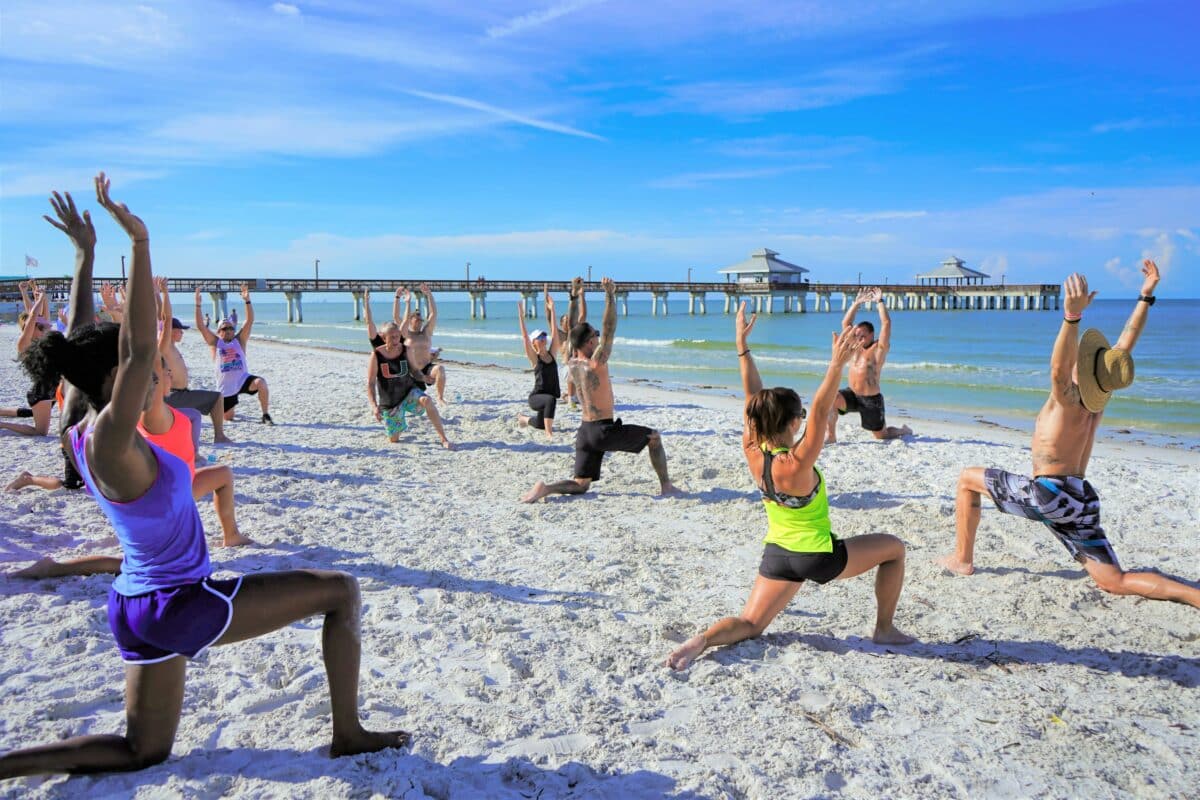
While hiking emphasizes movement, yoga in nature focuses on stillness and mindfulness. Practicing yoga outdoors creates a unique synergy between the body, mind, and environment. The feel of grass beneath your hands, the sound of rustling leaves, and the warmth of the sun on your skin all enhance the meditative aspect of yoga.

Outdoor yoga doesn’t require fancy equipment or a studio. A simple mat and a peaceful location are all you need. Parks, beaches, and even your backyard can become a sanctuary for poses and breathwork. These settings encourage a sense of calm that amplifies yoga’s mental and physical benefits.

Yoga in nature also invites spontaneity. A gentle breeze can guide your breathing, while the sight of a tree inspires balance-focused poses. Even challenges, like uneven ground, foster creativity and adaptability. The combination of yoga’s grounding techniques and the uplifting presence of nature leads to a profound sense of harmony and gratitude.

How Can You Build a Nature Fitness Routine?

Starting a nature fitness routine is simpler than it seems, and the rewards are immense. Begin by identifying activities that resonate with you. Do you prefer high-energy cardio, like trail running, or more meditative pursuits, such as yoga? Your preferences will shape the framework of your routine.

If you’re new to outdoor workouts, start small. A brisk walk in a local park or an easy hike on a well-marked trail can serve as a gentle introduction. Over time, as your confidence and fitness levels grow, you can explore more ambitious options, like mountain treks or combining multiple activities into a single session.

Consistency is key. Aim for regular outings, but don’t stress about rigid schedules. Part of the joy of nature fitness is its flexibility. Weather, seasons, and personal energy levels can guide your decisions, ensuring that your routine remains enjoyable and sustainable.

Another important element is preparation. Dress appropriately for the weather, stay hydrated, and carry essentials like sunscreen and a first-aid kit. Safety should always be a priority, especially in remote areas. When planning longer adventures, research your route thoroughly and let someone know your plans.

What Are the Benefits of Nature Fitness?

Nature fitness offers a unique combination of physical, mental, and emotional benefits. Physically, outdoor activities like hiking and yoga improve cardiovascular health, build muscle strength, and enhance flexibility. The varied terrain of natural settings engages different muscle groups, offering a more dynamic workout than repetitive gym machines.

Mentally, nature’s calming effect reduces cortisol levels, alleviating stress and anxiety. Studies have shown that spending even 20 minutes in natural environments can significantly boost mood and concentration. The absence of distractions like TVs and phones allows you to focus fully on the present moment.

Emotionally, nature fitness fosters a sense of accomplishment and connection. The act of conquering a challenging trail or completing a peaceful yoga session outdoors reinforces self-confidence. At the same time, being surrounded by nature cultivates gratitude and mindfulness, deepening your appreciation for life’s simple joys.

Nature fitness is also a wonderful way to socialize. Group hikes, outdoor yoga classes, or community runs offer opportunities to meet like-minded individuals who share your passion for wellness and the outdoors. These connections can enhance your motivation and make your fitness journey even more rewarding.

Why Should You Embrace Nature Fitness?

Incorporating nature into your fitness routine doesn’t just change how you exercise—it transforms how you feel about exercise. By merging movement with the natural world, you unlock a deeper sense of purpose and satisfaction. The outdoors becomes your partner in wellness, offering both challenges and rewards that go beyond physical gains.

Whether you’re hiking to discover new horizons, practicing yoga to find inner peace, or simply enjoying the beauty of the world around you, nature fitness reminds us of the profound connection between our bodies and the environment. It’s not just a workout; it’s a way to nurture your whole self.

So, step outside. Let the sun warm your skin, the wind guide your breath, and the rhythm of nature inspire your journey. Your next adventure is waiting, and it starts with a single step.

Total Body Conditioning Class: Get Ready to Feel the Burn!

What is Total Body Conditioning?

Are you ready to take your fitness to the next level? Say hello to Total Body Conditioning – the high-intensity workout class that targets all major muscle groups for a full-body burn! In this article, we’re going to dive into what Total Body Conditioning is all about and why it’s the ultimate workout for building strength, endurance, and total body fitness.

Total Body Conditioning is a dynamic and challenging workout class designed to target every muscle in your body through a combination of strength training, cardio intervals, and functional movements. Whether you’re a beginner looking to kickstart your fitness journey or a seasoned athlete seeking a new challenge, Total Body Conditioning offers something for everyone.

Key Components of the Class

1. Strength Training

Get ready to pump some iron! Total Body Conditioning incorporates a variety of strength training exercises using dumbbells, resistance bands, kettlebells, and bodyweight movements to build lean muscle and increase overall strength.

2. Cardio Intervals

Get your heart rate up and torch calories with high-intensity cardio intervals. From jumping jacks and burpees to mountain climbers and sprints, cardio intervals are designed to boost your metabolism, improve cardiovascular health, and enhance endurance.

3. Functional Movements

Say goodbye to boring, isolated exercises and hello to functional movements that mimic real-life activities. Total Body Conditioning focuses on functional exercises like squats, lunges, push-ups, and planks to improve stability, mobility, and coordination, making everyday tasks easier and more efficient.

Benefits of Total Body Conditioning

1. Full-Body Burn

Total Body Conditioning targets all major muscle groups, ensuring a comprehensive workout that leaves no muscle untouched. Say goodbye to isolated workouts and hello to total body transformation!

2. Increased Strength and Endurance

By combining strength training and cardio intervals, Total Body Conditioning helps you build strength, increase endurance, and improve overall fitness levels. Whether you’re looking to lift heavier weights, run faster, or go the distance, this class will push you to new heights.

3. Efficient Workouts

Short on time? No problem! Total Body Conditioning offers efficient, time-saving workouts that deliver maximum results in minimum time. With a focus on compound exercises and high-intensity intervals, you’ll burn more calories, build more muscle, and get stronger faster.

And there you have it – Total Body Conditioning in a nutshell! If you’re ready to challenge yourself, push your limits, and transform your body from head to toe, then this high-intensity workout class is for you. So grab your water bottle, lace up your sneakers, and get ready to feel the burn like never before. Your body will thank you later!

Celebrating Women’s Achievements: A Tribute to Women’s History Month

Recognizing the Impact of Women Throughout History

In honor of Women’s History Month, we take a moment to celebrate the remarkable achievements and contributions of women that have shaped the course of history. This month-long observance provides an opportunity to reflect on the progress made, acknowledge the challenges faced, and pay tribute to the trailblazers who have paved the way for future generations.

The Inspiring Stories

As we delve into the rich tapestry of women’s history, it is crucial to unveil the inspiring stories of those who have played pivotal roles in various fields. From the suffragists who fought tirelessly for women’s right to vote to the groundbreaking scientists, entrepreneurs, and leaders who continue to redefine the boundaries, Women’s History Month is a time to showcase their accomplishments.

The ever-evolving landscape of women’s achievements encompasses advancements in science, technology, arts, politics, and beyond. These stories serve as a testament to the resilience, intelligence, and determination of women, proving that they have always been an integral part of shaping our world.

Recognizing Challenges and Progress

While celebrating the achievements, it’s equally important to acknowledge the challenges women have faced throughout history. From systemic barriers to gender bias, women have encountered obstacles that have often hindered their progress. Women’s History Month encourages us to reflect on these challenges and work towards creating a more inclusive and equitable future.

The saga of women’s empowerment is ongoing, marked by continuous efforts to break barriers and defy stereotypes. By understanding the struggles faced by women in the past, we gain insights into the work that still needs to be done to achieve true gender equality.

Trailblazers in Every Field

In every quest for progress, there are trailblazers who lead the way. Women have made significant strides in traditionally male-dominated fields, proving that gender should never be a barrier to success. From the boardroom to the laboratory, women have demonstrated their capabilities, contributing to advancements that benefit society as a whole.

This Women’s History Month, we shine a spotlight on the achievements of women who have not only excelled in their respective fields but have also opened doors for others to follow. By showcasing their stories, we hope to inspire the next generation of women to pursue their passions without limitations.

The Role of Education and Advocacy

Education and advocacy play crucial roles in shaping a more inclusive future. By promoting education that empowers women and advocating for policies that promote gender equality, we contribute to the dismantling of barriers that hinder progress. Women’s History Month serves as a reminder of the importance of continued efforts in these areas.

Women’s History Month is a time to celebrate the achievements of women, recognize the challenges they have overcome, and commit to fostering an environment where every individual, regardless of gender, can thrive. As we reflect on the past, let us collectively work towards building a future where the contributions of women are fully acknowledged and celebrated.