Women's Journal

Hydration: Why Women Need to Drink More Water for Optimal Health


Staying hydrated is crucial for everyone, but it’s especially important for women. Water plays a vital role in maintaining various bodily functions and overall health. In this article, we’ll explore why women need to drink more water, how much they should be drinking, and the best ways to ensure they stay hydrated. Let’s dive into the benefits and practical tips for keeping your hydration levels up.

Why Is Hydration Important for Women?

Hydration is essential because it affects almost every aspect of your health. Here are some key reasons why women need to focus on staying hydrated:

  1. Hormonal Balance: Women experience various hormonal changes throughout their lives, from menstruation to menopause. Drinking enough water helps maintain a balance in these hormones and can ease symptoms related to menstrual cycles and menopause.
  2. Skin Health: Dehydration can lead to dry, flaky skin and even worsen conditions like eczema. Drinking enough water helps maintain skin elasticity and keeps it looking healthy and vibrant.
  3. Weight Management: Sometimes, our bodies confuse thirst with hunger. Staying hydrated can help control unnecessary snacking and aid in weight management. Drinking water before meals can also make you feel fuller, reducing overall calorie intake.
  4. Digestive Health: Water is crucial for digestion. It helps break down food and keeps the digestive system running smoothly. Adequate hydration can prevent constipation and promote a healthy gut.

How Much Water Should Women Drink?

The amount of water needed can vary based on factors like age, activity level, and overall health. However, a general guideline is to aim for at least 8 cups (64 ounces) of water per day. Here’s a more tailored approach:

  1. Listen to Your Body: Thirst is an obvious sign that you need to drink more water. Pay attention to your body’s signals and drink whenever you feel thirsty.
  2. Consider Your Activity Level: If you’re physically active, you’ll need more water to stay hydrated. Exercise leads to fluid loss through sweat, so increase your water intake accordingly.
  3. Pregnancy and Breastfeeding: Women who are pregnant or breastfeeding need extra fluids to support their bodies and their babies. Aim to drink an additional 8-12 ounces of water per day.
  4. Environmental Factors: Hot or humid weather increases the need for water. Be mindful of your environment and drink more when necessary.

What Are the Signs of Dehydration?

Dehydration can have serious effects on your health. Here are some common signs to watch out for:

  1. Dry Mouth and Lips: One of the first signs of dehydration is a dry mouth and chapped lips. This is your body’s way of telling you to drink more water.
  2. Fatigue: Feeling unusually tired or lethargic can be a sign of dehydration. Your body needs water to function properly, and a lack of it can slow you down.
  3. Dark Urine: The color of your urine is a good indicator of your hydration levels. Dark yellow or amber-colored urine suggests you need to drink more water.
  4. Dizziness and Headaches: Dehydration can cause headaches and make you feel dizzy or lightheaded. Drinking water can often relieve these symptoms.

How Can Women Stay Hydrated Throughout the Day?

Staying hydrated doesn’t have to be a chore. Here are some practical tips to help you drink more water:

  1. Carry a Water Bottle: Having a reusable water bottle with you at all times makes it easy to sip water throughout the day. Choose a bottle you like, and it will become a habit.
  2. Set Reminders: Use your phone or a hydration app to set reminders to drink water. Regular notifications can help you stay on track.
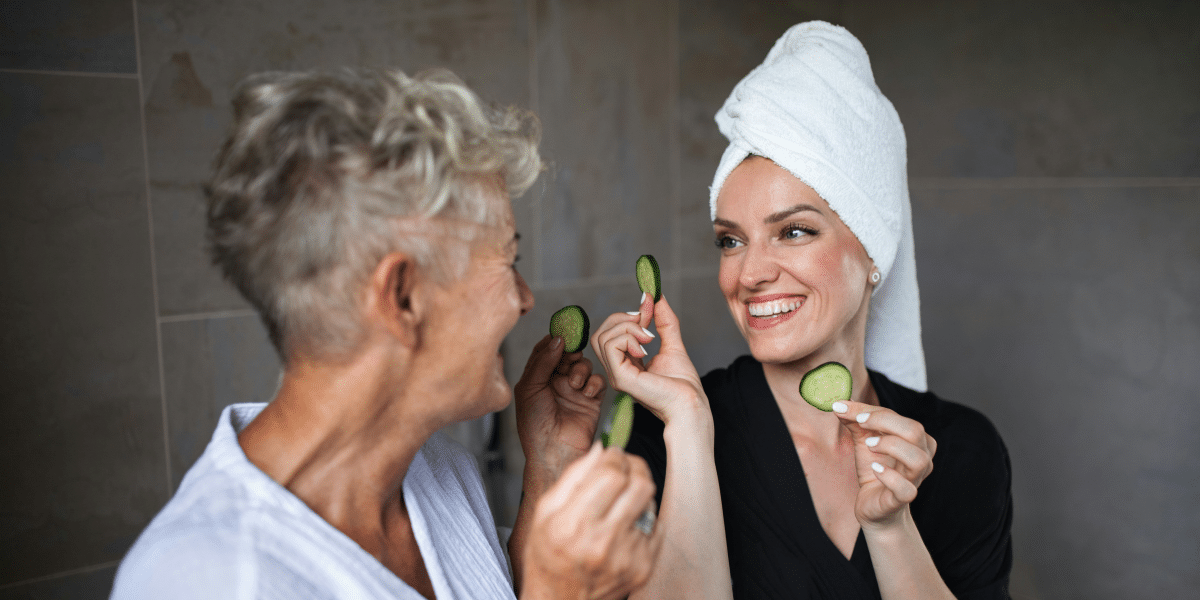
  3. Infuse Your Water: If plain water is too boring, add some flavor with natural infusions. Try adding slices of lemon, cucumber, or berries to your water for a refreshing twist.
  4. Eat Water-Rich Foods: Incorporate foods with high water content into your diet. Fruits and vegetables like cucumbers, oranges, and watermelon are great options.

What Are the Benefits of Drinking More Water?

Drinking enough water brings a multitude of benefits that can improve your quality of life. Here are some key benefits:

  1. Enhanced Energy Levels: Proper hydration helps maintain your energy levels throughout the day. You’ll feel more alert and less fatigued.
  2. Improved Mood: Dehydration can negatively affect your mood and cognitive functions. Staying hydrated can help you stay focused and in a better mood.
  3. Better Physical Performance: For those who exercise, staying hydrated is crucial for peak performance. Water helps regulate your body temperature and lubricates your joints.
  4. Detoxification: Water helps flush out toxins from your body, promoting better kidney function and overall health.

Why Is Hydration Crucial for Women’s Health?

Women have unique health needs, and staying hydrated is a big part of maintaining overall well-being. Here’s why it’s crucial:

  1. Supports Reproductive Health: Adequate hydration is essential for reproductive health. It helps maintain the health of reproductive organs and can ease menstrual discomfort.
  2. Aids in Nutrient Absorption: Water helps in the absorption of essential nutrients from the food you eat. This ensures your body gets the vitamins and minerals it needs to function properly.
  3. Promotes Mental Clarity: Staying hydrated can improve concentration and cognitive function. This is particularly important for women balancing work, family, and other responsibilities.

Hydration is a simple yet powerful way to enhance your health. For women, drinking enough water can support hormonal balance, skin health, weight management, and overall well-being. By paying attention to your body’s needs and making hydration a daily habit, you can enjoy the many benefits that come with staying properly hydrated. So, grab that water bottle and start sipping your way to better health!
Beyond Just Color: The Alluring History and Power of a Red Lip

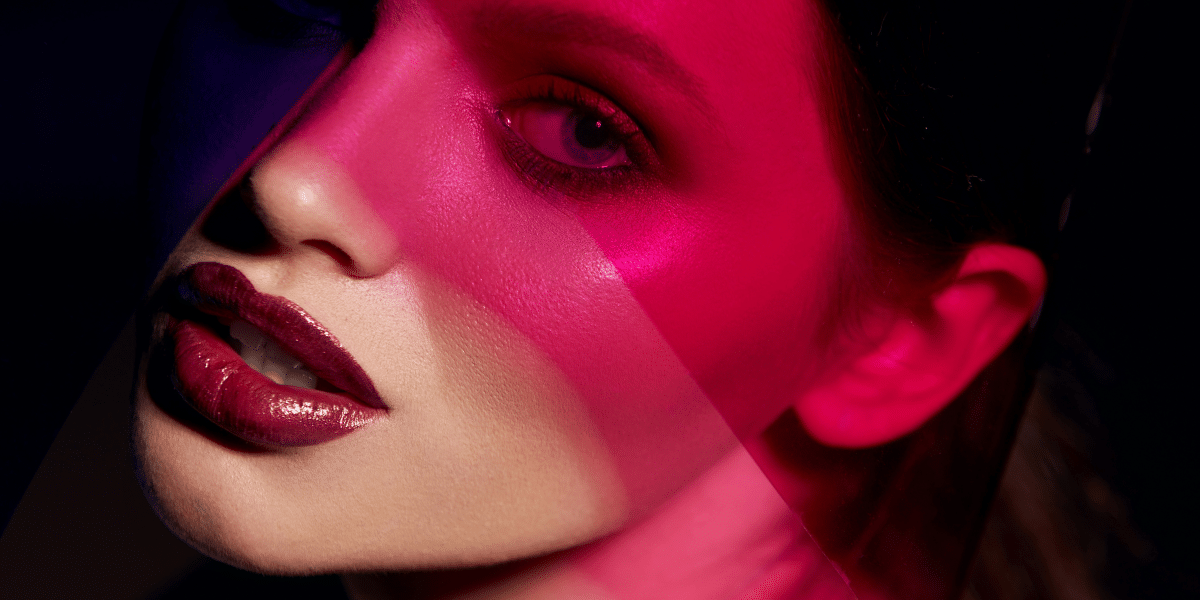
A red lip. It’s more than just a makeup choice; it’s a statement. A bold swipe of crimson can transform your face, telegraph confidence, and maybe even channel a little inner vixen. Red lips have a long, fascinating history, and their symbolism has evolved throughout the centuries. Let’s delve into the world of this powerful cosmetic and explore why a red lip can be so much more than meets the eye.

Red lips have been adorning faces for millennia. Egyptians used crushed ochre to stain their lips, Crusaders brought back red lip stains from the Middle East, and Queen Elizabeth I of England favored a dramatically painted red pout. Red lips have adorned royalty, painted historical figures, and been a symbol of everything from seduction to status.

“The color red itself is universally recognized,” explains a cultural historian. “It’s the color of blood, fire, passion – it’s a bold statement that gets noticed.” Throughout history, red lips have been associated with danger, desire, and a certain provocative allure.

The red lip we know today came into its own in the early 20th century. The invention of commercial lipstick, the rise of Hollywood glamour, and silent film stars like Clara Bow made the bold lip a sign of sophistication and a touch of rebellion.

“Red lips became a way for women to claim their sexuality,” says a makeup historian. “It was a time when women were breaking free from Victorian constraints, and a red lip was a way to say ‘look at me, I’m here!'”

Shades of Meaning: The Many Lives of a Red Lip

Not all red lips are created equal. A fiery crimson screams confidence, while a deep, cool-toned red exudes elegance. A bright cherry red pops for a playful look, while a soft, stained red offers a more subtle kind of power. The shade you choose can completely change the message your red lip is sending.

“Red lipstick is all about versatility,” says a celebrity makeup artist. “You can go classic Hollywood with a full, matte red lip, or modern and edgy with a bold, glossy stain. It’s a shade that flatters almost every skin tone, and there’s a perfect red out there for everyone.”

The relationship between red lips and feminism can be complex. For some, it’s a symbol of female empowerment, a way to reclaim beauty standards and own your sexuality on your own terms. Others see it as a societal pressure, a way to conform to unrealistic beauty expectations.

“The beauty of the red lip is that it can be whatever you want it to be,” says a feminist writer. “You can wear it as a symbol of power, a playful part of your makeup routine, or not at all. It’s about owning your choice, whatever that may be.”

In a world of ever-changing makeup trends, the red lip remains a constant. It’s a timeless choice for a reason – it’s bold, it’s beautiful, and it can make you feel like a million bucks. Whether you’re channeling your inner Hollywood starlet or simply want a confidence boost, a red lip is a powerful tool in any woman’s makeup arsenal.

So, next time you reach for that red lipstick, take a moment to appreciate the rich history and symbolism it carries. It’s more than just color; it’s a statement, a conversation starter, and a way to embrace your own unique kind of power.

The Rise of Discoloration Serums: How to Achieve Even Skin Tone

Why Are Discoloration Serums Gaining Popularity?

In the beauty industry, discoloration serums are quickly becoming a go-to solution for women looking to even out their skin tone and reduce the appearance of dark spots. As more people become aware of the importance of maintaining healthy, glowing skin, the demand for effective skincare products has surged. Among these, discoloration serums have gained particular attention for their ability to address hyperpigmentation, sunspots, and other skin discolorations.

The growing popularity of discoloration serums can be attributed to their targeted approach to skin issues. Unlike general moisturizers or creams, these serums are specifically formulated to penetrate deeper into the skin, delivering active ingredients that help lighten dark spots and promote an even complexion. This makes them especially appealing to those dealing with stubborn pigmentation problems that can be difficult to treat with regular skincare products.

Another reason for the rise in popularity of discoloration serums is the increasing emphasis on personalized skincare. Today’s consumers are more knowledgeable and selective about the products they use on their skin. They want solutions that are tailored to their specific needs, and discoloration serums offer just that. With a variety of formulations available, individuals can choose a serum that targets their unique skin concerns, whether it’s melasma, post-inflammatory hyperpigmentation, or age spots.

Moreover, advancements in skincare science have supported the effectiveness of discoloration serums. Ingredients like vitamin C, niacinamide, and alpha arbutin are highly effective in reducing discoloration and improving skin tone. These ingredients work by inhibiting the production of melanin, the pigment responsible for dark spots, and by promoting cell turnover, which helps fade existing discoloration. As a result, many women have found that incorporating a discoloration serum into their skincare routine can lead to noticeable improvements in their skin’s appearance.

How Do Discoloration Serums Work to Even Out Skin Tone?

Discoloration serums work by targeting the underlying causes of uneven skin tone and dark spots. One of the primary mechanisms by which these serums operate is through the inhibition of melanin production. Melanin is the pigment that gives our skin its color, but when produced in excess, it can lead to dark spots and hyperpigmentation. Ingredients like hydroquinone, kojic acid, and alpha arbutin are commonly used in discoloration serums to reduce melanin production, helping to lighten dark spots over time.

Vitamin C is another powerful ingredient found in many discoloration serums. Known for its antioxidant properties, vitamin C helps protect the skin from free radical damage caused by UV exposure and pollution, both of which can contribute to discoloration. Additionally, vitamin C brightens the skin by inhibiting the enzyme tyrosinase, which plays a key role in melanin production. Regular use of a vitamin C-infused serum can lead to a more radiant and even complexion.

Niacinamide, also known as vitamin B3, is another popular ingredient in discoloration serums. It works by reducing the transfer of melanin to the skin’s surface, effectively preventing the formation of dark spots. Niacinamide is also anti-inflammatory, making it particularly beneficial for sensitive or acne-prone skin. Niacinamide helps create a more even skin tone by soothing the skin and reducing redness.

Exfoliating ingredients like glycolic acid and lactic acid are also commonly found in discoloration serums. These alpha hydroxy acids (AHAs) work by gently removing the top layer of dead skin cells, which can help fade existing dark spots and reveal fresher, brighter skin underneath. By promoting cell turnover, these exfoliants accelerate the fading process of hyperpigmentation, leading to a more even skin tone over time.

Retinoids, derivatives of vitamin A, are another class of highly effective ingredients in treating discoloration. Retinoids promote cell turnover and stimulate collagen production, which helps improve skin texture and tone. They also prevent the formation of new dark spots by regulating the activity of melanocytes, the cells responsible for producing melanin.

What Should You Look for in a Discoloration Serum?

When choosing a discoloration serum, it’s important to consider your specific skin concerns and needs. Different serums are formulated with various active ingredients, each targeting different aspects of skin discoloration. A serum with vitamin C or alpha arbutin may be most effective for those dealing with sunspots or age spots. If you’re struggling with post-inflammatory hyperpigmentation from acne, niacinamide or azelaic acid might be better suited to your skin.

It’s also essential to consider your skin type when selecting a serum. For individuals with sensitive skin, choosing a product with gentle ingredients like niacinamide or low concentrations of AHAs is best to avoid irritation. On the other hand, those with more resilient skin may benefit from stronger ingredients like retinoids or higher concentrations of glycolic acid.

Consistency is key when using a discoloration serum. Most serums need to be applied daily, and it can take several weeks to see noticeable results. Patience is important, as hyperpigmentation often fades gradually. It’s also crucial to protect your skin from further damage by wearing sunscreen daily, as UV exposure can exacerbate discoloration and undo the progress made by the serum.

Additionally, it’s a good idea to patch-test a new serum before fully incorporating it into your routine. Apply a small amount to a discreet area of your skin and wait 24 hours to ensure you don’t have an adverse reaction. This is especially important if you’re using potent ingredients like retinoids or AHAs, which can be irritating to some skin types.

Finally, consider the overall formulation of the serum. A good discoloration serum should not only target dark spots but also nourish and hydrate the skin. Look for products that include moisturizing ingredients like hyaluronic acid or ceramides to maintain your skin’s barrier and prevent dryness, which can sometimes occur with the use of active ingredients.

The growing interest in discoloration serums reflects the desire for effective solutions to even out skin tone and reduce dark spots. These serums offer targeted treatment by utilizing powerful ingredients like vitamin C, niacinamide, and alpha arbutin, which work together to brighten the skin and diminish discoloration. When choosing a discoloration serum, it’s important to consider your skin type and specific concerns and to use the product consistently while protecting your skin from further damage. With the right serum and a bit of patience, you can achieve a more even and radiant complexion.

Nurturing Your Well-being: Empowering Self-Care Tips for Women

Why Self-Care Matters

Hey ladies, ready to give yourself some TLC and boost your well-being? In this article, we’ll explore simple yet effective self-care tips that can make a big difference in your daily life. Whether you’re juggling work, family, or other responsibilities, it’s crucial to prioritize self-care and take care of your mind, body, and soul. Let’s dive in!

First things first – why should you make self-care a priority? Well, think of yourself as the CEO of your life – you need to take care of yourself to run the show smoothly. Self-care isn’t about being selfish; it’s about recharging your batteries so you can show up as your best self in all areas of your life.

Nurturing Your Mind

Your mind is your superpower, so let’s give it some love! Taking care of your mental well-being is key for staying balanced and resilient. Here are some simple self-care tips for nurturing your mind:

Set aside a few minutes each day to practice mindfulness, whether it’s through meditation, deep breathing, or simply being present in the moment.

Engage in activities that spark your creativity, whether it’s painting, writing, or trying out a new recipe. Letting your imagination run wild is a great way to de-stress and have fun.

Limit your screen time and take regular breaks from technology to give your brain a break and reduce stress.

Caring for Your Body

Your body is your temple, so treat it with kindness and respect! Taking care of your physical health is essential for feeling strong and energized. Here are some self-care tips for looking after your body:

Find an exercise routine that you enjoy, whether it’s dancing, walking, or practicing yoga. Exercise not only keeps you fit but also boosts your mood and energy levels.

Nourish your body with nutritious foods that fuel your energy and support your overall health. Focus on incorporating plenty of fruits, vegetables, whole grains, and lean proteins into your diet.

Make sleep a priority and aim for 7-9 hours of quality sleep each night. Adequate rest is essential for rejuvenating your body and mind, so make sure you’re getting enough shut-eye.

Nurturing Your Soul

Your soul is the essence of who you are, so don’t neglect it! Taking care of your spiritual well-being is crucial for finding meaning and purpose in life. Here are some self-care tips for nourishing your soul:

Spend time outdoors and immerse yourself in the beauty of the natural world. Whether it’s taking a walk in the park, gardening, or simply sitting outside and enjoying the sunshine, connecting with nature can rejuvenate your spirit and lift your mood.

Cultivate an attitude of gratitude by focusing on the things you’re thankful for. Take a few moments each day to reflect on the blessings in your life, whether it’s the love of family and friends, the beauty of nature, or the simple pleasures of everyday life.

Explore spiritual practices that resonate with you, whether it’s prayer, meditation, or attending religious services. Connecting with your spiritual side can provide comfort, guidance, and a sense of inner peace.

In conclusion, remember that self-care isn’t selfish – it’s essential. By prioritizing your well-being and incorporating these self-care tips into your daily routine, you’re not only taking care of yourself but also setting a powerful example for those around you. So go ahead, embrace your inner goddess, and make self-care a non-negotiable part of your life. You deserve it!

Nurturing Self-Esteem: Empowering Women’s Confidence and Self-Worth

Defining Self-Esteem

In a world that often bombards women with unrealistic standards and expectations, cultivating self-esteem is essential for fostering confidence, resilience, and a positive self-image. In this guide, we explore empowering strategies and practices to nurture self-esteem and embrace one’s inherent worth and potential.

Self-esteem refers to the overall subjective sense of worth and value that individuals attribute to themselves. It encompasses feelings of self-respect, self-acceptance, and self-confidence, influencing how individuals perceive themselves and interact with the world around them.

The Importance of Self-Esteem

Healthy self-esteem is crucial for mental and emotional well-being, serving as a foundation for resilience, assertiveness, and personal growth. When women possess a strong sense of self-esteem, they are better equipped to navigate life’s challenges, pursue their goals with confidence, and cultivate fulfilling relationships.

Self-compassion involves treating oneself with kindness, understanding, and acceptance, especially in the face of setbacks or perceived shortcomings. By practicing self-compassion, women can cultivate a nurturing inner dialogue and develop greater resilience in the face of adversity.

Positive self-talk involves consciously challenging negative or self-critical thoughts and replacing them with affirming and empowering statements. By reframing negative self-perceptions and focusing on strengths and accomplishments, women can bolster their self-esteem and foster a more positive self-image.

Embracing Individuality

Each woman is a unique and multifaceted individual, possessing a distinct combination of talents, interests, and experiences. Embracing one’s uniqueness and celebrating personal strengths can help women cultivate a sense of pride and self-acceptance, fostering a deeper connection with oneself.

Setting realistic expectations involves acknowledging limitations and imperfections while striving for personal growth and fulfillment. By setting achievable goals and recognizing that perfection is neither attainable nor necessary, women can alleviate the pressure to measure up to unrealistic standards and embrace their authentic selves.

Cultivating Supportive Relationships

Building a supportive network of friends, family members, and mentors who uplift and encourage is essential for nurturing self-esteem. Surrounding oneself with positivity and fostering meaningful connections can provide a sense of validation, belonging, and acceptance, bolstering confidence and self-worth.

In some cases, seeking professional support from therapists, counselors, or support groups may be beneficial for addressing underlying issues contributing to low self-esteem. Through therapy, women can explore and process emotions, develop coping strategies, and gain insights into fostering a healthier relationship with themselves.

Cultivating self-esteem is a journey of self-discovery, self-compassion, and self-acceptance, empowering women to embrace their inherent worth and potential. By nurturing self-esteem through practices such as self-compassion, positive self-talk, embracing individuality, and cultivating supportive relationships, women can embark on a path of personal growth, resilience, and empowerment, enriching their lives and those around them.

Style Guides: Discover Outfit Inspiration Tailored to You

The realm of fashion presents a myriad of choices, a landscape that can feel both exhilarating and overwhelming. Trends evolve rapidly, deciphering which silhouettes and aesthetics complement your physique can be challenging, and the pressure to appear appropriately dressed for different occasions adds another layer of complexity. Within this sartorial maze, thoughtfully curated style guides emerge as an indispensable beacon. They provide inspiration, demystify dress codes, and offer a roadmap towards cultivating a wardrobe that aligns with both your figure and your innate sense of style.

Style guides function as more than just a collection of images. They illuminate how to tailor trends to your body type, how to accentuate your strengths, and how to build a closet filled with pieces that ignite confidence rather than confusion. “A woman’s wardrobe should be a source of joy, not a source of stress,” remarks a personal stylist. Style guides help bridge the gap between theoretical fashion knowledge and the practical application of assembling outfits that make you feel empowered and radiant.

Whether you’re preparing for a career-defining interview, a romantic evening, a formal event, or simply seeking to refine your everyday style, style guides offer a treasure trove of ideas. They showcase the versatility of garments, illustrate the power of carefully selected accessories, and inspire experimentation within a framework that feels safe and supportive. By leveraging the wisdom within style guides, you can unlock a more effortless and enjoyable relationship with your wardrobe.

Style Guides for Every Occasion

Different occasions call for different dress codes and levels of formality. A style guide can demystify what to wear, boosting your confidence and ensuring you make a polished impression. Here’s a glimpse into occasion-specific style guides:

  • Workwear: From classic suits to modern business casual, find inspiration on how to assemble professional looks that reflect your industry and personal style.
  • Casual Weekend: Whether you’re running errands, meeting friends for brunch, or simply relaxing, discover effortlessly stylish and comfortable weekend ensembles.
  • Date Night: Explore outfits that exude romance and sophistication, making you feel fabulous for a special night out.
  • Formal Events: Decipher black-tie dress codes, cocktail attire, and other formal occasions with looks that ensure you shine with elegance.

Embracing Your Body Type

Acknowledging and celebrating your unique body type is key to unlocking your style potential. Style guides designed for various silhouettes can illuminate the most flattering cuts, silhouettes, and styling techniques for your figure. Consider these common body type categories:

  • Apple Shape: Learn to emphasize your legs, create a defined waistline, and play with proportions to balance your shoulders and hips.
  • Pear Shape: Discover how to accentuate your shoulders, draw attention to your waist, and create a harmonious silhouette.
  • Hourglass Shape Celebrate your curves by showcasing your waist with styles that cinch and flow gracefully over your figure.
  • Rectangle Shape: Find options that add definition to your waistline and create the illusion of curves with strategic draping and layering.

“Understanding your body proportions is essential for selecting clothing that complements your physique and enhances your natural beauty,” advises a fashion stylist.

Defining Your Personal Style

Beyond occasions and body types, style guides can help you cultivate a distinctive personal style. Explore different style categories to define your preferences:

  • Classic: If you gravitate towards timeless pieces, clean lines, and tailored staples, classic style guides will cater to your aesthetic.
  • Bohemian: Embrace effortless chic with flowy fabrics, intricate patterns, and a touch of whimsy in bohemian-inspired style guides.
  • Trendy: Stay ahead of the curve and experiment with the latest trends guided by recommendations for incorporating them into your existing wardrobe.
  • Minimalist: Learn to cultivate a capsule wardrobe and embrace the elegance of simplicity as you navigate minimalist style guides.
Here’s an expanded section on building your style guide arsenal, emphasizing the importance of personalization:

In the digital age, you have a vast library of style inspiration at your fingertips. The internet abounds with resources to help you discover and curate your individual sense of style. Fashion blogs delve into current trends, offering insights on how to incorporate them into your existing wardrobe or build entirely new looks. Pinterest, with its emphasis on visual discovery, serves as an endless wellspring of outfit ideas. Dedicated style websites often feature more in-depth analyses of different aesthetics, providing guidance for honing in on your style preferences.

The key to leveraging these digital resources lies in discerning which style guides resonate with your personality and lifestyle. Do you gravitate towards timeless sophistication, free-spirited whimsy, polished professionalism, or an avant-garde edge? “Investing time in exploring different styles is an essential part of the self-discovery process,” advises a fashion blogger. As you browse through images, pay attention to what catches your eye and ignites a spark of excitement. Save those images or create mood boards to refine your vision for your ideal style.

Remember, fashion and personal style are intrinsically fluid and dynamic. Your tastes will likely evolve over time, and trends will come and go. “Style guides offer a framework rather than a rigid set of rules,” emphasizes a fashion editor. Ultimately, the most captivating style is one that radiates confidence and authenticity. Embrace the exploration, experiment fearlessly, and prioritize those looks that make you stand a little taller and smile a little brighter.

Women’s Empowerment: Building Confidence and Self-esteem in Women and Girls

Embracing Self-Confidence

Hey there, fabulous ladies! Are you ready to unleash your inner power and confidence? In this article, we’re diving into the empowering world of women’s empowerment, exploring how we can build confidence and self-esteem in women and girls. Let’s break down barriers, shatter stereotypes, and embrace our strengths!

Self-confidence is the key to unlocking your full potential and achieving your dreams. It’s about believing in yourself, owning your worth, and standing tall in the face of challenges. But building self-confidence isn’t always easy – it takes practice, patience, and a whole lot of self-love.

Overcoming Self-Doubt

We’ve all been there – that nagging voice in the back of our minds telling us we’re not good enough, smart enough, or capable enough. But here’s the truth: you are enough, just as you are. It’s time to silence that inner critic and replace self-doubt with self-belief. You have the power to rewrite your story and create the life you deserve.

Cultivating Self-Esteem

Self-esteem is the foundation of a healthy and fulfilling life. It’s about recognizing your own value, embracing your unique qualities, and loving yourself unconditionally. But self-esteem isn’t something you’re born with – it’s something you cultivate over time through positive affirmations, self-care practices, and surrounding yourself with people who uplift and support you.

Empowering the Next Generation

As women, we have a responsibility to empower the next generation of girls to believe in themselves and chase their dreams. By serving as positive role models, mentors, and advocates for change, we can inspire girls to embrace their power, speak their truth, and lead with courage and confidence.

Every achievement, no matter how small, deserves to be celebrated. Whether it’s landing your dream job, conquering a fear, or simply getting out of bed in the morning, take a moment to pat yourself on the back and celebrate your victories. Remember, you are capable of incredible things – never underestimate the power of your own strength and resilience.

Women’s empowerment is about so much more than just building confidence and self-esteem – it’s about lifting each other up, breaking down barriers, and creating a world where every woman and girl has the opportunity to thrive. So let’s stand tall, speak our truth, and embrace our power – because when women support each other, incredible things happen. Together, we can change the world!

How Music Transforms Your Fitness Routine

The power of music during workouts is undeniable. It doesn’t just make exercise more enjoyable—it also enhances motivation, performance, and endurance. Whether you’re hitting the treadmill, lifting weights, or practicing yoga, the right music can be the ultimate game-changer.

Why Does Music Enhance Workout Performance?

Music has a unique ability to stimulate the brain and body simultaneously. Scientific research reveals that music affects mood, focus, and energy levels, making it an effective tool for workouts. The rhythm of a song can help synchronize your movements, making exercises feel more natural and less strenuous.

Fast-paced tracks with upbeat tempos are especially effective for high-intensity workouts. They elevate heart rates and provide a distraction from physical fatigue. For activities like running or cycling, songs with 120–140 beats per minute (BPM) are ideal because they match the pace of these exercises.

Another critical factor is the emotional connection to music. Hearing a favorite song can trigger memories and emotions, boosting mood and motivation. This is particularly helpful during challenging parts of a workout when staying committed feels tough.

How Does Music Improve Motivation and Consistency?

One of the most significant barriers to regular exercise is staying motivated. This is where music becomes a powerful ally. A well-curated playlist can act as a personal coach, keeping you energized and focused throughout your session.

When paired with specific workout routines, certain songs can create mental associations. For example, a particular track might become your go-to song for warm-ups, signaling your body to get ready for activity. Over time, these associations can condition you to start exercising automatically when the music begins.

Music also combats boredom—a common reason why people abandon workout plans. Engaging tunes can make repetitive exercises like jogging or rowing more stimulating. The distraction of a good beat helps shift attention away from discomfort, allowing you to push through longer sessions.

Many people use music as a reward system. By creating playlists of their favorite songs and saving them for workouts, they associate exercise with enjoyable experiences. This strategy increases the likelihood of sticking to a fitness routine over the long term.

What Types of Music Work Best for Different Workouts?

Choosing the right music for your workout depends on the type of exercise and personal preferences. For cardio workouts, fast-paced tracks with strong rhythms keep energy levels high. Genres like pop, dance, or electronic music are popular choices because they provide an uplifting and consistent beat.

Strength training benefits from songs with heavy bass and slower tempos, such as hip-hop or rock. These tracks help create focus and determination, which are essential for exercises that require precision and control.

For yoga or stretching sessions, calming and melodic music promotes relaxation and mindfulness. Instrumental tracks, ambient sounds, or even nature-inspired playlists are excellent options for cultivating a sense of peace and focus.

It’s worth experimenting with different genres and tempos to discover what resonates best with you. Remember, the most effective workout music is the kind that makes you feel empowered and energized.

Music is more than just background noise during exercise—it’s a tool for transforming your routine. Whether it’s motivating you to start, helping you push harder, or making the experience more enjoyable, the right tunes can significantly enhance your fitness journey. By creating intentional playlists that match your energy and workout goals, you can unlock your full potential and make exercise a sustainable part of your lifestyle.

Daily Healthy Habits for a Better Quality of Life

Developing and maintaining healthy habits is one of the most effective ways to improve your quality of life. These habits serve as the foundation for physical vitality, emotional well-being, and mental clarity. For many women, balancing health with daily responsibilities can feel like a daunting task, but even small, consistent changes can make a significant difference.

What Are the Most Impactful Daily Healthy Habits for Women?

Incorporating healthy habits into daily routines may seem overwhelming, but it doesn’t require drastic changes. Start with simple adjustments, such as drinking more water, prioritizing movement, and managing stress. Experts emphasize that consistency is the key to building habits that last.

One of the most impactful habits is maintaining a balanced diet. Fueling your body with whole, nutrient-rich foods supports energy levels and overall health. This doesn’t mean eliminating all indulgences—enjoying occasional treats while focusing on moderation can help sustain long-term commitment.

Physical activity is equally crucial. Whether it’s a brisk walk, yoga session, or dance class, finding an activity you enjoy can encourage consistency. Movement not only strengthens your body but also enhances mood by releasing endorphins, reducing the effects of daily stress.

Adequate sleep is another cornerstone habit. Aiming for 7–9 hours of quality rest per night allows your body to recover and rejuvenate. Sleep deprivation, on the other hand, can lead to fatigue, irritability, and decreased focus, all of which impact daily productivity and overall well-being.

Why Does Mental Health Play a Key Role in Building Healthy Habits?

Mental health is an often-overlooked factor in maintaining a healthy lifestyle. Developing positive coping mechanisms for stress, such as journaling, mindfulness, or therapy, can improve emotional resilience. Studies show that women who regularly practice mindfulness report lower levels of stress and higher satisfaction in their daily lives.

Another important habit is self-compassion. Instead of being overly critical of perceived failures, treating yourself with kindness encourages progress. Mental and emotional well-being are deeply intertwined with physical health, and nurturing both aspects can create a holistic sense of wellness.

Social connections are also invaluable. Building and maintaining strong relationships provides emotional support, reduces feelings of isolation, and fosters a sense of belonging. Whether through family, friends, or community groups, meaningful interactions can be as vital to health as diet and exercise.

How Can You Sustain Healthy Habits for the Long Term?

Building healthy habits is one thing; sustaining them requires commitment and adaptability. Experts recommend starting small—introduce one habit at a time and build upon it. For example, if you want to increase physical activity, begin with a 10-minute daily walk and gradually extend the duration as it becomes routine.

Tracking progress can also be motivating. Keeping a journal or using an app to log habits provides a visual reminder of achievements and areas for improvement. Celebrate milestones, no matter how small, as they reinforce the positive behavior.

Another critical factor is flexibility. Life is unpredictable, and rigid routines can be difficult to maintain. Instead, adopt a forgiving approach that allows for occasional missteps. What matters most is returning to the habits that align with your goals, even after interruptions.

Staying inspired can help maintain momentum. Surround yourself with supportive individuals, consume uplifting content, and revisit your reasons for pursuing these habits. Over time, these practices become second nature, enriching your life and promoting longevity.

Healthy habits are not just about adding years to your life—they’re about adding life to your years. Whether it’s nourishing your body with wholesome food, finding joy in movement, or cultivating mental clarity, every positive step contributes to a more vibrant and fulfilling life. For women striving to balance health with the demands of modern living, these habits are a powerful tool for empowerment and transformation.

How Social Media Is Changing Music Culture

In the digital age, social media has revolutionized how we interact with the world—and music is no exception. Platforms like TikTok, Instagram, and YouTube have reshaped the landscape of music discovery and trends, connecting artists and audiences in ways unimaginable just a few decades ago. These platforms have become powerful tools for both emerging and established artists, driving viral moments and creating new pathways for fans to engage with their favorite songs.

How Has Social Media Changed Music Discovery?

Gone are the days when radio and television were the primary gateways to discovering new music. Social media platforms have democratized access to music, allowing users to stumble upon fresh sounds while scrolling through their feeds. Algorithms curate playlists, suggest artists, and surface tracks that align with users’ preferences, turning everyday browsing into a personalized music discovery experience.

Take TikTok, for example. The app has become synonymous with music virality, with countless tracks skyrocketing to global fame after being featured in short videos. Songs like “Old Town Road” by Lil Nas X and “Drivers License” by Olivia Rodrigo gained massive traction thanks to TikTok trends, turning their creators into household names overnight. These success stories highlight how social media fosters organic discovery, bypassing traditional gatekeepers like record labels and radio stations.

Platforms like Spotify and Apple Music integrate with social media, allowing users to share playlists, recommend tracks, and connect with friends over shared musical tastes. These integrations emphasize the communal aspect of music discovery, making it a shared experience rather than a solitary one.

How Do Artists Use Social Media to Shape Trends?

For artists, social media has become a stage where they can connect directly with their audience. This direct interaction humanizes musicians, making them more relatable and accessible to fans. Platforms like Instagram Stories, Twitter threads, and live streaming sessions allow artists to share their creative process, promote upcoming projects, and respond to fans in real time.

Emerging artists, in particular, benefit from the visibility that social media provides. By posting snippets of their music, engaging with viral challenges, or collaborating with influencers, they can reach millions without the backing of a major label. For example, artists like Doja Cat and Lil Nas X gained fame through their creative use of platforms like TikTok and SoundCloud, proving that talent combined with strategic online presence can lead to mainstream success.

On the other hand, established artists use social media to stay relevant and adapt to changing trends. Take Beyoncé, who famously announced her album “Lemonade” through social media teasers, or Drake, whose dance challenges for tracks like “Toosie Slide” turned his songs into viral sensations. These strategies ensure their music remains at the forefront of cultural conversations.

How Do Trends Emerge on Social Media?

Social media platforms are breeding grounds for music trends, driven by user creativity and the viral nature of content sharing. A single meme, dance challenge, or relatable lyric can spark a wave of user-generated content, propelling a song to stardom.

The role of influencers and creators cannot be overstated. These individuals have massive followings and the ability to shape what their audience listens to. When a popular TikTok creator includes a specific track in their video, it can lead to an avalanche of engagement, with other users replicating the trend and amplifying its reach. This is how Fleetwood Mac’s “Dreams” saw a resurgence decades after its release, thanks to a viral TikTok video featuring a man skateboarding while drinking cranberry juice.

Beyond individual users, hashtags and challenges drive discoverability. Tracks associated with specific trends are easier to find and participate in, creating a ripple effect that catapults certain songs into the mainstream. These trends don’t just influence charts—they also shape how we engage with music, turning listening into an interactive and communal activity.

What Are the Challenges of Social Media in Music?

While the benefits of social media are undeniable, there are challenges to consider. For one, virality can be unpredictable, leaving artists at the mercy of algorithms and trends. A song may go viral today and fade into obscurity tomorrow, making it difficult for artists to sustain long-term engagement.

Another issue lies in the oversaturation of content. With countless artists vying for attention, standing out becomes a Herculean task. This has led to criticism that social media prioritizes trends over artistry, pushing artists to create “viral-ready” content rather than authentic music.

Monetization remains a complex issue. While social media provides unparalleled exposure, translating that exposure into revenue can be challenging, especially for independent artists. Platforms like YouTube and Spotify pay artists per stream or view, but the amounts are often insufficient for sustainable income.

The fast-paced nature of social media can foster short-lived trends, where songs and artists are celebrated briefly before being replaced by the next big thing. This can make it difficult for musicians to build lasting careers based solely on their social media presence.

Why Social Media Will Continue Shaping the Music Industry

Despite its challenges, social media’s influence on music discovery and trends is only growing. Platforms are continuously evolving to integrate music more deeply into their ecosystems, from TikTok’s dedicated sound library to Instagram’s music stickers. As technology advances, social media will remain a powerful tool for artists and audiences alike.

For listeners, the integration of music into social feeds means discovery will continue to be more personalized and interactive. For artists, social media offers a level playing field where creativity and strategy can lead to success. As the lines between artist, influencer, and fan blur, the communal nature of music will only strengthen, creating a vibrant, ever-changing landscape.

By embracing the opportunities that social media provides, the music industry is entering an era where global trends are born in the palms of our hands. The power to shape what we listen to, how we engage with it, and the trends that define it now lies not just with industry executives but with everyday users.