Sometimes, a conversation begins to go wrong before anyone says a word. A delayed response, an unexpected change of plans, or a comment that feels dismissive can prompt an immediate interpretation. Someone may assume they are being ignored, judged, or misunderstood. By the time the conversation begins, that interpretation may already be shaping what they expect to hear.
For Monica Neal, PT, DPT, MBA, and ontological coach, this gap between what happens and what a person believes it means is central to understanding communication. Through her work as a healthcare executive and leader, she has spent years observing how the stories people create around everyday events can influence trust, relationships, and the conversations that follow.
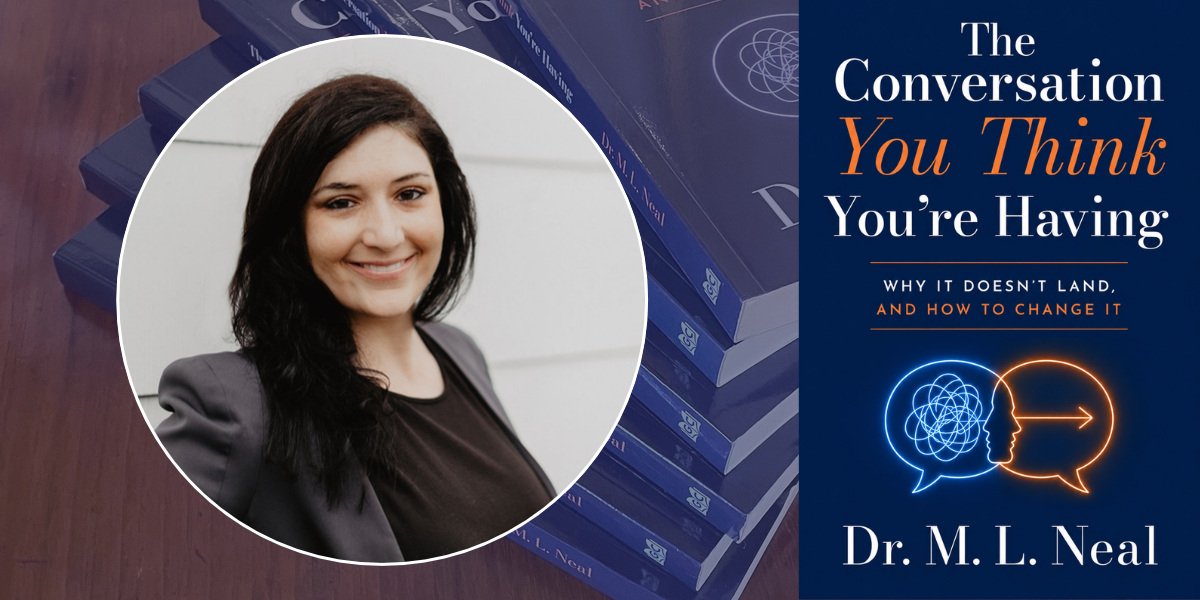
Her book, The Conversation You Think You’re Having: Why It Doesn’t Land, and How to Change It, explores this often-overlooked process. Rather than treating communication as a matter of finding the right words, Neal encourages readers to examine the interpretations that influence how they listen, respond, and relate to others.
The Meaning We Give an Experience
Two people can experience the same event and understand it in entirely different ways.
A friend who does not respond to a message might be occupied with something unexpected. The person waiting for a response, however, may interpret the silence as a sign of disinterest. A partner who offers a suggestion may intend to help, while the person receiving it hears criticism.
In each situation, the event and the interpretation are separate, even when the interpretation feels completely convincing.
That distinction matters because people often respond to the meaning they have assigned to an experience rather than the facts they can establish. Once an assumption takes hold, it can influence tone, behavior, and expectations before the other person has an opportunity to explain.
Neal’s work invites readers to notice this process without immediately judging themselves for it. The purpose is not to eliminate personal interpretations, which are part of how people make sense of experience, but to recognize that an interpretation is not necessarily the only explanation available.
What Happens Beneath the Surface
In The Conversation You Think You’re Having, Neal highlights the conversation layers framework as a way to understand the process between an event and the response that follows.
The framework draws attention to the difference between what happens, the meaning a person assigns to it, what that person communicates, and how another individual receives and interprets the message.
These layers can be difficult to recognize in real time. An assumption may feel like an established fact, while a reaction may seem like the only reasonable response to what occurred. Yet the interpretation sitting between the event and the reaction can influence the entire exchange.
Consider a disagreement between two people who care about each other. One believes a comment was intended to be hurtful; the other believes the comment was harmless. If both defend their interpretations without examining them, the conversation can become a contest over intentions rather than an opportunity to understand what happened.
Recognizing the layers beneath the exchange offers another starting point: becoming curious about the meaning each person has attached to the experience.
When Intention and Impact Do Not Match
People generally understand their own intentions more readily than they understand how their words affect someone else.
A person may believe they are being honest, while another experiences the same words as harsh. Someone may offer advice out of concern, only to discover that the recipient feels dismissed. Neither intention nor impact alone explains the entire interaction.
Neal’s approach encourages readers to acknowledge that good intentions do not automatically produce the desired impact. Understanding this difference can make it easier to listen to another person’s experience without treating that experience as an accusation.
It also creates room for an important distinction: acknowledging how a message landed does not necessarily mean agreeing with every interpretation of it. People can remain honest about what they intended while becoming more open to understanding what the other person heard.
That openness can help shift a difficult conversation away from defensiveness and toward greater clarity.
The Pause That Creates Another Choice
Self-awareness becomes useful when it changes what someone does next.
Before responding to a frustrating comment or an uncomfortable situation, a person can pause to consider what actually happened and what they are assuming about it. They can ask themselves what they know, what they have inferred, and what they still need to understand.
These questions do not guarantee agreement or prevent every misunderstanding. They can, however, create space for a more deliberate response rather than an automatic reaction.
For relationships, that space can matter. It may allow someone to ask for clarification instead of making an accusation, express a concern without assigning blame, or listen to an explanation that challenges an initial assumption.
The same process can also encourage people to examine their own contribution to a disagreement. Instead of focusing exclusively on what the other person said or did, they can consider the story they brought into the exchange.
Recognizing the Pattern Is Where Change Begins
Neal’s work as an ontological coach and her experience in leadership inform her interest in making complex human behavior practical and recognizable. Her book encourages readers to identify familiar communication patterns in their own lives, particularly the moments when an interpretation begins directing a response.
The goal is not to become perfectly measured in every interaction. It is to recognize that the first explanation that comes to mind may not tell the whole story.
When people learn to separate an event from the meaning they assign to it, they gain an opportunity to question assumptions and approach conversations with greater awareness. That shift can influence how they communicate with partners, friends, family members, and colleagues.
The conversation someone thinks they are having may not be the same conversation the other person believes is taking place. Understanding that difference begins with looking inward before the next response is delivered.
Learn More and Connect with Monica Neal
Book: The Conversation You Think You’re Having: Why It Doesn’t Land, and How to Change It
Website: Monica Neal’s Linktree
Facebook: Monica Neal
Instagram: @meta3coach
LinkedIn: Monica Neal