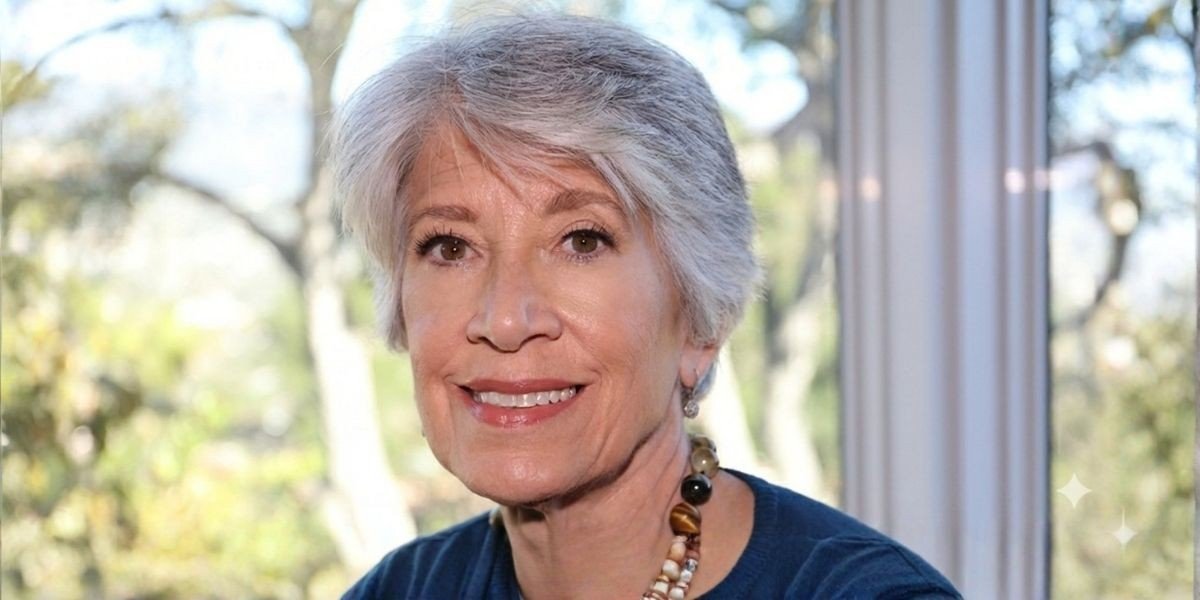
By: Michael Beas
Most people do not realize they are living inside a story. They assume their reactions, patterns, and emotional responses are simply who they are. In Life Rewritten, Carrie KC West challenges that assumption and invites readers to examine the narratives quietly shaping their lives. Her work is rooted in one central idea. Change does not begin with fixing yourself. It begins with understanding the story you believe about yourself.
For Carrie, the most powerful story she had to rewrite was one that followed her for years without question. It told her she was fundamentally broken.
“I believed I was damaged at the core,” Carrie explains. “Not in a dramatic way. In a way that quietly explained everything that went wrong in my life.”
She does not describe this belief as self-criticism or perfectionism. In fact, it was the opposite. Her origin story led her to believe she was flawed beyond repair and therefore destined for struggle. Whenever something felt painful or disappointing, the story stepped in and said, of course, this is happening. This is who you are.
Breaking free from that narrative required more than positive thinking. Carrie had to slow down and take the story apart piece by piece. She examined its origin and why it felt so convincing.
“What I discovered was that a lot of the information I absorbed was inaccurate,” she says. “It came from my parents, my family, and the world around me. Not because they meant harm. They were passing along their own unresolved stories.”
That realization shifted everything. It replaced blame with clarity and opened the door to rewriting her inner narrative from a grounded, compassionate perspective.
Today, Carrie helps clients do the same by teaching them how to recognize the stories they are already living. She does not start by asking what someone believes. She looks at what keeps repeating.
“Patterns tell the truth,” she says. “If the same situations keep showing up, there is a story underneath them.”
It might appear in relationships that follow the same arc again and again. Or in work environments that feel hostile, no matter where someone goes. According to Carrie, these patterns reveal an old script that is still running the show.
“When a story is active, it feeds you your lines,” she explains. “You react before you think. You respond in familiar ways even when they no longer serve you.”
One of the clearest ways to spot a limiting story is through the body. Carrie points to physical reactions as powerful signals that something old has been activated.
“Tight chest. Upset stomach. Frayed nerves,” she says. “Those responses mean you have entered survival mode. You are no longer choosing freely. You are following a fear-based story.”
Carrie’s ability to recognize these patterns is deeply connected to her background in Hollywood, where she once evaluated scripts. That experience trained her to quickly and intuitively identify story structure.
“In every story there is a heroine whose journey we are following,” she says. “There is an antagonist that creates friction. There are supporting characters who help or hinder. And there is an expected ending.”
When Carrie listens to someone talk about their life, she hears those same elements. She listens to those cast as the obstacle and to what outcome feels inevitable. Does the story assume that connection leads to loss? Does success come with punishment? Those expectations often operate below conscious awareness.
Everything, she says, begins with the origin story.
“The backstory explains why the heroine is standing where she is today,” Carrie explains. “Once you understand that, the present moment makes sense.”
Legacy is another theme woven throughout Life Rewritten. For Carrie, legacy is not about recognition or accomplishments. It is about how the story ends.
“The legacy we leave is the ending we hoped for,” she says. “It is how we are remembered and what people say when we are no longer here.”
She has been deeply impacted by accounts from palliative care workers who hear the same reflections from people nearing the end of life. Many speak of regret. Not regret for failing, but regret for never questioning the stories that shaped their choices.
Carrie believes regret is not inevitable. It is the result of living on autopilot inside a faulty narrative.
“We do not have to live that way,” she says. “We can reclaim authorship of our lives.”
For those just beginning this work, Carrie emphasizes that the first step is simple but powerful. Awareness.
“When you feel that surge of emotion, pause,” she advises. “Take a breath. That moment matters.”
She calls this a micro moment of change. When someone interrupts an automatic reaction, they step out of fight-or-flight and back into their adult awareness. Over time, these small pauses begin to reshape the brain and loosen the grip of old stories.
Life Rewritten is not about erasing the past. It is about understanding it well enough to stop letting it dictate the future. Carrie’s work reminds readers that the stories shaping their lives are not fixed truths. They are drafts. And every draft can be revised.
As Carrie continued working with people, she began to notice something else. The story running someone’s life doesn’t stay in just one place. The same issues that show up in relationships often appear in health, work, and money as well.
Money, in particular, came up again and again.
“For many people, money carries old meanings about safety, worth, responsibility, and power,” Carrie says. “Those tend to stay in place unless we slow down enough to question them.”
That idea led to Money Rewritten, the next book in Carrie’s Rewritten Series. Instead of focusing on financial plans, the book examines how emotional responses and inherited beliefs influence financial decisions. People often assume they are making rational choices when in reality they are responding to a story that has been running for decades.
Carrie sees the same dynamic at work in other areas of life, including health, love, aging, and business. The details differ, but the pattern is the same. An early narrative takes hold. It explains disappointment. It predicts outcomes. Over time, it begins to feel true.
The work across the Rewritten series is not about changing the past or becoming someone else. It is about understanding the origin of these stories well enough to release their hold. When people see the story they are living, they can respond differently in the present.
That, Carrie believes, is where real change begins.
Learn more about Carrie West on her website: https://carriekcwest.com/