Women probably don’t need to be told how life today feels full. Full of expectations, full of responsibilities, and full of open tabs in your brain at any given time.
Some days you’re juggling client presentations, school drop-offs, last-minute event preparations, and high-pressure meetings. Add to that the emotional load of everything in between.
As more women have become more capable, connected, and informed, our health is quietly absorbing the cost of modern stresses. Poor habits, such as sitting for long hours, staring at screens even in bed, and spending most hours of the day exposed to noise, further up the costs.
The resulting intense negative impact on our physical and mental health may not be immediately obvious. But once damage is recognised, it’s usually too late to be undone.
Women Are Living Longer — But Not Always Healthier
In Australia, women are expected to live to 85 years (vs. 81 years for men), longer than at any time in history. But living longer doesn’t automatically mean living better.
According to the Australian Institute of Health and Welfare (AIHW), women are more likely than men to have one or more chronic conditions at the same time, especially from midlife onwards. Conditions like arthritis, back pain, anxiety, asthma, autoimmune issues, and osteoporosis plague women earlier and harder than their male counterparts.
Women’s health spending also peaks during their reproductive years, when pregnancy, birth, fertility challenges, and hormonal transitions overlap with rising rates of chronic illness.
The Sitting Problem We Barely Notice Anymore
Work at a desk. Drive the kids. Answer messages. Watch TV. Catch up on emails after dinner. Plan tomorrow’s schedule. Repeat.
Sitting for long hours is usually not intentional. It’s dictated by today’s lifestyle. Even then, we may have to rethink how long we’re staying sedentary because our bodies are designed to move.
Long periods of sitting result in subtle stiff backs, tight hips, sore necks, tension headaches, and low energy. As it becomes a habit, the effects quickly develop into chronic pains such as osteoarthritis, poor metabolism, and cardiovascular diseases. Sadly, many women assume this is just what getting older or being tired normally feels like.
The cumulative effect of constantly juggling paid work and unpaid labour at home can feel like walking around in a body that’s permanently tired but wired.
The Scroll Effect: How Screens Disrupt More Than Sleep
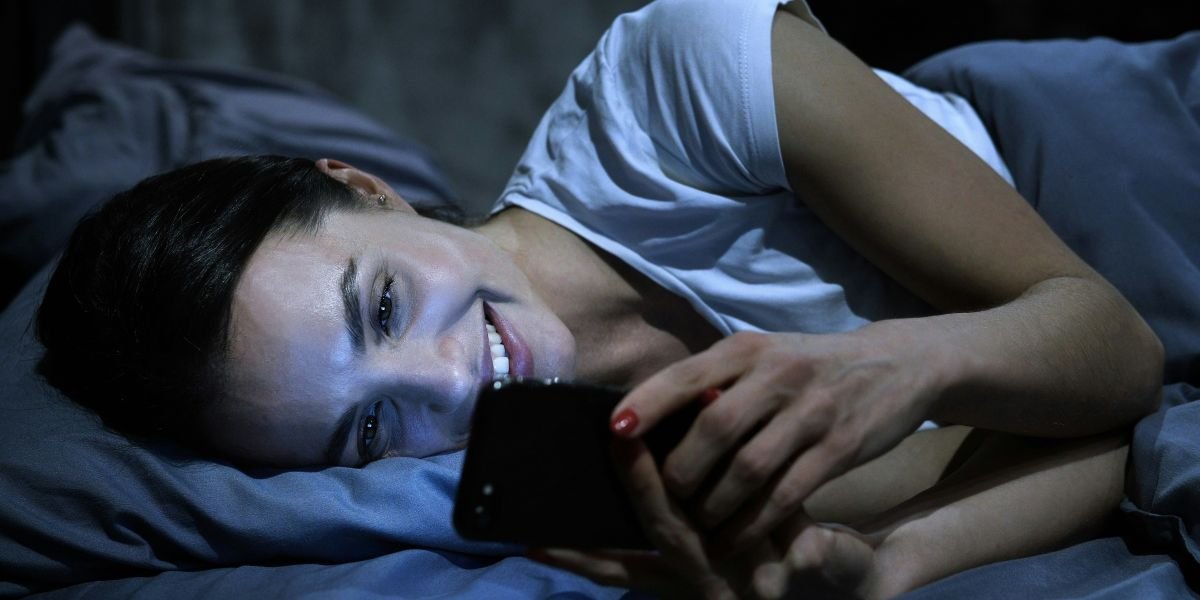
Your phone is probably the first thing you check in the morning and the last thing you see before falling asleep. It’s become our calendar, our entertainment, our work hub, our source of news, and sometimes our only adult conversation of the day.
But there’s a hidden cost to living life through digital portals.
The blue light from screens can push back your natural sleep cycle, making it harder to unwind at night. The mental stimulation of constant scrolling keeps your nervous system switched on. Staying glued to the screen increases stress without you even realising it.
Poor sleep doesn’t simply cause you discomfort. It disrupts your body’s natural repair and rejuvenation processes. Over time, chronic sleep deprivation may cause foggier thinking, hormonal imbalance, reduced immunity, and a higher long-term risk of chronic disease, including cardiovascular issues (AIHW Chronic Conditions).
Women already report higher rates of anxiety and stress than men, and digital overload amplifies it. Add in perimenopause or hormonal shifts, and sleep becomes even more fragile.
Screens aren’t the enemy, but it pays to limit your screentime.
Noise, Overstimulation, And The Signs Women Tend to Dismiss
Modern women live in a constant hum of stimulation. Plugging in to podcasts while driving, children calling from across your home, phone notifications, video calls, background TV noise, and earbuds delivering sound straight into your skull, all of these contribute to hearing stimulation.
It’s no surprise our ears feel overloaded. Other than causing pain, too much noise can also lead to hearing loss, mental fatigue, heightened stress, and affect social confidence.
AIHW recognises hearing loss as one of Australia’s most common chronic conditions, affecting over 1.5 million people (AIHW Chronic Conditions, 2024). Hearing-care provider, Audika, reports a 61% increase in clinical appointments in 2024 vs. 2022; males made up 56% of hearing-aid appointments vs. 44% of females.
Hearing problems start small, such as asking people to repeat themselves, feeling overwhelmed in noisy places, and turning the volume up just a little higher. But symptoms worsen over time when ignored.
How Small Habits Build Into Big Health Problems
Rarely does chronic illness feel like a single moment of failure or collapse. It’s usually the aftermath of little, seemingly harmless choices we make every day:
- A woman sits for work all day, causing her joints to stiffen.
- She stays up late scrolling and fails to get a restful sleep.
- She wakes up tired, which causes her stress tolerance to drop.
- She endures and pushes through anyway because that has become her norm.
- Over time, movement decreases, fatigue increases, chronic pain begins, hormones shift, and mood swings become more common.
There’s nothing dramatic or unusual, just the slow stacking of habits that don’t support the life her body is trying to sustain.
AIHW’s latest data shows that chronic conditions impact at least 15.1 million Aussies (2022 data). It affects 28% of Aussies between 0 and 14 years, and 94% of those 85 and older. These data reveal that chronic conditions have become more common and worsen with age.
Small Shifts, Big Payoffs
Women don’t need dramatic lifestyle changes to protect their long-term health. What makes the biggest difference are the tiniest shifts, the ones that are repeated consistently.
Here are some suggested improvements to inject into your day:
- Break up long sitting periods. Stand to stretch between tasks. Take micro-walks.
- Create a sleep routine that honours your body’s need to recover.
- Reduce noise exposure when you can. Give your ears a break from constant sound.
- Let yourself rest without guilt — rest is a health strategy, not laziness.
- Get regular check-ups. Early detection can rewrite the future.
These adjustments might feel small on their own, but together they form a protective buffer between women and the chronic conditions that so often steal quality of life long before old age.
Rewriting Your Own Health Story
Modern life has brought women incredible opportunities, but also invisible pressures. “Scroll, sit, repeat” may be today’s default, but it doesn’t have to define the next decade of your health.
With awareness and small, intentional shifts, women can reclaim energy, mobility, and wellbeing, not by overhauling their lives, but by rewriting the habits that quietly shape them.
You deserve to live not just longer, but better.
References
- Chronic Conditions. Australian Institute of Health and Welfare (AIHW). Updated 17 June 2024.
- Life Expectancy. Australian Bureau of Statistics (ABS). Released 11 November 2025.
- Health System Spending on Disease and Injury in Australia 2023–24. Australian Institute of Health and Welfare (AIHW). Updated 29 October 2025.
Disclaimer: The content provided in this article is for informational purposes only and should not be construed as medical advice. The information shared reflects general observations and suggestions, and individual health needs may vary. Always consult with a qualified healthcare professional before making any significant changes to your lifestyle or health regimen.