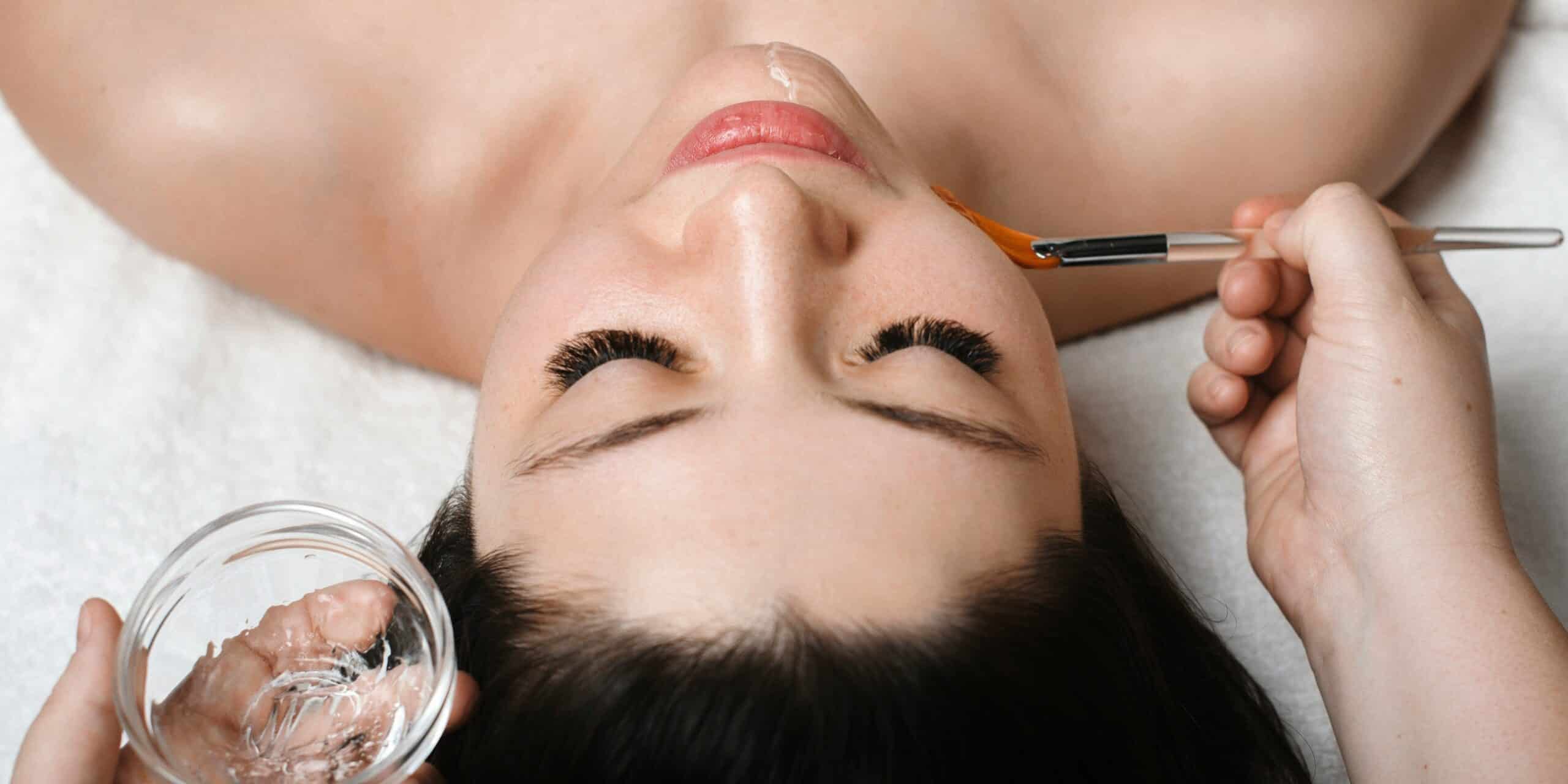
How Organic Beauty Products Are Defined and Regulated
Organic beauty refers to personal care products made with ingredients grown without synthetic pesticides, fertilizers, or genetically modified organisms. These products often exclude artificial fragrances, preservatives, and colorants.
Certification standards vary by region. In many cases, a product must contain a minimum percentage of certified organic ingredients to carry an official label. Some organizations also require sustainable sourcing and cruelty-free testing.
Labels such as “USDA Organic” or “COSMOS Organic” help consumers identify products that meet specific criteria. These certifications are voluntary but signal a commitment to transparency and quality.
Not all natural products are organic. While both avoid synthetic additives, organic items follow stricter agricultural and processing guidelines.
Understanding these distinctions helps consumers make informed choices. It also supports trust between brands and buyers, especially when health and safety are priorities.
Why Organic Ingredients May Support Skin Health
Skin absorbs many of the substances applied to it. Organic beauty products aim to reduce exposure to synthetic chemicals that may cause irritation, dryness, or allergic reactions.
Common organic ingredients include plant oils, botanical extracts, and mineral-based compounds. These elements often provide hydration, antioxidant support, and gentle cleansing.
For example, organic aloe vera may soothe inflammation, while organic jojoba oil can help balance moisture. These ingredients are selected for their compatibility with skin and their minimal processing.
Some users report fewer breakouts or reactions when switching to organic products. While individual results vary, the absence of harsh additives may reduce the risk of sensitivity.
Organic formulations also tend to avoid synthetic fragrances, which are a common source of irritation. Instead, they may use essential oils or remain unscented.
The focus on simplicity and purity supports long-term skin health. It encourages users to pay attention to ingredient lists and choose products that match their needs.
This approach aligns with broader wellness goals, including reducing chemical exposure and supporting natural balance.
How Sustainability Shapes Organic Beauty Practices
Organic beauty is often linked to environmental care. By avoiding synthetic chemicals, organic farming reduces soil and water contamination.
Packaging choices also reflect sustainability. Many brands use recyclable materials, minimal designs, or refillable containers to reduce waste.
Sourcing practices matter. Ethical supply chains ensure that ingredients are harvested responsibly and that workers are treated fairly.
Some companies support biodiversity by using native plants or promoting regenerative agriculture. These efforts help maintain healthy ecosystems and reduce carbon impact.
Consumers contribute by choosing products that align with these values. Small decisions—such as selecting a compostable cleanser or a refillable moisturizer—can support broader environmental goals.
This connection between personal care and planetary health encourages thoughtful consumption. It helps users feel confident that their routines support both wellness and sustainability.
As interest grows, more brands are investing in organic certification and transparent sourcing. These efforts reflect a shift toward long-term responsibility in beauty practices.
Long-Term Influence on Beauty Culture and Consumer Habits
Organic beauty is shaping how people think about skincare, wellness, and product choice. It encourages a slower, more intentional approach that values quality over quantity.
Many users begin with one product—such as an organic lip balm or cleanser—and gradually adjust their routines. This transition supports awareness and helps identify what works best for individual needs.
DIY beauty has also gained attention. Some individuals create their own organic treatments using ingredients like honey, oats, or oils. As outlined in What to Know Before Starting a DIY Beauty Routine, this approach requires care and research to ensure safety and effectiveness.
Retailers are responding by offering more organic options and clearer labeling. This supports access and helps users compare products with confidence.
Beauty professionals may also adjust recommendations. As organic products become more common, estheticians and dermatologists may include them in treatment plans or consultations.
The shift toward organic beauty reflects broader changes in consumer values. It supports health, sustainability, and informed choice without requiring dramatic lifestyle changes.
Over time, these habits may influence how beauty is defined and practiced. They encourage care, awareness, and respect for both the body and the environment.
Internal Links Used
What to Know Before Starting a DIY Beauty Routine
https://womensjournal.com/what-to-know-before-starting-a-diy-beauty-routine/