By: Melissa Jones
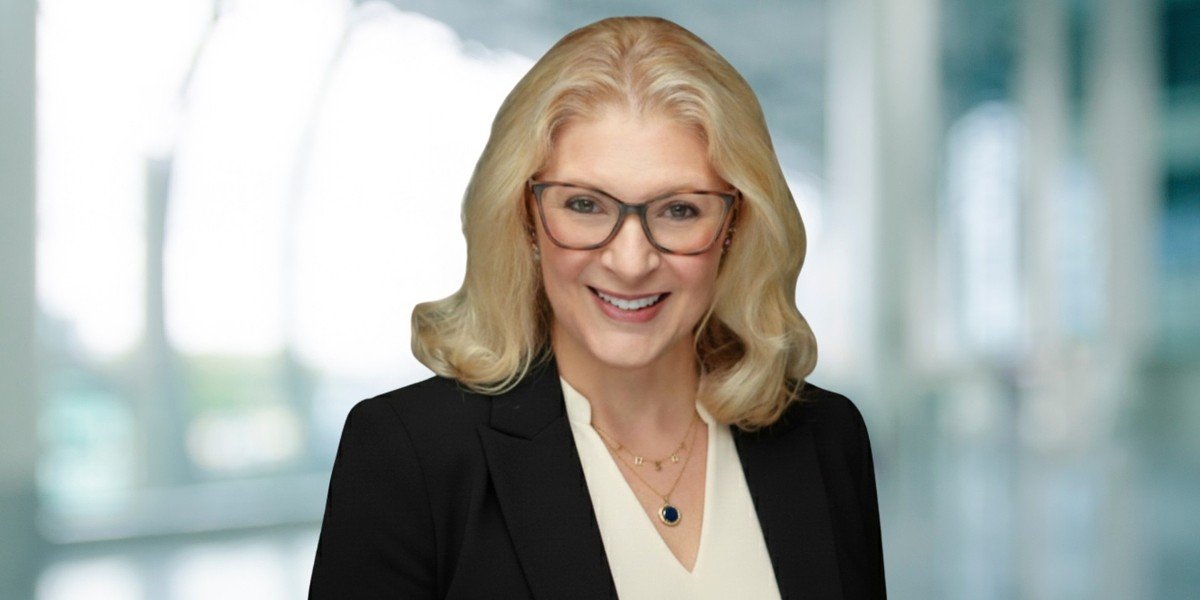
An international bestselling author, former banking attorney, and lifelong Earth advocate, Katie Augustine blends corporate precision with spiritual depth in a way few leaders can. As the founder of ECS (Evolve Consulting Services), she helps nonprofit leaders align their strategies and values to make a greater impact while supporting planetary well-being. In this conversation, Katie shares her remarkable journey from boardrooms to global consciousness work, and how her signature EVOLVE Framework is helping leaders embody vision, compassion, and sustainability.
Q: Your path from corporate law to planetary leadership is extraordinary. What inspired this transformation?
Katie Augustine: I like to say my career evolved along with my consciousness. I spent more than 20 years in banking law and governance, helping organizations navigate complex regulations. But early in my life, I attended an environmental workshop where I first heard Chief Seattle’s letter about how everything on the Earth is connected. And harming the planet is really harming ourselves and our shared future. It completely changed how I saw the world. Over time, I realized that governance and planetary care aren’t opposites. The same discipline that keeps an organization in integrity can also help humanity live in greater harmony with the planet.
Q: You’ve spoken about “planetary evolution.” What does that mean to you?
Katie Augustine: To me, planetary evolution is both a shift in awareness and in action. We’re living through a time when old systems are breaking down politically, environmentally, and economically. I see it as a rebirth, not a collapse. We’re learning that everything is connected: business decisions, cultural values, and the Earth itself. My work invites leaders to operate from that understanding and to create an impact that uplifts people and the planet.
Q. You’ve founded ECS Evolve Consulting Services to help nonprofits. How does your work support them in this new era of leadership?
Katie Augustine: Nonprofit leaders carry an enormous responsibility. They’re often underfunded but asked to solve the world’s biggest challenges. I created ECS Evolve to give them structure, clarity, and sustainability. My flagship program, Be The Change™, is built on my EVOLVE 6-Phase Framework, which helps leaders align strategy with their deepest values. We address governance and growth, but also the human side of leadership—vision, collaboration, and energy. When organizations integrate these elements, they naturally expand their impact without burning out their teams.
Q. You’re an ordained Minister of Walking Prayer® and have studied with Indigenous elders. How has that shaped your approach to leadership?
Katie Augustine: Those years changed me profoundly. I learned that prayer isn’t just words—it’s how we walk through the world. Prayer supports us in holding a truth that endures beyond current conditions and beyond our lifetime, creating a foundation and legacy for, as the Indigenous say, the next seven generations. My mentors taught me to listen deeply to nature and to people, and to lead from stillness rather than striving. Mostly, this study taught me that I grew up, like many of us, in an entitlement mindset when it came to natural resources. However, Indigenous people do not come from entitlement; instead, they ask Nature or Spirit for permission, and an offering is made before natural resources or animals are used in any way. When I work with clients, I bring that same reverence into the process. Whether we’re designing a risk strategy or a sustainability plan, it’s really about aligning our human intention with universal laws. Leadership becomes less about control and more about coherence.
Q. You’ve also fostered more than 150 rescue cats! How does that fit into your larger mission?
Katie Augustine: Yes, my home is usually full of fur and heart! Caring for animals is one of the purest ways I know to express love and stewardship. Every life we nurture adds to the collective healing of the planet. For me, advocacy isn’t only about grand initiatives, it’s the everyday acts of compassion that remind us we’re all connected.
Working with animals has also shaped how I lead. It’s taught me patience, humility, empathy, and the importance of presence, all qualities I bring into my work with nonprofit leaders. Just like fostering, conscious leadership is about creating safe, supportive spaces where growth and trust can flourish.
Q. What message do you most want women leaders to hear right now?
Katie Augustine: That they already have what it takes. Women have an innate gift for empathy and systems thinking. We see how everything fits together. When we trust that and lead from authenticity, we become catalysts for massive change. I want women to stop dimming their light or apologizing for their depth. The world needs conscious, values-driven leadership now more than ever.
Q. What’s next for you and ECS Evolve?
Katie Augustine: My focus is expanding our reach globally. I’m collaborating with conscious leaders and nonprofits that are tackling climate resilience, education, and community development. My hope is to continue building bridges between business and spirituality, intellect and intuition, humans and the planet. Evolution isn’t something that happens to us; it’s something we get to participate in, together.
Katie Augustine’s work is a powerful reminder that conscious leadership begins within. By aligning purpose, values, and vision, she’s helping women everywhere step into the kind of leadership our world needs most: balanced, bold, and deeply humane.
Learn more about Katie Augustine and ECS Evolve Consulting Services at ECSevolveconsultingservices.com or connect on LinkedIn and join the Be The Change™ movement for conscious leadership.