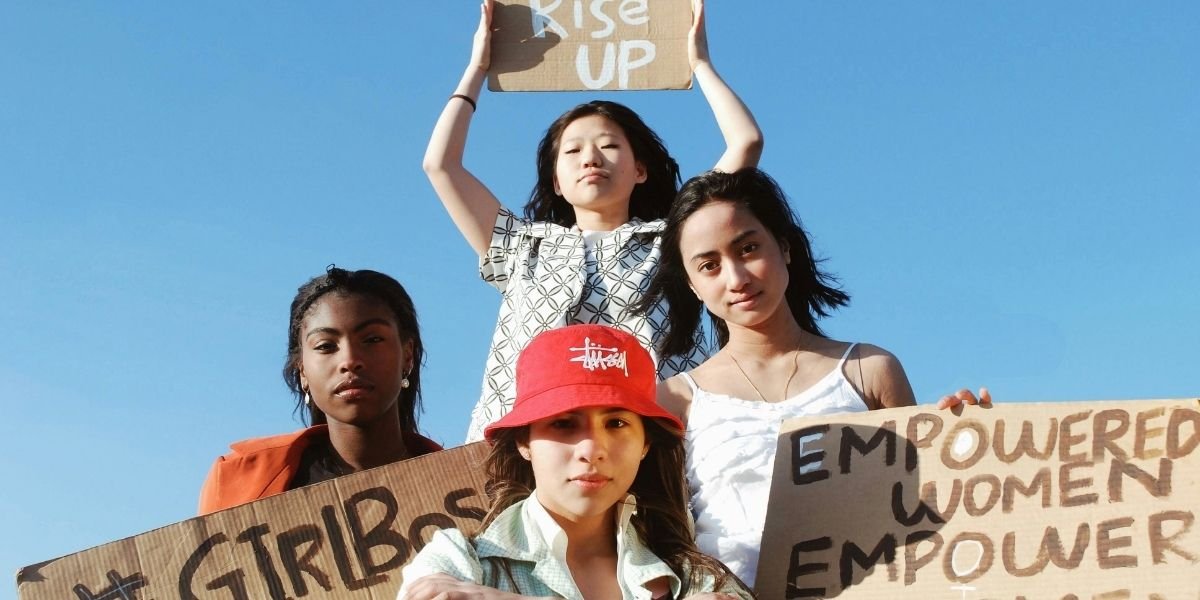
Femininity and feminism have long been discussed as opposing concepts, but today, they are increasingly seen as interconnected elements that shape gender roles in modern U.S. culture. Femininity is often associated with qualities, styles, and behaviors culturally linked to women, while feminism is a movement focused on advocating for gender equality. The tension arises when these concepts are framed as conflicting rather than complementary, especially when femininity is seen as a reflection of traditional stereotypes that feminism seeks to challenge.
In recent years, femininity has been reclaimed by many women as a source of empowerment. Choosing to embrace traditionally feminine aesthetics and behaviors is now viewed not as conforming to outdated expectations but as a powerful form of self-expression. Feminism, on the other hand, continues to push for systemic reforms, ensuring that personal choices can exist within an equal framework. This evolving narrative of femininity and feminism challenges how women define their identities in a society that is still navigating gender expectations.
As these two powerful narratives collide, questions arise about how embracing femininity aligns with feminist principles. This debate isn’t about one being right or wrong, but about how identity and advocacy can coexist, especially in a society that is continuously redefining gender roles. The intersection of these ideas sparks curiosity about whether embracing femininity can strengthen or hinder feminist progress.
Shifting Expressions of Femininity in Modern Culture
Across the U.S., conversations about femininity have evolved, especially with the rise of social media. Platforms showcase diverse expressions of femininity where it’s celebrated as a choice rather than an obligation. This shift reframes femininity as a form of agency, allowing individuals to define what it means for themselves. Women today are choosing how to embody their femininity, whether through fashion, behavior, or lifestyle, rejecting the notion that there’s only one way to be feminine.
At the same time, feminism continues to broaden its scope. The movement is no longer focused solely on gender equality but now incorporates intersectional approaches, addressing race, class, and climate justice. This broader focus makes feminism adaptable and relevant to the changing dynamics of modern society, while still championing the cause of gender equality. By combining these perspectives, femininity and feminism are no longer mutually exclusive but are woven together to reflect the realities of women’s lived experiences today.
This shift in expression also reflects how women are redefining their roles and identities in various aspects of life. Femininity and feminism are now more fluid and inclusive than ever before, with women embracing multiple identities while advocating for their rights. As women reclaim the narrative around femininity, they are able to assert their agency and control over how they are perceived and how they define themselves.
Generational Perspectives on Femininity and Feminism
The debate around femininity and feminism is influenced by generational differences, with older generations often recalling a time when femininity was strictly tied to domestic roles and societal expectations. For these women, feminism represented a necessary push against restrictive gender norms and was a vital force in expanding opportunities. Feminism was, and in many ways still is, seen as a direct challenge to the traditional roles women were expected to play in society.
In contrast, younger generations encounter a world where femininity can be more fluid and expressive. Today’s women are able to explore different forms of femininity that are not confined to traditional roles. The modern feminism embraced by younger generations is more inclusive, focusing on empowerment while supporting diverse identities and expressions of femininity. This generational shift demonstrates how younger women have a more adaptable view of femininity and feminism, seeing them not as opposing forces but as complementary aspects of a woman’s identity.
As the younger generation continues to define gender roles in ways that challenge the past, the conversation evolves. Women today are asking how femininity can coexist with feminist ideals, and how these concepts can shape their lives in ways that promote equality without sacrificing personal expression. This generational perspective will continue to influence the future of femininity and feminism, shaping how women approach empowerment in years to come.
Public Perceptions of Femininity and Feminism in Media and Everyday Life
The debate between femininity and feminism plays out in public spaces, from media portrayals to everyday interactions. In workplaces, schools, and communities, women are navigating expectations about how they should present themselves, behave, and engage with others. Femininity is often expressed through fashion, grooming, and demeanor, but feminism ensures that these choices are respected and not used as barriers to equal opportunity or recognition.
The portrayal of femininity in entertainment and advertising also influences public perceptions. While some media representations reinforce traditional gender stereotypes, others challenge these norms by showcasing women who defy conventional definitions of femininity. Feminism, in turn, advocates for representation that reflects diversity, equality, and authenticity, demanding that women’s voices and identities be presented without limitations.
In everyday life, femininity and feminism intersect in ways that continue to shape how women experience the world. Whether it’s through self-expression or advocacy for fairness, these two forces are constantly interacting. This ongoing negotiation affects how women move through society, balancing their individual identities with the broader fight for gender equality. As both movements evolve, they continue to influence one another, sparking conversations about the future of women’s roles in the world.
The Future of Femininity and Feminism: Shaping Gender Roles
The ongoing dialogue around femininity and feminism is less about conflict and more about integration. Femininity provides a lens through which women can explore their personal identity, while feminism offers the framework for ensuring equality and dismantling barriers. Together, these concepts shape how gender roles are understood and experienced in modern U.S. culture.
As society evolves, the meanings of femininity and feminism will continue to shift. New challenges, such as technological changes, climate issues, and social movements, will likely impact the way these concepts are perceived and lived. The intersection of femininity and feminism will remain a space where women redefine themselves, balancing self-expression with the ongoing fight for equality.
The question remains: How will society continue to balance personal identity and collective advocacy? Will femininity and feminism converge into a shared narrative of empowerment, or will they maintain separate paths, each contributing uniquely to the broader conversation about gender roles and equality? The answers will shape the future of women’s identities and the larger cultural narrative for generations to come.