For many women, grief does not arrive at a moment of stillness. It arrives alongside responsibility—children who still need care, work that still demands attention, and a life that continues to move forward regardless of loss. In these circumstances, healing is often misunderstood as something that happens later, after the pain has been resolved. Yet for women who must continue showing up, healing takes a different form. It becomes less about closure and more about learning how to remain present inside life as it unfolds.
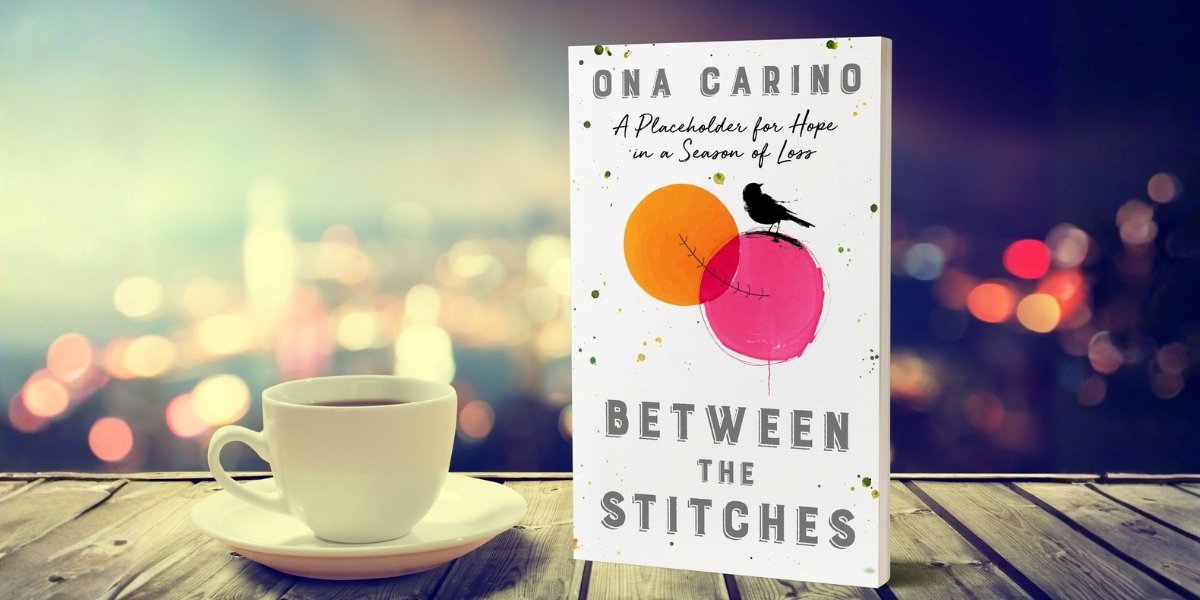
This understanding sits at the center of Between the Stitches, a book by author and mother Ona Carino. Rather than offering a narrative of recovery or resolution, the book reflects a lived reality familiar to many women: grief and responsibility often coexist, and healing happens not by stepping away from life, but by staying engaged with it.
Ona’s work speaks to women navigating loss while still carrying emotional and practical responsibility. Between the Stitches does not frame grief as something to overcome, but as an experience that reshapes how presence, strength, and love are practiced in everyday life.
Presence Over Perfection
One of the book’s defining themes is the choice to prioritize presence over perfection. For women in grief—particularly mothers—life rarely offers the option to pause entirely. Daily routines continue, children require attention, and expectations remain, even as internal capacity shifts.
Rather than presenting presence as an ideal state, Between the Stitches frames it as a steady, imperfect practice. Showing up without having everything figured out, remaining emotionally available when possible, and allowing grief to exist without demanding resolution become ways of continuing forward without denying loss.
This perspective challenges the pressure many women feel to either “stay strong” or “move on.” Instead, the book offers a more realistic definition of healing—one rooted in steadiness, honesty, and continued participation in life as it is.
Writing as Integration
The structure of Between the Stitches reflects this philosophy. The book does not function as a guide or a set of instructions. It offers no formulas or timelines. Instead, it serves as a companion, acknowledging the unevenness of grief and the quiet work required to live alongside it.
Writing became a means of integration rather than explanation. Ona did not write from a place of resolution, but from within the experience of balancing grief with daily life. The narrative allows space for contradiction, recognizing that joy and sorrow often exist at the same time.
This approach has resonated with readers because it mirrors their lived experience. Healing, as presented in the book, is not linear or dramatic. It is subtle, cumulative, and often taking place beneath the surface of ordinary days.
Living Between the Stitches
The concept behind Between the Stitches reflects this same understanding of healing as something lived rather than completed. It points to the moments that exist between loss and recovery—the ordinary spaces where responsibility remains, life continues, and grief is carried rather than resolved.
These moments are rarely recognized as meaningful, yet they are where presence becomes possible. It is in these in-between spaces that women learn how to hold grief without being overtaken by it, how to honor love after loss, and how to continue participating in life even when certainty is absent.
By naming this space, the book offers permission to recognize healing in forms that do not follow traditional narratives of closure or progress.

Photo Courtesy: Ona CarinoBetween the Stitches
From Personal Experience to Shared Understanding
While rooted in personal experience, Between the Stitches extends beyond individual story. Ona’s restrained, measured approach allows readers to see themselves reflected in the themes rather than absorbed in another person’s trauma. This balance has contributed to the book’s reception and its emergence as a #1 bestseller in multiple categories.
Readers have responded not because the book offers answers, but because it reflects a truth many women already know: that grief does not erase responsibility, and responsibility does not negate grief. The book validates the complexity of continuing to live fully without requiring pain to be left behind.
A Different Understanding of Healing
At its core, Between the Stitches offers a reframing of what healing can look like for women who carry loss while remaining engaged with life. Moving forward does not require abandoning grief, but learning how to hold it with care while continuing to show up.
Through her work, Ona Carino contributes to a broader conversation about how women sustain themselves through loss without stepping away from their lives. Between the Stitches stands as a reminder that healing is often quiet, presence is powerful, and the moments in between—though easy to overlook—are where life continues to unfold.
Contact Between the Stitches
For more information about Ona Carino and her book Between the Stitches, or to connect with the author, you can visit her Instagram account @betweenthestitches2025.