
By: Natalie Johnson
When it comes to wellness, hormones quietly run the show — influencing everything from mood to metabolism, heart health to sleep. Yet for decades, hormone health has been the most misunderstood — and most neglected — chapter in modern medicine.
That’s starting to change. The FDA just made headlines by removing the black box warnings on menopausal hormone therapy — calling the past two decades of fear “an American tragedy and one of the biggest mistakes in modern medicine.”
Scientists, philanthropists, and clinicians are calling for a full-scale reboot of how we understand midlife health. And leading that charge is Donna White — author of The Hormone Makeover and founder of the BHRT Training Academy — whose mission is simple: educate the people who care for us.
“After twenty years of misinformation, the truth is finally catching up to the science,” says White. “Bioidentical hormones don’t cause disease—they prevent it. You can’t fix what you don’t understand. When healthcare providers are properly trained in hormone science, lives change. It’s that simple.”
The Missing Link in Modern Medicine
For years, hormone decline — especially during perimenopause and menopause — was treated as an inevitable nuisance rather than a preventable health risk. That outdated thinking has real consequences. Hormonal shifts can affect bone strength, cardiovascular function, cognitive performance, and emotional well-being.
“Menopause isn’t a hot-flash problem,” White emphasizes. “It’s a whole-body event that influences long-term health. When hormones crash, everything from your brain to your bones are affected.”
The same goes for men, whose testosterone decline often sneaks up as fatigue, brain fog, weight gain, and irritability — symptoms dismissed as “just getting older.” The truth? They’re physiological red flags, not personality quirks.
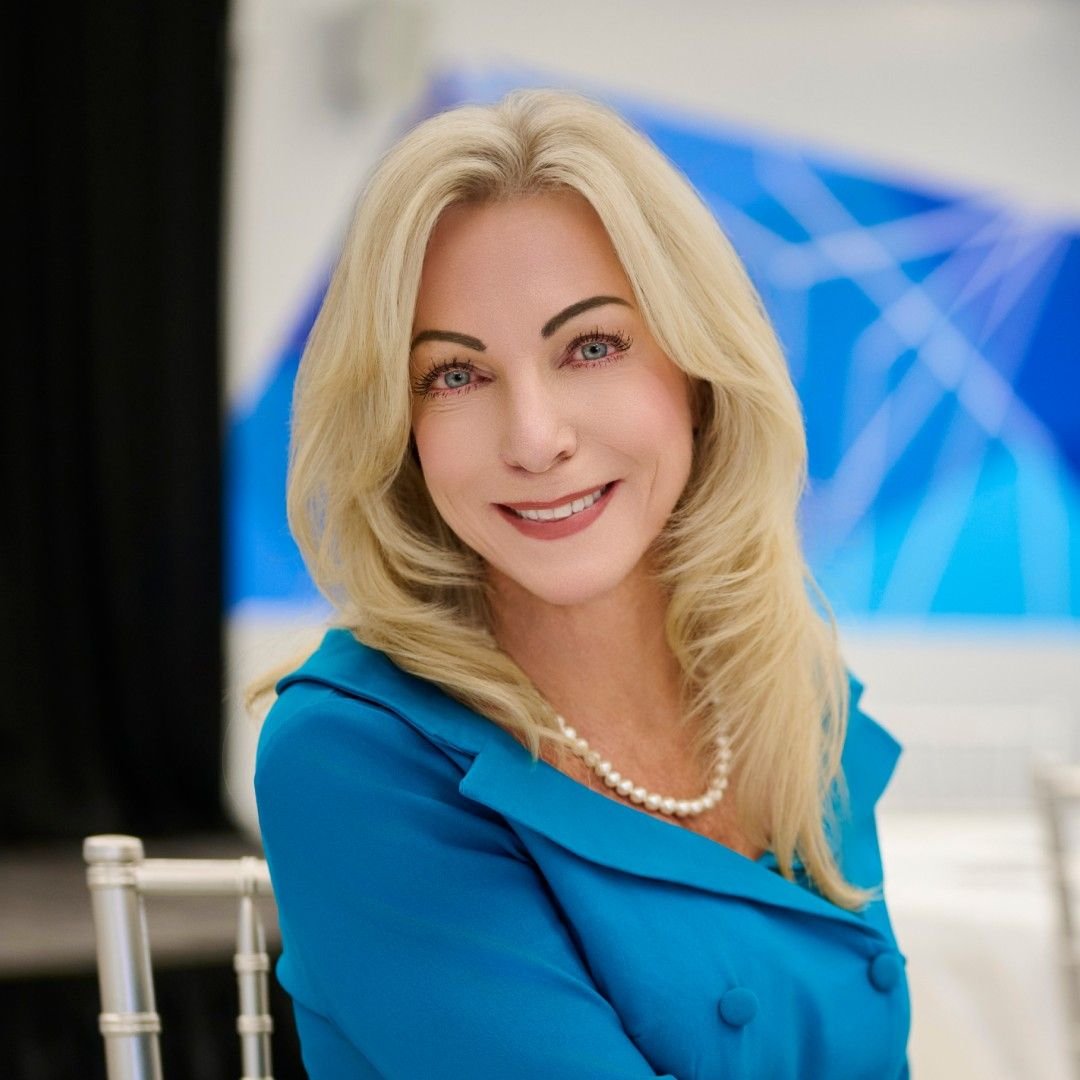
Photo Courtesy: Donna White
The Power of Provider Education
Recognizing that most providers never receive in-depth hormone training, White created the BHRT Training Academy— an educational platform for doctors, nurse practitioners, and health professionals worldwide.
Her goal: train 100,000 providers, each of whom can help at least 1,000 patients. That’s 100 million people whose lives could be changed by a single shift in medical education.
Through live workshops, comprehensive certification programs, and mentorship from experts, the Academy teaches practitioners to use bioidentical hormone replacement therapy (BHRT) safely and effectively. The result? More confident providers. Better outcomes. Fewer people suffering in silence.
“This is the bridge between wellness and real healthcare,” White explains. “When providers understand hormonal balance, they stop chasing symptoms and start treating root causes.”
A Growing Global Movement
The medical establishment is finally catching up. In July 2025, the FDA convened a landmark roundtable to re-evaluate menopause therapies — including whether the decades-old “black box” warnings on certain hormone medications are still appropriate. Many experts argued those warnings deter women from using safe, low-dose therapies that could dramatically improve quality of life.
At the same time, major universities and philanthropists are fueling research to close the gender health gap. A $4 million gift to Tufts University from Jeff and Linda Moslow launched the new Women’s Health and Menopause Initiative, bringing together researchers from nutrition, medicine, and policy to study how midlife hormones affect cardiovascular, metabolic, and cognitive health.
And through her organization Pivotal Ventures, Melinda French Gates committed $100 million to accelerate women’s health research worldwide — funding innovations in diagnostics, mental health, and reproductive medicine.
Together, these moves signal a cultural turning point: hormone health is no longer fringe wellness — it’s frontline science.
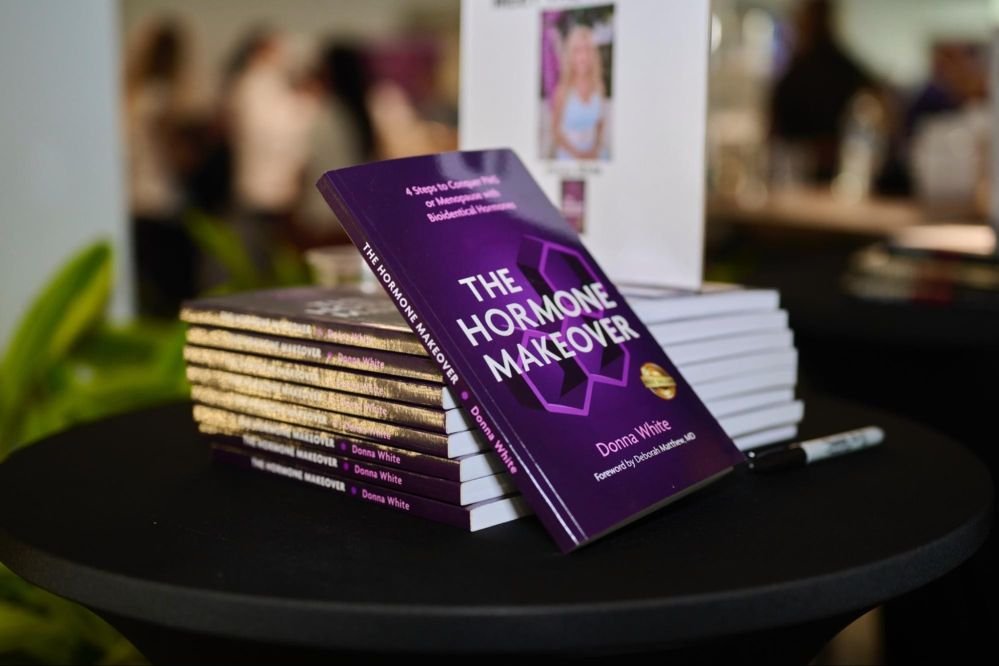
Photo Courtesy: Donna White
From Awareness to Action
Yet awareness alone isn’t enough. According to White, the missing ingredient is education. Every year, thousands of patients are told “your labs look fine,” even when their symptoms scream imbalance. That disconnect, she says, stems from how medical professionals are trained — or more often, not trained — to read hormonal clues.
“Patients are more informed than ever,” White notes. “They’re coming in asking about bioidentical hormones, about estrogen dominance, about testosterone therapy. But many providers haven’t been given the updated research or tools to respond confidently. That’s the gap we’re closing.”
A Future Fueled by Knowledge
The BHRT Training Academy’s mission dovetails seamlessly with the growing push for evidence-based menopause care. Its alumni span continents — primary care physicians in London, nurse practitioners in Texas, endocrinologists in Dubai — all carrying the same message: hormone literacy saves lives.
And while the Academy’s roots are in women’s health, White is quick to point out the bigger picture. Balanced hormones protect the brain from cognitive decline, preserve bone density, support metabolism, and even influence emotional resilience. In short, hormonal health is human health.
“We’re not just extending life,” White says. “We’re improving the years that matter most.”
The Next Health Revolution
The hormone movement is gaining speed. Between the FDA’s recent announcement, Tufts’ new initiative, and philanthropic investments from figures like Gates, hormone health is poised to become a dynamic area in modern medicine.
But if Donna White has her way, the true revolution won’t happen in labs or boardrooms — it will happen in exam rooms, one well-trained provider at a time.
A Simple Truth
Hormones may be invisible, but their impact isn’t. They shape how we think, feel, move, and age. And as medicine begins to reconnect the dots, the path to better health may turn out to be remarkably straightforward:
Train the providers. Educate the patients. Change the world — one hormone at a time.
Disclaimer: This content is for informational purposes only and is not intended as medical advice, nor does it replace professional medical expertise or treatment. If you have any concerns or questions about your health, always consult with a physician or other healthcare professional.