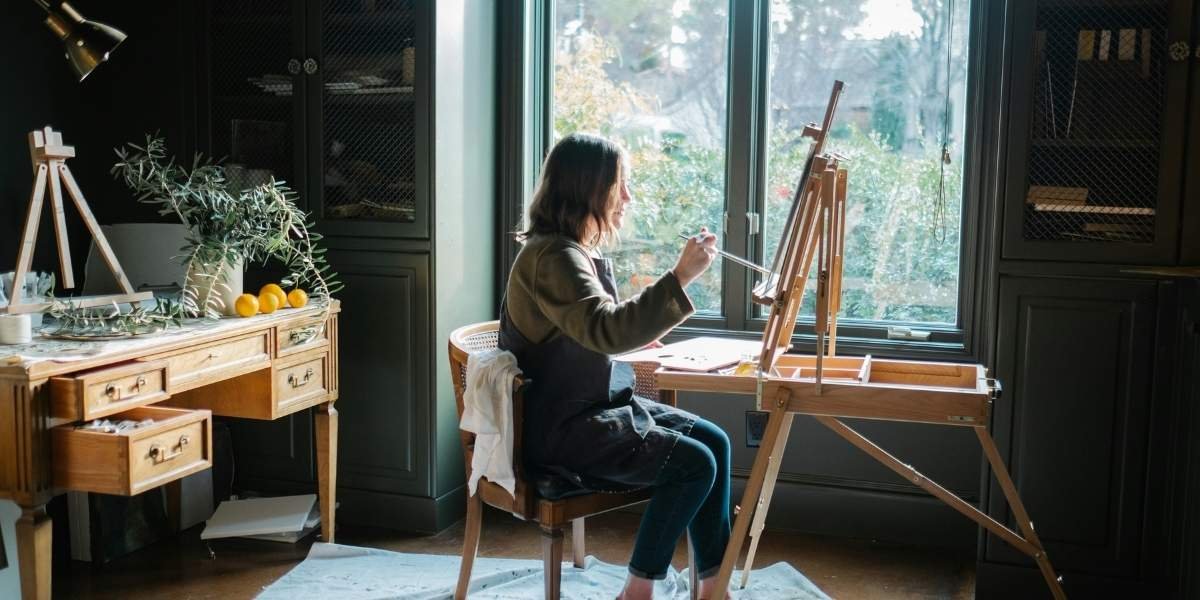
For centuries, women artists faced exclusion from formal training, patronage networks, and major exhibitions, which created a lasting legacy where their work was undervalued in comparison to their male contemporaries. This historical bias continues to shape the art market today. Despite the incredible skill and innovation found in their works, women artists’ pieces consistently sell for less than those of male artists, even when comparable in quality and recognition.
Recent examples of this disparity can be seen in auction results. Georgia O’Keeffe’s Jimson Weed/White Flower No. 1 set a record in 2014 when it sold for $44.4 million. While that was an incredible achievement, it still pales in comparison to the hundreds of millions commanded by male artists like Pablo Picasso or Andy Warhol. Frida Kahlo’s self-portrait El sueño (La cama), which is expected to break records at Sotheby’s, might become the most expensive work by a woman ever sold. However, this milestone remains rare in a market where men dominate, and it highlights how long it has taken for women’s work to receive comparable attention.
Auction houses are increasingly spotlighting women artists, yet the gap persists. Collectors often perceive male artists as “safer” purchases, reinforcing the cycle of undervaluation. This perception is rooted in decades of exclusion and continues to shape buying patterns today, even when women’s works have equal merit.
Representation in Museums and Galleries
Museums and galleries are vital in shaping the art market, as they help determine the visibility and market value of artists’ work. For decades, women’s contributions to art were underrepresented in permanent collections, leading to a lack of recognition and, in turn, limiting their market value. Studies show that works by women artists make up less than 15% of major museum holdings worldwide. This figure directly affects the demand and pricing of women’s art at auction.
However, museums and galleries are slowly working to rectify this imbalance. Institutions such as the Tate Modern and MoMA have made efforts to diversify their collections and elevate the visibility of women artists. These initiatives are beginning to shift the narrative, but the pace of change remains gradual. Consistent representation is crucial to increasing women artists’ market value, as their art needs visibility to build market confidence.
This lack of representation also impacts the resale market. Artworks that are well-known and have been featured in museums or galleries are more likely to see increased demand and higher auction prices. When women’s art is not included in these spaces, it limits their opportunities for recognition, which in turn restricts long-term growth in market value.
Market Perceptions and Collector Behavior
Collector behavior plays a significant role in the pricing of art, particularly regarding gender disparities. For many buyers, male artists are often viewed as more established or reliable investments, a bias rooted in decades of market dominance. Despite women’s art receiving critical acclaim, this bias continues to influence auction estimates and final prices.

Photo Credit: Unsplash.com
In the art world, familiarity often drives buying behavior. Male artists, who have long been part of the traditional art canon, benefit from established reputations and a consistent presence in major galleries and museums. In contrast, women artists are sometimes seen as niche or secondary, even when their work is equally innovative or impactful. As a result, works by women are often entered into auctions with lower estimates, reinforcing the cycle of undervaluation.
However, efforts to challenge these biases are increasing. Advocacy groups like the Guerrilla Girls have launched public campaigns to raise awareness of the systemic undervaluation of women’s art. While such initiatives have drawn attention to the issue, changing entrenched market behavior remains a complex and slow-moving process.
Contemporary Shifts and High-Profile Sales
In recent years, high-profile sales of women’s art have started to shift market expectations. Frida Kahlo’s upcoming auction at Sotheby’s is expected to break records, signaling greater recognition of women’s contributions to art. Additionally, contemporary artists like Jenny Saville and Cecily Brown have seen strong sales, showing that demand for women’s art is on the rise. These sales highlight a shift in how the market views women artists and the potential for more significant recognition in the future.
Auction houses have also begun partnering with advocacy groups to help elevate women artists. Special sales featuring female creators, such as those organized by Sotheby’s and Christie’s, are designed to spotlight women’s work and challenge market norms. These curated events offer an opportunity to elevate the visibility of women artists and challenge the established trends that have historically undervalued their work.
While individual high-profile sales make headlines, systemic undervaluation still affects the majority of women artists. The challenge remains in ensuring that these breakthroughs translate into lasting structural changes, rather than isolated successes that only benefit a small group of artists.
Closing the Gender Gap in Art Valuation
The future of women’s art in the market hinges on sustained efforts from institutions, collectors, and auction houses. One of the most effective ways to close the gap is by increasing representation in museums and galleries. Visibility is crucial for driving demand, and the more women’s work is shown and celebrated, the higher the potential for market value. Without consistent inclusion, women’s art risks being overlooked despite its artistic and historical significance.
Collectors also play a critical role in addressing these disparities. By actively supporting women artists and challenging their biases, buyers can help reshape market dynamics. The more collectors are aware of the inequities in art pricing, the more likely they are to make informed, equitable purchasing decisions. This, in turn, fosters long-term change that can help balance the scales.
Ultimately, closing the gender gap in art pricing requires a collective effort from all parts of the art world. Museums, galleries, collectors, and advocacy groups must work together to ensure that women’s art receives the recognition and value it deserves. As high-profile sales continue to shine a light on the disparities in the market, the conversation around equity is gaining momentum. There is hope that future generations of women artists will see their work valued on equal terms, without the historical biases that have long shaped the art world.