
Alice Shikina on Setting Boundaries Without Waiting for Agreement

By Kate Sarmiento
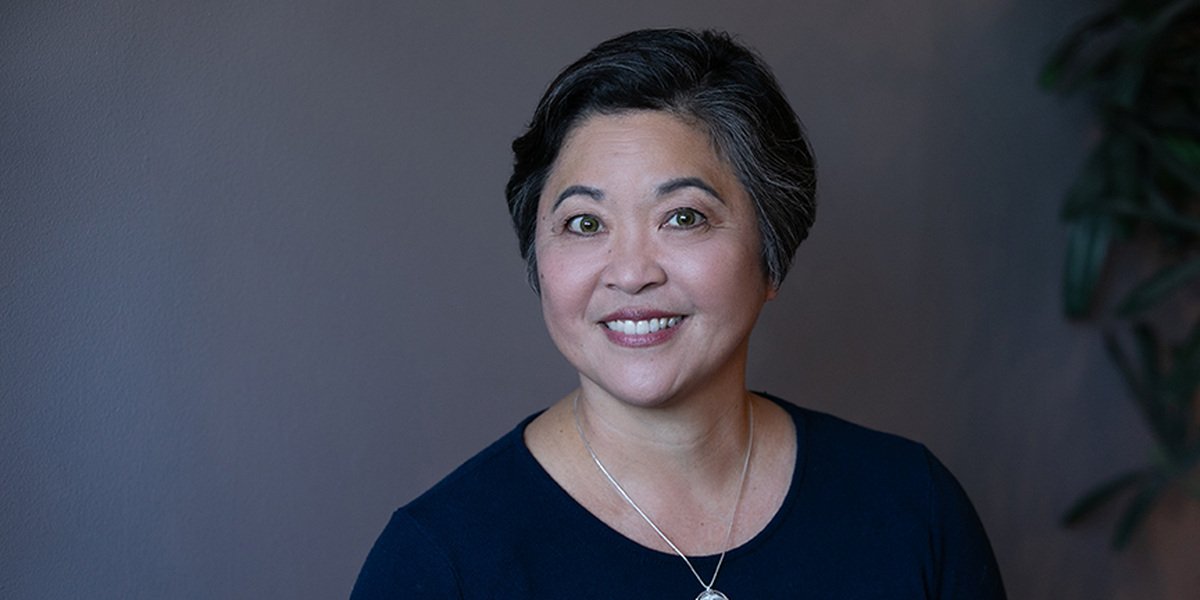
People often keep having an argument long after it ends, replaying it and rehearsing what they should have said. Alice Shikina, founder of Shikina Mediation and Arbitration in Oakland, California, has been a mediator since 2013 and works with people stuck in moments like that, including divorce, family disagreements, workplace conflict, and housing disputes. Her central belief is that a small shift in how someone reads a difficult situation can change how it feels to them, and can bring into view choices they couldn’t see before.
That idea applies to the many women who carry the emotional weight of a tense relationship, a family responsibility, or a difficult workplace, where a common move is to keep explaining until the other person comes around. Alice asks a different question: which parts of this situation does a person actually get to decide? That question can be answered before anyone else changes their mind. It doesn’t ask anyone to put up with mistreatment, drop a boundary, or pretend an unfair situation is fair.
Why Winning the Argument Rarely Ends It
Being right doesn’t always settle an argument, because the people in it often get stuck. Alice describes the people who come to mediation as two birds caught in a net, each yanking against the very thing holding them in place. Anger, resentment, and the wish to be understood can all keep a disagreement going, and so can unmet expectations about how the other person should behave.
The other person’s behavior is the loudest part of a conflict, so it grabs most of the attention. That leaves little room for a different question: what options exist that don’t depend on that person changing? In a session, Alice helps loosen the net by offering another way to read the situation.
Research on emotion regulation lends some support to the idea that how people read a situation matters. People who habitually reframed difficult situations tended to feel more positive emotion and less negative emotion, while people who mostly held their feelings in tended to feel more negative emotion and had less emotionally close relationships (Source: Journal of Personality and Social Psychology, 2003).
A useful reframe has to stay grounded in reality. Alice holds herself to that: when something upsets her, she looks at it from other angles and searches for an interpretation that cuts down on unnecessary suffering without denying what happened. A reframe that hides mistreatment fails that test, because the problem is still sitting there.
How to Tell Which Conflicts Are Actually Yours to Carry
Family caregiving is where this question gets concrete. A 2025 national report found that about 63 million Americans, nearly 1 in 4 adults, had provided ongoing care for an adult or a child with a complex medical condition or disability in the past year, and that women and caregivers who felt they had no choice in taking on the role were among the groups significantly more likely to report feeling alone (Source: AARP and National Alliance for Caregiving, 2025). Alice has seen people get stuck when they take on responsibility for relationships and decisions outside their control.
One man who consulted Alice had spent a year arguing with his siblings about caring for their mother as her dementia progressed. He felt trapped in his mother’s home and overwhelmed by the family conflict. Alice helped him see that the relationship between his mother and his siblings was ultimately theirs to manage. That showed him he had choices about his own living situation and could handle future problems as they came up. Seeing it this way doesn’t mean caring less about a parent. It just separates the decisions a person can make from the ones that depend on other people.
A person can start that sorting with two questions: which decisions are actually in front of her this week, and what she’d do next if the other person never changed their mind. The second question can point to a step that was available all along.
Boundaries work the same way. A boundary describes what a person will do, like when she’ll take a call or which topics she won’t discuss, so she can state it calmly without needing the other person’s approval. Abuse and safety concerns are a different matter. In those situations the priority is protection and support from trusted people and qualified professionals, and no reframing is needed.
Understanding the other person’s point of view can also make a hard conversation go better. In negotiation experiments, participants who focused on what the other party was thinking were more likely to find agreements others missed, and they tended to do better for themselves than participants who focused on what the other party was feeling (Source: Psychological Science, 2008). Understanding someone’s thinking is a separate skill from taking on their feelings, and it can be practiced even when a conflict has already worn a person out.
A little distance helps when emotions are running high. Research on self-distancing, which means looking at an upsetting event from an observer’s point of view, has linked it to more constructive reflection on painful experiences (Source: Journal of Personality and Social Psychology, 2010). One simple way to try it is to describe the situation in the third person before an important conversation.
Reframing can also help with a decision that feels unfair. One of Alice’s clients was deeply upset about paying her ex-husband half the value of a house she believed she had paid for herself. Alice helped her see the payment as the price of moving forward and gaining freedom from a difficult chapter of her life. The client got emotional, accepted that view, and later expressed gratitude for the conversation. The example doesn’t say what anyone owes in a divorce, which is a question for each person and her attorney. It shows that a strong emotional reaction can be weighed against what matters most to a person before she decides how to respond.
The Rematch You Are Allowed to Skip
Every situation is different, but the idea behind Alice’s work stays the same: a change in perspective can create movement even when circumstances stay difficult. It points a person toward the parts of a situation she can still influence. Family members may keep disagreeing and a colleague may never give the acknowledgment a person deserves, and she can still decide how to live and where to spend her energy.
A good place to start is one conflict that keeps replaying. Write down the one decision connected to it that is entirely yours this week. Before stating a boundary around that decision, it helps to ask the other person what they are expecting. Someone with a new baby at home might be tempted to open with, “You can’t stay at our place this year because we have a new baby.” Starting instead with “What are you thinking about accommodations this year?” lets the other person put their plans on the table first, which is the same perspective-taking that helped negotiators find better agreements. Their answer may be closer to what she wants than she feared, and if it isn’t, she can state her boundary with a clear picture of what she is responding to. The decision still belongs to her, and she can make it without waiting for the other person to agree or apologize.
The next move belongs to the person making it, whether or not anyone else agrees. Alice Shikina helps people find that move through mediation, negotiation coaching, and speaking. To learn more, visit Shikina Mediation and Arbitration.