Women's Journal

Your Body Is Carrying Your Calling, Staci Wallace on Faith, Wellness, and Whole-Person Stewardship

Modern wellness culture can make health feel like another performance metric. Steps, diets, routines, appearance, productivity, and constant optimization can leave people with more pressure rather than greater peace.

For Staci Wallace, health begins with a different question: How can people responsibly care for the body, mind, emotions, and energy that allow them to fulfill the purpose they have been given?

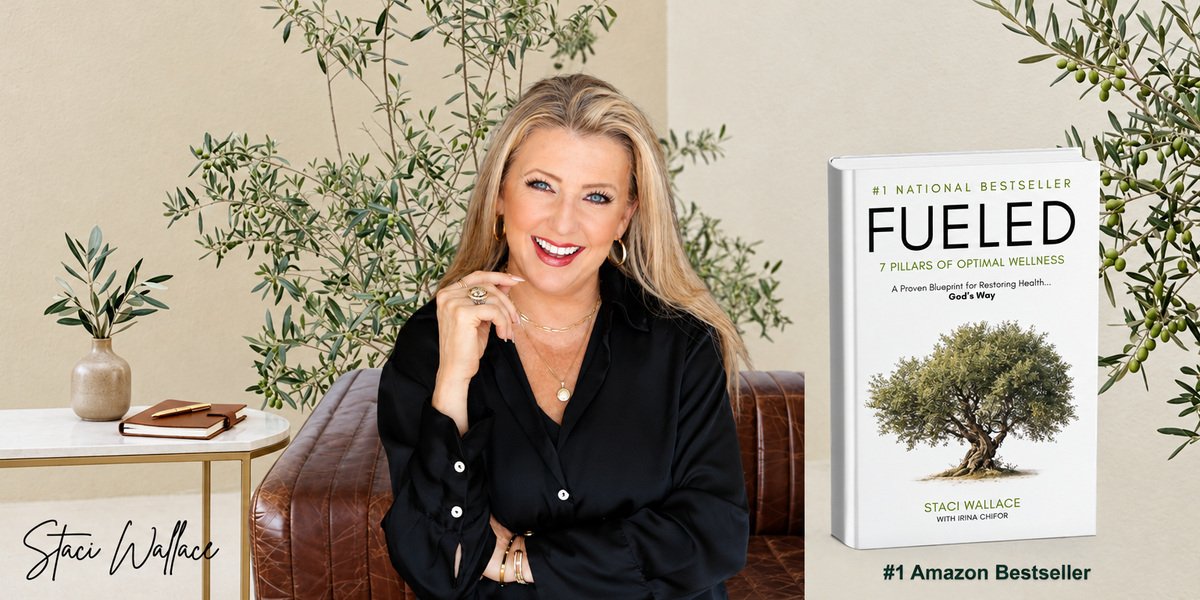
As a nationally bestselling author, international speaker, CEO, and mentor to high-capacity leaders, Wallace has spent decades working at the intersection of leadership, faith, personal development, and transformation. Her eighth book, Fueled: 7 Pillars of Optimal Wellness, presents wellness as an issue of stewardship rather than perfection.

Staci Wallace Reframes the Purpose of Wellness

Wallace’s approach begins with a simple premise: a person’s health is not separate from their purpose.

People carrying demanding careers, families, ministries, businesses, or other responsibilities can easily treat their own well-being as something to address later. The demands of the day take priority, rest gets postponed, emotional strain becomes normal, and physical signals are ignored until they become impossible to overlook.

Wallace challenges that pattern without framing wellness as another source of guilt. Instead, she encourages people to recognize that caring for themselves can strengthen their ability to lead, serve, create, and remain present for the people who depend on them.

The goal is not to pursue an idealized version of health. It is to develop enough strength, clarity, energy, and endurance to live with greater alignment.

Faith and Practical Action Can Work Together

For Wallace, faith does not eliminate the need for practical action. The two can work together.

That perspective shapes Fueled: 7 Pillars of Optimal Wellness, which connects spiritual fuel with areas such as nutrition, movement, rest and recovery, emotional stewardship, body signals, healthy rhythms, environment, and accountability.

Rather than treating these areas as isolated health goals, the framework presents them as interconnected aspects of whole-person wellness. A person experiencing chronic stress, for example, may need more than another productivity strategy. Rest, emotional awareness, physical movement, nutrition, relationships, and spiritual practices may all have a role in creating healthier rhythms.

This approach moves wellness away from a collection of disconnected rules and toward a process of paying attention, identifying what needs care, and taking sustainable action.

Staci Wallace Encourages Women to Listen to Their Bodies

The message carries particular relevance for women who often balance multiple forms of responsibility simultaneously.

Leadership, parenting, professional expectations, relationships, caregiving, and personal commitments can create a pattern in which everyone else’s needs appear urgent while personal health remains negotiable.

Wallace’s framework encourages a different form of responsibility: listening to what the body is communicating instead of treating every signal as an inconvenience.

Fatigue, stress, changes in energy, and other physical or emotional experiences can become prompts for reflection and responsible action. That does not mean every symptom has a simple explanation, but it does mean that health deserves attention rather than automatic dismissal.

The broader lesson is that stewardship involves awareness. People cannot make wise decisions about something they consistently refuse to notice.

Moving Beyond Perfection

One of the most practical aspects of Wallace’s message is its rejection of all-or-nothing thinking.

A sustainable approach to wellness does not require someone to transform every part of life overnight. It can begin with identifying the area creating the greatest strain and making one meaningful change.

That could mean establishing a healthier rhythm of rest, becoming more intentional about nutrition, making movement part of the week, addressing emotional stress, strengthening accountability, or creating greater space for spiritual practices.

Small decisions become meaningful when they are repeated.

For Wallace, this is where faith-centered wellness becomes more than an idea. It becomes a daily practice of choosing actions that support the life a person is trying to build.

A Different Definition of Being Well

Fueled: 7 Pillars of Optimal Wellness ultimately presents wellness as preparation for meaningful living. The objective is not simply to look healthier or accumulate more years. It is to become more capable of being present for one’s purpose, relationships, responsibilities, and future.

Wallace’s message offers a useful reframing: the body is not an obstacle standing between a person and their calling. It is the vessel carrying that calling.

When health is approached through that lens, caring for oneself becomes less about chasing perfection and more about practicing wisdom. It becomes a way to protect capacity, strengthen resilience, and create sustainable rhythms for the life ahead.

For women carrying significant responsibilities, that distinction can change the conversation around wellness from What should I be doing to look or feel better? to What does responsible stewardship look like for the life I have been entrusted to live?

Explore / Learn More and Connect with Staci Wallace

Website: StaciWallace.com
Book:
Fueled: 7 Pillars of Optimal Wellness
Website:
www.fueledbyfire.com/fueled

Disclaimer: This article is for general informational and educational purposes only. It is not intended to provide medical, nutritional, mental health, or other professional healthcare advice, diagnosis, or treatment. The views and wellness concepts discussed reflect the perspectives of the individuals featured and should not be considered a substitute for guidance from a qualified healthcare professional. Readers should consult an appropriate medical or healthcare provider regarding any health concerns, symptoms, dietary changes, exercise routines, or wellness practices, particularly if they have an existing medical condition or are taking medication. Individual experiences and results may vary.

Your Body Is Carrying Your Calling, Staci Wallace on Faith, Wellness, and Whole-Person Stewardship

Modern wellness culture can make health feel like another performance metric. Steps, diets, routines, appearance, productivity, and constant optimization can leave people with more pressure rather than greater peace.

For Staci Wallace, health begins with a different question: How can people responsibly care for the body, mind, emotions, and energy that allow them to fulfill the purpose they have been given?

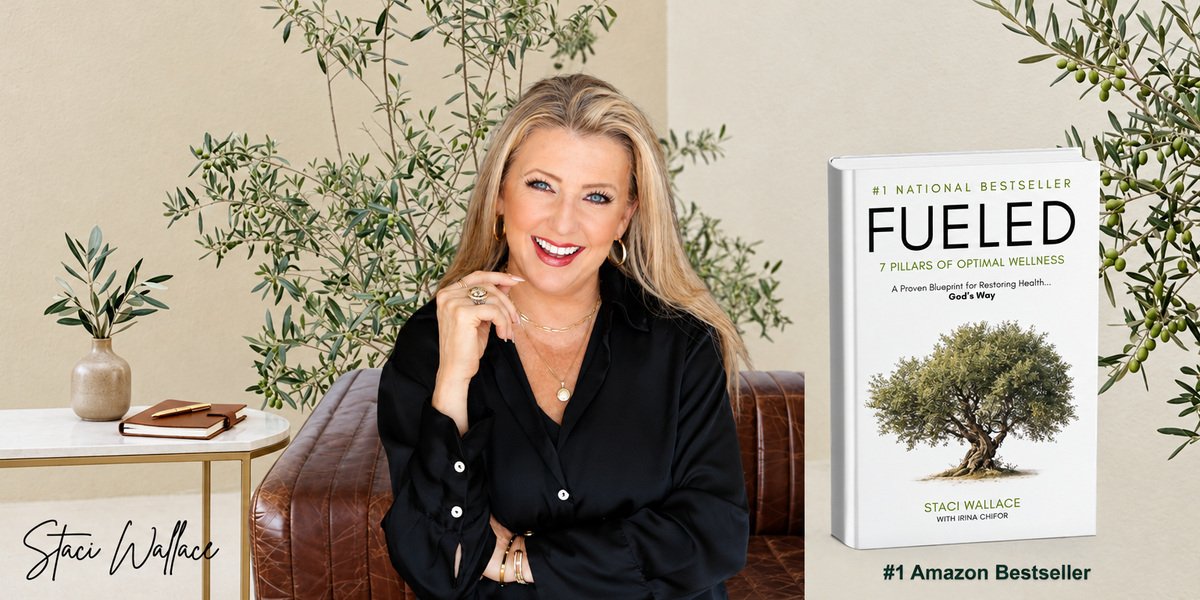
As a nationally bestselling author, international speaker, CEO, and mentor to high-capacity leaders, Wallace has spent decades working at the intersection of leadership, faith, personal development, and transformation. Her eighth book, Fueled: 7 Pillars of Optimal Wellness, presents wellness as an issue of stewardship rather than perfection.

Staci Wallace Reframes the Purpose of Wellness

Wallace’s approach begins with a simple premise: a person’s health is not separate from their purpose.

People carrying demanding careers, families, ministries, businesses, or other responsibilities can easily treat their own well-being as something to address later. The demands of the day take priority, rest gets postponed, emotional strain becomes normal, and physical signals are ignored until they become impossible to overlook.

Wallace challenges that pattern without framing wellness as another source of guilt. Instead, she encourages people to recognize that caring for themselves can strengthen their ability to lead, serve, create, and remain present for the people who depend on them.

The goal is not to pursue an idealized version of health. It is to develop enough strength, clarity, energy, and endurance to live with greater alignment.

Faith and Practical Action Can Work Together

For Wallace, faith does not eliminate the need for practical action. The two can work together.

That perspective shapes Fueled: 7 Pillars of Optimal Wellness, which connects spiritual fuel with areas such as nutrition, movement, rest and recovery, emotional stewardship, body signals, healthy rhythms, environment, and accountability.

Rather than treating these areas as isolated health goals, the framework presents them as interconnected aspects of whole-person wellness. A person experiencing chronic stress, for example, may need more than another productivity strategy. Rest, emotional awareness, physical movement, nutrition, relationships, and spiritual practices may all have a role in creating healthier rhythms.

This approach moves wellness away from a collection of disconnected rules and toward a process of paying attention, identifying what needs care, and taking sustainable action.

Staci Wallace Encourages Women to Listen to Their Bodies

The message carries particular relevance for women who often balance multiple forms of responsibility simultaneously.

Leadership, parenting, professional expectations, relationships, caregiving, and personal commitments can create a pattern in which everyone else’s needs appear urgent while personal health remains negotiable.

Wallace’s framework encourages a different form of responsibility: listening to what the body is communicating instead of treating every signal as an inconvenience.

Fatigue, stress, changes in energy, and other physical or emotional experiences can become prompts for reflection and responsible action. That does not mean every symptom has a simple explanation, but it does mean that health deserves attention rather than automatic dismissal.

The broader lesson is that stewardship involves awareness. People cannot make wise decisions about something they consistently refuse to notice.

Moving Beyond Perfection

One of the most practical aspects of Wallace’s message is its rejection of all-or-nothing thinking.

A sustainable approach to wellness does not require someone to transform every part of life overnight. It can begin with identifying the area creating the greatest strain and making one meaningful change.

That could mean establishing a healthier rhythm of rest, becoming more intentional about nutrition, making movement part of the week, addressing emotional stress, strengthening accountability, or creating greater space for spiritual practices.

Small decisions become meaningful when they are repeated.

For Wallace, this is where faith-centered wellness becomes more than an idea. It becomes a daily practice of choosing actions that support the life a person is trying to build.

A Different Definition of Being Well

Fueled: 7 Pillars of Optimal Wellness ultimately presents wellness as preparation for meaningful living. The objective is not simply to look healthier or accumulate more years. It is to become more capable of being present for one’s purpose, relationships, responsibilities, and future.

Wallace’s message offers a useful reframing: the body is not an obstacle standing between a person and their calling. It is the vessel carrying that calling.

When health is approached through that lens, caring for oneself becomes less about chasing perfection and more about practicing wisdom. It becomes a way to protect capacity, strengthen resilience, and create sustainable rhythms for the life ahead.

For women carrying significant responsibilities, that distinction can change the conversation around wellness from What should I be doing to look or feel better? to What does responsible stewardship look like for the life I have been entrusted to live?

Explore / Learn More and Connect with Staci Wallace

Website: StaciWallace.com
Book:
Fueled: 7 Pillars of Optimal Wellness
Website:
www.fueledbyfire.com/fueled

Disclaimer: This article is for general informational and educational purposes only. It is not intended to provide medical, nutritional, mental health, or other professional healthcare advice, diagnosis, or treatment. The views and wellness concepts discussed reflect the perspectives of the individuals featured and should not be considered a substitute for guidance from a qualified healthcare professional. Readers should consult an appropriate medical or healthcare provider regarding any health concerns, symptoms, dietary changes, exercise routines, or wellness practices, particularly if they have an existing medical condition or are taking medication. Individual experiences and results may vary.