
Women's Journal

Women in Sports Gain Expanded Global Research Network

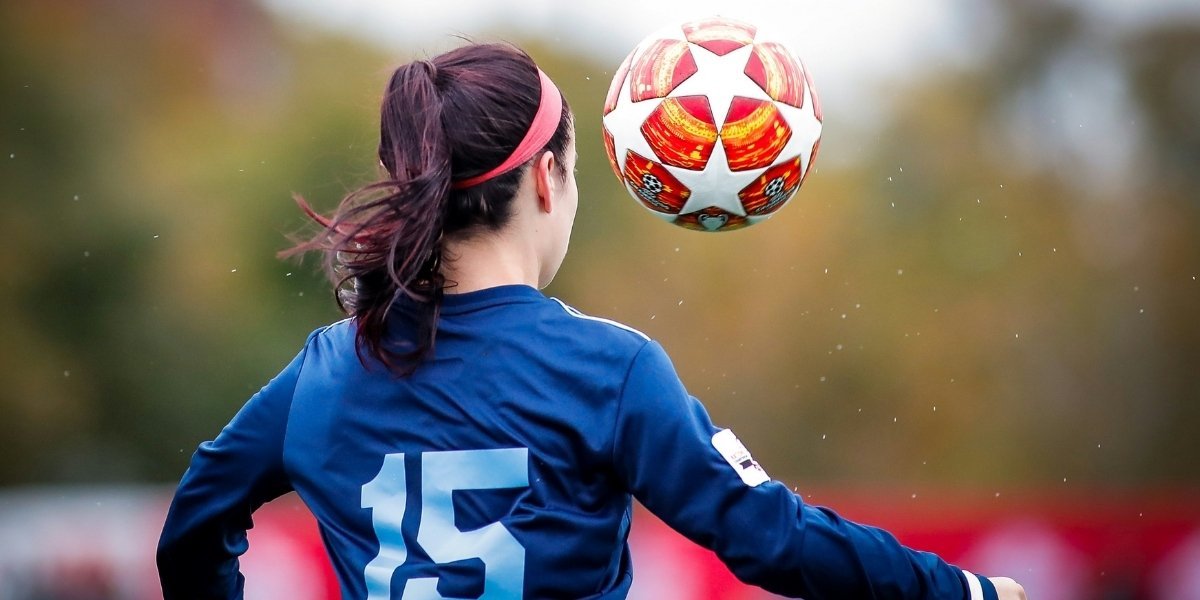
The Global Alliance for Female Athletes has expanded from four to nine member nations, with Canada, France, Germany, Japan and Switzerland joining the initiative. Ireland and Belgium have also become supporting partners, strengthening international collaboration on research gaps and health and performance support for female athletes.

Key Takeaways

  • GAFA has expanded from four founding nations to nine members.
  • Canada, France, Germany, Japan and Switzerland joined as new members.
  • Ireland and Belgium joined the initiative as supporting partners.
  • The alliance is focused on research gaps affecting female athletes.
  • GAFA seeks to improve access to female-focused research for athletes, coaches and sports-medicine professionals.

Global Alliance for Female Athletes Expands to Nine Nations

Women in sports will have access to a larger international research network after the Global Alliance for Female Athletes expanded its membership from four nations to nine. Canada, France, Germany, Japan and Switzerland have joined the alliance as new members.

Ireland and Belgium have also joined as supporting partners, adding to the network’s international participation without becoming part of the nine-member group.

The expansion gives GAFA a broader group of national participants working on research and support related to female athletes. Its stated focus is improving health and performance outcomes through greater cooperation across participating countries.

GAFA was established by organizations from four founding nations. The alliance is focused specifically on issues affecting female athletes rather than applying a general sports research framework to all athletes.

Its work includes collaboration on research gaps and the sharing of information related to female athlete health and performance. The network also seeks to make female-focused research more accessible to the people who work directly with athletes.

The participating groups include athletes, coaches and sports-medicine practitioners as intended users of the research and information produced through the initiative.

The addition of five new member nations increases the number of countries formally participating in the alliance. The involvement of Ireland and Belgium as supporting partners expands the initiative’s connections beyond its formal membership structure.

The new research network adds to existing efforts focused on female athlete health, including initiatives that make sports medicine information more accessible to athletes and coaches. A separate female health and performance project has also addressed health and performance information for women in football.

Canada and Four European and Asian Nations Join GAFA
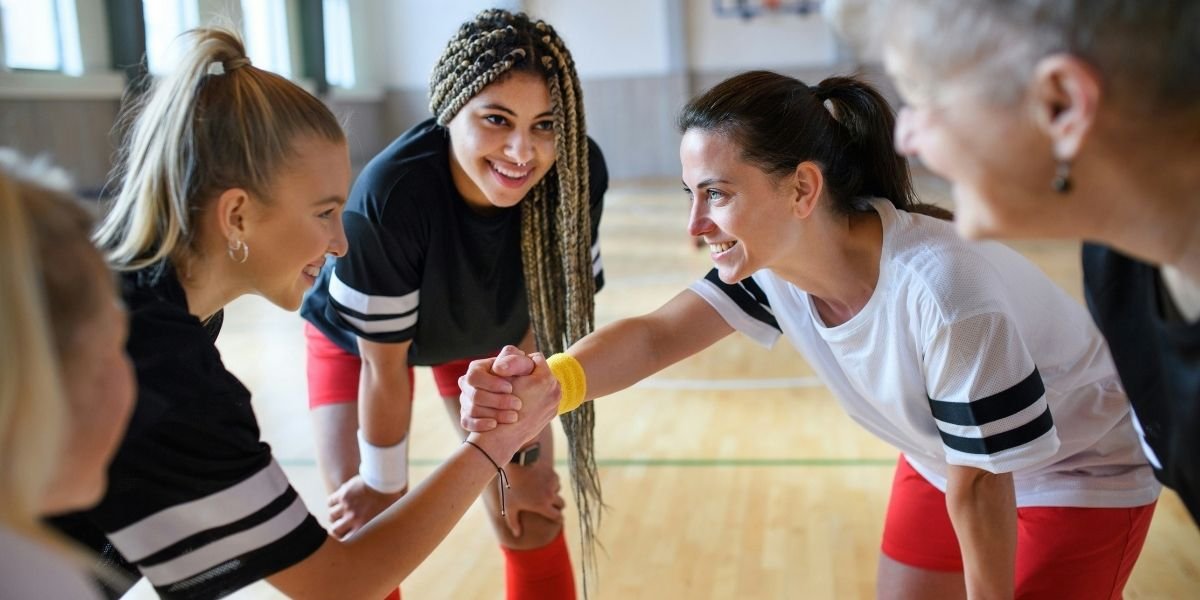
Women in Sports Gain Expanded Global Research Network

Photo Credit: Unsplash.com

Canada, France, Germany, Japan and Switzerland are the five countries joining GAFA as new members. Their participation takes the alliance from its original four members to nine.

The countries represent organizations that will participate in the alliance’s work on research and support for female athletes. Their membership gives GAFA additional national participants with which to share research and information.

The expanded membership is centered on cooperation rather than a single sporting discipline. The alliance’s stated work covers health and performance outcomes for women in sport and research gaps connected to those areas.

Female-focused research can address questions that are specific to women athletes and their sporting experiences. GAFA’s structure is intended to help participating organizations work together on those research needs and share relevant findings.

The alliance also seeks to improve the movement of research from researchers and institutions to people involved in sports. Athletes, coaches and sports-medicine professionals are identified as key groups that can use the information.

The addition of Canada, France, Germany, Japan and Switzerland therefore affects both the membership structure and the potential reach of the network’s collaborative work.

The five new members join the four original nations that established GAFA. The resulting nine-member structure provides the formal framework for the alliance’s international collaboration.

The expansion follows other developments involving women athletes and sports infrastructure. Research and health support have become part of coverage surrounding women’s sports leadership, including the roles of coaches and other professionals involved in athlete development.

Ireland and Belgium Become Supporting Partners

Ireland and Belgium have joined GAFA as supporting partners rather than as members of the nine-nation alliance.

The distinction gives the initiative two levels of participation. Nine nations are members, while Ireland and Belgium provide support as partner countries.

Their involvement expands the number of national participants connected to GAFA beyond the nine formal members. It also adds additional organizations to an initiative centered on research collaboration and support for female athletes.

The partnership structure allows GAFA to work with countries outside its formal membership group while maintaining the nine-member organization announced in the expansion.

The arrangement also reflects the alliance’s emphasis on sharing knowledge across participating organizations. Supporting partners can contribute to the network without being counted among its nine members.

GAFA’s expanded structure now includes the founding nations, five new members and two supporting partners. Each group is connected to the alliance’s stated goal of improving health and performance support for female athletes.

The expansion also gives organizations working with women athletes a larger network through which research and information can be shared.

Alliance Targets Research Gaps in Female Athlete Health

GAFA’s central focus is addressing research gaps related to female athletes and improving health and performance outcomes. The alliance is designed to bring participating organizations together around those research needs.

Female athlete health is one of the areas covered by the initiative. The research focus is connected to the practical needs of athletes and the professionals who support them.

The alliance also aims to improve the availability of female-focused research. Its work is intended to help information reach athletes, coaches and sports-medicine practitioners rather than remaining limited to research organizations.

Research gaps can affect the information available to professionals working with female athletes. GAFA’s collaborative model is designed to help participating organizations identify those gaps and share relevant knowledge across national boundaries.

The health and performance focus also connects medical and athletic considerations. Female athletes may require research that addresses questions specific to their participation in sport, while coaches and sports-medicine professionals need access to evidence that can inform their work.

GAFA’s expansion does not itself establish a particular health outcome for female athletes. The stated purpose of the alliance is to strengthen the research and support systems used to address those outcomes.

The initiative therefore centers its work on collaboration, research and information access. Those areas form the basis of its stated approach to female athlete health and performance.

Existing coverage of female athlete health research has also examined efforts to make research and health information more accessible to athletes and sports professionals.

Female-Focused Research Reaches Athletes and Sports Professionals
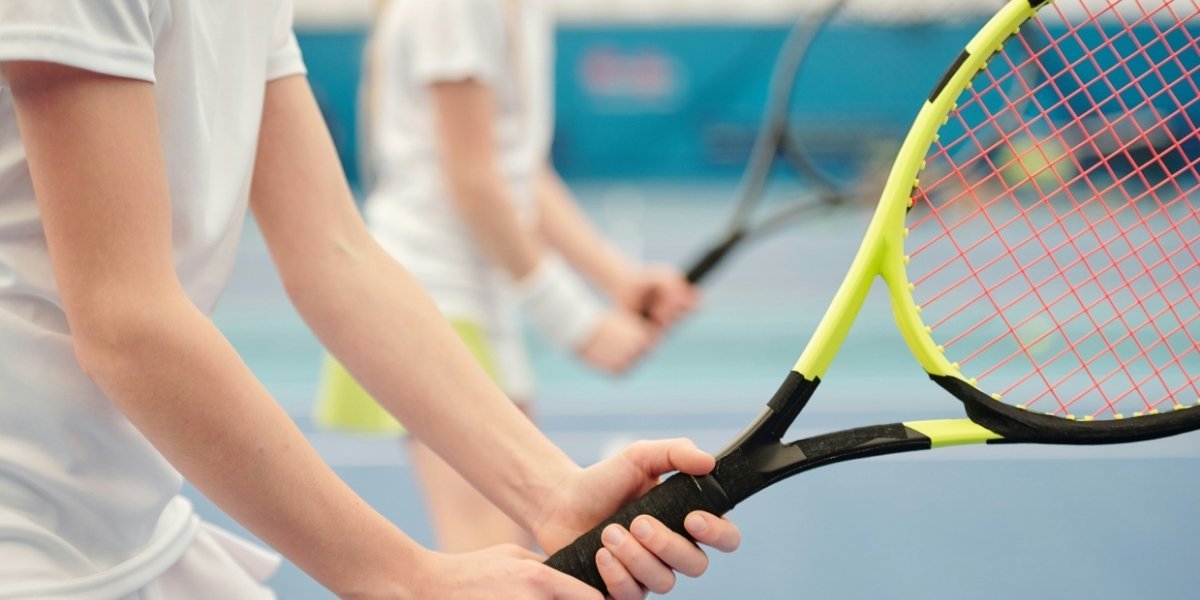
Women in Sports Gain Expanded Global Research Network

Photo Credit: Unsplash.com

GAFA identifies athletes, coaches and sports-medicine practitioners as key audiences for female-focused research. Improving the flow of research to these groups is part of the alliance’s stated work.

For athletes, access to research can provide information relevant to health and performance. Coaches can use research when supporting training and athletic development, while sports-medicine practitioners can use evidence related to female athlete health.

The alliance’s international structure is intended to support the sharing of information among participating organizations. The addition of five members and two supporting partners gives GAFA more countries connected to that work.

The network’s focus remains specific to female athletes. Its research priorities concern gaps affecting women in sport and the availability of information that can support their health and performance.

The expanded alliance also creates a formal structure for cooperation among nine member nations. Supporting partners add further participation without changing the distinction between members and partners.

For women’s sports organizations and professionals, the network provides a mechanism for collaboration around female-focused research. Its stated objective is to make research and insights more accessible across the groups responsible for supporting female athletes.

The alliance’s expansion therefore combines a larger membership structure with a continued focus on research gaps. Its work is directed toward strengthening collaboration and improving the availability of information related to female athlete health and performance.

Frequently Asked Questions

What is the Global Alliance for Female Athletes?

The Global Alliance for Female Athletes, or GAFA, is an international initiative focused on improving health and performance outcomes for female athletes. It works on research gaps and the sharing of female-focused research.

Which countries are members of the Global Alliance for Female Athletes?

GAFA has nine member nations following its latest expansion. Canada, France, Germany, Japan and Switzerland joined the four original member nations.

What is GAFA working to improve for female athletes?

GAFA is working to strengthen collaboration around research gaps and improve health and performance support for female athletes. It also seeks to make female-focused research more accessible to athletes and sports professionals.

Why is female-focused sports research important?

GAFA’s work specifically addresses research gaps affecting female athletes. The initiative is designed to improve access to information for athletes, coaches and sports-medicine practitioners who support women in sport.

How does GAFA support athletes and sports professionals?

GAFA supports its stated goals through international research collaboration and knowledge sharing. The alliance seeks to connect female-focused research with athletes, coaches and sports-medicine practitioners.

What “Sensory-Friendly” Actually Means on a Clothing Label, and How to Shop for It

Key Takeaways

  • Hyper- or hyporeactivity to sensory input is listed among the diagnostic criteria for autism spectrum disorder in the DSM-5-TR, which is why clothing comes up so often in families where a child has a diagnosis.
  • “Sensory-friendly” and “adaptive” describe two different things, and a garment can be one without being the other.
  • Four construction details carry most of the difference: tags, seams, closures and fabric weight.
  • Coresight Research estimated the US adaptive clothing and footwear market at $47.3 billion, a figure it published in 2019, and mainstream retail has still not fully served it.
  • November is when the problem surfaces for most families, because holiday clothing, travel and photographs all arrive at once.
  • Nothing on a clothing label is a medical intervention. Comfort is a design outcome, not a treatment.

The clothing argument is one of the most common flashpoints in households where someone is sensitive to touch, and one of the least discussed outside them.

It usually starts small. A tag. A seam across the toes. A waistband that was fine yesterday. By the time it reaches the front door it has become a twenty-minute standoff that has nothing to do with the shirt and everything to do with the fact that the shirt is unbearable and nobody can see why.

The category built to address this is growing, and it is also full of marketing language that does not mean anything. So it is worth being precise about what the words on a label are actually describing.

Where the sensitivity comes from

The clinical framing matters here only insofar as it explains why this is not a preference.

The DSM-5-TR, the current diagnostic manual, lists hyper- or hyporeactivity to sensory input, or unusual interest in sensory aspects of the environment, among the diagnostic criteria for autism spectrum disorder. In other words, sensory sensitivity is not an incidental trait that some people with autism happen to have. It is part of how the condition is defined.

But sensitivity to touch is not exclusive to autism, and framing it that way narrows the conversation unhelpfully. Sensory processing differences appear across ADHD, in people recovering from illness or surgery, in pregnancy and postpartum, in menopause, in chronic pain conditions, and in people with no diagnosis at all who simply find certain fabrics intolerable. Anyone who has cut a tag out of a shirt with kitchen scissors has participated in this category.

Sensory-friendly and adaptive are not the same thing

This is the distinction most shoppers get wrong, and retailers rarely clarify it.

Sensory-friendly describes what a garment feels like. Tagless construction, flat or seamless stitching, soft and breathable fabric, the absence of stiff waistbands, scratchy trims and rigid closures. The design goal is to reduce the amount of information the garment sends to the skin.

Adaptive describes how a garment is put on and taken off. Wider openings, magnetic or velcro closures instead of small buttons, side-opening designs, seated-wear cuts. The design goal is independence in dressing, whether that is for a child developing motor skills, an adult with limited hand strength, or a caregiver dressing someone else.

Plenty of garments are one and not the other. A beautifully soft jumper with a fiddly back zip is sensory-friendly and not adaptive. A magnetic-closure shirt in stiff cotton is adaptive and not sensory-friendly. If both matter in your household, check both.

The four things worth checking before you buy

Ignore the adjectives on the product page and look at the construction.

Tags. Printed labels rather than sewn-in ones. This is the single most common complaint and the easiest thing for a manufacturer to fix, which makes it a reasonable first test of whether a brand has actually thought about the category or is using the language decoratively.

Seams. Flat, external or seamless. The worst offenders are toe seams in socks and shoulder seams in tops. If a product page does not mention seam construction, assume it is conventional.

Closures. Wide neck openings, elasticated or drawstring-free waistbands, velcro or magnetic fastenings where buttons would otherwise be. Check whether the closure can be operated one-handed and whether it can be operated by the wearer.

Fabric weight and behaviour. Softness is what gets advertised. Weight, drape and breathability are what determine whether a garment is still tolerable four hours in. Heavier fabrics that hold heat cause problems in the afternoon that were not there in the morning.

The market is bigger than the shelf space suggests

Coresight Research estimated the US adaptive clothing and footwear market at $47.3 billion in an analysis published in 2019, and described it as largely untapped. Several major retailers have launched adaptive lines since. The category still sits mostly online, mostly with specialists, and mostly outside the price and style range of the rest of the wardrobe.

That gap is what the newer independent brands are built into.

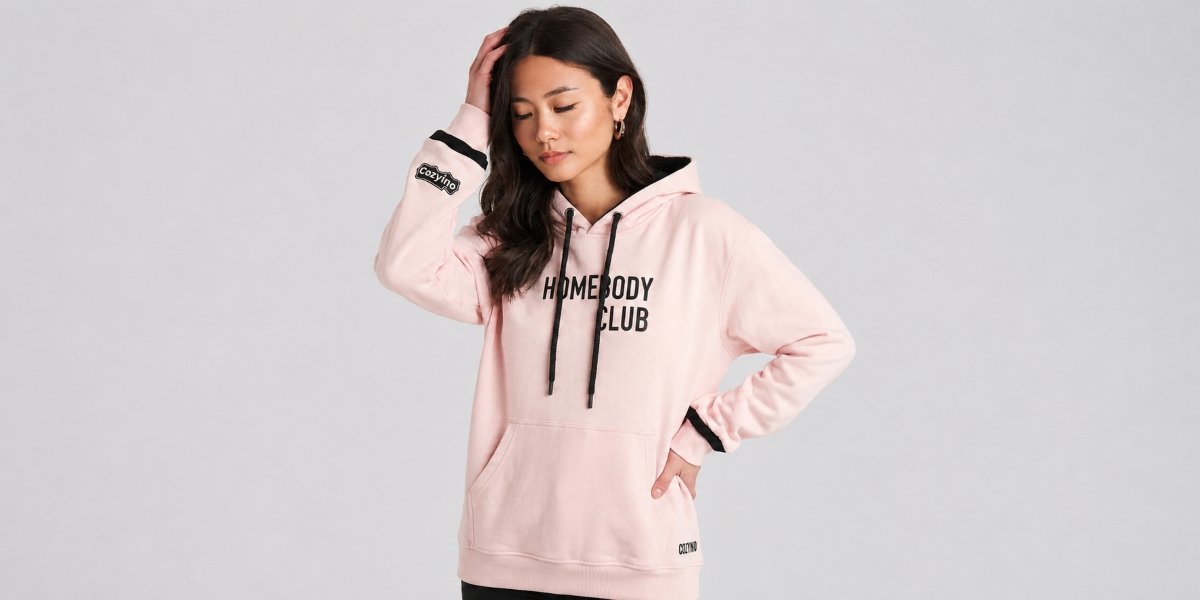
Cozyino, which launched in August 2025, is one of them. It is a direct-to-consumer brand founded by Dr. Deena Moustafa, a board certified behavior analyst who also runs the autism services provider Go Behavioral, and it is organised into four lines: a kids’ range, Easy-Dress Adaptive Wear, Everyday Essentials, and Sleep and Calmwear. The construction claims are the specific kind rather than the vague kind: no tags, flat and seamless stitching, soft breathable fabric, and adaptive fits with wide or velcro openings. Prices run roughly $15 to $65. More at cozyino.com.

On the brand’s own account, the origin was professional before it was commercial. “My background as a BCBA, professor, and founder of Go Behavioral played a significant role in the creation of Cozyino,” Moustafa has said. “The brand was inspired by years of working directly with autistic and sensory-sensitive individuals and recognizing the need for clothing that combines comfort, function, inclusion, and style.”

The brand’s own framing of what it sells is modest in the right way. “At CozyIno, we make clothing that feels good, because comfort should never be a challenge,” reads the founder’s message on the site.

That is the correct claim to make. Clothing is not a treatment for anything, and any brand in this category suggesting otherwise is overreaching. What well-designed clothing does is remove a source of friction from a day that may have several others in it.

Why this surfaces in November

The timing is not coincidental, and it is why National Family Caregivers Month, observed each November, is a reasonable moment to look at it.

November and December compress every difficult clothing variable into six weeks. Holiday outfits are made from the stiffest fabrics in the wardrobe and are worn for the longest continuous stretches. Family photographs add a performance requirement. Travel adds unfamiliar temperatures, long sitting and no ability to change. Gatherings add noise, crowding and relatives with opinions about what a child is wearing.

A garment that is fine for a school morning may not survive four hours at a table.

The practical version of preparing for this is unglamorous. Buy and wash any new item well in advance, because a first wear on the day is a gamble. Layer, so that the outer garment can come off without the whole outfit failing. Have a known-good backup in the bag. And if a child has a specific item they will reliably tolerate, resist the urge to replace it with something more photogenic.

What it should cost, and where the money is worth spending

Sensory-friendly and adaptive garments generally sit above mainstream basics on price, and the premium is not always justified.

Where it is justified is in the items worn longest against the skin: base layers, sleepwear, socks, and anything that has to survive a full school day. Those are the pieces where seam construction and fabric behaviour actually change the day, and where a cheap version will be abandoned within a fortnight.

Where the premium is harder to defend is on outerwear and occasion pieces, which are worn over other layers, for shorter stretches, and where conventional garments often perform fine.

A reasonable approach is to buy the base layers properly and stay pragmatic about everything on top. Independent specialists in this category tend to price well below the medical-supply channel, which historically served adaptive needs and priced accordingly. Cozyino’s range runs roughly $15 to $65, which sits in the same band as mainstream basics rather than above it, and that band is where most of this category has settled since mainstream retailers entered it.

One practical note: buy the size that fits today. Sizing up for longevity reintroduces exactly the loose seams, dragging hems and shifting waistbands that the construction was meant to eliminate.

Let the wearer choose

The last point is the one that changes outcomes most and gets skipped most.

Whether the wearer is a five-year-old or an adult, involving them in the selection does two things at once. It produces a better fit, because they have information nobody else has. And it changes the meaning of the garment from something imposed to something owned.

That matters more than it sounds. A great deal of the daily experience of being sensory-sensitive consists of being told that what you are feeling is not happening. Handing someone the decision about what touches their skin all day is a small correction to that, and it costs nothing.

Cozyino’s own line for this, on its story page, is that the brand is “built by parents, for families like yours.” Whatever brand a household ends up choosing, that is the useful test. Does the product look like it was designed by someone who has stood at a front door at eight in the morning, or by someone who read about it.

Frequently Asked Questions

What does “sensory-friendly clothing” mean? It describes garments designed to reduce sensory input to the skin: tagless construction, flat or seamless stitching, soft breathable fabric, and the absence of stiff waistbands and scratchy trims. It is a design description, not a medical one.

Is sensory-friendly clothing only for people with autism? No. Sensory sensitivity appears in many contexts, including ADHD, chronic pain, recovery from surgery, pregnancy and postpartum, and in people with no diagnosis. The design benefits are general.

What is the difference between adaptive and sensory-friendly clothing? Adaptive refers to how a garment is put on and removed, using wide openings and magnetic or velcro closures to support independent dressing. Sensory-friendly refers to how it feels once on. A garment can be either, both, or neither.

Does sensory-friendly clothing treat sensory processing difficulties? No. Clothing is not a therapeutic intervention and no garment treats, reduces or manages a diagnosed condition. What good design can do is remove an avoidable source of physical discomfort.

How big is the adaptive clothing market? Coresight Research estimated the US adaptive clothing and footwear market at $47.3 billion in an analysis published in 2019, and characterised it as largely untapped by mainstream retail.

What should I check before buying? Four things: whether labels are printed rather than sewn in, how seams are constructed, whether closures can be operated by the wearer, and how the fabric behaves for heat and weight over several hours.