Hormone-Informed Skincare Targets Women’s Changing Skin

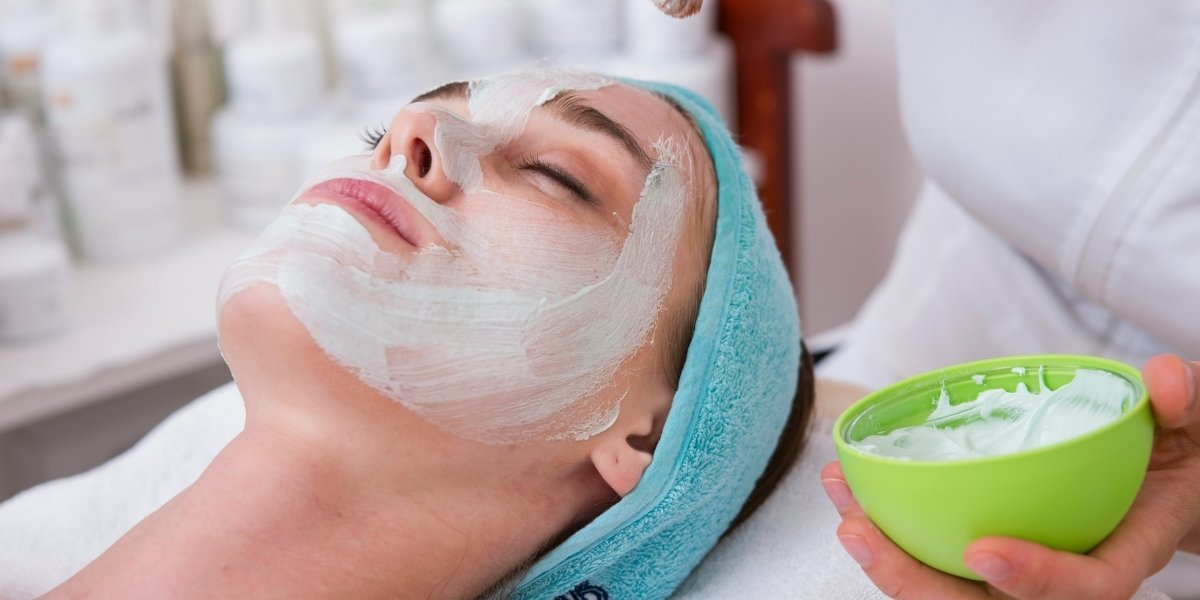
Hormone-informed skincare is moving deeper into the U.S. beauty market as brands build products around skin changes associated with perimenopause and menopause. The shift matters because declining hormone levels can affect moisture, collagen, sensitivity and breakouts, while dermatologists continue to emphasize established skin-care basics over broad marketing labels.
Key Takeaways
- The American Academy of Dermatology says women’s skin loses about 30% of its collagen during the first five years of menopause, followed by about 2% annually for the next 20 years.
- A Journal of Cosmetic Dermatology roundtable first published Dec. 29, 2025, linked declining estrogen, progesterone and testosterone with changes in collagen, water retention, blood supply and sebum production.
- Womaness and Vichy are among brands positioning skincare around peri- and post-menopausal concerns such as dryness, uneven tone and reduced firmness.
- “Hormone-informed” is a positioning term, not a standardized medical category, and products marketed this way may use familiar cosmetic ingredients rather than hormones.
Hormone-Informed Skincare Moves Beyond Age-Based Marketing
Hormone-informed skincare is drawing attention to a part of beauty care often grouped under the broader label of “mature skin.” Instead of focusing mainly on chronological age, the category organizes products and routines around changes that can occur during perimenopause, menopause and post-menopause.
The shift follows wider discussion of midlife health. Consumer tools now include menopause symptom tracking, while beauty brands are more frequently using menopause-specific language on product pages and collections.
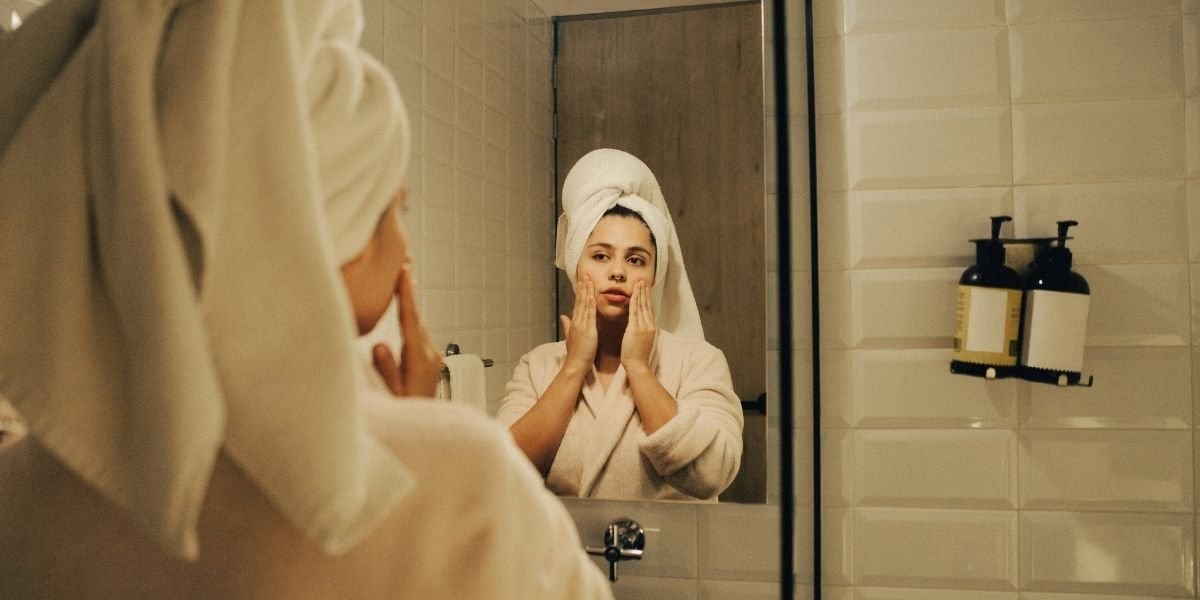
Photo Credit: Unsplash.com
That language can help consumers identify products aimed at concerns such as dryness or sensitivity, but it can also sound more medical than the products themselves. In many cases, formulations still depend on established cosmetic ingredients used in moisturizers, serums and barrier-support products.
Menopause also does not affect every woman’s skin in the same way. Genetics, sun exposure, existing skin conditions, medications and normal aging can influence what a person notices. A menopause-focused label may provide useful context, but it does not establish that hormones are the only cause of a skin concern.
Research Links Menopause With Specific Skin Changes
The medical basis for hormone-informed skincare comes from documented changes in skin physiology during menopause. The American Academy of Dermatology says falling hormone levels can be accompanied by drier, thinner skin, reduced firmness, acne, increased facial hair and scalp hair thinning.
The organization also reports that women’s skin loses about 30% of its collagen during the first five years of menopause. After that, collagen loss becomes more gradual, at about 2% a year for the following 20 years.
A Journal of Cosmetic Dermatology roundtable first published on Dec. 29, 2025, examined aesthetic treatment considerations for perimenopausal and menopausal patients. The paper described estrogen as supporting collagen production and dermal blood supply, progesterone as contributing to dermal water retention, and testosterone as playing a role in blood supply and sebum production.
Those changes can overlap. A woman may experience dryness while also developing acne, or notice that previously tolerated products begin to feel irritating. That combination can make routines built around a single traditional skin type less useful.
Dermatology guidance still centers on relatively simple measures. The American Academy of Dermatology recommends mild cleansing, consistent moisturizing and broad-spectrum SPF 30 or higher. It also notes that moisturizers containing ingredients such as hyaluronic acid or glycerin may help with dryness.
Skin condition is influenced by factors beyond topical products and hormonal shifts. Nutrition and skin health, sun exposure, smoking, environmental conditions and underlying medical issues can also affect dryness and visible aging, making it difficult to attribute every change to menopause alone.
Brands Build Around Menopause-Specific Concerns
Some beauty brands are responding with more explicit life-stage positioning. Womaness markets skincare specifically for menopause and states that its products are free of estrogen and added hormones. Its skincare range is positioned around concerns including dryness and changes in tone and texture.
Vichy also uses menopause-specific positioning for its Neovadiol line. Its U.S. information for the Neovadiol Meno 5 Serum identifies the product for peri- and post-menopausal skin and lists concerns including dryness, uneven skin tone, fine lines and reduced firmness.
These examples highlight an important feature of the category. Hormone-informed skincare does not necessarily mean hormone-containing skincare. Products can address visible concerns associated with hormonal transitions through conventional cosmetic formulations rather than by changing hormone levels.
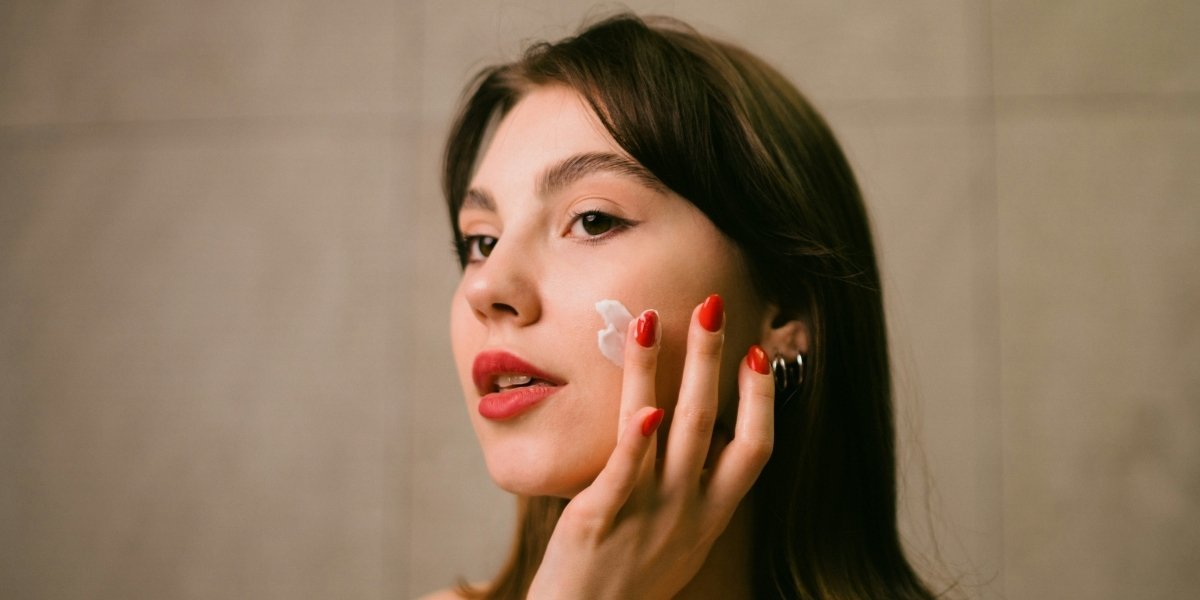
Photo Credit: Unsplash.com
That distinction matters as menopause-related language appears more explicitly in beauty marketing. Consumers still need to evaluate the formulation, the concern being addressed and whether a product suits their skin rather than relying solely on a life-stage label.
For persistent dryness, worsening rashes, significant acne, sudden hair loss or other notable changes, dermatology guidance supports professional evaluation because several skin and health conditions can produce similar symptoms.
Hormone-informed skincare therefore reflects both documented biological changes and a shift in how beauty products are categorized. Its practical relevance lies in helping women consider whether their routines should adapt while keeping established skin-care principles, individual tolerance and appropriate medical guidance at the center of those decisions.
Frequently Asked Questions
What is hormone-informed skincare?
Hormone-informed skincare describes products or routines designed with skin concerns associated with hormonal transitions, particularly perimenopause and menopause, in mind. It is not a standardized medical designation and does not necessarily mean a product contains hormones.
How can menopause affect the skin?
Menopause can be associated with dryness, thinning, reduced firmness, acne and increased sensitivity as hormone levels change. The American Academy of Dermatology also reports substantial collagen loss during the first years of menopause.
Does hormone-informed skincare contain hormones?
Not necessarily. Some menopause-focused products use familiar cosmetic ingredients and are specifically marketed as hormone-free, so consumers should review individual formulations rather than assume the category indicates hormone-containing products.
What skincare basics remain important during menopause?
Dermatology guidance continues to emphasize gentle cleansing, moisturizing and daily broad-spectrum sun protection. Persistent or severe changes may warrant evaluation by a board-certified dermatologist because menopause is not the only possible cause.
Disclaimer:
This article is for general informational purposes only and is not intended as medical advice, diagnosis, or treatment. Skin changes can have multiple causes, and individual responses to skincare products may vary. Readers should consult a qualified healthcare professional or board-certified dermatologist regarding persistent symptoms, specific skin concerns, or treatment decisions.