AI Face Scans Raise Questions About Women’s Beauty Pressure

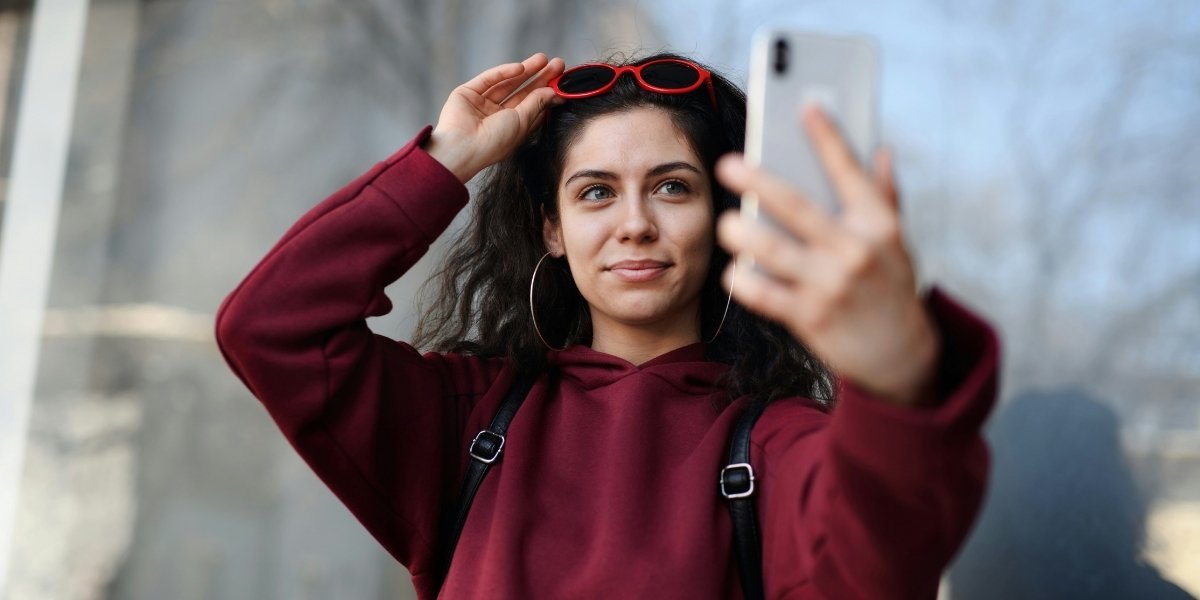
Sephora, Ulta Beauty, L’Oréal, and other beauty platforms are using AI Face Scans to assess features such as texture, lines, redness, pores, and blemishes. The tools may simplify product selection, but their use raises questions about accuracy, facial data, self-comparison, and the boundary between cosmetic recommendations and medical assessment.
Key Takeaways
- Sephora, Ulta Beauty, and L’Oréal offer or have developed selfie-based tools that analyze visible skin characteristics and suggest products or routines.
- A 2025 study of 398 female university students found an association between frequent filter use and lower satisfaction with natural facial features, but it did not establish causation.
- Dermatology guidance says consumer image-analysis apps should not replace an assessment by a board-certified dermatologist.
- Research on TikTok’s Bold Glamour filter found coordinated changes across several facial areas, even when individual adjustments appeared small.
AI Face Scans are moving into routine beauty shopping. A user can upload a selfie and receive an automated review of visible skin concerns, product suggestions, a skin-age estimate, or a simulated makeup result.
Sephora’s Smart Skin Scan evaluates seven concerns. Ulta Beauty promotes AI-supported skin analysis through its app, while L’Oréal has developed selfie-based tools that estimate skin characteristics and recommend routines. Uses range from product matching to virtual try-ons.
The convenience is part of their appeal. Online shoppers cannot always test products in person or sort quickly through large catalogs. Automated recommendations can narrow those choices for many users.
The same process can make ordinary facial variation feel like a list of problems. Labels such as uneven, dull, aged, textured, or enlarged may sound more authoritative beside a score or digital overlay. A product recommendation can begin to resemble an evaluation of the user.
Camera conditions also affect what a system receives. Lighting, angle, focus, makeup, compression, and device quality can change the appearance of texture, redness, shadows, and fine lines. Dermatology guidance recommends clear, well-lit, unfiltered photographs because poor images can obscure useful detail.
Related discussion of AI and beauty standards has examined how recommendation systems, filters, and personalization tools may shape which facial features are treated as desirable.
Digital Scoring Adds to Appearance Pressure
Photo Credit: Unsplash.com
Beauty pressure existed before automated facial analysis. Advertising, retouched photographs, celebrity imagery, and social media filters already encouraged comparison. AI Face Scans add individualized scrutiny by examining one face and returning tailored observations.
For women who already encounter appearance-focused messaging, repeated scanning may expand the features being monitored. Pores, fine lines, symmetry, redness, lip shape, skin tone, jaw proportions, and under-eye shadows can become separate categories for review.
The tools do not affect every user in the same way. Some may treat the results as practical guidance. Others may repeat scans, compare scores, or interpret small changes as evidence that a routine has failed.
The discussion around beauty filters and youth shows why digitally altered faces can influence self-perception, particularly when the edited result appears realistic.
A 2025 study of 398 female university students examined filtered selfies, self-confidence, facial satisfaction, and interest in cosmetic procedures. Researchers reported an association between frequent filter use and lower satisfaction with natural facial features. Because the study was cross-sectional, it could not determine whether filters caused the lower satisfaction or whether dissatisfied users were more likely to use them.
Another 2025 study examined TikTok’s Bold Glamour filter on adult female faces. Researchers identified adjustments involving the nose, lips, eyebrows, cheeks, jaw, and skin appearance. Individual changes were limited, but the combined result could appear natural enough to make the altered image seem attainable.
Research and Medical Guidance Define the Limits
Consumer beauty scans and medical diagnosis are not the same. A shopping tool may identify visible patterns or recommend a product category, but it cannot establish the cause of redness, discoloration, irritation, or a changing skin lesion.
The American Academy of Dermatology has cautioned that apps attempting to diagnose skin conditions may produce inaccurate results and should not replace care from a board-certified dermatologist. That distinction matters when an interface uses clinical language or presents cosmetic observations as medical guidance.
Trust also depends on how companies explain uncertainty. Users need clear information about what the tool measures, how image conditions affect results, whether facial images are retained, and how recommendations are generated. Broad statements about inclusion do not explain the limits of a specific scan.
Design choices can reduce pressure. A tool can describe visible characteristics without ranking attractiveness, avoid presenting every detected feature as a defect, and separate cosmetic suggestions from health guidance.
AI Face Scans will be judged not only by how precisely they detect visible features, but by whether they explain uncertainty, protect facial data, and avoid turning normal variation into failure. The central issue is whether personalization can remain useful without becoming continuous correction.
Frequently Asked Questions
What Are AI Face Scans Used for in Beauty Apps?
AI Face Scans may assess visible features such as texture, pores, redness, fine lines, blemishes, or dark spots. Beauty apps can use those observations to suggest products, routines, shades, or virtual try-on results.
Can a Beauty Face Scan Diagnose a Skin Condition?
A consumer beauty scan should not be treated as a medical diagnosis. Dermatology guidance recommends professional evaluation for concerns that are changing, persistent, painful, or otherwise unusual.
Why Can Scan Results Change Between Photos?
Lighting, camera angle, focus, makeup, image compression, and device quality can alter how facial features appear. Results may vary even when the person’s skin has not meaningfully changed.
Do AI Beauty Tools Affect Every User the Same Way?
No. Some users may find automated recommendations convenient, while others may become more focused on perceived flaws or repeated scoring. Research identifies associations between digital alteration and appearance concerns, but not universal harm.