Women's Journal

Paige Sinicki Returns to Softball After Beating Breast Cancer

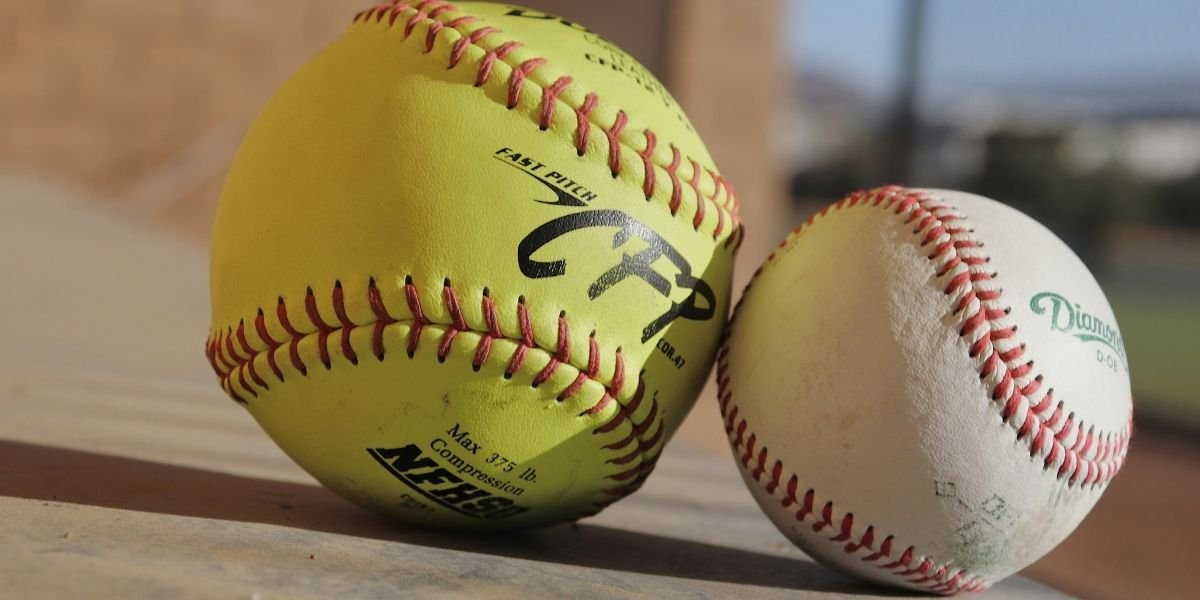
Former Oregon softball standout Paige Sinicki has returned to professional softball after completing treatment for Stage 2 breast cancer. Her comeback marks a major milestone for the athlete, who resumed competition only weeks after finishing radiation therapy and receiving medical clearance to play.

Key Takeaways

  • Paige Sinicki returned to professional softball after completing breast cancer treatment.
  • The former Oregon standout was diagnosed with Stage 2 breast cancer in late 2025.
  • She resumed competition with the Portland Cascade in the Athletes Unlimited Softball League.
  • Sinicki completed chemotherapy, surgery, and radiation before returning to the field.
  • Her return follows a collegiate career that included a Women’s College World Series appearance.


Paige Sinicki Returns to Softball after completing treatment for Stage 2 breast cancer, returning to professional competition with the Portland Cascade in the Athletes Unlimited Softball League. The former University of Oregon standout made her return only weeks after finishing radiation therapy, marking an important milestone in both her athletic career and personal recovery.

Sinicki’s return follows months of cancer treatment that temporarily paused her transition into professional softball. Her first appearance with the Portland Cascade came after receiving medical clearance to resume competitive play, allowing her to continue a career that began with one of the most successful collegiate tenures in Oregon softball history.

Paige Sinicki Returns to Softball Following Cancer Recovery

Stage 2 Diagnosis and Treatment Timeline

Sinicki was diagnosed with Stage 2 breast cancer in November 2025 while serving as a graduate assistant coach at the University of Utah after completing her collegiate playing career at Oregon.

Following her diagnosis, she underwent a comprehensive treatment plan that included chemotherapy, surgery and radiation therapy. Her treatment lasted several months before doctors cleared her to gradually return to athletic activities.

Completing chemotherapy represented one phase of her recovery before surgery and radiation followed. She finished radiation treatment in June 2026 and soon resumed baseball and softball activities as part of her return to competition. Like other female athletes advocating for healthier approaches to performance and recovery in women runners challenging wellness myths, her experience reinforces the importance of balancing elite competition with long-term health.

Medical clearance allowed Sinicki to join the Portland Cascade roster during the Athletes Unlimited Softball League season. Her return demonstrated that she had recovered sufficiently to participate at the professional level after completing treatment.

Her comeback became one of the most notable stories surrounding women’s professional softball during the season because it combined a return to elite competition with recovery from a serious illness.

Breast Cancer Treatment Led to Her Professional Comeback

Returning to professional competition required Sinicki to rebuild strength and conditioning following months of medical treatment.

During her recovery, she remained connected with the Portland Cascade organization while continuing rehabilitation and preparing for the possibility of playing later in the season.

After receiving clearance from her medical team, she officially joined team activities before making her professional debut.

First Professional Appearance After Medical Clearance

Sinicki entered her first Athletes Unlimited Softball League game with the Portland Cascade after teammate Sis Bates exited because of an injury.

Her appearance marked the first professional game of her career and represented the completion of months of preparation following treatment.

The return also fulfilled an opportunity that had been delayed by her diagnosis after she was selected to join the Portland Cascade roster.

Professional softball became the next step in her career after her successful years at Oregon, with the debut serving as both a competitive milestone and a personal achievement. Her comeback also reflects the growing emphasis on women’s mental health in sports, where athletes increasingly discuss emotional well-being alongside physical performance.

Oregon Softball Career Established a Foundation for the Next Chapter

Collegiate Achievements at Oregon

Before beginning her professional career, Sinicki established herself as one of Oregon’s most consistent players.

She started 193 consecutive games during her collegiate career, demonstrating durability and reliability throughout multiple seasons with the Ducks.

Her senior season included a .376 batting average along with 50 RBIs, 32 stolen bases and a .652 slugging percentage.

Sinicki also helped Oregon reach the Women’s College World Series, adding another significant accomplishment to her collegiate résumé.

Her defensive play at shortstop and offensive production made her an important contributor throughout her time with the Ducks. Her collegiate success reflects the pathway described in women’s collegiate athletic leadership, where competitive achievement can open opportunities beyond the playing field.

Following graduation, she accepted a graduate assistant coaching position at the University of Utah while preparing to begin her professional playing career.

That coaching role coincided with the period when she received her cancer diagnosis, temporarily changing her immediate plans before she eventually returned to competition.

Portland Cascade Debut Marked a Milestone in Her Return

The Portland Cascade selected Sinicki as part of the inaugural Athletes Unlimited Softball League season.

Her first game with the club represented more than a professional debut because it came after completing chemotherapy, surgery and radiation treatment.

The appearance demonstrated that she had reached another stage in her recovery after months away from competitive softball.

Team participation also reflected the support she received while progressing through treatment and rehabilitation.

Returning to game action required completing physical preparation while meeting the medical requirements necessary for elite athletic competition.

Her debut provided an opportunity to resume the professional career that had been interrupted before it officially began.

The milestone also connected her collegiate accomplishments with the next chapter of her athletic career.

Frequently Asked Questions

Who is Paige Sinicki?

Paige Sinicki is a former University of Oregon softball standout who began her professional career with the Portland Cascade in the Athletes Unlimited Softball League after completing treatment for breast cancer.

When did Paige Sinicki return to professional softball?

She returned to professional competition in July 2026 after completing chemotherapy, surgery and radiation therapy and receiving medical clearance.

What type of cancer was Paige Sinicki diagnosed with?

Paige Sinicki was diagnosed with Stage 2 breast cancer in November 2025.

Which team does Paige Sinicki play for after her recovery?

She plays for the Portland Cascade in the Athletes Unlimited Softball League.

What were Paige Sinicki’s accomplishments at the University of Oregon?

Sinicki started 193 consecutive games for Oregon, helped lead the Ducks to the Women’s College World Series, and finished her senior season with a .376 batting average, 50 RBIs and 32 stolen bases.

Posh Beauté Founder Christy Marie Is Transforming Restorative Aesthetics

By: Now PR Agency

Restorative aesthetics have never been about changing appearances for Christy Marie. Instead, her work revolves around helping people reconnect with themselves after life’s most difficult experiences. As the founder of Posh Beauté, an educator, entrepreneur, and nonprofit leader, Christy’s career combines restorative dermal pigmentation with a compassionate and trauma-informed mindset that places emotional healing alongside physical restoration. With over a decade of experience, Christy specializes in paramedical tattoo procedures that restore natural features affected by illness, surgery, or trauma. After an advanced training module in Poland, she expanded her expertise in specialized restorative services, including areola restoration for breast cancer survivors, scar camouflage for surgical and traumatic scarring, and brow restoration for individuals with medically-related hair loss. These procedures recreate natural anatomy and support clients’ sense of wholeness rather than enhancing appearance for aesthetic reasons only.

Although precision and artistry are essential to every procedure, Christy believes the emotional experience is what truly defines her work. “The most transformative moments are rarely about the procedure itself. They are the moments when a client realizes she is stronger than she thought she was,” Christy reflects.

Many people who visit Posh Beauté in Los Angeles are working through significant life transitions. Some are recovering from cancer treatments, while others are healing from traumatic injuries, surgeries, or other hardships. Christy understands that visible healing often comes before emotional healing, which is why she approaches every appointment with patience and respect.

“I often tell my clients that healing is not about becoming someone new. It is about reconnecting with who you were before life’s hardships convinced you that you were less than, broken, or unworthy,” Christy explains.

That concept has influenced every aspect of her practice, and Christy strives to restore confidence by honoring each person’s unique journey. Every treatment is customized to complement a client’s own skin characteristics, anatomy, and goals while empowering them throughout the restorative process. More specifically, Christy understands that some carry experiences that may not be immediately visible and believes those experiences especially deserve consideration throughout treatment.

“For me, being trauma-informed means creating an experience rooted in compassion, trust, and respect. It means listening without judgment, honoring personal boundaries, and recognizing that healing looks different for every individual,” she says.

This commitment has also made Christy an educator within the beauty and wellness industries. Through speaking engagements, professional training programs, and mentorship, she encourages fellow practitioners to look past technical proficiency and see the lasting impact that empathy and client-centered care can have on restorative outcomes. Through sharing clinical knowledge and practical strategies, she hopes to improve standards across the profession while helping more practitioners understand the emotional significance of restorative aesthetics.

Alongside her professional work, Christy is also the founder of the Elevate Autism Foundation, a nonprofit organization inspired by her own family’s experiences. As the mother of two children with autism, she has firsthand insight into the challenges many families encounter while seeking resources and support. Those experiences led her to establish the foundation as a way to expand awareness, education, and practical assistance for families navigating the disorder. Using community partnerships and outreach initiatives, the organization increases public understanding of autism while connecting parents and caregivers with meaningful resources.

As demand for restorative aesthetics grows, Christy is advancing the field through education and compassion. Her work reflects a change in the beauty industry that recognizes true transformation is measured by the confidence and hope people rediscover within themselves. By combining advanced restorative artistry with advocacy, education, and nonprofit leadership, Christy Marie proves that healing is empowering. Whether working one-on-one with clients, mentoring fellow professionals, or supporting families through community initiatives, she is helping others reclaim their confidence and move forward with new strength.

For more information, visit www.pbinkspecialist.com.

She Was Told Fashion Didn’t Need Another Brand, So She Built One That Does the Opposite

By: Ruth Dran

Georgia Crossley grew up in Leeds, one of five sisters in a working-class family where relatives worked in construction and quality was measured by whether something held up, not by how it looked in photos. That upbringing gave her an early, almost inconvenient instinct for the industry she’d eventually enter: she wanted to know how things were actually made. After studying fashion in Manchester, she moved into luxury womenswear, working at Alexander McQueen, Jenny Packham, and Matthew Williamson, houses that taught her precision, surface, and the theater of prestige. Then, in a plot twist most fashion memoirs skip, she went to work inside a factory in China, sourcing leather and textiles for large American mass-market brands. It was there, tracking materials and watching delays ripple through supply chains, that she saw the industry’s actual machinery, not its lighting.

From the Factory Floor to Her Own Label

Most people who see how the sausage gets made lose their appetite for it. Georgia had the opposite reaction. She became fascinated by hand weaving and traditional textile craft, techniques that carried history and individuality in a system built to erase both. At the end of 2019, with no outside funding and no fashion week slot, she launched GeeGee Collection. She recruited friends as models, posted consistently, and ran scrappy Instagram promotions while independent department stores quietly started to notice.

She has been refreshingly blunt about her philosophy. “The market is always oversaturated,” she has said. “The real differentiator is obsession, clarity of mission, and consistency until your people find you.” It’s not a pitch deck line. It’s closer to a survival manual, one written by someone who had already seen what the industry looks like when nobody is watching.

A Different Kind of Supply Chain

GeeGee Collection’s entire identity runs against the churn. The brand makes one-of-a-kind luxury womenswear using hand-woven fabrics sourced from skilled artisans in Italy and France, then cuts and stitches every piece by hand in the United Kingdom and the European Union. Where fast fashion produces micro-trends that arrive on a Tuesday and feel stale by Thursday, Georgia bets on fabrics too individual to be knocked off by an algorithm, and on garments meant to outlast a single season of attention.

There’s a certain symmetry to it. The same woman who once tracked shipments of mass-produced leather for brands she’ll probably never name now builds her business on knowing exactly which hands touched every seam. She didn’t leave the factory floor behind so much as she inverted it.

Growing Slowly, on Purpose

GeeGee Collection has since expanded into the United States and been featured at London Fashion Week, all without taking outside investment. Georgia has favored trunk shows and pop-ups over aggressive scaling, spaces where a customer can touch the fabric and understand why it costs what it costs. She releases pieces thoughtfully throughout the year rather than in seasonal drops, sidestepping the overproduction cycle that has quietly become fashion’s biggest open secret.

None of this makes her immune to the pressures every young label faces. Handcraftsmanship is expensive; scaling it is harder, and heritage techniques don’t get cheaper just because a founder believes in them. Georgia hasn’t solved the economics of slow fashion. She has simply refused to let the economics write the mission statement, rather than the other way around.

Cut From a Different Cloth

There is something quietly instructive about a designer who learned luxury from two directions at once, the ateliers of Alexander McQueen and the factory floors of Chinese manufacturing, and chose to build her label at the intersection rather than picking a side. Fashion, she was told, was already too full.

It may have been. But it clearly still had room for someone who’d actually counted the stitches.