
She Almost Walked Away From Her Mother, Until a Painting Changed Everything

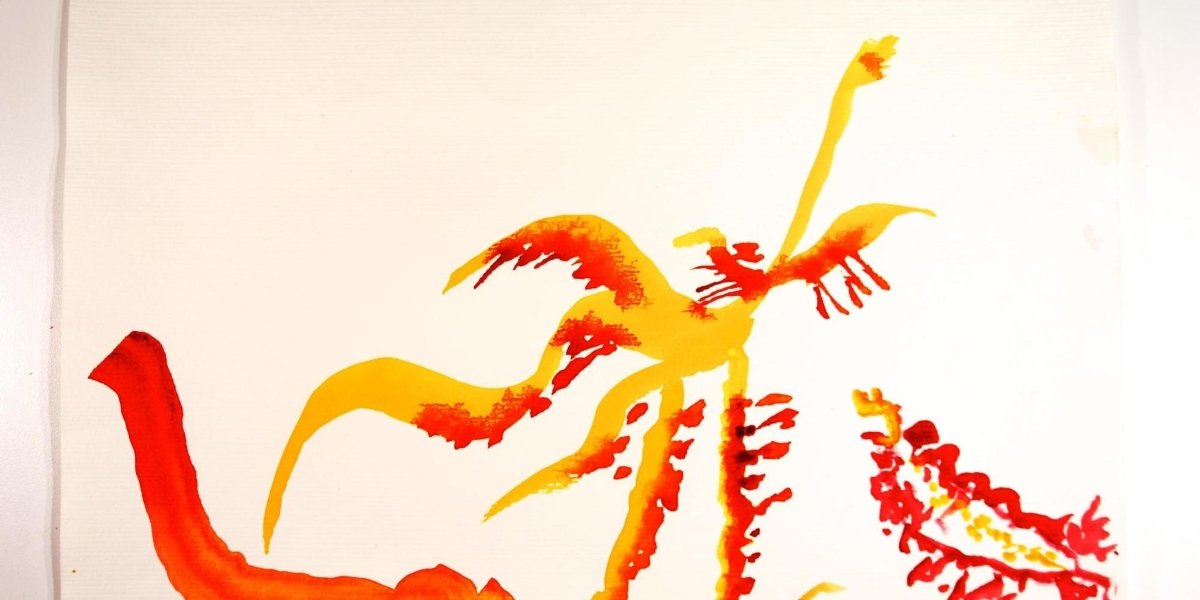
When Marilyn Raichle’s mother developed dementia, she expected to lose her. Instead, she found her. And learned what it truly means to live in the moment.
“Mom left us years ago.” It’s a phrase Marilyn Raichle heard often murmured by friends, by family, by people trying to make sense of a disease that seemed to erase the ones they loved. For a long time, she believed it too. Her mother had warned her, after all. “When we get Alzheimer’s, keep your distance. We won’t remember you, so walk away.”
Marilyn believed her. She filed the instruction away as a form of love, practical, self-protective, even kind. When she reluctantly stepped into the role of caregiver, she still carried those words with her. She saw only loss. She grieved the woman she thought was already gone.
Then her mother picked up a paintbrush. And everything changed.
The Woman Behind The Diagnosis
Marilyn Raichle is not a woman who does things halfway. She founded the Seattle International Children’s Festival, built a career in the performing arts, and later earned a Master of Public Administration from the Harvard Kennedy School. She is, by any measure, someone who knows how to lead, how to build, how to solve problems.
But it was her mother, a woman living with late-stage dementia, painting in a memory care unit and cracking jokes in empty hallways, who handed Marilyn the most transformative education of her life.
Alzheimer’s runs deep in Marilyn’s family. Nearly everyone on her father’s side developed the disease, and some on her mother’s side, too. When her mother’s diagnosis came, Marilyn already knew the script. She knew the stages, the language, and the grief. What she didn’t expect was the joy.
A Painting That Opened Her Eyes
The moment the story shifted, Marilyn will tell you, was the day her mother began to paint. Not replicas of what she saw, but portraits of what she felt. Vivid, luminous canvases: pears and lilies on blue cloth, rendered with an imagination no diagnosis could diminish. Standing before those paintings, Marilyn felt something inside her release.
Her mother was still here. She had always been here. Marilyn had simply been looking too hard for the woman she remembered and missing the extraordinary woman who was right in front of her.
“I let go of the woman I felt she used to be, and I embraced the woman who was living with dementia, not suffering from it.” — Marilyn Raichle
Sharing her mother’s art with others, Marilyn discovered something powerful: the stigma surrounding Alzheimer’s, including the fear, the distance, and the instinct to look away, dissolved the moment people saw those paintings. Fear turned to curiosity. Distance turned to connection. The art was doing what no amount of explanation could: it was making her mother visible again.
Living In The Moment
Once Marilyn stopped mourning and started showing up, she entered a world she hadn’t expected. Her mother’s world was one without regrets, without deadlines, without the weight of yesterday or tomorrow. Just the moment which is clear, precious, and fully inhabited.
One afternoon, the two of them walked out of her mother’s apartment to find the hallway completely empty. Her mother turned to Marilyn with a gleam in her eye.
“You know what this means? We’re the most beautiful women in sight.”
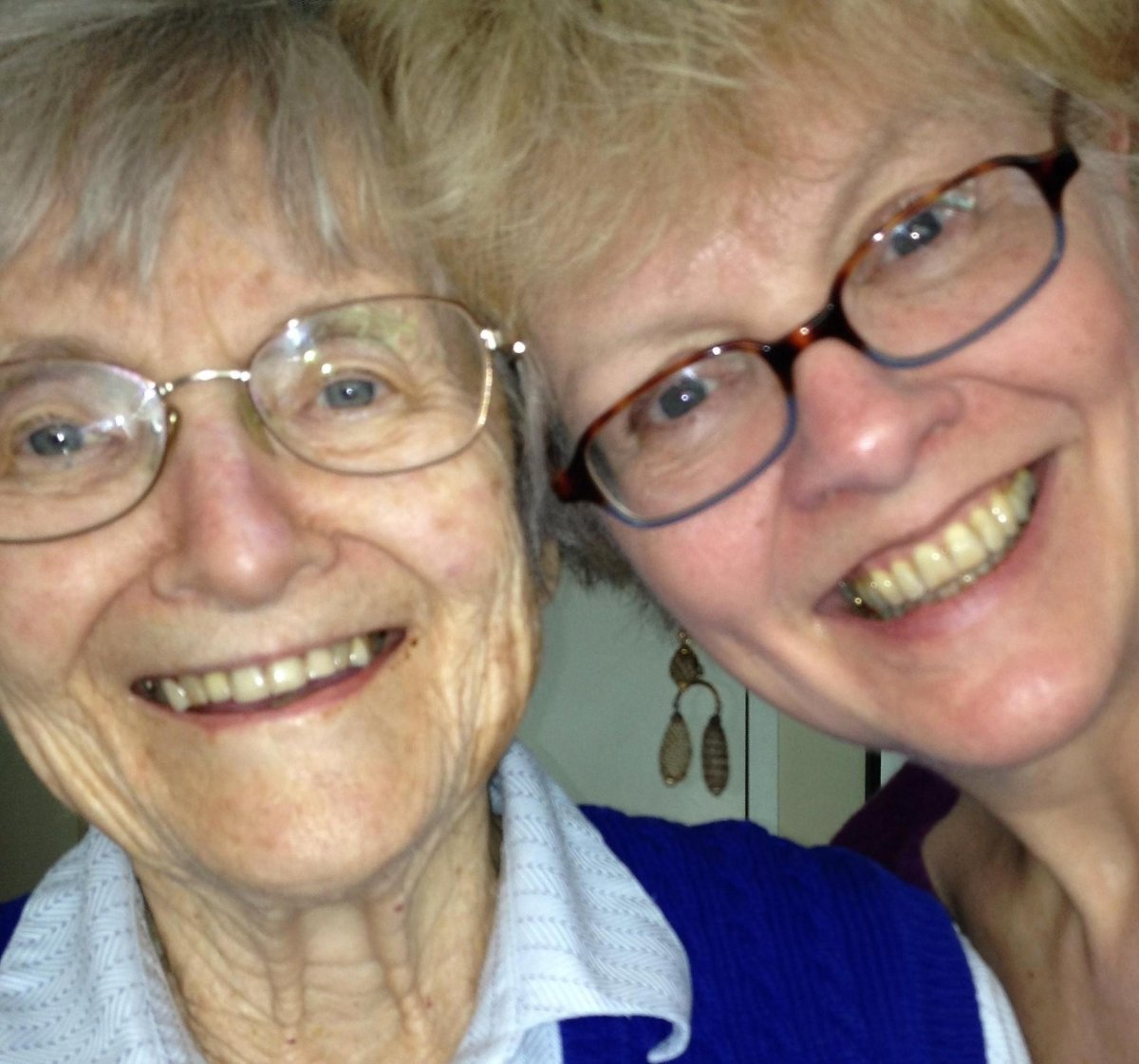
Photo Courtesy: Marilyn Raichle (Marilyn Raichle on right with her Mother Jean Raichle on left)
That was her mother. Not diminished but delighted. Not confused but present. On another day, she held up a worn copy of Better Homes and Gardens with the reverence of someone who had just discovered treasure.
Marilyn laughs telling these stories, but she means every word of what she says next: her mother wasn’t confused. She was alive to the world in a way most of us forget to be.
The Blueprint Her Mother Left Her
Caring for her mother became, for Marilyn, a form of personal reinvention. The daughter, who had grown up in a house where the word love was never spoken, found herself in a relationship where love was finally, finally, the whole point. In the early years of the disease, her mother had once visited Marilyn at home, found her napping, and lay down beside her. “I guess I should have said that more often,” she whispered.
Their time together as care partners became the occasion for everything they had never said. And through it all, Marilyn was quietly taking notes, not just on caregiving, but on living.
Mom’s Blueprint for a Good Life
- Slow down
- Ask questions
- Really listen
- Share joy
- Be present
- Acknowledge others
- It’s not about me
- Adapt to change
- Smile
Her mother’s lessons were never about decline. They were always about living. Today, Marilyn channels that conviction into her work as Executive Director of Maude’s Awards for Innovation in Alzheimer’s Care which is an organization that celebrates and rewards programs transforming the lives of people with dementia and their care partners. She has made it her life’s work to replace fear with curiosity, and distance with connection.
“People living with dementia are valuable human beings, with gifts to give and lives to live. They and their care partners need, and deserve, our help to thrive.” — Marilyn Raichle
She hopes, she says, to age exactly like her mother: fascinated by the world, curious about the future, abundant with love and laughter. Focusing on the positive. Accepting the inevitable. And enjoying the ride.
The Book That Began As A Walk With Mom
Don’t Walk Away: A Care Partner’s Journey
Marilyn’s memoir invites readers to walk alongside her and her mother, to witness a life with dementia that is unexpectedly full of wit, imagination, and joy. An essential read for anyone navigating caregiving, or anyone who has ever loved someone with Alzheimer’s.