Trauma Informed Fantasy: What Sets Genela Feniku Apart

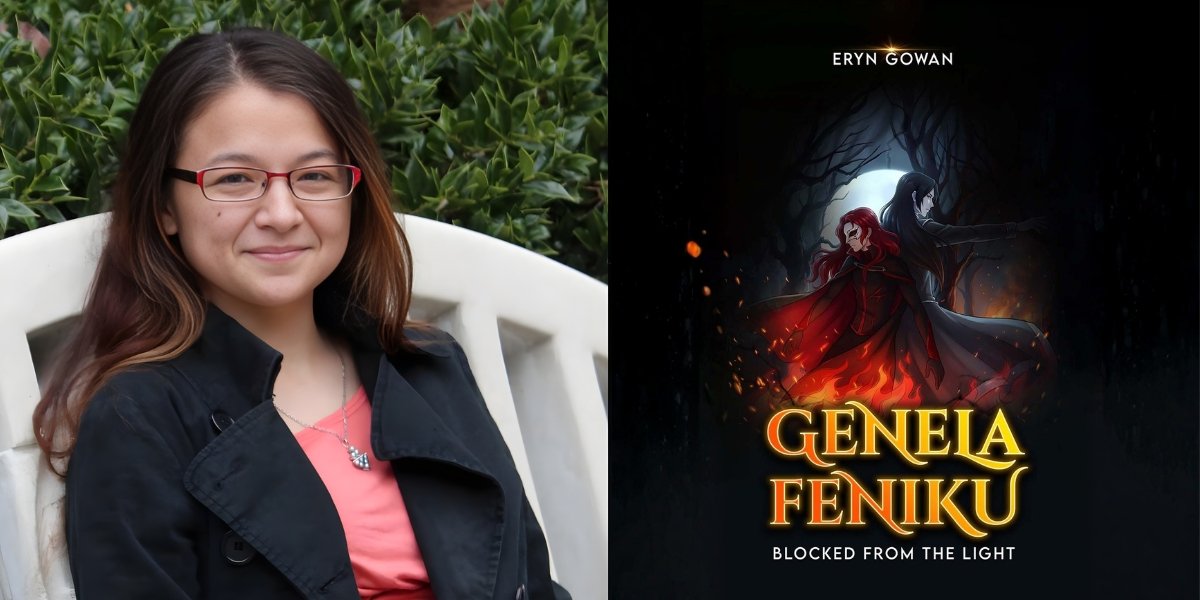
Fantasy literature has long been fascinated with pain. Characters lose parents in prologues, witness massacres in flashbacks, and carry dark secrets that explain their brooding silence. Trauma functions as currency in these stories, traded for reader sympathy and motivation. But too often, it remains superficial. The hero loses everyone they love, spends a chapter staring at rain, and then emerges ready to save the world with their pain conveniently processed and filed away. Real trauma does not work this way, and neither does Genela Feniku.
Eryn Gowan brings something rare to fantasy literature. She holds degrees in Psychology and Human Development, and she uses that knowledge to craft a protagonist whose trauma manifests in ways that feel authentic rather than convenient. Floreo does not simply grieve her fallen team. She relives their deaths constantly, pulled into nightmares where she watches them die again and again. She scratches her arms during panic attacks without realizing what she is doing. She flinches at loud noises and struggles to breathe when overwhelmed. These are not dramatic flourishes designed to make readers feel sad. They are accurate portrayals of how trauma actually operates in human beings.
The energy block that kept Floreo’s powers hidden for sixteen years functions as a brilliant metaphor for psychological suppression. Someone literally locked away a part of her, and when Lux finally breaks those chains, the release does not bring immediate relief. It brings chaos. Her fire flares uncontrollably, responding to emotions she cannot manage. Her earth rises instinctively when she needs to protect someone, even when her conscious mind remains frozen in fear. Gowan understands that unlocking suppressed pain does not heal it. It simply brings it to the surface where the real work must begin.
What distinguishes Genela Feniku most sharply from other fantasy novels is its refusal to rush Floreo’s recovery. The team that rescues her does not expect gratitude or immediate trust. Arthur simply sits beside her during sleepless nights, using his abilities to shield her from sound without asking for anything in return. Nitor, who initially distrusts her, eventually becomes the one who finds her during a panic attack and talks her through it. Lux gives her space to make her own decisions while making it clear he will support whatever she chooses. These characters understand what Gowan’s psychological background confirms. Healing happens through consistent presence, not dramatic intervention.
The book also explores how trauma distorts self-perception. Floreo genuinely believes she causes the deaths of everyone she loves. She carries guilt for decisions that saved thousands because she focuses only on the few she could not protect. This cognitive distortion, this inability to see her own choices clearly, will feel painfully familiar to anyone who has struggled with similar patterns. Gowan does not have other characters simply tell Floreo she is wrong. They demonstrate their commitment through action over time, slowly countering the narrative her trauma has constructed.
Aquarius provides some of the most insightful commentary on healing when Floreo asks whether a shattered heart can ever recover. He tells her that it depends on what she wants. He explains that fire needs fuel to burn, that light needs hope to exist, and that connection fills the holes loss leaves behind. This conversation, informed by Gowan’s understanding of human development, offers no easy answers. It acknowledges that healing takes time, that scars remain, and that new relationships do not replace old ones but can coexist with them. When Aquarius later dies protecting Floreo, the novel forces her to confront whether she can continue believing these truths after losing another person she loves.
The answer Genela Feniku provides is neither simple nor guaranteed. Floreo does not immediately recover from Aquarius’s death. The team does not bounce back within a few chapters. They grieve together, hold each other, and slowly find ways to keep going. Gowan demonstrates that trauma-informed storytelling means showing how loss affects entire systems of relationships, not just individuals. Lux carries his brother’s ribbon on his wrist. The team speaks Aquarius’s name and shares memories of him. They continue choosing each other even in the aftermath of devastating pain.
This approach establishes Eryn Gowan as a thoughtful, informed voice in fantasy literature. She proves that commercial genre fiction can engage with serious psychological concepts without becoming inaccessible or preachy. The battles still happen. The magic still dazzles. The romance still warms readers’ hearts. But beneath all of it runs a current of psychological authenticity that elevates every scene. Floreo’s panic attacks do not disappear because the plot needs her to fight. Her trust issues do not resolve because the narrative requires a romantic moment. She struggles, fails, and tries again, exactly as real people do.
Readers who have experienced loss will recognize themselves in these pages. They will see their own setbacks and breakthroughs reflected in Floreo’s journey. They will find comfort in a story that understands healing is not linear, that trust takes time, and that having people willing to sit beside you in the dark makes all the difference. Gowan invites readers to experience recovery alongside her characters, creating a connection that feels genuinely therapeutic rather than manipulatively emotional.
Trauma-informed fantasy does not mean depressing fantasy. Genela Feniku offers hope, laughter, and moments of genuine joy. But it earns those moments by refusing to pretend that pain can be skipped or rushed. It walks through the darkness with readers rather than promising to lead them around it. That integrity, grounded in genuine psychological understanding, sets this book apart from almost everything else in the genre.
Read Genela Feniku by Eryn Gowan and experience a fantasy that respects what it means to carry loss and still choose connection. Let Floreo remind you that healing takes time and that you do not have to do it alone. Discover why readers are calling this the most psychologically authentic fantasy in years.