Women's Journal

The Promise Power Pathway With Matthew Cossolotto


By: Blair Benton

In a culture brimming with advice and self-help blueprints, few voices cut through the noise with the clarity and warmth of Matthew Cossolotto. His life’s work revolves around the remarkable force of a promise, a concept so intuitive and time-honored, yet often overlooked amid today’s rapid-fire pace. As more women seek both authenticity and ambitious growth, Cossolotto’s PromisePower philosophy offers more than motivational jargon. It serves as a strategic and soulful approach to embracing accountability and self-leadership, reminding readers that a well-made promise can propel change far beyond our own boundaries.

Cossolotto’s story unfolds against a backdrop of relentless change. With a nomadic childhood that exposed him to shifting homes and communities, he learned early that adaptability is not just a survival tool but a path to personal growth. But it was the quiet strength and steadiness of his older sister who truly shaped his understanding of integrity. Observing her unwavering dedication to her word, young Matthew realized that promises are not mere statements; they are the foundation upon which trust is built, confidence blooms, and self-worth takes root. This lived experience became the heart of his future message.

Before becoming an author and speaker, Matthew spent years orchestrating messages behind the scenes in high-powered communications roles. Working alongside top-tier leaders, he witnessed firsthand how language delivered with precision and purpose can unite people and spark action. More importantly, he saw that real influence is tethered to integrity and clarity, values that would fill every chapter of PromisePower. His journey, while impressive on the resume, was defined by quiet moments of learning and listening, experiences that taught him to value authenticity above all else.

The genesis of PromisePower arose from an intimate family moment, turning quiet grief into public purpose. On his mother’s deathbed, Cossolotto made a vow to finish the very book she had urged him to write. It was a promise carried not out of duty, but devotion, a pledge that transformed into his book and the cornerstone of his personal development seminars. Through this act, he discovered the profound fulfillment that comes not just from achieving, but from honoring commitments made with undiluted intention. That revelation is what underpins his teachings today: that making and keeping promises catalyzes deep personal growth and fuels an ongoing ripple of inspiration.

What sets Cossolotto apart is his insistence that promises are universally transformative. Drawing from stories that span continents and professions, from Oprah’s founding of a South African school to everyday women reimagining their boundaries, he illustrates that the simple act of promising, when combined with unwavering follow-through, becomes a force for individual and collective progress. For women determined to shake up industries, rewrite narratives, or simply show up for themselves, the PromisePower mindset is a clarion call to infuse ambition with authenticity and resilience.

While much of society prizes external achievements and grand gestures, Cossolotto reminds us that some of the most profound shifts stem from private vows, those resolutions made in solitude, away from accolades or applause. These self-promises challenge us to confront complacency and tap into reservoirs of courage. By treating each private commitment as sacred, women can foster personal growth, redefine possibility, and lead with renewed determination. In his workshops and books, Cossolotto provides practical steps to transform intentions into actionable change, elevating motivation beyond short-lived bursts into enduring transformation.

The Promise Power Pathway With Matthew Cossolotto

Photo Courtesy: Matthew Cossolotto

A hallmark of Cossolotto’s philosophy is accessibility. Foregoing theory-heavy jargon, he offers clear, practical strategies that resonate with audiences from boardrooms to classrooms. Women in every sphere, whether building a business or nurturing a dream, find themselves inspired by an approach that honors both real-world limitations and boundless potential. His writing and workshops instill the belief that the ability to change lives lies within every promise kept, every commitment honored. These accessible tools allow women to chart their unique course, fueled by confidence in their integrity and capability.

Cossolotto’s aspirations stretch far beyond individual growth. Through initiatives like Make a Promise Day, he rallies communities to pledge positive actions large and small. For women invested in social change, advocacy, and shared progress, this invitation is especially powerful, a reminder that change multiplies when commitments are communal, not just personal. By fostering a culture where promises matter, Matthew calls forth a generation of women leaders who match vision with follow-through, and who understand that integrity is as vital as innovation.

Central to Cossolotto’s work is the art of storytelling. Each tale, be it a household name or an unsung hero, serves as proof that promises can bridge divides, inspire courage, and move entire communities. For the modern woman finding her way through a complex world, these stories are more than anecdotes; they’re blueprints for possibility. Storytelling, in Cossolotto’s hands, becomes an engine for both personal and cultural transformation, urging women to own their stories and author new chapters fueled by commitment.

In a time when distractions are endless and short-term gains often overshadow long-term fulfillment, Matthew Cossolotto’s PromisePower is a timely remedy. His message resonates in the call for women to lead not simply with ambition, but with alignment. It’s a courageous invitation to foster joy and success through integrity, to create legacies built upon doing what we say we will do every day, in big ways and small.

As more women embrace Cossolotto’s simple yet profound principle, its impact stretches from individual triumphs to reshaping organizations and movements. It’s in each woman who keeps her word to herself, in every group that values accountability, and in the communities that recognize the power of collective commitment. The PromisePower philosophy is not about perfection, but progress, a deeply inclusive approach that honors the journey, celebrates resilience, and calls forth the leader in us all.

By inviting every woman to embrace the strength of promises kept, Matthew Cossolotto situates integrity as the ultimate catalyst for personal fulfillment and social change. His legacy is an accessible, actionable roadmap, one that encourages women everywhere to rise with confidence, lead with conviction, and shape the world with the enduring impact of their word.

Stillpoint³, a Yearlong Path of Mystery, Medicine, and Magic

So much spiritual work leaves people with a handful of insights and nowhere for them to live. They move from workshop to workshop, gathering language, practices, and moments of recognition, yet still find themselves alone when the real work begins, when grief rises, when the nervous system falters, when old patterns come roaring back. The problem is not that we lack information. The problem is that true transformation requires a living container, one strong enough to hold what is sacred, what is broken, and what is still becoming over time.

Virginia Joy Musacchio, founder of Stillpoint Aromatics and The School at Stillpoint, created Stillpoint³ to offer what so many spiritual spaces do not: continuity, depth, and a container strong enough to hold real change. Built on three interwoven pillars (Circle, Pour, and Ritual, or Mystery, Medicine, and Magic), it is a yearlong path of study, embodiment, and return.

Joy teaches from the meeting place of science, psyche, and energetic resonance. In her work, essential oils are not reduced to products, trends, or pretty additions to a spiritual life. They are living allies, with chemistry, intelligence, presence, and relationship. As she says, “We don’t treat essential oils like products. We treat them like partners in healing.” That truth runs through every pillar of Stillpoint³.

Why Insight So Often Fails to Become Transformation

Too many wellness spaces are built for speed, novelty, and the illusion of transformation. They hand people information, language, and momentary inspiration, but not always the depth or continuity required for that insight to become lived truth. What is learned from experience may be moving in the moment and still fail to hold when life gets real again.

Joy teaches from a different premise. She describes aromatherapy as “a living, breathing language, one that speaks through frequency, intuition, and cellular intelligence.” In her work, the goal is not simply to memorize facts about oils, but to enter into a relationship with them over time, to study, listen, discern, and learn what becomes possible when knowledge is joined with lived experience.

The Stillpoint³ Model of Circle, Pour, and Ritual

Stillpoint³ is built as one coherent body of work, with each pillar deepening and strengthening the others as part of a larger whole. At the same time, Circle, Pour, and Ritual can each be entered on their own, or joined together as the full Stillpoint³ path.

1. The Stillpoint Circle (Mystery)

The Stillpoint Circle is the Mystery pillar of Stillpoint³, a consecrated, twice-monthly gathering for emotional, spiritual, and embodied work. More than a class, it is an intimate, ritual-based community for teaching, inquiry, reflection, and return, where people are met in truth, not managed in performance.

The Circle is not something to complete and move on from. It is, in Joy’s words, “a rhythm to return to, over and over again,” and that return is part of the medicine. Over time, participants are given a place to come back to grief, trauma, identity, shame, discernment, and change, not as ideas to discuss from a distance, but as living realities held within continuity, relationship, and care.

2. The Monthly Pour (Medicine)

The Monthly Pour is where aromatherapy stops being theory and becomes a relationship. Each month, participants enter into deep study with a plant ally, learning how she moves through the body, how she speaks through emotional and energetic patterning, how she may be used with skill, safety, and discernment, and how her intelligence begins to reveal itself through live blending and direct experience.

This is not passive learning, and it is not oil-of-the-month entertainment. It is a slower, deeper way of working, one that allows the plant to become known not only through information, but through encounter. As Joy says, “This is where the oils become real.”

3. Seasonal Ritual Box (Magic)

The Seasonal Ritual Box is aligned with the solstices and equinoxes, offering a living rhythm of seasonal return throughout the year. Each box includes essential oil blends, ritual tools, and guided materials designed to help participants meet these threshold moments with presence, intention, and depth.

More than a pause or reset, the Ritual Box creates space to listen, prepare, and respond to what each seasonal crossing is asking. Participants may gather live or move through the work in their own time, but the purpose is the same: to stay in conscious relationship with the turning of the year. It is, as the program describes it, “a rhythm you return to,” and that return becomes part of the transformation itself.

How Stillpoint³ Changes the Learning Experience

What gives Stillpoint³ its power is not simply the content, but the coherence of the whole. Knowledge is not split off from practice. Practice is not split off from reflection. Circle, Pour, and Ritual are designed to speak to one another, deepen one another, and keep the work alive long enough for it to become real.

That same integration lives at the heart of Joy’s teaching. As she says, “Blending science and intuition isn’t a balancing act; it’s a synthesis.” Students learn chemistry, formulation, and discernment, but they also learn how to listen to the body, to emotion, to resonance, to timing, and to what is true in lived experience rather than theory alone.

This changes the learning experience in profound ways: • It breaks the habit of relying on rigid formulas and borrowed answers. • It builds deeper self-awareness, discernment, and trust in embodied knowing. • It supports integration over time, rather than offering a brief high that fades when life gets hard again. • It begins to heal the false split between emotional, physical, spiritual, and energetic life.

Instead of leaving people with isolated insights and nowhere to put them, Stillpoint³ offers a living path of return, one that can be inhabited, practiced, and deepened over time.

What Is Included in Stillpoint³

Stillpoint³ is not a single offering, but a layered body of work that can be entered in different ways and experienced as a coherent whole. Through Circle, Pour, and Ritual, participants are given access to a yearlong path that joins study, practice, seasonal rhythm, and relational depth.

This includes: • a yearlong structure of Circle, Pour, and Ritual, entered individually or as the full Stillpoint³ path • live monthly and twice-monthly classes, with replays available • seasonal Ritual Boxes and teaching classes aligned with the solstices and equinoxes • essential oil blends, ritual tools, and plant preparations created with care and intention • a private community space for reflection, integration, and ongoing connection • teaching that bridges clinical aromatherapy, energetic discernment, ritual intelligence, and embodied practice

Nothing in Stillpoint³ is separate from the deeper philosophy that holds it. The teaching, the rituals, the oils, and the way each bottle is prepared all arise from the same field of intention. As Joy says, “Every bottle we hand-pour is an act of intention, ceremony, and connection.” That continuity matters. It means the learning is not abstracted from the practice, and the practice is not severed from the values that shape it.

A Path Built for Depth, Structure, and Return

Stillpoint³ offers something increasingly rare in spiritual learning: a path with enough depth, structure, and continuity to hold real transformation over time. Rather than leaving people with scattered experiences and nowhere for them to live, it brings Circle, Pour, and Ritual into one coherent body of work where study, practice, reflection, and return are inseparable.

What Joy has created is not a rush toward insight, but a rhythm people can actually inhabit. There is time to engage, time to listen, time to return, and time for the work to deepen in the body, the psyche, and the soul. In that sense, Stillpoint³ is more than a program. It is a living container for transformation, shaped by presence, relationship, and the steady intelligence of return.

Disclaimer: This article is for informational and educational purposes only and is not intended as medical advice. Aromatherapy and essential oils are not substitutes for professional medical diagnosis, treatment, or care. Consult a qualified healthcare provider before beginning any new wellness practice, particularly if you have a medical condition or are pregnant or nursing.

Women’s Health: Navigating the Growing Pollen Allergy Season

Across the U.S., the pollen allergy season has started earlier than usual and is expected to last longer. This trend is particularly noticeable in regions like the Southeast, including Georgia, Arizona, and California, where allergy symptoms began in late winter. Experts explain that this early onset is linked to warmer winters and extended freeze-free periods, allowing plants to release pollen earlier. The changing climate, driven by rising temperatures, is extending growing seasons, giving pollen-producing plants more time to affect allergy sufferers.

Recent climate data indicates that the freeze-free period between winter and fall has lengthened by an average of 21 days since 1970 in most U.S. cities. This shift is exacerbating seasonal allergies, with pollen counts peaking earlier in the year, placing millions of people at greater risk for allergic reactions. The early arrival and prolonged duration of pollen exposure increase the strain on allergy sufferers, particularly as climate change continues to affect weather patterns.

Women’s Health and Pollen Allergy

Seasonal pollen allergies impact both men and women, but women may experience unique challenges. Hormonal fluctuations associated with menstrual cycles, pregnancy, and menopause can alter how the body reacts to allergens, including pollen. Research has shown that these hormonal changes can sometimes intensify allergic reactions, making symptoms more severe or unpredictable. Women, particularly during pregnancy or menopause, may find their usual allergy management strategies less effective due to these hormonal influences.

Furthermore, women are more likely to experience allergic asthma, a condition where pollen exposure worsens respiratory symptoms. This makes effective pollen allergy management even more crucial for women, who may require more targeted care to address both hormonal factors and respiratory health.

Key Symptoms and Pollen Triggers

Pollen allergy, also known as seasonal allergic rhinitis, is most common during spring, summer, and fall. The primary symptoms include sneezing, nasal congestion, itchy eyes, sore throat, and fatigue. These symptoms occur when the immune system reacts to pollen from trees, grasses, and weeds. Tree pollen dominates in the spring months, while grass pollen peaks during late spring and summer. In late summer and fall, weed pollen, particularly ragweed, becomes the primary trigger.

Ragweed is one of the most potent pollen producers, with a single plant capable of releasing up to 1 billion grains of pollen in one season. Due to its intensity, ragweed pollen is a significant trigger for seasonal allergic rhinitis, especially in the late summer and early fall. The high production of pollen from various plants during the allergy season makes it challenging for individuals to avoid triggers, and the extended seasons make it even harder for people to manage symptoms effectively.

Effective Management Strategies

As pollen allergy seasons grow longer, proactive management has become essential. Experts recommend monitoring daily pollen forecasts, as pollen levels are typically highest during the morning and early afternoon. Individuals with severe symptoms should consider staying indoors during peak pollen times. Keeping windows closed, using HEPA air filters, and installing air purifiers in homes and workplaces can help reduce exposure to allergens.

Additionally, showering and changing clothes after outdoor activities is a simple yet effective way to remove pollen from the body and prevent further exposure. For individuals who experience more severe allergic reactions, healthcare providers may recommend allergy shots or sublingual immunotherapy. These treatments gradually build tolerance to pollen, providing long-term relief for many sufferers.

Over-the-counter antihistamines and nasal corticosteroid sprays remain common options for immediate relief. However, long-term management should be tailored to an individual’s specific needs, and consulting with an allergist is recommended for those with persistent or severe symptoms.

The Impact of Climate Change on Pollen Seasons

The lengthening of the freeze-free growing season due to climate change has a direct impact on the severity and duration of pollen allergy seasons. Climate data shows a significant increase in the length of allergy seasons across much of the United States. Warmer temperatures and extended growing periods have given plants more time to release pollen, creating longer seasons of exposure for allergy sufferers. For women, especially those managing chronic conditions such as asthma, these extended seasons can heighten risks and necessitate consistent monitoring and preventive care.

The implications of climate change extend beyond longer allergy seasons. The intensity of pollen release is also increasing, with higher concentrations of pollen present in the air. This makes it more difficult for individuals to avoid triggers and for healthcare providers to recommend effective, long-term treatment solutions. As climate patterns continue to shift, it is likely that allergy seasons will grow longer and more intense, affecting millions of people, particularly those who are already vulnerable due to underlying health conditions.

Managing Pollen Allergy in a Changing Climate

With the growing impact of climate change on allergy seasons, individuals suffering from pollen allergies will need to adopt more comprehensive management strategies. Proactive monitoring of pollen levels, tailored allergy treatments, and lifestyle adjustments, such as staying indoors during high pollen periods, will become essential for minimizing exposure. As healthcare providers continue to research and develop new allergy treatments, it is crucial for patients, especially women, to remain vigilant about their health and consult medical professionals for personalized advice.

The continued rise in pollen levels due to climate change underscores the need for robust and adaptable allergy management plans. As the seasons grow longer and more intense, it is crucial to stay informed about climate trends, allergy forecasts, and the latest medical recommendations for managing pollen allergies effectively.

Ann Kittredge’s Joy Ride Back to the Spotlight

By: Amy Smith

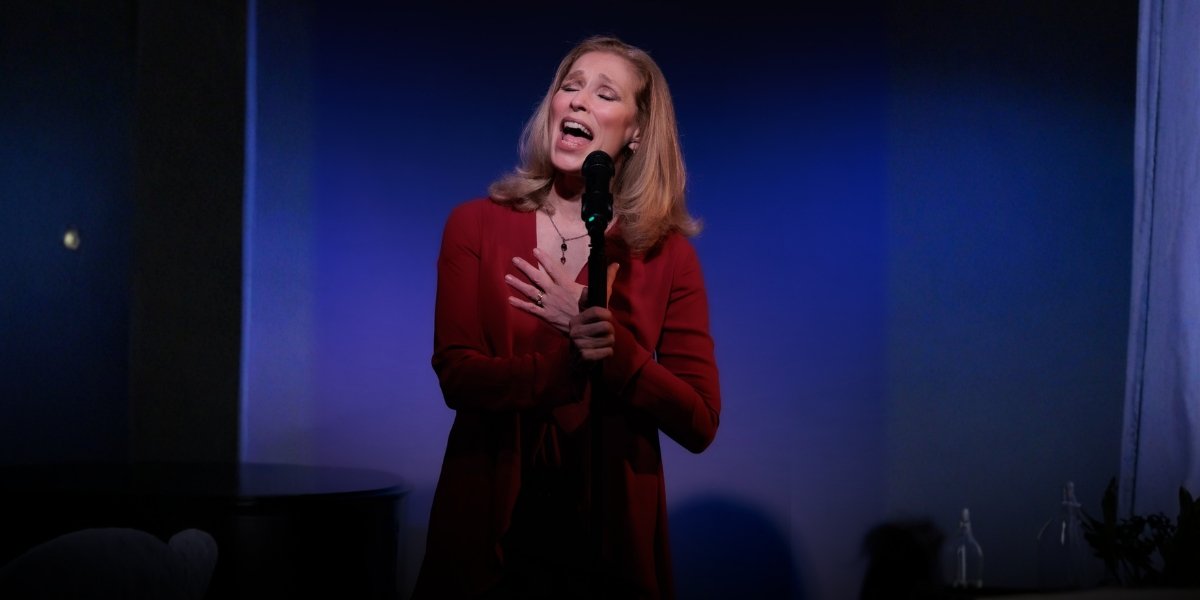
For many women, the question isn’t whether they love their careers or their children more; it’s how to hold both without losing themselves. The balancing act between ambition and motherhood can feel impossibly delicate, and every family arrives at its own answer. Some women push forward. Some step back. Most do a complicated dance somewhere in between. For Ann Kittredge, winner of the 2026 MAC Awards (Manhattan Association of Cabarets) for best female vocalist, the decision came at a moment when her performing career was thriving. She had momentum, recognition, and a growing artistic voice. And yet, when her children were young, she made the deeply personal choice to pause, to redirect her time and energy toward parenting and community advocacy. What followed was not simply a break from the spotlight but a transformative chapter that reshaped her artistry and deepened her purpose. Now, celebrating ten years since her return, Kittredge reflects on what it means to step away, to come back, and to discover that sometimes the long road home leads exactly where you’re meant to be.​​

We sat down and discussed music, motherhood, and her unique journey: 

You stepped away from performing at a pivotal moment in your career to focus on raising your young children. What was that decision like emotionally and did you always know you would return to the stage one day? 

When my youngest, my son Robby, was about two years old, I made an unexpected career choice and took a leave of absence from performing while they were young. Even though I appreciated being able to focus my time on parenting, which did not come naturally to me, and volunteering, it didn’t mean I wasn’t suffering from a little career withdrawal. 

When I made the initial decision, I absolutely thought it had an expiration date. But I really got caught up in advocacy and community building, and at some point, I wondered if I would ever return. Once my children reached the age where they didn’t want me hanging out with them anymore, I began imagining stepping back in. I truly missed it. It was quite a journey to return, but I am absolutely pumped that I did. It’s been such a joy ride. I learned during my hiatus that it was much easier to play a mom than to be one, and yet, being one is immeasurably rewarding.  

Many women struggle with the tension between personal ambition and family life. During the years you were offstage, how did you stay connected to your artistic identity while fully embracing motherhood? 

I volunteered at my children’s school, directing performances and graduations, and became involved on a city level in various roles to create value for NYC students. I also worked with the American Songbook Association, which allowed me to continue sharing music with children who might otherwise not have exposure to the great music of the past. 

One moment I will never forget was securing tickets to Twelfth Night on Broadway for an eighth-grade class studying Shakespeare. Families donated so that everyone could attend, and we arranged for a cast member to visit the school beforehand. Watching those students, many from Queens, take the subway home in tears because it was their first Broadway show… that visceral, emotional reaction stays with me. Art is essential. Sharing it during those years kept me connected in a different, deeply meaningful way. 

How has becoming a mother deepened or reshaped your interpretations as a storyteller in cabaret? Are there songs you sing differently now because of your lived experience? 

Everything I sing is approached differently now because of my lived experience, but what changed most was my focus. Before my children were born, I was so passionate about the work that I’d sometimes be surprised when we left rehearsal, and the audience began contributing their part. I was very tunnel-visioned. 

When I returned, I had a deep appreciation for the audience. I’ve made it my mission to serve them intentionally, using the skills I’ve been given to provide a respite from the world’s craziness for 75 minutes. They still surprise me. But now they surprise me because of how much they offer. The relationship that develops between performer and audience in such a short time is glorious. I can’t wait to serve my next audience.  

Celebrating ten years in cabaret after such a meaningful pause feels symbolic. What message would you share with women who fear that stepping away might close the door on their dreams? 

When I first stepped back in, full of doubt and insecurity, Broadway director Richard Jay Alexander told me that age doesn’t matter. You can start at any time if you have the passion and the skill. 

I’ve grown so much over these ten years. It’s funny to look back and cringe at some early mistakes, but I truly needed to sing. I truly needed to create value for others through my music. 

Luck plays a part, and I’ve been lucky. The talent that surrounds me is extraordinary, and I know they work with me because they believe in me. That’s a remarkable place to stand. 

But it isn’t all luck. I believe deeply that I am worthy. I don’t want to take, I want to give. I’m only challenged by how many people are available for me to give to. I’m still building a reputation that never ends, and it is a joy to create meaningful music along the way.  

See video of Ann’s recent celebration performance at Don’t Tell Mama in New York City at: https://www.annkittredge.com/video and hear her music on Spotify.