Women's Journal

Why Wellness for Women Is Central to Empowerment and Equality


The critical connection between wellness for women and their empowerment is becoming increasingly clear. Global health leaders and policy advocates recognize that women’s access to healthcare and wellness resources is directly tied to equality in all sectors of society. As global discussions shift towards improving health outcomes for women, wellness is being reframed as a core element of gender equality and human rights.

The Importance of Women’s Wellness in Advancing Equality

Wellness for women is no longer considered a secondary concern. Governments and organizations worldwide are pushing to integrate wellness into the broader agenda for social progress. Investments in strong healthcare systems tailored to women’s unique needs are increasingly viewed as vital infrastructure for leadership, workforce participation, and community resilience. As countries strive for gender equality, they are prioritizing policies that support women’s health and wellness.

These changes are not only about improving access to healthcare but also recognizing the intrinsic link between women’s well-being and their ability to lead, participate in the economy, and contribute to society. In fact, enhanced wellness has become a cornerstone of global equality efforts.

Health and Leadership: How Wellness Fuels Women’s Influence

Healthy women are more likely to engage in leadership roles across various sectors, including politics, business, and community organizations. Research shows that women with access to comprehensive healthcare and wellness resources are better positioned to lead. This is especially true in industries and fields where representation has historically been limited. As countries strive to close gender gaps in leadership, ensuring women have the resources to maintain their health and well-being becomes critical.

For example, women in leadership positions who are healthy and supported by strong wellness programs can have a significant impact on policy and organizational culture. Healthier women in leadership roles contribute to decision-making processes that promote equity and inclusivity.

Economic Participation: The Role of Health in Career Success

Access to healthcare is a key factor that influences women’s workforce participation. When women have access to preventive care, reproductive services, and chronic disease management, they are more likely to remain in the workforce longer and experience greater economic independence. This, in turn, strengthens national economies.

Women’s economic participation is essential to fostering resilient and inclusive economies. Health challenges, such as reproductive health issues, can directly impact women’s productivity, career longevity, and ability to contribute to the workforce. Ensuring wellness resources are available to women enhances both their personal and professional lives, contributing to overall economic growth.

Wellness and Education: Enabling Future Generations

Access to wellness resources is equally vital for young girls and women in education. Health challenges, particularly those related to reproductive health, can prevent girls from attending school or staying in school. In many regions, the lack of access to adequate health services is a leading factor in school dropout rates.

By prioritizing wellness services such as menstrual health care, mental health support, and reproductive education, societies can help ensure that young women can continue their education without interruption. This, in turn, equips them with the tools they need to become empowered leaders and changemakers.

Global Movements Shaping Women’s Wellness

International advocacy groups continue to push for reforms that prioritize women’s health. Wellness is increasingly framed as a human rights issue, with organizations such as the World Health Organization (WHO), UNFPA, and UNICEF calling for access to maternal health, reproductive care, and preventive health services for all women, regardless of their geographic location or socio-economic status.

The momentum is growing globally, with international summits and campaigns focused on improving women’s wellness outcomes. This ongoing movement highlights the importance of addressing women’s health disparities as part of a broader human rights agenda. Policies that prioritize women’s health are not just improving outcomes for women—they are reshaping entire communities and economies.

Investing in Wellness: Strengthening Communities and Economies

When societies invest in women’s wellness, the benefits extend far beyond individual health. Healthier women contribute to stronger families, more resilient communities, and inclusive economies. Research indicates that improving women’s health outcomes has ripple effects that benefit society as a whole. Women who are healthy and well-supported are better able to contribute to their families, communities, and economies.

The link between women’s health and societal well-being is undeniable. Countries that invest in the wellness of women see improvements in child health, education outcomes, and overall economic productivity. By fostering environments where women’s health is a priority, societies create conditions where everyone can thrive.

A Call for Continued Focus on Women’s Wellness

As the global conversation around women’s rights and empowerment continues to evolve, wellness remains a central theme. The policies that support women’s access to health resources—whether through improved maternal care, preventive health services, or mental health support—are critical for achieving gender equality.

To truly empower women, society must continue to prioritize their wellness. As global momentum grows, it is essential to recognize that the wellness of women is not just a matter of personal health—it is foundational to the progress of communities, economies, and societies as a whole.

Smart Home Investments Women Homeowners Are Making in Georgia’s Fastest-Growing Cities

By: Lauren Mitchell

Why Covington Is Leading a Quiet Revolution in Strategic Home Upgrades

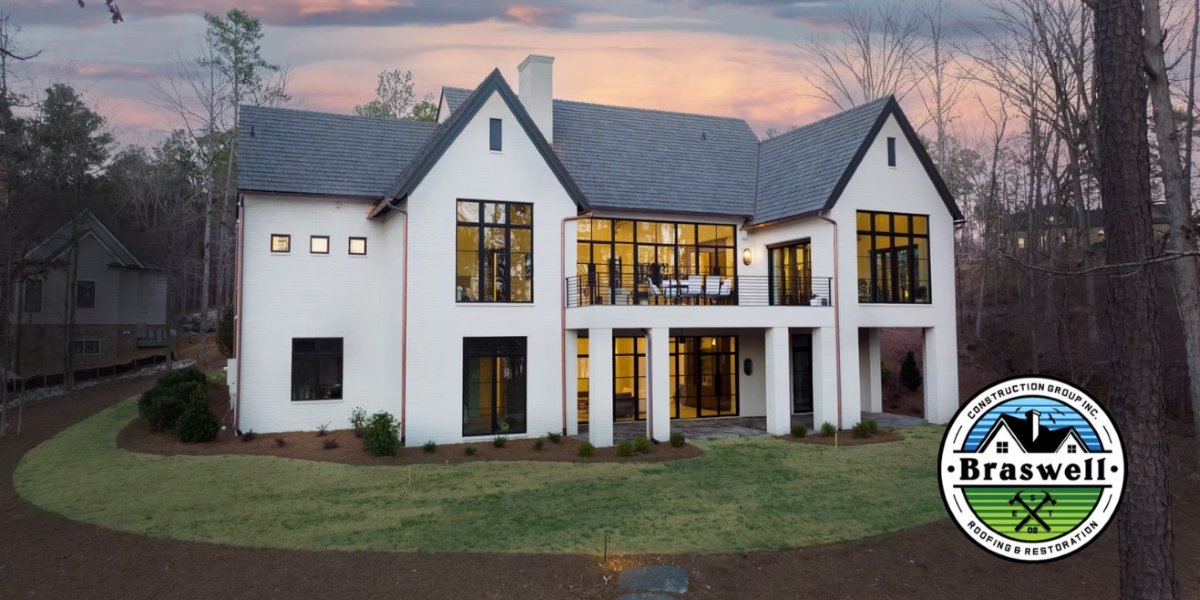
Across Georgia, women are driving more household investment decisions than ever before. Whether managing properties independently, co-investing with partners, or overseeing estate planning for multi-generational homes, women homeowners are approaching renovation decisions with a sharp eye on long-term value, not just short-term curb appeal. And in one of the state’s fastest-growing cities, that trend is reshaping how people think about one of the most overlooked parts of the home: the roof.

Covington, the seat of Newton County, has experienced remarkable growth over the past several years. Once known primarily for its charming Historic Covington Square and its frequent appearances as a filming location, the city has evolved into a serious residential market. New subdivisions, rising home values, and an influx of families and professionals relocating from metro Atlanta along the I-20 corridor have transformed the area into one of Georgia’s most dynamic housing markets.

With that growth comes a new set of priorities for homeowners, especially those thinking beyond the next five years.

The Roof as a Financial Decision

For many homeowners, a roof replacement feels like a reactive expense, something you deal with after a storm or when an inspector flags a problem. But a growing number of Covington homeowners are flipping that script. They are treating the roof as a proactive investment, choosing premium materials and experienced contractors who understand how roofing decisions affect appraisal values, insurance costs, and long-term maintenance budgets.

This is especially relevant in Newton County, where storm activity and summer heat cycles put tremendous stress on roofing systems. Choosing the right material and the right installer is not just about surviving the next hail season; it is about protecting a home’s equity for decades.

Chris Braswell, founder and president of Braswell Construction Group, sees this firsthand. “We’re having more conversations with homeowners in Covington who want to understand the full picture, not just what a roof costs, but what it returns,” Braswell says. “That kind of thinking used to be limited to million-dollar estates. Now it’s happening in every price range, and women homeowners in particular are asking the sharpest questions.”

Braswell Construction Group, which holds multiple national awards, including the BRAVA Excellence Project of the Year and the DaVinci Masterpiece Contractor designation, has become a trusted name for homeowners seeking that level of expertise. Residents searching for the best roofing contractor Covington GA has to offer are increasingly finding that the right contractor brings far more than labor; they bring strategic guidance.

What Smart Homeowners Are Prioritizing

The decisions being made in Covington reflect broader national trends, but with a distinctly local flavor. Three priorities are emerging among the area’s most investment-minded homeowners.

Durability over price. Rather than choosing the cheapest option and replacing it in 15 years, homeowners are selecting materials, including slate, composite slate, and synthetic shake, that deliver 50 to 100 years of performance. The upfront cost is higher, but the lifetime cost per year is dramatically lower.

Storm readiness. Newton County sits squarely in Georgia’s storm belt. Homeowners who have been through one major roof claim understand the disruption and expense involved. Investing in impact-rated, wind-resistant systems is becoming standard practice for those who want to avoid the cycle of damage and repair. For homeowners navigating that process, understanding storm damage roof repair Covington best practices can make the difference between a smooth recovery and a costly headache.

Contractor vetting. Perhaps the most important shift is how carefully homeowners are evaluating contractors. Licensing, manufacturer certifications, portfolio depth, and insurance expertise all factor into the decision. The era of choosing a roofer based on the lowest bid is fading, replaced by a more rigorous selection process that mirrors how homeowners choose financial advisors or attorneys.

Covington’s Growth Demands a New Approach

As Covington continues to grow, the homeowners shaping its neighborhoods are making decisions that will define property values for years to come. A roof is not a glamorous investment, but it is one of the most consequential. It affects insurance eligibility, energy efficiency, resale value, and everyday comfort.

“The smartest investment you can make in a growing market is the one that compounds over time,” Braswell adds. “A premium roof does exactly that. It is not an expense, it is equity.”

For Covington homeowners evaluating their options, connecting with a Covington GA roofing contractor who understands both the local market and the long-term math is the most important first step. The right choice today pays dividends for decades.

Disclaimer: This article is for informational purposes only and does not constitute financial professional advice. Any discussion of property improvements or market trends should not be interpreted as a guarantee of financial return.


Mindful Leadership: Charlotte Lilley on Helping Women Step Outside, And Into Their Power

By: Gesche Haas 

Gesche Haas is the founder & CEO of Dreamers & Doers, a highly curated community and PR Hype Machine™ for extraordinary women entrepreneurs.

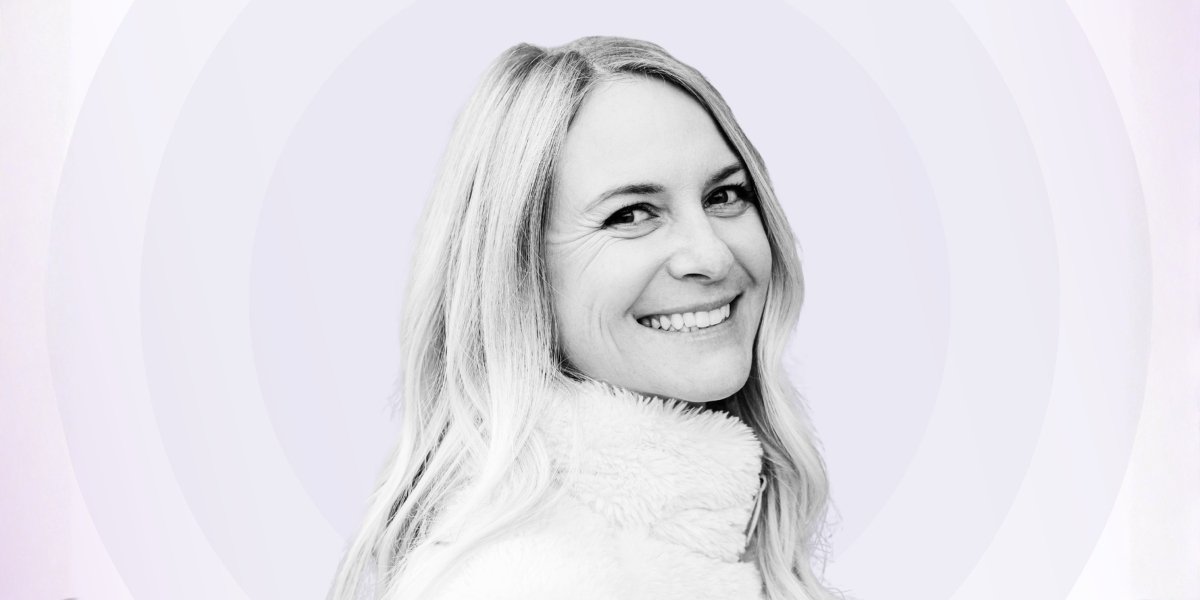
Charlotte Lilley tackles owning The Retreat Co the way an expert skier tackles a tough run: she studies the terrain, prepares for the twists ahead, gathers her gear and her people, gives herself a quick pep talk… and dives in.

As the founder of a company built for women who can’t sit still (her words!), Charlotte knows how to turn adventure into empowerment. Her approach is equal parts heart, hustle, and strategic vision. The journey isn’t always smooth, but under her guidance, The Retreat Co continues to carve out its path, one intentional, inspired move at a time.

Keep reading to see what keeps Charlotte’s passion in motion.

What is the underlying mission of your work or business? How does your work make a difference in people’s lives?

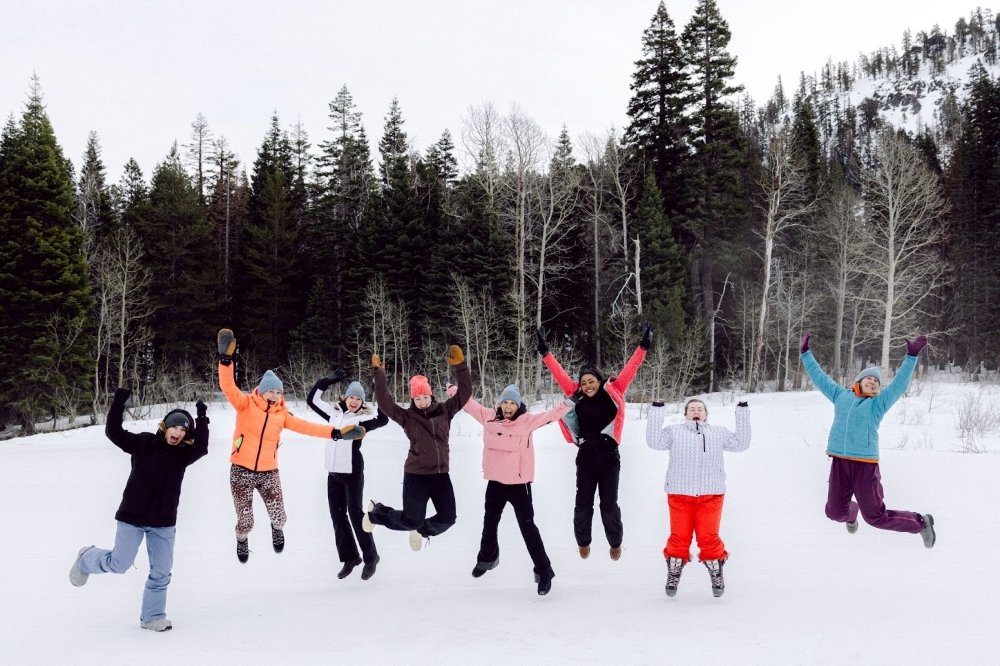
We create space for women to try new things, to fall (literally and figuratively), and to realize how strong and capable they really are. Our retreats make a tangible difference by reminding women that they’re not alone and that fun, friendship, and growth don’t stop in adulthood. Through our curated experiences, we aim to build environments where women feel supported, adventurous, and genuinely seen. At its core, the mission is about giving women space to step outside daily routines, discover new strengths, and feel supported in places often dominated by men. Women describe leaving our retreats with “a new sense of confidence on the slopes” and feeling “invigorated and more capable” than they imagined. 

Our retreats also bring connection and belonging. Guests often arrive worried they won’t fit in, but leave saying they felt “welcomed, valued, and supported” from the moment they arrived. 

What sets your company apart in a crowded market? What do you believe is your unique contribution to your industry?

We focus on three elements that set The Retreat Co apart from your average trip:

  1. Dynamic, fully curated trips that pack a lot of value into just a few days: Our retreats are designed to anchor around a certain adventure like skiing or camping while being layered with yoga, art classes, guest speakers, private chef dinners, and, yes, moments to recharge.
  2. Purposeful activities in spaces where women often feel uncomfortable or underrepresented: Ski slopes, campgrounds, and even professional spaces are still too often male-dominated, and many women tell us they don’t have others to share those passions with. 
  3. A deep focus on connection: The number-one reason women join us is that they don’t have other women to do these things with. Most of our guests come solo, so we design everything so no one ever feels like the odd one out. 

How have you navigated the growth of your business while staying true to your core values? What practices help you ensure that your growth is sustainable and aligned with your values?

The Retreat Co hasn’t grown overnight. I’m one person running the company, so it’s been a steady evolution over the past seven years. I’ve expanded thoughtfully by growing into a year-round business, adding new offerings, and layering in community events. We’re also beginning to add co-hosts to our retreats. 

With all that we’re doing and with such limited resources, I’ve had to ask myself at every stage: Does this stay true to our core values of adventure, connection, and empowerment for women? For me, growth isn’t necessarily about scaling as quickly as possible; it’s about strengthening what we already offer, ensuring it’s a high-quality experience, and spreading the word so our community continues to grow intentionally. Even as we expand, I focus on sustainable growth by staying rooted in our values. 

Most importantly, we lead with community. The Retreat Co isn’t just about filling retreats; we are creating a circle of women who return again and again, finding confidence, friendship, and joy in experiences they might not have pursued without a community already ready for them to step into.

How do you balance the demands of entrepreneurship with your physical and emotional health? What specific tools or practices have you integrated into your daily routine to maintain mental well-being?

Honestly, it’s a constant struggle. Admittedly, there are days when I’m completely unmotivated and others when I get a lot done. I’ve noticed this is often a direct reflection of my emotional health. When I’m grounded and feeling good, for example, I can build momentum and check things off the list. When I’m drained or scattered, I tend to cherry-pick tasks that don’t move the needle as much.

My physical and emotional health are inseparable. If I neglect to move my body or eat well, it shows up in my mood, focus, and motivation. And when I’m feeling emotionally low or isolated, I’m less likely to take care of myself physically. Because of that, I approach both as part of the same system and try to care for them together.

Some of the practices I lean on are simple but essential: daily dog walks help me get out of my head when I need a reset; starting the day with a protein-packed breakfast gets things off on the right foot nutritionally; social activities help me feel like I’m part of the world and less isolated; and time-chunking with head-down days allow me to complete a lot of tasks done at once. None of it’s perfect, but each piece helps me recalibrate and keep moving forward.

Mindful Leadership: Charlotte Lilley on Helping Women Step Outside, And Into Their Power

Photo Courtesy: Tim Kroeger Media LLC

How do you actively give back to your community or industry? How does this commitment to giving back reflect your values as a leader?

For me, leadership is about building community. In my local Lake Tahoe area, I volunteer my time to lead multiple events for women each month, from hikes and workshops to casual meetups, all designed to bring women together. Alongside that, I started a growing WhatsApp group that connects women outside of in-person gatherings. During ski season, I host free community Shred Days so women can meet up, ride together, and feel less alone on the mountain. Looking ahead, I’m organizing season kick-off parties in different mountain towns to celebrate community and get women excited for winter.

Partnerships are another amazing give-give. By collaborating with women-led brands, local businesses, and female founders, I’m able to spotlight their work, bring more value to retreat guests, and strengthen the ecosystem of women supporting women. These partnerships also help me continue to grow The Retreat Co by expanding awareness, elevating the retreat experience, and connecting with new audiences.

On the industry side, my commitment is to help shift the balance in spaces where women have historically been underrepresented: in the outdoors and in the workplace. 

What is the most important lesson you’ve learned in your entrepreneurial journey so far?

To stay true to myself. It’s easy to second-guess or try to be something I’m not in order to impress, but that never feels authentic. I’ve realized there will always be critics, and not everyone will understand or support what I’m building. What matters is knowing in my gut that I’m doing good work and staying aligned with what I believe is a positive force in this world. 

What advice would you give to other women wanting to start or grow businesses in an intentional way?

Momentum matters more than perfection. Don’t wait until every detail is figured out or the timing feels flawless. Just start. Each imperfect step will give you more clarity and confidence than overthinking ever could. Consistently showing up will help you build trust that sustains growth over time. The caveat: this is not an easy feat!

Charlotte is a member of Dreamers & Doers, an award-winning community that amplifies extraordinary women entrepreneurs, investors, and leaders by securing PR, forging authentic connections, and curating high-impact resources. Learn more about Dreamers & Doers and get involved here.

Mindful Leadership: How Jen Burke Is Changing Postpartum Care

By: Gesche Haas 

Gesche Haas is the founder & CEO of Dreamers & Doers, a highly curated community and PR Hype Machine™ for extraordinary women entrepreneurs.

Much has been said about the early days of parenthood, those sleep-deprived, heart-expanding, chaos-filled weeks, and most of it circles back to one universal truth: it’s incredibly hard. Jen Burke knows this firsthand. As a therapist and entrepreneur, she has a simple but powerful mission: to help moms feel more supported, more connected, and more joyful during one of life’s most demanding transitions.

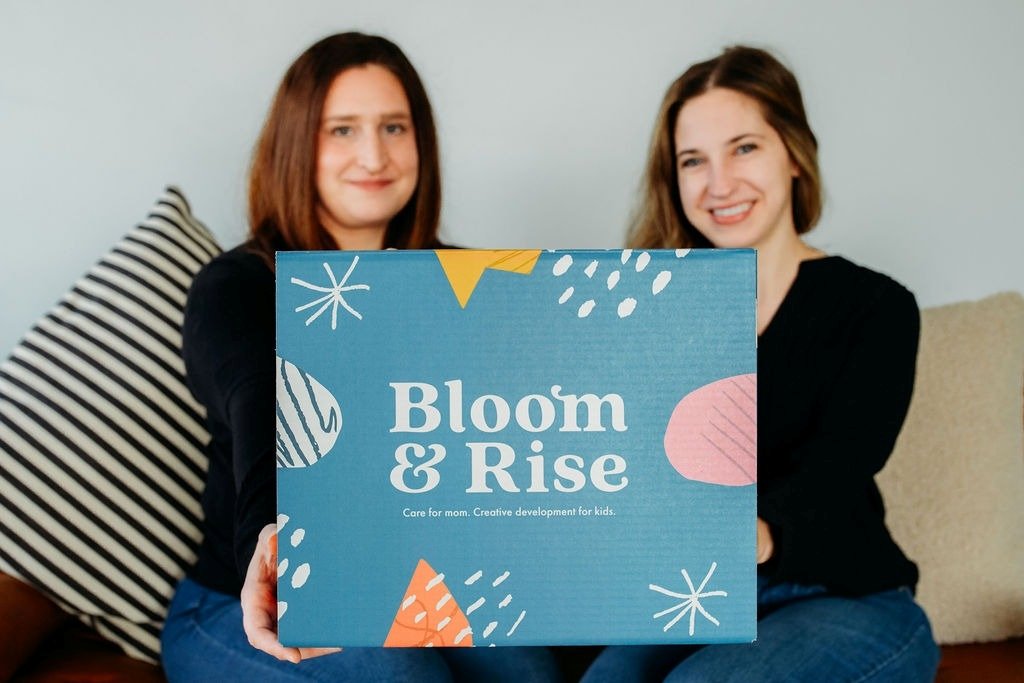
Bloom and Rise is a heartfelt extension of Jen’s therapy practice and a love letter to new parents in the thick of it. Through expertly curated postpartum care boxes, Jen delivers more than just thoughtful products. She offers tools for emotional wellness, resources to nurture secure attachment, and support for early childhood development. It’s a business born from personal experience and a testament to the healing power of sharing what we’ve lived through.

We sat down with Jen to talk about the journey of co-founding her second venture, the lessons she’s learned along the way, and how she’s learning to care for herself while holding space for so many others.

What is the underlying mission of your business? How does your work make a difference in people’s lives?

My friend and business partner Aimee Tuck and I created Rise Wellness Collaborative in 2021 to address the unmet need for comprehensive mental health support for women and families during the perinatal period and early childhood. As mental health specialists, we saw firsthand how many families struggled with the emotional and psychological challenges of parenthood, yet lacked accessible resources. My personal journey through fertility treatments and pregnancy loss further deepened my commitment to this mission.

Bloom and Rise, our second business, was created in 2023 as an extension of our work at Rise. Through Bloom and Rise, we provide curated care packages for moms and babies that combine thoughtful products with expert resources designed to nurture emotional well-being and secure attachment. Our goal is to bridge the gap between mental health care and everyday parenting, ensuring that moms feel supported, understood, and empowered. By combining professional expertise with a personal touch, we strive to make a meaningful difference in the lives of families.

Looking back, what are the most meaningful impacts your work has had? How do these outcomes align with your original vision?

One of the most meaningful impacts of our work was a donation closet at Rise Wellness Collaborative during the formula crisis. What began as a response to an urgent need quickly brought the community together to support moms and families. This experience inspired Bloom and Rise, helping us think about how we could extend our reach beyond the clinical therapy room. By creating a product that combines mental health resources with practical support, we’ve been able to normalize difficult postpartum experiences and provide relief to moms who get to hear things like, “Hey, other moms have that same scary thought.” This shift allowed us to impact even more families, extending our vision of holistic support and fostering broader conversations about mental health and parenting.

What sets your company apart in a crowded market? What do you believe is your unique contribution to your industry?

What sets Bloom and Rise apart is our focus on integrating mental health expertise into every box we create. First and foremost, we are still therapists, and we spend most of our days running Rise Wellness Collaborative, so each package includes expert-crafted resources to support emotional well-being, strengthen the parent-child bond, and address the specific phases of postpartum and child development. 

Our curation goes beyond products. We intentionally choose items that directly support the emotional and physical needs of new moms and prioritize sourcing from other women-owned businesses to uplift our community. We hope that Bloom and Rise isn’t just a box, but a bridge between mental health care and everyday parenting, designed to support moms and babies in a truly meaningful way.

Mindful Leadership: How Jen Burke Is Changing Postpartum Care

Photo Courtesy: Jen Burke

Beyond financial success, what metrics or indicators do you track to ensure that your business growth aligns with your values?

For both Bloom and Rise and Rise Wellness Collaborative, our vision for success is deeply rooted in the impact we make on the families we serve and the women and children we support. At Rise Wellness Collaborative, we track the number of clients we assist through mental health services, the feedback they share with us, and the families in our community who benefit from our donation closet, which provides essentials like formula and clothing. 

At Bloom and Rise, we prioritize customer feedback to ensure our boxes address the emotional and practical needs of moms and babies, monitor the number of products sourced from women-owned businesses, and evaluate how well our resources spark meaningful conversations about mental health, postpartum challenges, and child development. Together, these metrics guide us in staying true to our mission of supporting families holistically.

How do you balance the demands of entrepreneurship with your physical and emotional health? What specific tools or practices have you integrated into your daily routine to maintain mental well-being?

As a mental health therapist, I should have a perfectly polished answer to this, but as I always tell my clients, “shoulding” ourselves is rarely helpful! When it comes to balancing entrepreneurship with my physical and emotional health, I focus on the basics: exercise, spending time with friends and family, and indulging in a good (BookTok-worthy!) romance audiobook on my drive home to unwind. These simple practices help me recharge and stay grounded so I can show up fully for my business and my personal life. It’s all about finding balance and giving myself permission to enjoy the little things.

What is the most important lesson you’ve learned in your entrepreneurial journey so far?

As cliché as this sounds, the most important lesson I’ve learned in my entrepreneurial journey is that you can’t do it all, no matter how much you want to. It’s easy to get caught up in thinking you need to be everything to everyone, but the reality is that it’s okay to set boundaries and prioritize what truly matters. 

What advice would you give to other women wanting to start or grow businesses in an intentional way?

Do as I say, not as I always do, ask for help. I’m still learning that running a business isn’t a solo sport, even though I often try to pretend it is. Trust me: you’ll go much farther with support (and maybe a bit of caffeine!) than if you try to do everything on your own. It’s a work in progress for me, but I promise that asking for help is a game-changer.

Jen is a member of Dreamers & Doers, an award-winning community that amplifies extraordinary women entrepreneurs, investors, and leaders by securing PR, forging authentic connections, and curating high-impact resources. 


Disclaimer: The information provided in this article is intended for general informational purposes only and is not a substitute for professional medical or psychological advice. Always consult with a qualified healthcare provider for any mental health or medical concerns.

Mindful Leadership: Sarah Baldwin Is Transforming Lives Through Somatic Healing. Here’s How.

By: Gesche Haas 

Gesche Haas is the founder & CEO of Dreamers & Doers, a highly curated community and PR Hype Machine™ for extraordinary women entrepreneurs.


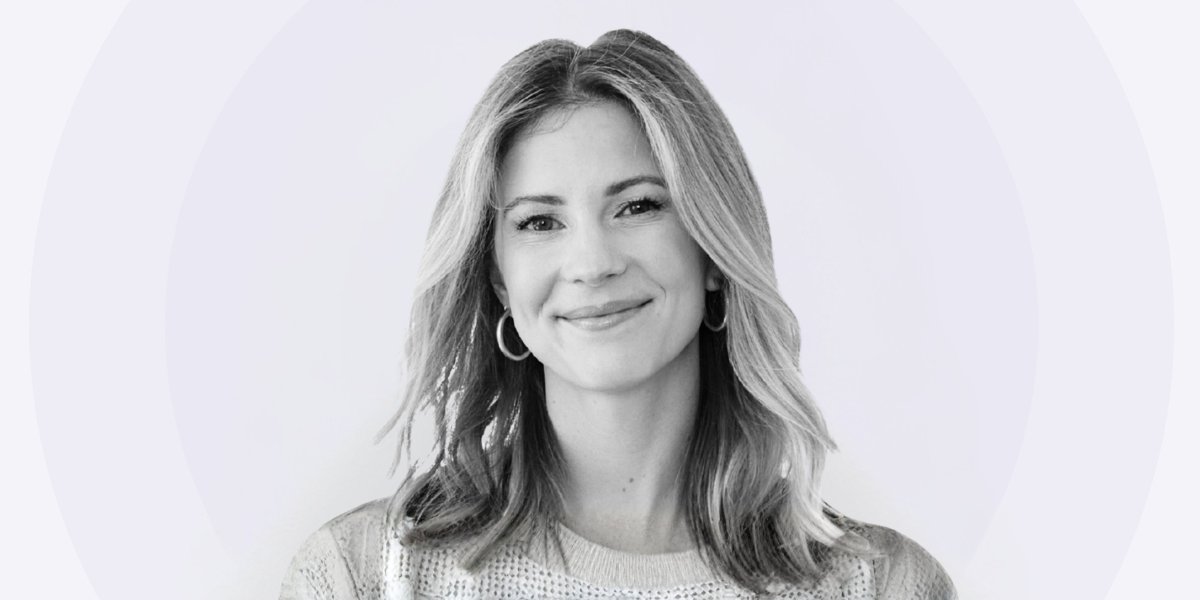
Meet Sarah Baldwin, the President and CEO of Sarah Baldwin Coaching, a practice empowering individuals to heal trauma, regulate their nervous systems, and step into the lives they’ve always imagined.


Sarah’s journey began with her own complex trauma, which left her battling anxiety and depression. Traditional therapies offered the space to learn and talk about her trauma, but it was somatic work that finally unlocked true healing. Now, as a Somatic Experiencing Practitioner and trauma-trained life coach, Sarah combines neuroscience and Polyvagal Theory to help her clients effectively navigate their human experience, fostering resilience and personal transformation. Her programs have reached over 10,000 people across the globe, from rural villages to bustling cities, making healing accessible to all.


During our conversation, Sarah shared the mission behind her work, the lessons she’s learned as an entrepreneur, and the advice she has for women looking to grow businesses rooted in passion and integrity. 


Tell us the story behind your company’s founding. How and why did you start working on Sarah Baldwin Coaching?


Starting my company felt like a soul calling. Every part of my lived experience played a significant role in my deep desire to do the work I do. I have a complex trauma history as a result of adverse childhood experiences that continued through most of my development. As a result, I spent the majority of my life entirely dysregulated and unable to live the life I desired. I suffered from depression and anxiety, and I was in immense pain. As a result, I spent the first decade of my adult life devoted to healing. I realized early on that no amount of learning about healing or talking in traditional therapy was actually creating the shifts I so deeply desired. When I finally found somatic work, everything began to change. My nervous system began to regulate, which meant my anxiety and depression dissipated. The past finally became the past. This allowed me to step into the fullness of life I now experience. 


There aren’t words that can describe the suffering trauma brings. But there are also no words that can describe how extraordinary the most ordinary moment can be when you feel safe inside and, as a result, safe in the world. It makes you limitless, and it allows you to step into the fullness of life that you desire. That is what my healing brought me. It led me down a nine-year-long journey of becoming a trained mental health professional in the very work that saved my life. There is nothing I care more about than helping others do the same so they can live the full lives they are here to live. 


What is the underlying mission of Sarah Baldwin Coaching? How does your work make a difference in people’s lives?


The work I do isn’t just for people with extensive trauma histories like me. It’s for everyone. No one teaches us how to navigate our human experience, to have relationships that thrive, to step toward the things that scare us, to handle stress, and set boundaries. I think of the work I do as a manual for the human experience. And that’s something we all need. So much so that neuroscience and Polyvagal Theory actually confirm that our autonomic nervous system creates every feeling we have, every sensation we experience, every behavior we exhibit, and our perception of ourselves, others, and the world around us. This nervous system literally creates our entire lived experience. If we are not in the driver’s seat of it, it’s as if it takes over on cruise control, avoiding roads in our lives that it thinks could be dangerous, which usually means keeping us from things we want the most. The work I do helps people to harness the power of this system so they can step into the lives that are waiting for them. I’ve never done anything more rewarding.

Because I grew up in poverty without access to proper help, it was incredibly important to me that when I began doing this work, it was accessible to people all around the world. I am so proud that our programs have served over 10,000 people from every continent, from rural areas to major cities. It is so evident that we are all so much more similar than we are different. We have people inside our programs who are 20 years old and those who are 80 years old. I’ve watched people go from having chronic panic attacks to being free of them; people who have struggled for a decade to publish their novel to finally doing it; people who have gone from challenging relationship after challenging relationship to thriving in them; and people who have gone from being unable to step into their purpose to starting major global companies. That’s the power of this work. That’s the power we each have internally to heal. There’s nothing I care about more in my life than watching people come alive like this. 


Mindful Leadership: Sarah Baldwin Is Transforming Lives Through Somatic Healing. Here’s How.

Photo Courtesy: Sarah Baldwin

How have you navigated the growth of Sarah Baldwin Coaching while staying true to your core values? 


Every time I create a new program, start a new project, or say yes to an opportunity, I sit down and ask myself, “How is this going to serve people?” “Is this adding value?” “Is it anchored in integrity to provide the highest level of support?” No matter how exciting an idea or opportunity may be, I only lean into it if I feel deeply that it will provide people with support at a very high standard. 


Because I’m so passionate about the work I do, it’s really easy for me to get caught in overworking and not making enough time for the things I need to do to nourish myself. Regulated nervous systems regulate nervous systems, so it’s absolutely vital that anyone in the helping professions is devoted to our own overall well-being. Early on in my career, when I was building my business, I still had some parts of me that were constantly on a hamster wheel of feeling like it was never enough. Once I reached a goal, I would set another one instead of resting and enjoying the process. Now, my company nourishes me as much as I nourish it. This means I deeply value my life outside of work, which fuels everything inside of it. 

What is the most important lesson you’ve learned in your entrepreneurial journey so far?

There is no “there.” There is here, in this moment. That is the thing that exists. That’s what regulation is all about. Unless we are able to enjoy the process, we will be stuck in a tireless race toward the next goal. It was such an important thing for me to learn, and it has made my work and the process so much more enjoyable. 

What advice would you give to other women wanting to start or grow businesses in an intentional way?

Passion is what sells, true, deep passion that is rooted in integrity. When we are so deeply anchored in our why and in being of service, we become unstoppable. You become a light in the world that people are drawn to. Regardless of what you are doing, it means you are offering the world your gifts, and that is the thing that will make you successful. It’s all really about serving the world in your own unique way. 


Sarah is a member of Dreamers & Doers, an award-winning community that amplifies extraordinary women entrepreneurs, investors, and leaders by securing PR, forging authentic connections, and curating high-impact resources. 


Disclaimer: The views in this article are those of Sarah Baldwin and do not reflect the positions of Dreamers & Doers. The experiences shared are personal and results may vary. Healing and transformation are individual journeys, and outcomes from somatic work are not guaranteed. Consult a professional before starting any new wellness practices.

How Anastasia Shubareva-Epshtein Turned Pregnancy Anxiety Into a Mental-Health-First App

By: Gesche Haas 

Gesche Haas is the founder & CEO of Dreamers & Doers, a highly curated community and PR Hype Machine™ for extraordinary women entrepreneurs.


After facing fertility struggles, enduring a miscarriage, and eventually becoming pregnant through IVF, Anastasia Shubareva-Epshtein expected to feel pure joy about what came next. Instead, pregnancy arrived layered with anxiety, shaped by loss, compounded by the hormonal whiplash of fertility treatments, and heavy with fear about what could still go wrong.

Searching for reassurance, Anastasia turned to pregnancy tracking apps, hoping for comfort and clarity. What she found instead felt alienating: glossy, picture-perfect portrayals of pregnancy that left no room for grief, complexity, or caution. Rather than feeling supported, she felt isolated and quietly ashamed for not embodying the glowing mom-to-be narrative.

That disconnect sparked something bigger. Determined to transform her experience into meaningful support for others navigating pregnancy after loss, Anastasia built what she couldn’t find. Alongside the arrival of her first child, Carea was born.

Grounded in deep user research and shaped by countless conversations with women who felt overlooked by traditional tools, Carea is the first pregnancy tracker designed with a mental-health-first approach, meeting women where they actually are, not where they’re told they should be.

What is the underlying mission of your work or business? How does your work make a difference in people’s lives?

Our mission is simple but urgent: to provide genuine, supportive care throughout pregnancy and postpartum that’s centered on the woman, not just the baby. With one in four pregnancies ending in miscarriage and one in six couples undergoing fertility treatment, there’s a clear need for a more honest, compassionate digital support tool that recognizes how complex the entire journey can feel.

Carea offers women a safe, trigger-free space to find evidence-based information to make informed choices, mental health tools designed to calm fear and anxiety, and a supportive community of women who truly get it. 

Our goal is to bring all these vital tools and resources together in one trusted place, delivering thoughtful, trauma-aware care that traditional pregnancy and postpartum apps simply don’t provide. We want every woman to feel genuinely supported, no matter how complex or tender her path to motherhood may be.

What sets your company apart in a crowded market? What do you believe is your unique contribution to your industry?

Recent industry research shows that 72% of pregnancy apps don’t acknowledge pregnancy loss at all, and that only about 10% offer any tailored support for it. This is exactly where we knew we had to do things differently. We deeply understand how unique (and often anxiety-filled) the journey can be for someone who has already experienced a miscarriage.

From the very start, Carea gives each user the option to indicate whether their pregnancy follows a loss. This allows us to remove potentially triggering content and instead personalize the user’s in-app experience by recommending articles, podcasts, and resources that speak directly to the experience of pregnancy after loss, supporting them with empathy every step of the way.

Another key difference is our dedicated support for pregnancies following IVF or other fertility treatments. We know this journey brings its own emotional and medical realities, including daily injections and strict medication routines, so we built a robust medication tracker and a progress bar to help parents-to-be stay on top of every dose, while giving them a sense of motivation and reassurance along the way.

What core values guide your business? How do these principles reflect your personal values, and how do they influence your leadership?

Kindness guides both our business and my leadership style. As a woman in leadership, it can be tempting to feel you have to toughen up or mask your natural empathy to be taken seriously, but over time, I’ve learned that my empathy and kindness are exactly what make me a better, more effective leader and that true respect comes from showing up as your authentic self. For me, kindness isn’t negotiable. It’s the foundation of how I lead my team and the backbone of our company culture. It shapes how we communicate with each other and how we support our users, and it sits at the very heart of every new feature we build.

Trust and transparency are equally important. Working in femtech means we have an enormous responsibility to handle our users’ deeply sensitive data with the highest care. From day one, I pledged that we would follow the strictest European privacy standards and treat every bit of data with the respect it deserves. I still remember reading heartbreaking stories of women who received baby products in the mail after reporting a pregnancy loss to another app. As an industry, we must do better.

How do you personally define success? In what ways does this definition guide both your business and personal life?

When I started Carea, I told myself that if we could help even one woman feel less alone in the trenches of pregnancy and postpartum, we would have already achieved our mission. That will always be our true measure of success, which is why we put so much emphasis on listening to real, qualitative feedback from our users.

Of course, we’re also a business, not a non-profit, and with our growing in-house team, we have to stay focused on healthy financial KPIs, too. At the heart of everything, though, I want us to always remember why we started: to show up for women when they need it most.

For me, success, both personally and for Carea, means making a real difference for women during some of the most vulnerable, raw, and life-changing moments of their health journeys. That will always come first.

What has been your greatest challenge in blending work with life? How have you managed to create a sense of harmony between the two?

I started building my business while I was still in early pregnancy, so my biggest challenge has been that having a baby and launching a company happened side by side. But this overlap has also taught me so much about showing up as my most authentic self, both as a founder and as a mother. To me, those roles aren’t separate; they’re deeply connected and constantly inform each other.

One of the hardest parts has been learning how to be fully present for both my child and my business. In the early days, I tried to juggle it all at once; working with my baby in my arms, breastfeeding him while on Zoom calls… but I quickly realized it wasn’t sustainable. Accepting help and setting clear, dedicated time for work has been key. It means that when I am with my child, I can be fully present instead of feeling pulled in every direction. I can also disconnect from my phone.

I’ve come to accept that there’s no such thing as a perfect balance. Instead of beating myself up for what didn’t get crossed off the to-do list, I try to focus on what I did accomplish and to remind myself that sometimes, that’s more than enough.

Can you share a significant life event that profoundly changed your perspective on leadership? How has it inspired the way you lead?

The most inspirational leaders I’ve encountered in my life have all shared one thing in common: an unapologetic sense of authenticity. It’s the quality I admire most in others, yet, ironically, it’s also the one I’ve struggled with the most myself. Like so many women, I’d describe myself as a recovering people pleaser. It took time (and a lot of unlearning) to stop hiding behind masks and to trust that my true self could be a strong leader, without needing to appear tougher or stricter than I really am.

Leading with vulnerability has become my second guiding principle. Because my company is rooted in such a deeply personal story, I’ve made it my mission to show up openly and honestly, not just with my team but also with our users. I truly believe that when we lead with vulnerability, we build real trust and genuine connection, and that’s what makes a company culture feel human and meaningful.

What is the most important lesson you’ve learned in your entrepreneurial journey so far?

Finding your why is the most important lesson I’ve learned. I would advise other new leaders to do the same! Entrepreneurship is a rollercoaster with plenty of ups and downs, and in the beginning, it can feel like mostly downs. Having an unshakable reason for why you show up every day makes all the difference when things get tough.

I’ve had to learn that so much of my day-to-day is about trade-offs, especially as a mother. I can’t be in two places at once. When I say yes to working on my business, I’m saying no to spending that same time with my child, but I’ve come to see that this doesn’t have to be a negative thing. Building a business with real purpose gives me energy and inspiration, which ultimately makes me a better mother, too.

For me, it’s all about being intentional and committing to being fully present wherever I am, whether that’s with my team, my company, or my child.

Anastasia is a member of Dreamers & Doers, an award-winning community that amplifies extraordinary women entrepreneurs, investors, and leaders by securing PR, forging authentic connections, and curating high-impact resources. Learn more about Dreamers & Doers and get involved here.

Disclaimer: The information provided in this article and through the Carea app is intended for general informational purposes only and is not a substitute for professional medical advice. Always consult with a qualified healthcare provider for any medical concerns or treatment.