Women's Journal

Two Moments That Matter: Preventing Child Injury and Knowing What to Do Next

By: Merilee Kern, MBA

Most cases involving injured children do not begin with dramatic accidents. They begin in ordinary places: an after school practice, a weekend sports league, a summer camp, or a routine activity where parents assume safety systems are already in place. According to personal injury attorney David B. Lever, these ordinary moments are precisely where attention matters most.

Lever, Founder and Senior Partner of Lever & Ecker, PLLC, describes two critical moments in child injury cases: prevention before something happens and clarity in the immediate aftermath. From a legal and practical standpoint, he explains that both moments significantly influence outcomes for families.

“The cases that become most difficult are rarely the unavoidable accidents,” Lever says. “They are the situations where a little more preparation or better documentation could have reduced confusion, stress, and uncertainty.”

The first moment that matters is prevention. Lever emphasizes that prevention does not require fear or constant vigilance. It requires awareness. Children move through multiple environments each week, each with its own supervision standards and safety procedures. Parents benefit from understanding who is responsible for oversight, how injuries are reported, and what protocols exist if something goes wrong.

Two Moments That Matter: Preventing Child Injury and Knowing What to Do Next

Photo Courtesy: Lever & Ecker, PLLC

“Parents do not need to become safety experts,” Lever notes. “But they should know the basics. Who is supervising? What is the injury protocol? How are incidents documented? Those answers matter.”

He also highlights the importance of carefully reviewing waivers and participation forms. While no document excuses negligence, Lever explains that understanding what is being signed helps parents make informed decisions. “Forms are often treated as routine,” he says. “Taking a few extra minutes to read and ask questions can provide clarity later.”

Communication with children is another key element Lever identifies. Children frequently recognize unsafe situations before adults do, yet may not know how to articulate their discomfort. Encouraging open dialogue about safety builds confidence and trust.

Organization is equally important. Keeping emergency contacts, medical information, and permissions updated and accessible can prevent delays when time is critical. Lever frequently observes that missing information adds unnecessary stress during already emotional situations.

Small warning signs should not be dismissed. Recurring complaints about supervision, minor equipment concerns, or repeated discomfort deserve attention. Prevention, Lever explains, is typically the result of consistent awareness rather than one major decision.

The second moment that matters arises after an injury occurs. At that point, priorities shift to medical care. Lever strongly advises families to follow medical guidance carefully, even when an injury appears minor. Some injuries evolve over time, and early follow through protects both health and long term recovery.

Once care is underway, documentation becomes essential. “Write down what happened while it is fresh,” Lever advises. “Names, dates, locations, conversations. Even if you never pursue legal action, accurate records protect your child and your peace of mind.”

He encourages parents to gather photographs, video, messages, and witness information when possible. Prompt and documented communication with schools, teams, or program administrators also creates a clear timeline.

Lever stresses that this process is not about assigning blame. “It is about accountability and understanding,” he explains. “Clear information helps everyone involved.”

He also reminds families to watch for emotional changes in children after injuries. Anxiety, fear, and behavioral shifts may surface weeks later. Healing is not only physical, and early support can make a significant difference.

From a legal perspective, Lever attributes many complicated cases to a lack of preparation or delayed documentation rather than to the severity of the injury itself. His guidance reflects a broader leadership approach within the personal injury field that prioritizes education, clarity, and practical tools for families.

“Parents do not need to live in fear,” Lever says. “They need information. Focusing on prevention before an injury and clarity afterward gives families strength when they need it most.”

Two Moments That Matter: Preventing Child Injury and Knowing What to Do Next

Photo Courtesy: Merilee Kern

About the Author

Entrepreneur Leadership Network member Merilee Kern, MBA, is a highly regarded brand strategist and analyst who reports on cultural shifts, trends, and notable industry leaders across both B2C and B2B sectors. Her work covers a broad range of categories, including field experts, thought leaders, brands, products, services, destinations, and events. As Founder, Executive Editor, and Producer of The Luxe List, Merilee is a respected voice in the business, lifestyle, travel, dining, and leisure industries. She stays attuned to the market, discovering innovative must-haves and unique experiences at all price points. Her work reaches millions worldwide through broadcast TV (including her own shows and numerous others on which she appears) as well as a variety of print and online publications. Connect with her at www.TheLuxeList.com / Instagram @MerileeKern / Twitter @MerileeKern / Facebook @MerileeKernOfficial / LinkedIn @MerileeKern.

Disclaimer: The information provided in this article is for informational purposes only and does not constitute legal advice. For advice regarding legal matters, please consult with a qualified attorney or relevant professional.
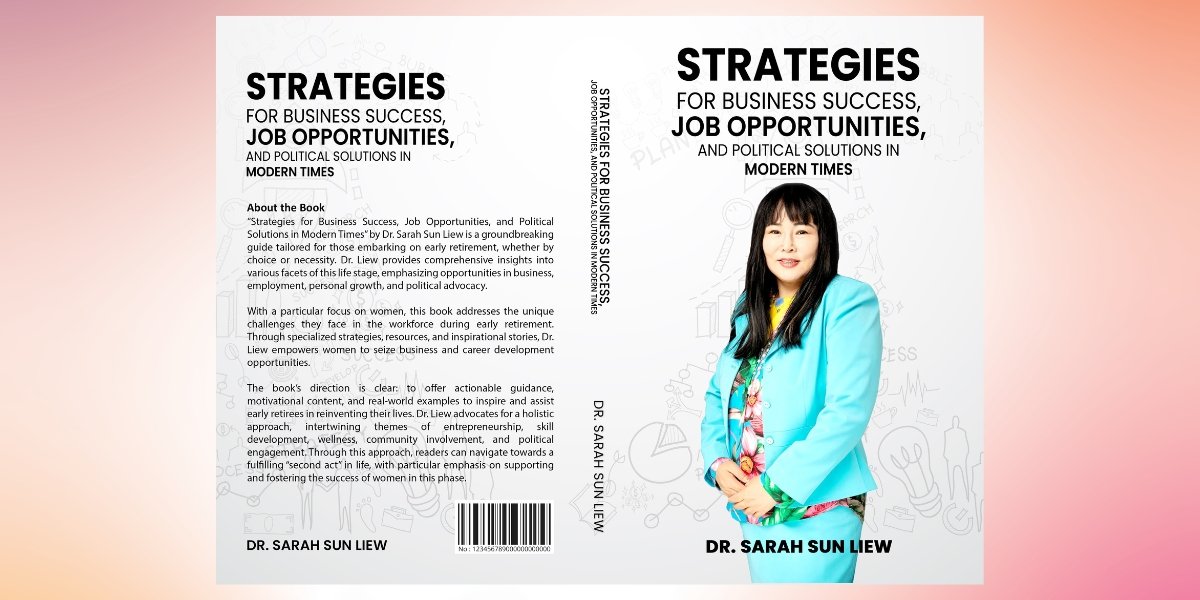

From Vision to Infrastructure: How Dr. Sarah Sun Liew Is Redefining Merchant Services Growth Strategy

In today’s global digital economy, merchant services are no longer simply about accepting credit cards. They are about infrastructure, scalability, compliance, data intelligence, and long-term merchant empowerment. Under the leadership of Dr. Sarah Sun Liew, MPS Merchant Services Group Inc. has embraced this expanded vision, positioning itself not merely as a payment facilitator but as a strategic infrastructure partner for business growth.

Dr. Liew’s approach is deliberate and architectural. Rather than chasing short-term transaction volume, she is building layered financial systems designed to scale with merchants over time. Her strategy blends banking alliances, global processor integration, compliance rigor, and educational empowerment into one cohesive growth model.

The result is a merchant services framework rooted in sustainability, not just speed.

The Evolution of Merchant Services: Beyond Transaction Processing

The merchant services industry has undergone a major transformation in the last decade:

  • Contactless and digital wallets are now standard.

  • Omnichannel commerce has replaced single-channel retail.

  • Fraud prevention has become increasingly sophisticated.

  • Cross-border payments are critical for scaling businesses.

  • Embedded finance is reshaping software platforms.

Many traditional merchant providers remain transaction-focused. Dr. Liew recognized early that this model would not be sufficient for long-term competitiveness.

Her strategy reframes merchant services as infrastructure enablement, connecting merchants to global processing power, secure banking channels, and educational support.

By aligning MPS Merchant Services with global networks such as Worldpay, which processes trillions of dollars annually and supports merchants across more than 170 countries, Dr. Liew ensures her merchants benefit from enterprise-grade capabilities while receiving personalized strategic guidance.

Building Infrastructure, Not Just Accounts

Dr. Liew’s growth strategy rests on five infrastructure pillars:

1. Strategic Global Processing Integration
Rather than investing billions to build proprietary processing rails, MPS integrates with established global acquirers like Worldpay. This allows merchants to access:

    • International acquiring licenses

    • Multi-currency processing

    • Omnichannel capabilities

    • Advanced fraud management systems

    • Tokenization and PCI-compliant environments

This integration strategy reduces capital intensity while maximizing reliability and scale.

2. Banking Partnerships that Strengthen Stability
A key differentiator in Dr. Liew’s model is the integration of partner banking relationships, including programs such as the Liberty Bank card partnership.
Bank partnerships provide:

    • Institutional credibility

    • Structured underwriting frameworks

    • Financial product extensions

    • Merchant account stability

    • Regulatory alignment

This approach creates a secure financial ecosystem where payment processing is backed by structured banking collaboration, enhancing trust among merchants.

3. Compliance as Competitive Advantage
Many growing fintechs treat compliance as a regulatory burden. Dr. Liew treats it as a strategic differentiator.
With increasing scrutiny around:

    • Anti-money laundering (AML)

    • PCI DSS standards

    • Data privacy regulations

    • Cross-border transaction compliance

Strong governance protects merchants from costly disruptions. Under her leadership, compliance infrastructure is embedded early in merchant onboarding and account structuring, reducing long-term risk exposure.

4. Education-Driven Merchant Empowerment
One of Dr. Liew’s most distinctive strengths is the integration of business education with financial services. Through initiatives connected to Meridian Wish Foundation, she emphasizes workforce training and entrepreneurial literacy.
Her belief is straightforward:
Access to payment processing without financial understanding limits business growth.

By offering training seminars, advisory support, and financial literacy programs, she ensures merchants understand:

  • Cash flow management

  • Chargeback prevention

  • Payment optimization

  • Expansion planning

  • Cross-border considerations

This educational foundation improves merchant retention and long-term success rates.

5. Multi-Sector Synergy for Growth
Dr. Liew operates across merchant services, education, nonprofit development, and real estate investment. Rather than separating these ventures, she strategically interconnects them.
For example:

    • Real estate tenants may require integrated payment systems.

    • Educational graduates may launch small businesses requiring merchant services.

    • Nonprofit networks may support community-based entrepreneurship initiatives.

This ecosystem strategy expands client pipelines organically while reinforcing brand trust across industries.

Redefining Growth: Depth Over Speed

In a fintech environment often obsessed with rapid expansion and aggressive valuations, Dr. Liew emphasizes disciplined scaling.

Her growth framework prioritizes:

  • Merchant quality over sheer volume

  • Long-term account sustainability

  • Structured onboarding processes

  • Risk-managed expansion

  • Strategic partnership alignment

This measured growth strategy reduces volatility while increasing lifetime merchant value. It also aligns with broader industry best practices promoted by global acquirers and banking institutions.

Leveraging Global Scale While Maintaining Local Touch

One of the challenges in fintech is balancing scale with service. Global processors provide immense infrastructure, but often lack personalized support for small businesses.
Dr. Liew bridges this gap.

By connecting merchants to Worldpay’s global infrastructure while maintaining boutique-level support through MPS Merchant Services, she offers:

  • Dedicated account assistance

  • Localized merchant consulting

  • Flexible integration solutions

  • Responsive onboarding support

This hybrid model creates a competitive advantage in a market increasingly driven by automation and impersonal platforms.

Embedded Payments and the Future of Merchant Strategy

Looking forward, Dr. Liew’s infrastructure-focused strategy positions MPS to participate in emerging fintech trends such as:

  • Embedded finance

  • SaaS-integrated payment systems

  • Real-time payouts

  • AI-driven fraud detection

  • Digital identity verification

By aligning with scalable global processors and maintaining flexible integration capabilities, MPS can support software platforms and independent merchants seeking embedded solutions.

Her forward-looking philosophy reflects an understanding that the future of commerce will be frictionless, integrated, and data-driven.

Resilience Through Diversification

Economic cycles, regulatory shifts, and technological disruption can destabilize single-focus businesses. Dr. Liew’s multi-sector approach builds resilience.

Diversified exposure across:

  • Merchant services

  • Education and workforce development

  • Real estate investment

  • Financial advisory support

Creates multiple revenue channels and cross-referral networks. This strategic diversification strengthens corporate durability during economic fluctuations.

Leadership Philosophy: Structured Vision, Measured Execution

Dr. Liew’s leadership style is characterized by:

  • Long-term thinking

  • Ethical governance

  • Collaborative partnership-building

  • Structured risk management

  • Community integration

Her background across ministry, education, and finance contributes to a leadership identity rooted in stewardship as much as entrepreneurship.

Rather than positioning growth as purely transactional, she frames it as a responsibility, to merchants, employees, partners, and communities.

A Model for Sustainable Fintech Expansion

As global commerce continues shifting toward digital platforms, merchant service providers face increasing competition and regulatory complexity.

Dr. Liew’s model demonstrates that sustainable expansion requires:

  1. Strategic processor integration

  2. Strong banking partnerships

  3. Compliance infrastructure

  4. Educational empowerment

  5. Diversified ecosystem alignment

This is not merely a merchant services strategy, it is a financial architecture model.

Vision Translated Into Structure

Dr. Sarah Sun Liew’s leadership illustrates a critical truth in modern fintech:
Vision alone does not scale. Infrastructure does.

By building structured systems around global processing partnerships, banking collaborations like the Liberty Bank card program, compliance rigor, and educational empowerment, she has positioned MPS Merchant Services Group Inc. for long-term stability and strategic growth.

In a rapidly changing payment landscape, her approach offers a blueprint for merchant services providers seeking to balance innovation with sustainability.

And as digital commerce accelerates globally, infrastructure-driven leadership will remain the defining factor between temporary success and enduring impact.

Media Features

AP News Press Release

https://apnews.com/press-release/marketersmedia/dr-sarah-sun-liew-announces-prestigious-business-leadership-award-and-new-media-features-091f4ece6e7a8e9b0488695f6876de1f

The US Journal Feature

https://www.theusjournal.com/entrepreneur/the-leaders-to-watch-in-2026-top-15-entrepreneurs-building-legacies-that-last/

Author Profile

https://wikitia.com/wiki/Dr._Sarah_Sun_Liew

Direct Contact

(424) 343-7025 / info@meridianwish.com

Learn More

Liberty & MIT (Meridian Institute of Technology)

https://www.meridianwish.com

Mindful Leadership: How Ciara Siegel Is Turning Big-Brand Know-How Into Growth Tools for Everyday Businesses

By: Gesche Haas 

Gesche Haas is the founder & CEO of Dreamers & Doers, a highly curated community and PR Hype Machine™ for extraordinary women entrepreneurs.

For years, Ciara Siegel helped power the growth engines of some of the world’s most recognizable brands, including Pampers, Godiva, and TikTok. You know these companies. You’ve felt their branding do what great branding does best: make you feel something. Ciara was behind that impact.

Today, she brings that same expertise to a much broader audience as the founder of CJC, applying big-brand strategy to businesses that don’t have billion-dollar budgets or the time for bloated decks and industry jargon.

At CJC, Ciara distills what works at the highest level into clear messaging, focused brands, and actionable plans that meet clients exactly where they are. Driven by a deep passion for empowering founders with both a growth mindset and branding that truly resonates, Ciara is on a mission to help businesses connect, scale, and stand out. She shares more about that journey in this interview.

What is the underlying mission of your work? How does it make a difference in people’s lives?

One of the very first things I do with clients is help them define their brand mission, the deeper why behind the work they do every day. Not the surface-level answer, but the driving force behind it. When you’re clear on what you’re here to do and why it matters, everything else gets easier. That’s how I approach my own business, too.

My mission is to make brand and marketing strategy achievable and accessible for entrepreneurs. I take everything I learned from building billion-dollar brands like Pampers, Godiva, and TikTok and translate it for the people who need it most: solopreneurs, small business owners, and founders who are doing it all but still want to grow with clarity and confidence. When their message clicks into place, they show up differently. That’s when real momentum begins.

What core values guide your business? How do these principles reflect your personal values, and how do they influence your leadership?

Because I help clients define their brand values, I take my own seriously, and I approach values a bit differently than most. Rather than listing what I might call generic buzzwords, I write value statements that are short, specific, and ownable so they don’t just express what I believe, but actually guide how I work and lead. These aren’t abstract ideals; they’re principles I apply every day in how I make decisions, serve clients, and show up in my business.

Here are my values: 

  • Clarity is the Catalyst: Brand clarity isn’t just a nice-to-have. It’s what unlocks everything else. That’s why I always start there.
  • Plan, Don’t Panic: Strategy brings direction and confidence, even when things get messy. That’s how I work, and how I help clients move forward.
  • Be Different, Not Better: Better is subjective. Different is undeniable. I help clients lean into what makes them uniquely them.
  • Consistency is a Kindness: Consistency builds trust and reduces friction. Whether it’s in messaging or in my own client experience, I try to show up clearly and reliably.
  • Relationships Matter: My work isn’t transactional; it’s a partnership. Whether it’s a small session or a big project, once you’re in, I’m in.
  • What You See Is What You Get (And Then Some): I’m upfront, generous, and real. No fine print. No vague promises. Just clarity and care.

These values influence everything from how I give feedback to which projects I take on. They’re not just aspirational. They’re operational.

Can you share a time when staying true to your mission or values required you to slow down or take a different path in your growth journey?

Leaving the corporate ad agency world, the expected path would have been to keep doing what I’d already proven I could do: serve big brands, consult for agencies, or pitch to former clients. But I knew that wasn’t the work I wanted to be doing. Since starting my own business, my mission has been to make brand and marketing strategy accessible to the people who need it most: solopreneurs, small business owners, and founders who are building something meaningful from the ground up.

That meant saying no to fast money and obvious opportunities, and instead building something from scratch. It was slower. It required more intention. But it also gave me the clarity to design a business that truly aligns with my values, and the freedom and impact I was seeking when I made the leap in the first place. Now, I use that same mission as a filter for every decision. If a project, partner, or client doesn’t serve that North Star, it’s a no.

How have your experiences as a parent or in other significant roles influenced your leadership style? What life lessons have you applied to your professional journey?

Becoming a parent puts everything into perspective. It sounds obvious, but it’s real. When you’re sitting in a corporate job, stressed beyond belief about a 50-page deck that someone will read once and never look at again, and all you want is to witness your one-year-old’s first steps, you realize something has to change. That was the moment for me. I knew there had to be a different way. Whatever fear I felt about going out on my own had to be worth it.

That shift now shapes everything: how I lead, how I work, how I grow. I built my business to align with my life, not as an afterthought but as a requirement. I don’t glorify hustle. I value clarity, boundaries, and intentional growth, and I help my clients do the same. When your business fits your life, you’re able to show up fully in both.

What advice would you give to other women wanting to start or grow businesses in an intentional way?

Build from the inside out. Don’t start with your logo or your website; start with your clarity. Know what you stand for, who you want to serve, and why your work matters. When you’re rooted in that, everything else becomes easier to create, communicate, and grow.

You don’t have to do it the way everyone else does. You get to decide what success looks like for you, and you’re allowed to build a business that honors your life, not just your to-do list.

Ciara is a member of Dreamers & Doers, an award-winning community that amplifies extraordinary women entrepreneurs, investors, and leaders by securing PR, forging authentic connections, and curating high-impact resources. Learn more about Dreamers & Doers and get involved here.