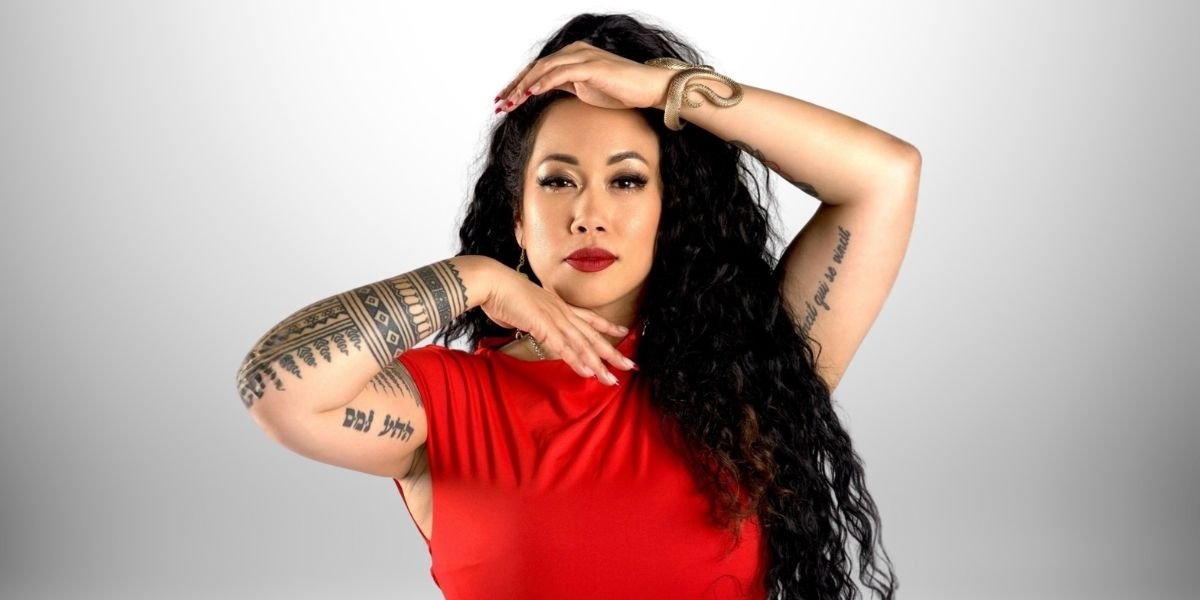
Aciela Kalmagambetova: Dominican Bachata Instructor Connecting Music, Culture, and Community

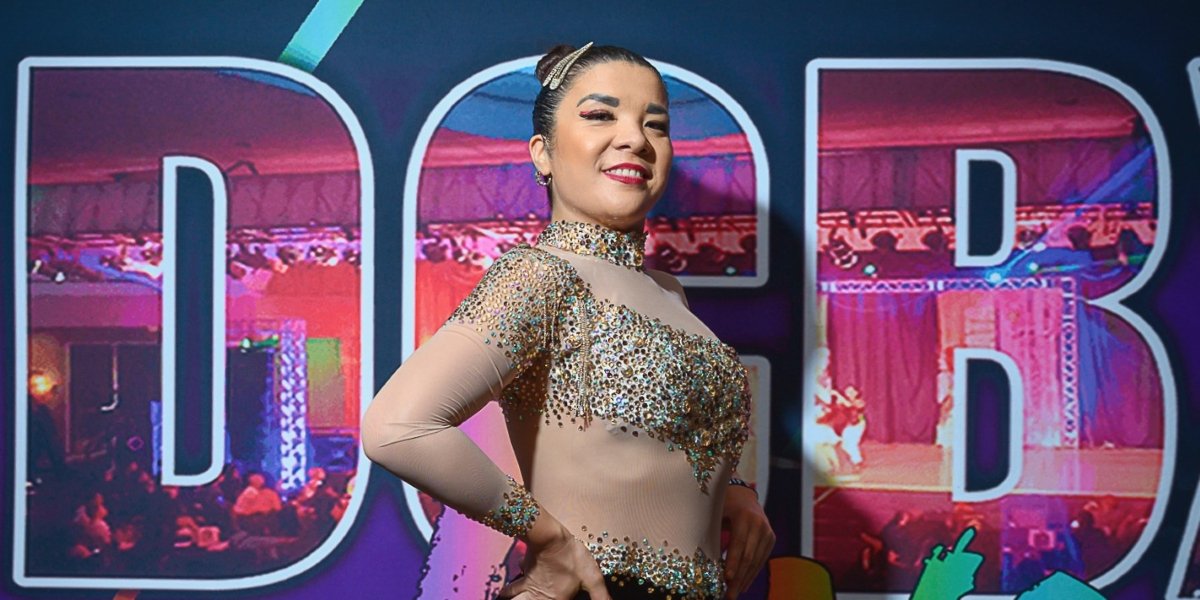
Some dancers begin with movement. Aciela began with music.
Long before stepping into Latin dance studios, she trained for seven years at a local music school in Aktau, Kazakhstan. She performed in a live ensemble, playing a traditional Kazakh instrument and appearing on stage at community events. That early discipline shaped her ear for rhythm and her understanding of performance.
Today, as a Dominican and traditional bachata instructor teaching across Washington D.C., Maryland, and Virginia, Aciela builds her entire method around one belief: music leads, and movement follows.
The Accidental Start That Became a Career
In 2011, a friend invited Aciela to join salsa classes with a Cuban instructor. The plan was simple. Try it for two months. See how it feels.
Her friend stopped. She did not.
What began as a casual commitment grew into structured training across multiple Latin styles, including salsa, bachata, merengue, tango, zouk, cha-cha, cumbia, and Afro-Cuban dances. Over time, Dominican bachata became her primary focus.
She did not approach bachata only as choreography. She studied its musical layers, cultural origins, and social function. That curiosity shaped the direction of her career.
Studying Bachata at Its Roots
Travel to the Dominican Republic and Cuba deepened her understanding of Latin dance traditions. Instead of limiting her training to formal workshops, Aciela attended local gatherings, danced with community members, and collaborated with musicians.
Dominican bachata developed as a social expression connected to storytelling and guitar-driven music. Its improvisational footwork reflects the rhythm patterns played live at neighborhood events.
International organizations such as UNESCO highlight the importance of safeguarding intangible cultural heritage, including music and dance traditions. Aciela integrates this perspective into her teaching by emphasizing historical awareness and respect for origin.
Her workshops may include analysis of bachata instruments, discussion of lyrical themes, and examples of how Dominicans dance socially. Students learn not only steps but also cultural context.
How Aciela Designs a Class
A typical class with Aciela follows a deliberate progression.
First comes structure. Clear breakdown of footwork. Body movement drills. Partner connection fundamentals. Musical timing.
Then comes interpretation. How does the guitar phrase change the energy? Where does the bass accent fall? How can emotion shift posture?
She completed Bachata Teacher Training Certification with Carlos Cinta in 2019 and further certification through Academic Network of Dance with Alex and Desiree in 2025. Ongoing training with international instructors remains part of her yearly routine.
Technology also plays a role. Video analysis, lighting setups, and recording tools allow her to review choreography and refine technique. Filming in different environments such as rooftops, parks, studios, and public spaces challenges adaptability and creativity.
Performance Record Across the United States
Since beginning to teach professionally in 2019, Aciela has performed and instructed at dance congresses and festivals in New York, Los Angeles, San Francisco, Las Vegas, Hawaii, Puerto Rico, Dallas, Denver, Ohio, Miami, Baltimore, and Washington D.C.
Her competitive milestones include:
- Gold Medal at the Ultimate Latin Dance Championship
- First place grand championship at Dancing with the Stars Maryland
- Third place at the San Francisco Bachata Congress Competition
- Third place at the Queer Afro-Latin Dance Festival Competition
While these achievements demonstrate technical consistency, they are not her primary measure of success.
Measuring Growth and Impact
Aciela evaluates her work using two guiding questions.
Is growth continuing?
Growth means refining technique, protecting physical health, and expanding creative expression. Strength training, stretching, and breathing exercises help maintain endurance and prevent injury. Continuous study of music and history keeps her approach evolving.
Is impact visible?
Impact appears in students who gain confidence. In beginners who once felt hesitant but now lead or follow comfortably on a social dance floor. In advanced dancers who discover their own movement voice instead of copying patterns.
Research from the World Health Organization notes connections between arts participation and emotional well-being. Many students describe feeling more connected and self-assured after consistent dance training.
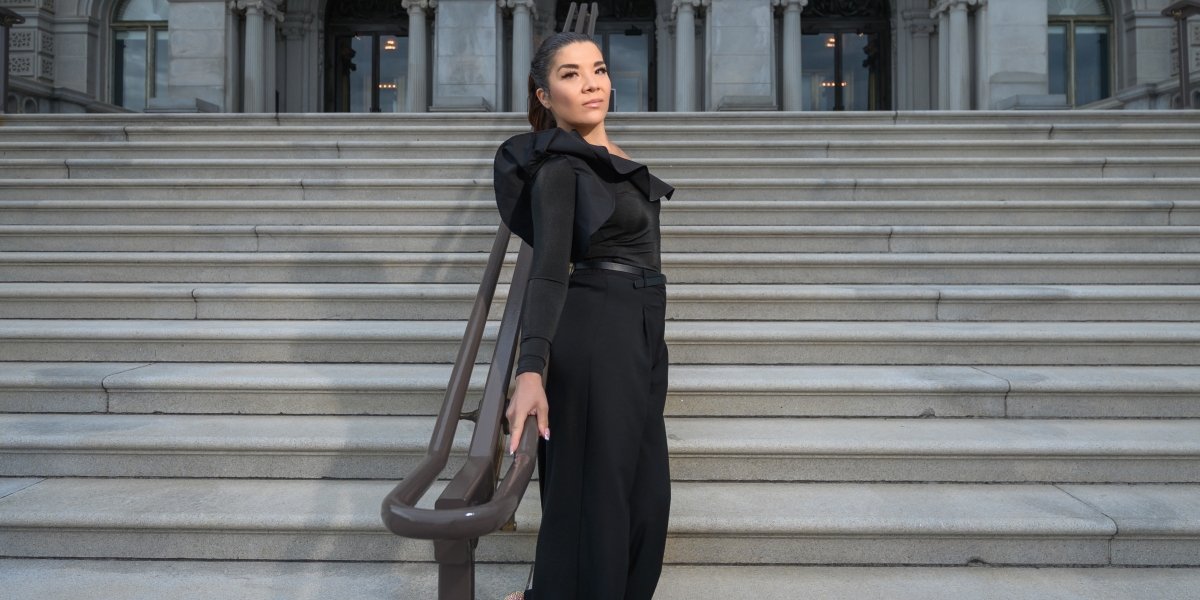
Photo Courtesy: Benjamin Huynh
Dance as Dialogue
Beyond technical instruction, Aciela views dance as communication.
She has choreographed projects addressing public health awareness and domestic violence prevention. She hosts fundraising dance events and facilitates open discussions with her partner to support survivors. In these settings, choreography becomes narrative.
Social dance remains central to her philosophy. Unlike performance-only formats, social bachata invites participation from diverse ages, professions, and backgrounds. Inclusion is not a slogan in her studio. It is a daily practice.
Students are encouraged to develop personal style. Creativity is cultivated, not imposed.
Training and Booking Information
Aciela teaches Dominican and traditional bachata throughout Washington D.C., Maryland, and Virginia. She also travels nationally to teach workshops and perform at festivals and congresses.
Official platforms:
Facebook: https://www.facebook.com/aciela.kalmagambetova
Instagram: https://www.instagram.com/aciela_k