Women's Journal

All‑Women Wrestling Event Honors Female Athletic Leadership

An upcoming all‑women wrestling event is set to showcase the growing influence and leadership of female athletes in the wrestling world. Scheduled for early 2026, the event will feature a diverse lineup of wrestlers from across the U.S., with a mix of singles matches, tag team bouts, and special exhibitions. The event aims to shine a light on the achievements of women in professional wrestling, providing a platform for both established stars and rising talent.

This showcase of strength and skill will highlight the incredible talent of women wrestlers who have been pivotal in shaping the current landscape of the sport. Organizers hope to create an exciting and competitive environment that allows these athletes to take center stage, demonstrating the increasing significance of female wrestlers in a historically male-dominated industry.

Expanding the Representation of Women in Wrestling

The event marks a milestone in the fight for gender equality in wrestling. Over the years, female wrestlers have faced limited opportunities compared to their male counterparts, but recent years have seen a shift. Promotions such as WWE, AEW, and others have begun featuring women’s matches as headline events. Matches like the WWE Royal Rumble and AEW’s women’s title matches have helped push women wrestlers into the spotlight, where they have been able to prove themselves as more than capable athletes.

This event will expand on that momentum by focusing solely on women in wrestling, ensuring that the athletes receive the recognition and respect they deserve. The range of talent, styles, and backgrounds will highlight the diversity of the women’s division, while offering fans the chance to see rising stars alongside seasoned veterans.

Diverse Talent Showcased Across Multiple Matches

The 2026 all-women wrestling event will feature a lineup that blends well-known wrestlers with emerging talent. The event will include singles matches as well as tag team bouts, with several special exhibitions designed to keep the audience engaged and excited. The show will give fans a chance to see women in wrestling demonstrating their skill, athleticism, and unique personalities both in and outside the ring.

Among the talent featured, you can expect performances from established stars who have made names for themselves in top promotions such as WWE and AEW, as well as new competitors looking to make an impact. The event promises to be a mix of high-action entertainment and emotional storytelling, with a focus on diverse voices and talent.

The Role of Wrestling in Empowering Female Athletes

Beyond the matches themselves, the event serves as an empowering platform for female athletes, helping to elevate the next generation of talent. Female wrestlers are increasingly being recognized for their athleticism, leadership, and storytelling ability in the ring. This event aims to showcase that wrestling is not just about physical strength, but about creating powerful narratives that resonate with fans.

For many women in wrestling, this event provides a rare opportunity to be the focus of the spotlight, illustrating the important role they play in the development of the sport. It also serves as a stepping stone for up-and-coming wrestlers, who will have the chance to be seen by a wider audience and potentially find new opportunities in the industry.

Community Engagement and Support for Women in Wrestling

In addition to the exciting matches, the event will offer community engagement opportunities. Workshops, panel discussions, and fan meet-and-greets are part of the programming, providing fans a chance to engage directly with the wrestlers. Topics will include athletic training, mentorship, and the journey to becoming a professional wrestler. This element underscores the importance of building a supportive community within the wrestling world, where athletes can inspire one another and share knowledge.

These activities will highlight the role of women in shaping the future of wrestling, focusing on leadership, resilience, and the contributions of female athletes who continue to break barriers in the industry. By providing these platforms for dialogue, the event emphasizes the power of representation and the importance of fostering connections between fans and wrestlers.

The Growing Influence of Women in Wrestling

This all‑women wrestling event reflects the growing importance of female athletes in the wrestling world. Over the last few years, female wrestlers have gained more visibility and respect, with mainstream wrestling promotions increasing their efforts to feature women’s matches prominently. This event provides an additional opportunity to celebrate their success and continue advancing women’s presence in the sport.

The growing presence of women in wrestling highlights the evolving nature of the industry. Female wrestlers are now able to headline major events, push boundaries in the ring, and challenge traditional expectations of what wrestling is and who can succeed in it. This event plays a crucial role in this shift, offering fans a chance to witness the future of wrestling while celebrating the women who have helped shape its current landscape.

A Landmark Moment for Women in Wrestling

The 2026 all-women wrestling event is a significant moment for the sport, showcasing the talent and leadership of women wrestlers who have earned their place in the industry. With an expanded lineup, diverse representation, and a focus on empowering athletes, the event serves as a celebration of strength, skill, and the undeniable contributions of women in wrestling.

As the industry continues to evolve, events like this pave the way for greater visibility and recognition for female athletes, ensuring that future generations of wrestlers will have the support and opportunities needed to succeed. Fans can look forward to an unforgettable event that will highlight the best of women’s wrestling, setting the stage for even more groundbreaking moments in the years to come.

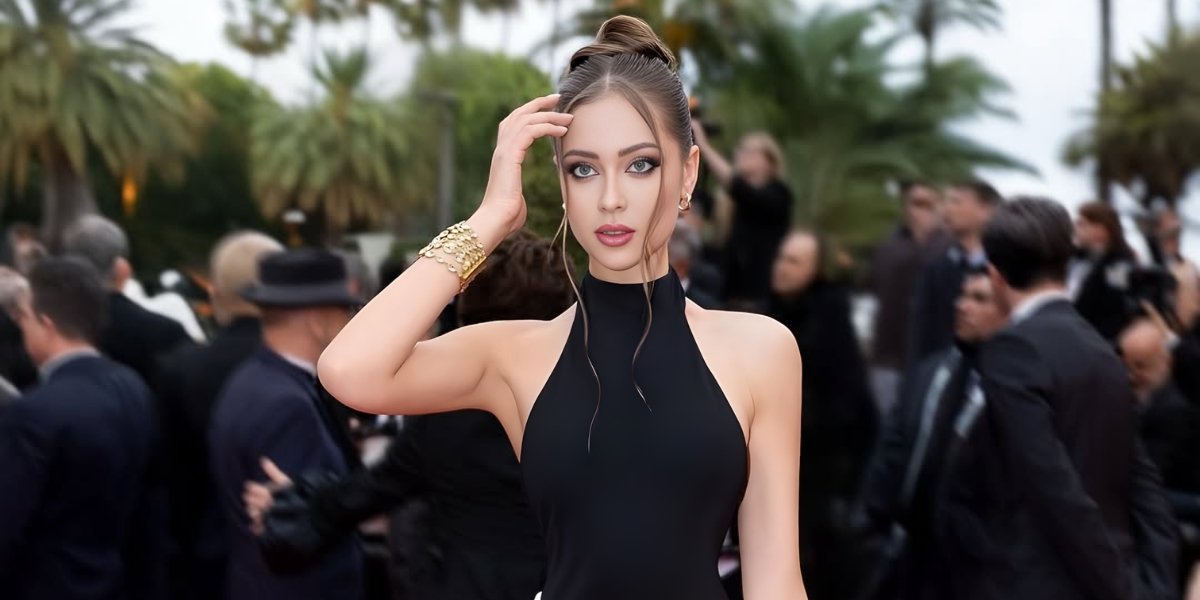
Anastasia Cramer Reflects on Her Cannes Red Carpet Debut Through Exclusive Behind-the-Scenes Imagery

Anastasia Cramer is looking back on a pivotal chapter in her fashion journey, sharing a curated selection of behind-the-scenes photographs from her debut appearance at last year’s Cannes Film Festival. The images offer a rare glimpse beyond the red carpet, capturing the moments of anticipation, focus, and quiet assurance that framed her entrance onto one of the world’s most prestigious stages.

The Cannes Film Festival occupies a singular place within global culture, where cinema and fashion intersect under an international spotlight. Each red carpet appearance becomes part of a larger visual narrative, documented and analyzed in real time. For Cramer, stepping onto the Cannes carpet was more than a ceremonial debut. It represented a moment of self-definition, shaped by intention and marked by a clear sense of identity.

At the center of the look was a gown that spoke through contrast. The upper structure presented a strong architectural presence, defined by precision and clarity. Its sculptural quality conveyed confidence and control, anchoring the silhouette with strength. Below, the fabric softened into fluid movement, flowing effortlessly with each step and introducing a sense of lightness. This dialogue between form and motion created a balanced composition that felt both commanding and graceful.

Anastasia Cramer Reflects on Her Cannes Red Carpet Debut Through Exclusive Behind-the-Scenes Imagery

Photo Courtesy: Anastasia Cramer

Rather than overshadowing the wearer, the design amplified her presence. The gown made posture, movement, and composure the focal points, reinforcing the idea that elegance often lies in restraint. In a setting known for visual excess, the look stood out through its refinement and thoughtful construction.

Styling choices were intentionally understated to support the gown without competing with it. Cramer wore her hair in a sleek, minimal bun, highlighting the clean lines of the neckline and shoulders. Subtle gold earrings added warmth and sophistication, offering a timeless accent that complemented the overall aesthetic. The result was an ensemble that felt cohesive, modern, and enduring.

The behind-the-scenes photographs reveal aspects of the red carpet experience rarely visible to the public. In these quiet moments, preparation replaces spectacle. Final fittings, small adjustments, and moments of stillness unfold before the cameras begin to flash. The images capture a sense of calm concentration, highlighting the discipline and intention behind the polished exterior.

Cannes debuts often exist at the intersection of pressure and possibility. For Cramer, the moment was approached with clarity rather than excess. The look avoided extremes, striking a balance that felt natural and self-assured. There was no sense of performance for its own sake, only a deliberate presentation aligned with her personal vision.

Anastasia Cramer Reflects on Her Cannes Red Carpet Debut Through Exclusive Behind-the-Scenes Imagery

Photo Courtesy: Anastasia Cramer

Looking back, Anastasia Cramer’s Cannes appearance stands as a defining fashion moment, not because it demanded attention, but because it earned it. In Schiaparelli, she presented a vision that was romantic yet powerful, refined yet expressive. The behind-the-scenes images serve as a reminder that the most memorable red carpet moments are shaped long before the spotlight appears. Long after the festival lights faded, the impression remains — measured, intentional, and unmistakably her own

Attorney Saul Bienenfeld on Navigating Modern Dating: “Clear Communication Is Your Best Legal Protection”

By: Stealth Marketing Solutions

In an exclusive conversation, criminal defense lawyer Saul Bienenfeld shares his perspective on consent, communication, and protecting yourself in today’s complex dating landscape.

Dating has always been complicated, but in 2026, the stakes may feel higher than ever. Between shifting social norms, evolving legal standards, and the permanent record of digital communication, a single misunderstanding could have significant consequences.

I sat down with Saul Bienenfeld, a criminal defense attorney who has represented clients in cases involving allegations of sexual misconduct, to discuss how people can navigate intimacy safely, ethically, and legally. What emerged was a conversation about building genuine connection in an age of anxiety.

“Most People Don’t Actually Understand What Consent Means”

Bienenfeld doesn’t mince words when it comes to the confusion surrounding consent. “I see it often in my practice,” he told me, leaning forward in his office chair. “People sometimes think consent is this simple yes-or-no question you ask once, and then you’re good to go. That’s not how it works, legally or ethically.”

He explained that modern consent laws in many jurisdictions have shifted to what’s called “affirmative consent,” meaning you need a clear, enthusiastic “yes,” not just the absence of “no.”

But more importantly, consent is ongoing.

“You can consent to kissing and not consent to anything further. You can consent to something one night and not the next. You can change your mind halfway through,” Bienenfeld emphasized. “And if someone is too intoxicated to communicate clearly, legally, they cannot consent to sex.”

When I asked him what he wishes everyone knew about consent, his answer was immediate: “That silence isn’t agreement. That body language matters. That if your partner seems disconnected or uncomfortable, you need to stop and check in. These go beyond legal technicalities to basic human decency.”

The Conversation No One Wants to Have (But Everyone Should)

One of the most striking parts of our conversation was when Bienenfeld addressed the elephant in the room: talking explicitly about sex before it happens.

“I know it feels awkward,” he acknowledged with a slight smile. “People worry it kills the mood or makes them seem inexperienced. But you know what’s more awkward? A criminal investigation. A lawsuit. Or worse, realizing you hurt someone you cared about because you made assumptions.”

He recommends having clear conversations about boundaries and expectations before intimacy escalates. Simple questions like “Are you comfortable with this?” or “Do you want to keep going?” could help prevent serious misunderstandings.

“The irony is that the people who have these conversations usually report better sexual experiences,” Bienenfeld notes. “When both people feel safe and heard, intimacy often improves. It’s not transactional, it’s about actual connection.”

He also stresses the importance of paying attention during intimate encounters. “Check in regularly, especially when things escalate. Watch for non-verbal cues. If someone stops actively participating or seems uncomfortable, stop immediately. Your partner’s comfort should always be more important than your ego.”

The Alcohol Question

When I brought up alcohol and dating, Bienenfeld’s expression became more serious.

“This is where I see the most problems,” he says. “People often don’t understand that intoxication can invalidate consent. If someone is heavily intoxicated – slurring words, stumbling, unable to communicate clearly – they may not legally be able to consent to sex.”

He paused before adding, “And here’s what people may not want to hear: if you’re both drunk and something happens, the legal system will still ask whether consent was present. ‘We were both drunk’ isn’t a defense if the other person was incapacitated.”

His advice is straightforward: if you or your partner have been drinking significantly, it may be wise to wait until you’re both sober. “I know that’s not what people want to hear when they’re out at a bar,” he admits. “But it’s the reality of the law, and more importantly, it’s the ethical thing to do.”

Protecting Yourself From False Allegations

When I asked Bienenfeld about false allegations, especially among young men – a topic that generates intense anxiety – he took a measured approach.

“False allegations are statistically rare,” he began. “The vast majority of sexual assault allegations are truthful. But false allegations do happen, and when they do, they can have serious consequences.”

So what can someone do to protect themselves?

“First, understand that the same behavior that could protect you legally is the same behavior that makes you a better partner,” Bienenfeld explained. “Communicate clearly. Respect boundaries. Pay attention to your partner’s comfort. If you’re doing those things, you’re reducing your risk.”

He does recommend being thoughtful about documentation. “Save text messages that show mutual interest and enthusiasm. If you have concerns about a particular encounter, follow up with a message like, ‘I had a great time last night. I hope you felt comfortable with everything.’ But never pressure someone to create ‘proof’ of consent because that itself can be coercive.”

Bienenfeld was quick to add an important caveat: “Documentation has limits. Prior friendly messages don’t establish consent for sexual activity. Consent happens in the moment. And messages can’t contradict what someone actually experienced.”

If someone is falsely accused, his advice is unequivocal: “Do not contact the accuser. Do not try to get them to recant. Do not post about it on social media. Call a criminal defense attorney immediately, before you talk to anyone, including the police. Document everything you remember while it’s fresh, but do not delete any communications, as that could be seen as destroying evidence.”

Red Flags and High-Risk Situations

Bienenfeld outlined several situations that carry a higher risk of miscommunication or allegations: “Power imbalances are huge,” he said. “Supervisor and employee, professor and student, coach and athlete – these relationships carry inherent coercion, even if both parties think they’re consenting. Many workplaces and schools prohibit them for good reason.”

He also flags first-time encounters with people you don’t know well, situations involving alcohol or substances, and any time someone is giving mixed signals or seems hesitant.

“In any of those situations, the wise move is to slow down, communicate more explicitly, or just wait,” he advises. “Yes, you might miss an opportunity. But you’ll also avoid potential trauma – for both of you, and serious legal consequences.”

The Bigger Picture

As our conversation was coming to an end, I asked Bienenfeld what he hopes people take away from his advice.

“I don’t want dating to become this fearful, legalistic transaction,” he said thoughtfully. “That’s not healthy either. What I want is for people to understand that the principles of good consent are the same principles of good relationships: communication, respect, attention to your partner’s needs and boundaries.”

He leaned back in his chair. “If you’re treating your partners as whole people whose comfort and autonomy matter as much as your own, you’ll probably be fine both legally and ethically. And you’ll likely have better relationships too.”

It’s advice that feels both pragmatic and deeply human. In a world that often treats dating as either a legal minefield or a free-for-all, Bienenfeld offers a third path: genuine connection built on mutual respect.

“At the end of the day,” he concluded, “the best protection is being someone who genuinely cares about their partner’s experience. Everything else follows from that.”

Saul Bienenfeld is a criminal defense attorney specializing in cases involving sexual misconduct allegations. This interview has been edited and condensed for clarity. The information provided is for educational purposes only and does not constitute legal advice.

Disclaimer: The information provided in this article is for general informational purposes only and is not intended as legal advice. For advice specific to your situation, please consult with a qualified attorney.