Women's Journal

The Emotional and Mental Health Benefits of Somatic Exercise

What Somatic Exercise Means

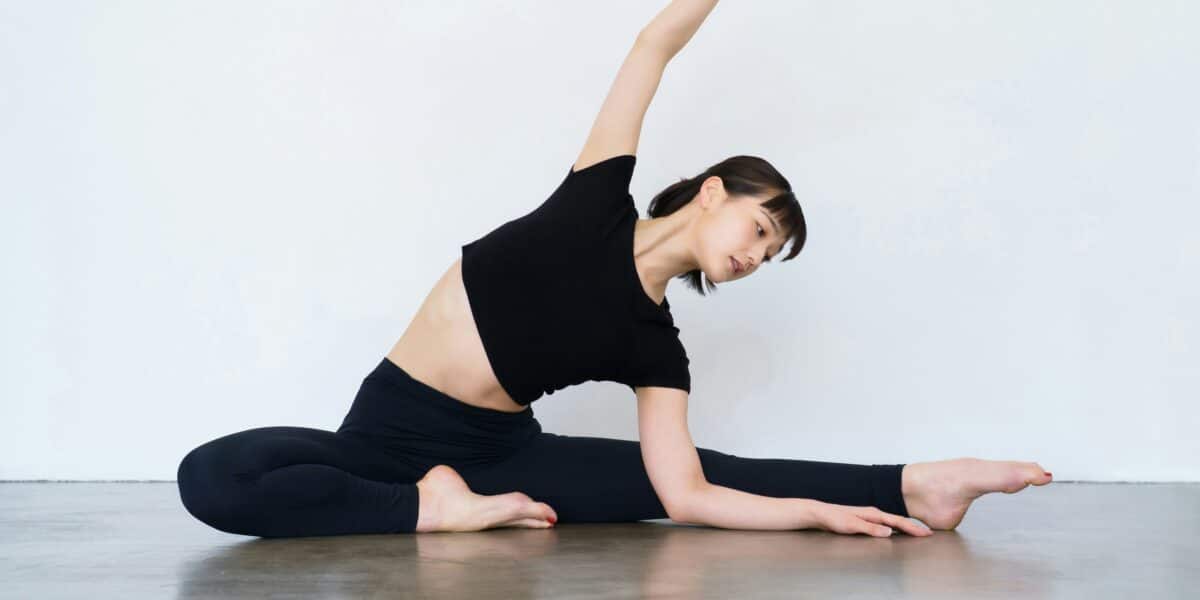
Somatic exercise refers to movement practices that emphasise awareness of internal body sensations. According to the Cleveland Clinic, somatic movement “doesn’t focus on form, goals or competition. It revolves around how your body feels.” (Cleveland Clinic)
In plain terms this means paying close attention to how the muscles, joints or breath feel while moving. It is less about reaching a target or performing perfect technique and more about what the body is experiencing.
For someone who may feel anxious, stressed or disconnected from their body, somatic exercise can offer a more gentle way to engage movement—one that encourages noticing rather than pushing. This can bring both emotional and mental-health benefits for women who carry many roles, stressors and responsibilities.


How Somatic Exercise Can Calm Nervous Responses

The nervous system plays a key role in how the body and mind respond to stress. Somatic practices aim to shift attention from habitual tension patterns to more regulated states of being. Research shows that a body-oriented approach called Somatic Experiencing, used for trauma and stress, had positive effects on “affective and somatic symptoms and measures of well‐being” in non-traumatised samples. (PMC)
For example, a woman might notice her shoulders tighten when she is anxious. Through slow, intentional movement or gentle awareness of that sensation, she may allow the shoulders to soften and the breath to ease. Over time, this can reduce the sense of being on high alert.
This does not replace mental-health care when needed, but it offers a practical, approachable tool. For women balancing career, family, or other demands, somatic movement can enable small but meaningful shifts in how the body and mind respond to pressure.


The Role Of Body Awareness In Emotional Regulation

Emotional regulation refers to how a person manages their feelings so they don’t feel overwhelmed. There is growing evidence that movement practices that emphasise internal awareness—what researchers call “interoceptive awareness”—can support this process.
In a relatable scenario, a woman may feel a “knot” in her stomach when worried. Through somatic exercise, she may learn to notice that knot, label it as tension rather than a looming threat, and respond with movement or breath to ease it. Over tim,e this process helps reduce the automatic reaction of anxiety or stress.
This kind of practice helps women build familiarity with their physical responses to emotion. When the body and brain are more accustomed to noticing sensations early, there may be more space to respond rather than react.


How Somatic Exercise Supports Mental Well-Being

Women often multitask and juggle demands. Somatic movement offers a way to engage the body and mind together, supporting mental well-being in several ways.
First, it offers a non-judgmental way to move. Unlike high-intensity exercise that may feel like a task, somatic exercise asks “how does this feel?” rather than “how many reps?” The article in Verywell Health notes that somatic exercise prioritises internal awareness and may “lower stress and anxiety” by helping the body release emotional tension. (Prevention)
Second, by practising movement that emphasises internal experience, women may become more attuned to their mental-health signals—such as fatigue, mood shifts, or tension. Awareness supports earlier recognition of stress or emotional unease.
Third, movement itself impacts the brain and body in ways that support mental health. While research is still developing, exercise more broadly has been associated with improved mood, better sleep, and reduced anxiety. Somatic practice may offer a gentle entry point for women who feel fatigued or intimidated by more intense workouts.


Practical Ways Women Can Try Somatic Exercise

Women may feel uncertain or cautious about starting a new movement practice. Somatic exercise can fit into everyday life with small adjustments.
Begin with a short session: for example, 5 minutes of sitting or lying down, noticing the breath, then slowly moving fingers, toes, and shoulders. The Johns Hopkins Medicine’s “somatic shorts” concept describes busy people using short movement sessions to reconnect with their bodies.
Choose familiar settings: a living room, bedroom or quiet corner of a home or office. Wear something comfortable. The goal is to move gently and attend to internal sensations—such as how the feet feel on the floor, how the shoulders soften, or how the breath flows in and out.
Women may also consider guided sessions: online videos labelled “somatic movement,” or classes in yoga or body-awareness that focus on sensation rather than performance. The key is patience and kindness to the body. Progress is gradual, and that is normal.


When Somatic Exercise Feels Difficult

Some women may encounter challenges: movement may stir up emotions, tightness may feel uncomfortable, or there may be uncertainty about what “bodily awareness” means. These responses are understandable and not a sign that the practice is wrong.
If movement brings up strong emotions or sensations, pausing, slowing, or returning to breath may help. Because somatic practice invites awareness of body and mind, tension or emotion may reveal itself more clearly than expected. That can be unsettling.
If there are major mental-health concerns—like persistent anxiety, depression or trauma—somatic exercise should be seen as part of a broader support structure. It does not replace professional care. However it can provide a gentle companion to more formal therapy or support.


What To Expect Over Time

Over time women who engage in somatic exercise often report a deeper sense of connection with their body, glimmers of clarity when emotions arise, and more gentle self-care habits. These changes don’t happen overnight.
For instance a woman managing a demanding job may start by doing two short somatic sessions a week. After a month she may notice she recognises the tension building in her neck earlier, and chooses a movement or breath pause. After several months the practice may help her feel more resilient, more centred in busy moments.
The important point is consistency rather than intensity. A few minutes of regular-movement awareness may yield more benefit than occasional high-effort workouts. For women seeking emotional-and-mental health support, somatic exercise offers a manageable, approachable route to greater self-understanding and gentle wellness.

Beauty Filters on Social Media Are Quietly Reshaping Youth Mental Health

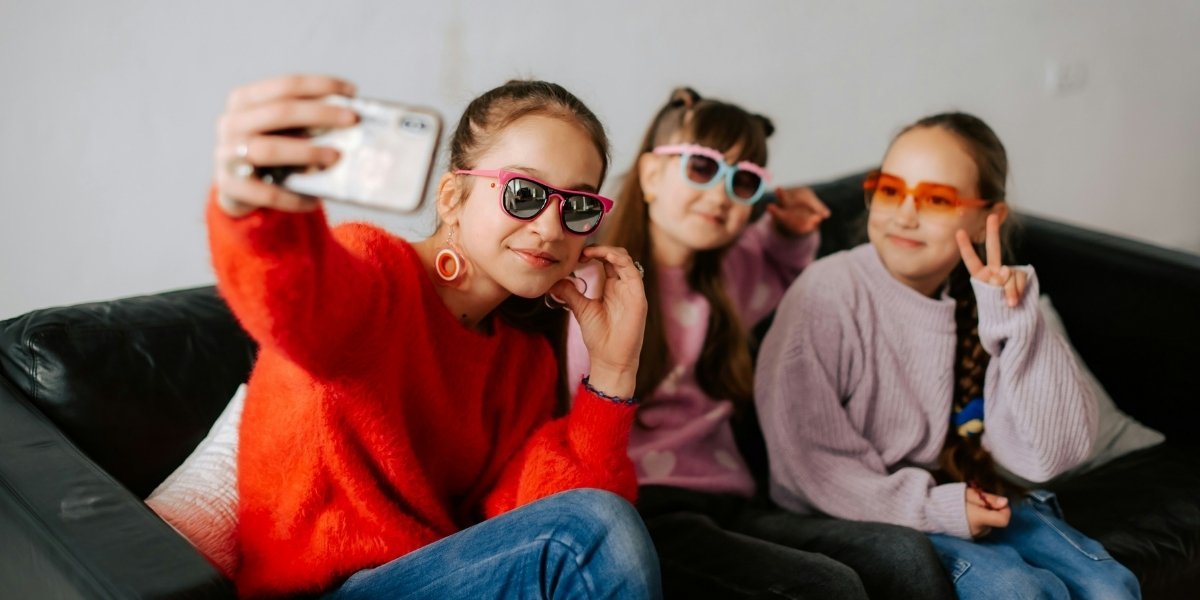
Social media platforms have become the modern mirrors for millions of young people, offering a version of themselves that is often altered by beauty filters. These filters, which smooth skin, sharpen jawlines, and brighten eyes, create a “perfect” image that rarely exists offline. While these filters might seem harmless or fun, recent studies are uncovering a deeper psychological impact, especially on the mental well-being of young users.

Experts are now raising concerns that filtered selfies are more damaging than the images we see of others online. Adolescents, particularly teenage girls, report heightened levels of anxiety, self-doubt, and body image concerns after posting filtered photos. The phenomenon of “Instagram Face” has become a standard, shaping how young people view themselves, setting a beauty bar that is difficult to achieve in the real world.

With the growing use of beauty filters, one pressing question remains: How will these altered standards of beauty impact youth mental health long term? And with a generation growing up in a digital world, will these beauty ideals continue to influence self-perception in ways that reshape mental health?

Section 1: The Impact of Beauty Filters on Self-Perception

Beauty filters are designed to enhance our appearance quickly, often making subtle changes that feel natural. They can smooth out blemishes, slim faces, and adjust facial proportions, giving users an image of perfection in seconds. While these filters can feel empowering in the moment, they create a significant gap between online identity and reality.

This gap can lead to body dysmorphia, a psychological condition where individuals obsess over perceived flaws in their appearance. Filters, when used regularly, can make the “unfiltered” self feel inadequate. This can cause cycles of anxiety and low self-esteem, particularly in adolescents still forming their sense of identity. For young people, whose self-image is often in flux, these changes can have a lasting impact.

As beauty filters become a normalized part of daily life on social media, they are no longer just tools for enhancing images, they’re influencing beauty norms in ways that are creating pressure for authenticity and realness. What once seemed like harmless fun is now contributing to a shift in how young people approach their appearance both online and offline.

The Rise of Filter Use Among Youth

For many teenagers, beauty filters are no longer an occasional tool, but an integral part of social media culture. In fact, 90% of young women report using filters before posting photos online, according to a recent study from 2025. This shows just how deeply embedded filters are in daily digital interactions.

While filters give young users a sense of control over their appearance, they also set a beauty standard that is nearly impossible to replicate in the real world. Over time, this can lead to feelings of inadequacy, especially when comparing the filtered perfection of photos to unfiltered reality. Adolescents are often left wondering why they can’t live up to the digital ideal that has become the norm.

As youth continue to grow up in a world where digital beauty is often the default, the big question is: How will they adapt? Will they reject filters and embrace authenticity, or will these filtered ideals continue to shape what’s considered “beautiful” in their eyes?

The Mental Health Effects of Beauty Filters

The psychological toll of beauty filters is becoming harder to ignore. Studies have shown that filter use is linked to increased anxiety, depression, and even disordered eating behaviors in young users. The constant exposure to altered images creates unrealistic standards, making young people internalize these ideals as achievable.

The real problem, however, is the gradual impact filters have on mental health. Unlike direct bullying or criticism, the effects of filters are subtle and accumulate over time. As young users see themselves repeatedly through the lens of a filter, they begin to develop distorted views of their appearance. This influence makes it harder to detect the emotional harm until issues like low self-esteem or body dysmorphia begin to emerge.

The quiet nature of this harm is one of its most insidious aspects. Filters might not seem overtly damaging at first glance, but the long-term effects on mental health and self-image are becoming increasingly evident.

Social Media Platforms and Their Role

Social media platforms like Instagram, TikTok, and Snapchat play a huge role in the spread of beauty filters. These apps offer a wide range of filters that encourage users to alter their appearance, while also pushing the idea that a certain level of digital enhancement is expected for engagement and popularity.

Critics argue that platforms should take responsibility for educating users about the potential harms of filters. Some suggest introducing transparency features to show when a photo has been altered or implementing age restrictions to prevent young users from being influenced by these distorted standards. Such measures could help reduce the pressure to conform to unrealistic beauty ideals online.

Should platforms like Instagram and TikTok be held more accountable for the mental health impact caused by beauty filters? Or is it up to users and families to manage their digital habits? This debate continues to evolve, as the impact of digital beauty standards becomes more apparent.

Shifting Standards of Beauty and Identity

Beauty filters are not just changing how people present themselves online, they’re reshaping the very idea of beauty. The rise of “Instagram Face”—with flawless skin, symmetrical features, and high cheekbones, has created a homogenized beauty ideal that crosses cultural and geographic boundaries.

Beauty Filters on Social Media Are Quietly Reshaping Youth Mental Health

Photo Credit: Unsplash.com

This trend raises important questions about individuality and diversity. If filters continue to push everyone toward the same idealized look, what happens to the celebration of natural beauty and uniqueness? For many young people, this is a real issue, especially for those who feel they don’t match the digital ideal.

As beauty standards become more rigid and digitally defined, the conversation about the impact on diversity and authenticity in youth culture is gaining momentum. Filters are influencing not just beauty, but fashion trends, cosmetic surgery, and even workplace expectations, further entrenching the idea that perfection is attainable through digital enhancement.

Building Digital Literacy and Resilience

Experts agree that digital literacy is key to mitigating the harmful effects of beauty filters. Teaching young people how to recognize the difference between filtered and unfiltered images can help reduce the pressure to conform to unrealistic beauty standards. Schools, parents, and communities all have a role in fostering this literacy and encouraging self-acceptance in the face of digital perfection.

Movements like filter-free challenges, where users post authentic photos without any alterations, are becoming increasingly popular. These challenges are a growing form of resistance against the pressure to conform to digital beauty standards. While these movements are still small, they represent a cultural shift toward valuing authenticity and promoting self-confidence without relying on digital enhancements.

The big question is whether these movements will grow into mainstream culture, or whether filters will continue to dominate how beauty is defined online. As young people continue to push back against unrealistic beauty standards, the future of digital beauty may take a different shape.

The Road Ahead for Youth and Mental Health

As the influence of beauty filters continues to grow, it’s crucial to acknowledge their impact on youth mental health. The growing body of research on filter use will help shape our understanding of how these filters affect self-image, body confidence, and overall mental well-being. However, platforms, policymakers, and educators will need to collaborate to ensure that youth are equipped with the tools to navigate a world where digital beauty is increasingly the norm.

To prevent further harm, we must strike a balance between allowing digital creativity and protecting the mental health of young users. Filters may not be inherently harmful, but when unchecked, they can create unrealistic standards that take a toll on mental health over time. Finding ways to enjoy the creativity of digital tools without sacrificing well-being will be a challenge moving forward.

Ultimately, this issue is about more than just filters, it’s about how we define beauty, self-worth, and authenticity in the digital age. As we continue to reshape these definitions, the key question is whether we can foster a culture of acceptance and resilience, rather than one based on digital perfection.

Why Sunscreen is Crucial Every Month, Not Just Summer

Sun Exposure Beyond Summer

Many people associate sunscreen with summer holidays or beach trips, but ultraviolet (UV) radiation is present throughout the year. Even on cloudy days, up to 80 percent of UV rays can penetrate the skin, according to the Skin Cancer Foundation. This means that exposure continues during colder months when the sun feels less intense.

Snow and reflective surfaces can also increase UV exposure. During winter, snow reflects up to 85 percent of UV rays, which can intensify their effect on the skin. This is why dermatologists recommend sunscreen not only in summer but also during outdoor winter activities.

The misconception that sunscreen is only necessary in hot weather leaves many women unprotected for much of the year. As About Face Skin Care explains, daily sunscreen use is one of the simplest ways to reduce long-term skin damage and maintain healthy skin.

The Link Between Sunscreen and Skin Health

Sunscreen protects against both UVA and UVB rays. UVA rays penetrate deeper into the skin and contribute to premature aging, while UVB rays are the main cause of sunburn. Both types of radiation increase the risk of skin cancer. Regular sunscreen use helps reduce these risks by creating a protective barrier.

For women concerned about fine lines, wrinkles, or uneven pigmentation, sunscreen is a practical preventive measure. Studies show that consistent use can slow visible signs of aging by protecting collagen and preventing sunspots. This aligns with advice shared in Healthy Skin: Natural Skincare Tips for Women, which emphasizes prevention as a key part of long-term skin care.

Sunscreen also supports skin health across different tones and types. While darker skin has more natural melanin, which offers some protection, it is not immune to UV damage. Experts stress that all women, regardless of skin tone, benefit from daily protection.

Everyday Scenarios That Require Sunscreen

Many women underestimate how often they are exposed to UV rays. Walking to work, sitting near a window, or driving can all contribute to cumulative sun exposure. Glass blocks most UVB rays but allows UVA rays to pass through, which means skin can still be affected indoors or in cars.

Office workers who spend much of their day inside may assume they don’t need sunscreen. However, dermatologists note that incidental exposure adds up over time. Applying sunscreen in the morning ensures protection during these unplanned exposures.

Outdoor exercise is another common scenario. Whether running, cycling, or practicing yoga in the park, women are exposed to direct sunlight. Pairing sunscreen with routines that support balance and calm, such as those described in Nurturing Your Skin Through Every Stage of Life, helps create a holistic approach to wellness.

Addressing Common Concerns About Sunscreen

Some women worry that sunscreen will clog pores or feel heavy on the skin. Modern formulations address these concerns by offering lightweight, non-comedogenic options suitable for daily use. Many products also include moisturizing ingredients, making them easier to integrate into skincare routines.

Another concern is whether sunscreen interferes with vitamin D production. Experts, including the American Academy of Dermatology, explain that most people can maintain adequate vitamin D levels through diet and short periods of incidental sun exposure. Sunscreen does not eliminate vitamin D production but helps prevent harmful overexposure.

Cost and convenience are also factors. Affordable options are widely available, and many moisturizers and cosmetics now include SPF. This makes it easier for women to incorporate sun protection into their daily routines without adding extra steps.

Long-Term Benefits of Consistent Use

The benefits of sunscreen extend beyond immediate protection. Long-term use reduces the risk of skin cancer, which remains one of the most common cancers among women. It also helps maintain even skin tone and texture, supporting confidence and comfort.

Sunscreen use is particularly important during hormonal changes, such as pregnancy or menopause, when skin may become more sensitive to pigmentation. Protecting the skin during these stages helps reduce the likelihood of lasting discoloration.

By making sunscreen a daily habit, women can support both health and appearance. It is a small step with significant long-term impact, reinforcing the idea that prevention is more effective than treatment.


Internal Links Used
Healthy Skin: Natural Skincare Tips for Women

Healthy Skin: Natural Skincare Tips for Women


Nurturing Your Skin Through Every Stage of Life

Nurturing Your Skin Through Every Stage of Life

What Is Bakuchiol Cream and How Does It Work?

Bakuchiol cream has become a topic of interest in skincare conversations for its gentle, plant-based properties and similarity to retinol. Derived from the seeds of the Psoralea corylifolia plant, bakuchiol offers a natural approach to improving skin texture and reducing the appearance of fine lines without the irritation sometimes linked to synthetic ingredients.

Unlike retinol, which can cause dryness or redness for certain users, bakuchiol is known for being milder while still encouraging skin renewal. It has drawn attention from dermatologists and consumers looking for effective anti-aging options that align with sensitive-skin care routines.

Understanding how bakuchiol works requires a look at its origins, its effects on skin cells, and why it’s gaining popularity among those who value both results and comfort.


Where Bakuchiol Comes From

Bakuchiol is extracted from the seeds and leaves of Psoralea corylifolia, a plant traditionally used in Ayurvedic and Chinese medicine. Historically, it has been used for its soothing and antioxidant properties. Modern skincare research has adapted this botanical extract into creams and serums that aim to improve the skin’s appearance through natural compounds.

The growing interest in plant-based skincare has positioned bakuchiol as a noteworthy alternative to synthetic actives. Its natural origin appeals to people seeking gentler formulations that still address concerns like uneven skin tone or texture.

While bakuchiol’s use in skincare is relatively new, the plant it comes from has been studied for decades for its healing potential. Its transformation from a traditional remedy to a modern skincare ingredient reflects a broader trend toward combining natural ingredients with scientific testing.


How Bakuchiol Affects The Skin

Bakuchiol works by signaling skin cells to produce collagen, the protein responsible for firmness and elasticity. It also supports the turnover of surface cells, helping skin appear smoother and more even. These effects are similar to those achieved with retinol but without the same likelihood of dryness or flaking.

Research suggests that bakuchiol helps improve fine lines and pigmentation by supporting cell renewal at a gradual, controlled pace. This process encourages new, healthy skin cells to replace older ones, which can reduce dullness and uneven texture over time.

In addition to its renewing properties, bakuchiol has antioxidant effects that help neutralize environmental stressors such as pollution and UV exposure. This dual action—stimulating repair while protecting from further damage—makes it suitable for daily use in most skin-care routines.


Why It’s Compared To Retinol

Retinol, a derivative of vitamin A, has long been used to treat signs of aging and improve skin tone. However, its strength can lead to irritation, redness, or peeling, especially for people with sensitive skin. Bakuchiol has been studied for producing similar results without those side effects.

Although bakuchiol doesn’t contain vitamin A, it interacts with skin receptors in a comparable way, encouraging collagen production and reducing uneven pigmentation. Because it’s non-acidic, it tends to be less disruptive to the skin barrier, making it a safer option for those who can’t tolerate retinoids.

This gentler approach has made bakuchiol appealing to users who prefer gradual, balanced improvements. Dermatologists often describe it as a complementary or alternative treatment rather than a replacement, depending on individual needs and skin types.


How Bakuchiol Cream Is Used

Bakuchiol creams are typically applied once or twice daily, depending on formulation and skin sensitivity. Most users apply a thin layer after cleansing and before moisturizing. Some formulations combine bakuchiol with hydrating ingredients like squalane or hyaluronic acid to enhance comfort and absorption.

Because bakuchiol doesn’t make skin more sensitive to sunlight, it can be used during the day or night. This flexibility allows it to fit into different routines, unlike retinol, which is generally reserved for nighttime use.

For people beginning a new skincare routine, introducing bakuchiol gradually helps the skin adjust. Consistent use over several weeks supports visible improvements, though results vary based on age, skin type, and environmental factors.


The Role Of Antioxidants And Skin Protection

Beyond its cell-renewing properties, bakuchiol acts as an antioxidant. Antioxidants protect skin from free radicals—unstable molecules that can damage cells and accelerate aging. Exposure to pollution, ultraviolet rays, and stress increases these free radicals, making protective ingredients important in daily care.

Bakuchiol’s antioxidant effect supports the skin’s natural repair processes and helps maintain moisture balance. It contributes to a stronger barrier function, which prevents dehydration and shields against external irritants.

By promoting resilience rather than aggressive exfoliation, bakuchiol helps skin recover from environmental stress without triggering sensitivity. This balance between renewal and protection is what sets it apart from more intensive treatments.


Who Can Benefit From Bakuchiol Cream

Bakuchiol suits a wide range of skin types, including sensitive and mature skin. People with dryness, uneven tone, or early signs of aging often use it to improve texture and maintain a healthy glow. Because it doesn’t typically cause irritation, it’s also suitable for those who’ve had difficulty tolerating stronger ingredients.

Individuals with oily or acne-prone skin may also benefit from bakuchiol’s balancing properties. Its mild anti-inflammatory effect helps calm irritation while supporting cell turnover, which can minimize blocked pores and improve clarity.

For people beginning to explore anti-aging products, bakuchiol offers a gentle introduction. It supports the skin’s renewal process without overwhelming it, helping maintain comfort while gradually improving appearance.


Combining Bakuchiol With Other Skincare Ingredients

Bakuchiol pairs well with many common skincare ingredients, which makes it versatile in daily use. It complements moisturizers, peptides, and vitamin C formulations without reducing their effectiveness. Many users combine it with sunscreen during the day for enhanced protection against premature aging.

When paired with hydrating compounds, bakuchiol enhances moisture retention and supports a smoother skin surface. Some formulations also include botanical extracts that strengthen the product’s antioxidant profile, offering a more comprehensive approach to care.

Because it’s generally non-irritating, bakuchiol can be layered with other active ingredients more safely than traditional retinoids. This flexibility allows individuals to personalize their routines according to their specific needs.


Research And Growing Interest

Scientific studies continue to explore bakuchiol’s long-term benefits. Early clinical research shows promising outcomes in reducing wrinkles and improving elasticity. Dermatologists are also studying how it interacts with different skin types and whether it can enhance the effects of other ingredients.

Consumer interest in plant-based skincare has accelerated research and product development. Brands have expanded formulations that use bakuchiol to meet demand for natural, effective alternatives. As awareness spreads, bakuchiol may become a standard option for those seeking balanced, low-irritation skincare.

Ongoing testing helps ensure that bakuchiol creams meet safety standards and provide consistent results. Continued scientific review supports its growing reputation as a trusted ingredient for skin renewal.


Choosing Products With Bakuchiol

When selecting a bakuchiol cream, formulation quality matters. Concentration levels typically range between 0.5% and 2%, with most users finding that moderate concentrations offer visible results without irritation.

It’s also important to consider supporting ingredients. Creams that combine bakuchiol with moisturizing or soothing compounds can improve texture and comfort. Clear labeling and third-party testing give consumers confidence in safety and efficacy.

While bakuchiol is suitable for most people, anyone with specific skin conditions or allergies should check ingredients carefully or consult a dermatologist before adding new products to their routine.


Why Bakuchiol Reflects A Shift Toward Gentle Skincare

The growing popularity of bakuchiol reflects a broader trend toward gentle, sustainable skincare. Consumers are becoming more aware of how harsh products affect both skin and environment. Ingredients that provide results without discomfort or overexposure to chemicals fit this shift toward balance.

Bakuchiol represents a bridge between natural remedies and modern dermatology. It demonstrates that effective skincare doesn’t have to rely on strong synthetic compounds to achieve results. Instead, it promotes gradual improvement through consistent care.

As understanding of skin biology deepens, products like bakuchiol cream remind users that health, comfort, and confidence can align naturally within one routine.

Breaking Free from the Beauty Trap: How Body Image Pressure Harms Women

Body image pressure touches nearly every aspect of women’s lives. From early adolescence to adulthood, many women experience expectations about how they should look and behave based on narrow standards of beauty. These standards are reinforced by media, advertising, and social platforms that reward appearance-based validation. While beauty ideals change over time, the emotional and psychological effects they cause remain consistent—creating stress, insecurity, and distorted self-worth.

This pressure doesn’t emerge in isolation. It stems from cultural values, social conditioning, and a global beauty industry worth billions. Understanding how these forces shape perceptions of worth can help women, families, and communities support healthier relationships with body image.

The Influence Of Media And Advertising

Television, magazines, and digital platforms continue to shape how women see themselves. Ads often promote a single image of beauty—thin, youthful, and symmetrical—while editing tools erase imperfections to create unrealistic portrayals. These images set unattainable goals that affect self-esteem, particularly among younger audiences still forming their sense of identity.

Photo Credit: Unsplash.com

The rise of social media deepened this challenge. Platforms designed to connect people have turned into spaces of comparison, where filters and editing apps amplify perceived flaws. Studies from organizations like the American Psychological Association show a consistent link between image-heavy content and body dissatisfaction among women. These platforms reward appearance-focused content with higher engagement, reinforcing a feedback loop of self-scrutiny.

Media literacy plays a crucial role in breaking this cycle. Recognizing that images are curated or digitally altered helps viewers maintain perspective. It allows women to consume content critically instead of internalizing unrealistic ideals. Balanced representation in advertising—featuring diverse body types, ages, and ethnicities—also helps redefine what beauty looks like in everyday life.

Cultural Expectations And Gender Roles

Beauty standards don’t exist outside culture. Across generations, women have faced expectations that tie appearance to social value or morality. Physical attractiveness often becomes a measure of worth, influencing career opportunities, romantic relationships, and even perceptions of competence. These biases remain subtle but persistent, affecting how women are treated both personally and professionally.

Cultural conditioning starts early. Girls often receive praise for being “pretty” more than for being curious or strong, shaping how they view their value. Over time, this focus can make appearance feel like the primary source of approval. The effect extends into adulthood, where professional environments may still place higher importance on grooming and dress for women than for men.

These patterns create an invisible pressure to conform. Women who don’t meet conventional beauty standards may experience exclusion or discrimination, while those who do often feel pressure to maintain it. Recognizing beauty standards as social constructs—not personal failures—helps shift the conversation toward self-acceptance and equality.

The Psychological Impact Of Beauty Pressure

Body image pressure affects mental health in measurable ways. It can lead to anxiety, depression, disordered eating, and chronic dissatisfaction. These effects aren’t limited to young women; middle-aged and older women also report feeling judged by appearance-related standards that rarely reflect reality. The constant pressure to “look youthful” or “stay fit” reinforces the idea that beauty diminishes with age.

Social comparison often drives these feelings. Women compare themselves to peers or media figures, measuring worth against filtered images that don’t reflect real life. This cycle of comparison can create emotional exhaustion, leading to avoidance behaviors such as social withdrawal or compulsive exercise.

Therapists and researchers often encourage self-compassion and mindfulness as tools to counteract body image stress. These practices help shift focus from appearance to overall well-being. Reframing body image as part of a broader sense of health—rather than a source of judgment—creates space for emotional recovery and resilience.

Redefining Beauty Through Representation

Representation has a powerful role in changing perception. When women see themselves reflected authentically in media, it challenges outdated ideals and encourages confidence. Campaigns featuring models of varied shapes, sizes, and backgrounds have started reshaping mainstream beauty conversations, helping to normalize diversity.

Cultural movements toward inclusivity—whether through fashion, film, or social media—contribute to a broader understanding of beauty. Women who share unfiltered photos or speak openly about body image challenges help others feel less isolated. This shared transparency builds community and solidarity, transforming beauty into a shared experience rather than a competitive pursuit.

Businesses also influence this change. Brands that promote realistic imagery and prioritize ethical advertising can reduce harm caused by comparison-driven marketing. Efforts toward authentic representation not only improve mental well-being but also reflect real consumer diversity.

Building A Healthier Relationship With Body Image

Body confidence isn’t about ignoring appearance—it’s about redefining what it means to feel comfortable in one’s own skin. Small steps, such as limiting time on social media or curating online feeds to include positive and diverse voices, make a difference. Practicing gratitude for what the body can do, rather than how it looks, strengthens appreciation and self-trust.

Support systems play a vital role as well. Conversations among friends, family, or within workplaces about body acceptance normalize diverse appearances. Schools that integrate self-esteem programs or media education help younger generations develop resilience early on.

Over time, shifting collective focus from external validation to self-acceptance can change how women see themselves. It reminds them that beauty isn’t a competition or a standard to meet—it’s a reflection of individuality, experience, and well-being.