Women's Journal

Running Tips for Women: Improve Your Pace and Footwork

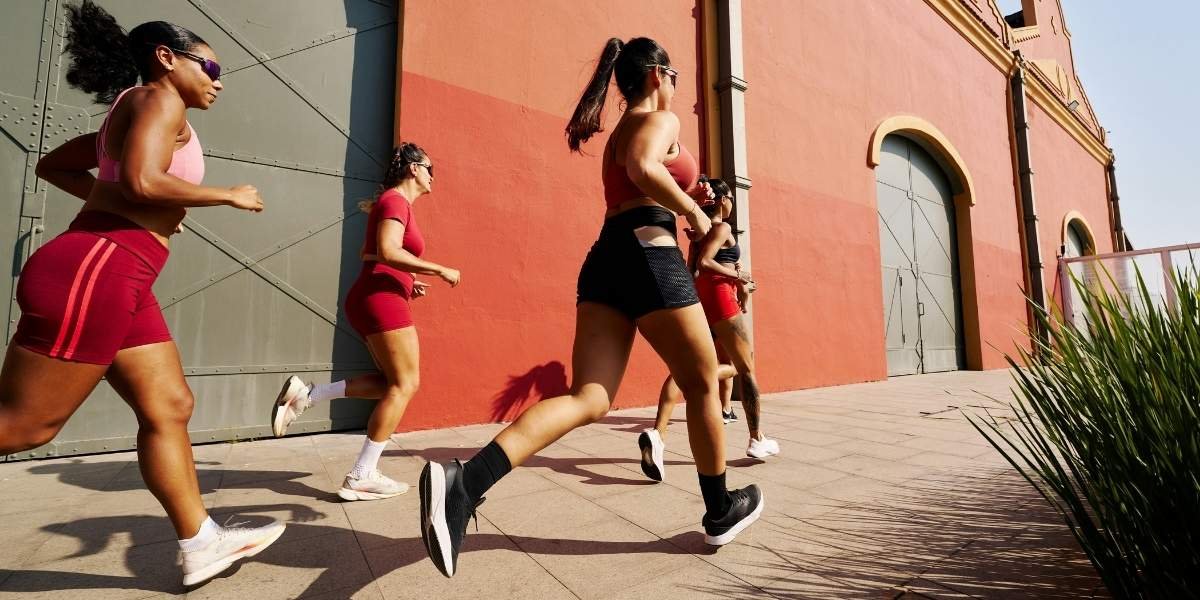
Essential running tips for improving performance and athletic longevity

Developing a consistent athletic routine requires more than just high motivation; it demands a strategic approach to physical mechanics. Many individuals begin their journey with great enthusiasm only to find that their progress stalls due to a lack of structured running tips to guide their movements. When the body is pushed without a focus on efficiency, the risk of fatigue and injury increases significantly. Understanding the foundational elements of stride and rhythm is the first step toward transforming a simple exercise into a high-performance habit.

The path to better endurance often involves a deep dive into the biomechanics of how the body moves through space. By focusing on the relationship between breathing and footwork, a person can unlock a level of efficiency that makes long distances feel more manageable. Most people find that minor adjustments to their posture and arm swing can have a massive impact on their overall speed and comfort. These subtle shifts in form are what allow a runner to transition from a struggle against the pavement to a smooth and fluid motion.

Proper preparation also extends to the mental side of the sport, where focus and determination play a vital role in overcoming plateaus. Setting clear milestones and tracking data helps to provide a sense of direction when the initial excitement begins to fade. It is also important to listen to the body’s signals to avoid the common pitfalls of overtraining and burnout. By integrating these comprehensive running tips into every session, a person can build a solid foundation for a lifetime of health and physical achievement.

Mastering footwork and cadence through proven running tips

Footwork is the most basic component of every stride, yet it is often the most misunderstood part of the entire process. Many beginners unknowingly use a heavy heel-strike, which acts as a brake against forward momentum and puts unnecessary strain on the lower joints. Shifting toward a midfoot strike is one of the most effective running tips for those looking to improve their efficiency and protect their knees. This landing style allows the foot to absorb impact more naturally and creates a smoother transition into the next step.

Cadence, or the number of steps taken per minute, is another critical factor in maintaining a sustainable and fast-paced rhythm. Increasing the frequency of steps while slightly shortening the length of each stride helps to keep the feet landing directly under the hips. This alignment reduces the vertical oscillation of the body, meaning less energy is wasted moving up and down rather than forward. A quicker cadence is also a proven way to decrease the risk of common injuries like shin splints and stress fractures over time.

Consistency in foot placement ensures that the body remains balanced and the center of gravity stays stable throughout the run. When the feet land too far in front of the body, it creates a jarring force that travels through the entire skeletal system. By focusing on a light and quiet landing, a runner can maintain a higher level of performance without feeling the same level of impact. These mechanical adjustments are essential for anyone who wants to see measurable improvements in their times while maintaining a healthy and resilient body.

Optimizing breathing and posture for better oxygen delivery

The way a person breathes while moving has a direct correlation to how long they can maintain a high-intensity effort. Shallow chest breathing is a common mistake that limits oxygen intake and leads to premature muscle fatigue during difficult sessions. One of the best running tips for improving endurance is to practice deep diaphragmatic breathing, also known as belly breathing. This technique allows the lungs to expand more fully, providing a steady supply of oxygen to the bloodstream and helping to regulate the heart rate.

Linking the rhythm of each breath to the rhythm of the feet can also help to create a meditative state that reduces perceived exertion. For example, inhaling for three steps and exhaling for two steps can provide a structured pattern that keeps the body in sync. This synchronization helps to prevent side stitches and ensures that the core remains engaged and stable throughout the entire movement. When the respiratory system and the muscular system work in harmony, the entire experience becomes more effortless and efficient.

Posture is the final piece of the efficiency puzzle, as a slumped or tense frame can sap energy very quickly. Keeping the chest open and the gaze fixed on the horizon helps to maintain an open airway and a straight spine. The arms should swing naturally at a ninety-degree angle, providing a counter-balance to the motion of the legs without crossing the midline of the body. By maintaining a relaxed but upright posture, a person can ensure that every ounce of effort is directed toward moving forward as effectively as possible.

Training strategies and the role of interval recovery

Improving speed is rarely about simply trying to push harder every single day; it is about providing the body with the right stimuli to adapt. Interval training is a core component of most successful programs, as it forces the cardiovascular system to work at higher thresholds for short periods. Alternating between high-intensity bursts and active recovery sessions helps the body become more efficient at clearing lactic acid from the muscles. This type of training eventually makes the previous “fast” pace feel much more sustainable and comfortable during longer efforts.

Rest and recovery are just as important as the miles spent on the road, as this is when the actual physical adaptations occur. Muscles need time to repair the microscopic tears caused by intense exercise, and skipping rest days can lead to a plateau in performance. A well-rounded plan includes mobility work and stretching to maintain a full range of motion in the hips and ankles. These recovery-focused running tips are what separate the people who burn out in a few months from those who stay active for decades.

Warming up with dynamic movements rather than static stretching is another vital part of a professional-grade routine. Movements like leg swings, lunges, and high knees help to increase blood flow and prime the nervous system for the work ahead. This preparation reduces the initial shock to the system and allows the runner to find their rhythm much more quickly. Ending each session with light movement helps to gradually lower the heart rate and begin the recovery process immediately after the hard work is done.

Sustainability and long-term habits for every athlete

Choosing the right equipment is a practical necessity that can have a profound impact on the success of any athletic endeavor. Footwear should be selected based on the specific shape of the foot and the type of terrain that will be encountered most frequently. A shoe that provides the right amount of arch support and cushioning can prevent a host of issues, from blisters to chronic joint pain. It is also wise to replace shoes regularly, as the structural integrity of the foam tends to break down after several hundred miles of use.

The mental benefits of a consistent routine are often just as significant as the physical changes seen in the mirror. Many find that the clarity and stress relief provided by a daily session are essential for maintaining a high level of productivity in other areas of life. Joining a local group or using digital tracking tools can provide a sense of community and accountability that keeps motivation high during the winter months. Finding joy in the process rather than just the result is the ultimate secret to a long and successful journey.

Disclaimer: The information provided in this article is for educational purposes only and does not constitute medical advice. Always consult with a healthcare professional or a qualified fitness expert before beginning a new exercise regimen or making significant changes to your physical activity levels, especially if you have pre-existing health conditions or injuries.


Science Links Subtle Sexism to Brain Thinning in Women

Subtle bias has long been an issue in society, often dismissed as minor or even harmless. However, recent studies suggest that repeated exposure to such bias may have more profound effects on women’s health than previously understood. Research indicates that subtle forms of prejudice, when experienced consistently over time, could contribute to changes in the brain’s structure. These findings are reshaping our understanding of how social environments, and the bias embedded in them, influence health outcomes.

While overt discrimination is often easy to identify, subtle bias tends to be much harder to pinpoint. It appears in everyday interactions, from casual remarks to social expectations. This bias can accumulate over time, creating stress responses that might affect the neurological health of women, especially in environments where such experiences are common. These findings prompt a deeper inquiry into how deeply ingrained cultural attitudes could shape physical health.

The emerging question is how these revelations will influence societal views on health and well-being. Will subtle bias be recognized as a significant health risk, or will it continue to be overlooked as an inconvenience?

What the Science Says: The Link Between Bias and Brain Changes

Research on the link between subtle bias and brain health has revealed intriguing findings. Imaging studies suggest that women who report higher levels of subtle prejudice show changes in brain areas responsible for memory, stress regulation, and emotional processing. These regions are crucial for daily functioning and well-being, meaning that structural changes in these areas could have significant consequences for mental and emotional health.

Neuroscientists have long known that the brain is highly responsive to external stimuli, particularly stress. In studies focusing on chronic stress and trauma, researchers have observed how long-term exposure to stressful environments can physically change brain structure. The new research showing links between subtle bias and brain changes suggests that repeated exposure to prejudice could be a form of stress that leaves a lasting mark. However, more studies are needed to explore the full extent of this connection.

These findings open up important questions about how society understands the impact of everyday bias. If subtle prejudice can indeed affect brain structure, what does that mean for women who face this kind of bias regularly? How will this reshape public health strategies and medical practices moving forward?

The Physical Effects of Subtle Bias on Women’s Health

The connection between brain structure changes and stress-related conditions is well documented. Studies show that prolonged exposure to stress, such as that caused by discrimination or prejudice, can lead to a decrease in brain volume in areas responsible for critical cognitive functions. This reduction in brain matter is associated with cognitive decline, increased anxiety, and heightened stress responses.

Science Links Subtle Sexism to Brain Thinning in Women

Photo Credit: Unsplash.com

Although subtle bias may not seem as impactful as overt discrimination, it can be just as damaging over time. For women who encounter this form of bias frequently, whether in the workplace or in social situations, the cumulative stress may lead to health issues that go unnoticed for years. In fact, many women who experience subtle bias report a constant state of mental and emotional exhaustion, which could be linked to these long-term neurological effects.

As research continues to explore these connections, it’s clear that the consequences of subtle bias may extend beyond mental well-being to affect cognitive health. This underscores the importance of addressing all forms of bias, not just the most obvious ones, to protect the health of women in various environments.

The Role of Stress in Shaping Women’s Brain Health

Stress is a well-known factor in the deterioration of health, particularly when it is chronic. In the case of women, who often report higher levels of stress related to subtle bias, the effects may be even more pronounced. Studies show that chronic stress can alter brain function and structure, contributing to problems such as memory loss, emotional instability, and even difficulty coping with daily challenges. When subtle bias is a constant source of stress, it could lead to more severe long-term consequences for women’s health.

Furthermore, the brain regions most affected by stress include those responsible for emotional regulation and decision-making. These are the very areas that allow individuals to process emotions, navigate social situations, and handle daily challenges. When these regions are compromised due to prolonged exposure to stress, women may experience difficulties in managing emotions and coping with stress. This could manifest in a variety of mental health issues, from anxiety to depression.

By understanding the role of stress in shaping brain health, society can begin to recognize how everyday biases contribute to the stress load carried by women. This can lead to a greater focus on finding solutions to reduce these biases in order to improve mental and emotional well-being.

Future Research and the Potential for Change

Advancements in brain imaging and technology are opening new doors for understanding how societal factors, such as subtle bias, affect neurological health. Researchers are beginning to study how long-term exposure to subtle prejudice interacts with other health factors, like sleep quality, stress hormones, and overall well-being. These studies could reveal new pathways through which social environments impact brain health, offering insights into how bias contributes to physical changes in the brain.

The future of this research holds great promise for identifying early intervention strategies that could prevent or reduce the negative effects of subtle bias. Technology, such as wearable devices and digital health tools, could offer real-time monitoring of stress responses, helping individuals track how daily experiences affect their health. With more data and better tools, individuals and healthcare providers may be able to address these issues before long-term damage occurs.

The broader hope is that future research will continue to uncover hidden links between cultural experiences and brain health. If studies confirm that subtle bias has a lasting impact on cognitive function, it could prompt systemic changes in how society addresses gendered biases. This could lead to widespread efforts to reduce such biases in all areas of life, from the workplace to social interactions.

The Need for Awareness and Change

As the evidence linking subtle bias to brain health continues to emerge, it’s becoming clear that these everyday experiences can have profound and lasting effects on women’s well-being. By understanding the science behind these changes, society can begin to take steps toward creating environments that are more inclusive and less biased. This would not only benefit women’s mental and emotional health but could also have far-reaching implications for overall health outcomes.

The importance of addressing subtle bias cannot be overstated, especially as research begins to show its tangible effects on neurological health. Moving forward, it will be essential for healthcare professionals, policymakers, and communities to consider the role of bias in shaping brain health. With continued awareness and action, we can begin to reduce the harmful effects of subtle prejudice, improving the quality of life for women everywhere.

As more studies are conducted, the hope is that society will take this issue seriously and work towards a healthier, more inclusive future. If these findings are confirmed and widely acknowledged, it may prompt a shift in how we address subtle bias, leading to broader cultural and societal changes aimed at promoting equality and well-being for all.

Hospitality Wellness Trends Power a $7 Trillion Global Industry

Wellness is no longer a luxury add-on in the hospitality industry, it is now the driving force behind much of the sector’s transformation. Hotels, resorts, and travel brands are weaving wellness into every facet of the guest experience, creating environments where guests not only rest but also renew and recharge. This shift mirrors a broader cultural movement in which modern travelers are prioritizing their physical and mental well-being.

The rise of wellness hospitality has transformed the industry from a niche offering to a core pillar. According to the Global Wellness Institute, the wellness economy, which encompasses everything from health and fitness to personal care, reached an astounding $6.8 trillion in 2024, and it is projected to grow to $9.8 trillion by 2029. As a critical component of this expansion, hospitality has adopted wellness practices across a spectrum of services. From sleep optimization programs to wellness-focused dining, the hospitality industry has fully embraced the wellness movement as a primary way to engage guests.

Travelers now expect wellness to be an integral part of their stays. It’s no longer just about finding a hotel to sleep in; it’s about staying in an environment that promotes overall health. Whether it’s through nutritious food, mindful wellness programs, or a heightened emphasis on fitness, wellness is expected to be interwoven with every guest interaction. But the question that remains is: how far can hospitality evolve? Will it become a hub for longevity research and breakthroughs, or will it simply remain a space for relaxation, with wellness as an appealing bonus?

Innovations Driving Guest Curiosity

At the recent Wellness Hospitality Conference in Milan, leaders from across the globe discussed the future of wellness in hospitality, showcasing innovations that have captured the attention of both industry professionals and guests alike. The conference highlighted groundbreaking ideas, such as brain mapping and even experiences like “talking with whales.” These examples reflect the industry’s willingness to push boundaries and experiment with wellness experiences that integrate cutting-edge science, nature, and culture.

Hospitality Wellness Trends Power a $7 Trillion Global Industry

Photo Credit: Unsplash.com

Guests are no longer satisfied with a basic spa or gym experience. Today’s travelers are searching for immersive and personalized offerings that feel exceptional. Biohacking, sleep technology, and immersive nature encounters are making their way into hospitality spaces, and these concepts are becoming key parts of the industry’s lexicon. This growing trend sparks curiosity about the future of travel and what it might look like when wellness becomes the ultimate guiding principle.

The cultural context surrounding these innovations suggests that wellness is no longer merely about physical health. It has evolved into a pursuit of deeper identity, self-exploration, and meaning. As guests begin to seek out these extraordinary experiences, a new kind of cultural exploration is emerging, one that questions whether such innovations will remain elite or become commonplace in the global hospitality market. Will guests demand these high-tech wellness features in their favorite travel destinations, making them as expected as complimentary breakfast?

Regional Expressions of Wellness Hospitality

Although wellness hospitality has become a global trend, the way it manifests varies widely from region to region. In Asia, traditional wellness practices such as Ayurveda, meditation, and Tai Chi are being integrated into the modern wellness experience. These time-honored traditions are finding new life in luxury resorts that cater to both local and international travelers.

In Europe, longevity clinics and thermal spas have become the hallmark of rejuvenation tourism, drawing visitors who seek scientifically-backed approaches to aging well. The thermal waters in countries like Hungary and the Czech Republic have long been recognized for their healing properties, and now they are part of a broader movement that blends wellness with science.

Meanwhile, in North America, hotels are focusing on wellness offerings that align with lifestyle trends, such as fitness programs, nutrition education, and digital detox retreats. These wellness experiences are designed to cater to the growing demand for self-care and personal transformation. The emphasis is on balancing the demands of modern life with the need for wellness and rejuvenation.

These regional differences illustrate the diversity of approaches to wellness. While the overarching trend is global, each destination adapts wellness principles to reflect local cultural traditions and values. This makes wellness hospitality more than just a generic service, it’s a rich and varied tapestry of experiences that resonate with travelers on a deeper level. But as these regional practices gain popularity, travelers may soon expect to find these unique wellness offerings in destinations all over the world. Will it become standard to offer Ayurvedic treatments in New York or to offer brain mapping in Milan hotels? The cross-pollination of these regional wellness practices may create a new wave of cultural exchange within the hospitality industry.

Hospitality Wellness as Cultural Identity

Beyond the tangible services and treatments, wellness in hospitality has evolved into a broader cultural identity. Hotels and resorts now position themselves not just as places to stay but as guardians of well-being, offering guests not only relaxation but also a deeper, more holistic philosophy of living. The design of these properties, the food they serve, and the programs they offer all reflect a commitment to well-being that speaks to the values of today’s travelers.

For many guests, choosing a wellness-focused property is more than just a practical decision, it’s an expression of their lifestyle. Staying at a hotel with a focus on wellness signals alignment with a life that prioritizes balance, health, and meaning. The hospitality industry is keenly aware of this cultural shift and is increasingly marketing itself as a partner in personal transformation. From the décor that promotes calmness and clarity to the carefully curated menus and wellness programs, hospitality brands are becoming vehicles for helping guests achieve a sense of well-being, both physically and mentally.

This evolution raises an interesting question: is the hospitality industry shaping culture, or is it responding to cultural shifts that are already in motion? The rise of wellness hospitality might be a reflection of growing consumer demand for health and balance in all aspects of life. However, it is also true that the hospitality sector plays a vital role in shaping and defining the future of wellness culture through brand storytelling and the experiences it offers. As wellness becomes increasingly embedded in the identity of travel, it has the potential to influence broader societal trends.

The Expanding Role of Wellness in Global Hospitality

The embrace of wellness is not only reshaping the hospitality sector; it’s also redefining what it means to travel. The Wellness Hospitality Conference and other industry events demonstrate how leaders are considering new ways to integrate wellness into travel. From longevity and neuroscience to immersive ecological experiences, the idea of wellness is expanding into areas once considered outside the realm of traditional hospitality.

This growth is not just about the addition of new services but also about reimagining the very purpose of travel. More and more, guests are viewing their trips as opportunities for personal transformation, whether that involves relaxation, education, or self-discovery. The wellness-focused hospitality experience is evolving to become a journey of growth, allowing travelers to leave feeling better than they arrived. This paradigm shift elevates hotels and resorts from mere destinations to transformative spaces that facilitate positive change.

As this expansion continues, one question persists: how far can the hospitality sector go in redefining travel as a holistic experience? Will every journey, every hotel stay, be seen as a potential path to renewal? The trajectory of the wellness hospitality sector suggests that this shift is not just a passing trend but a foundational change in the way people view travel. Wellness is no longer an optional extra, it is central to the experience of modern travel, reshaping the entire industry.

Pentagon Women in Combat Review Launches to Assess Effectiveness

The Pentagon has launched a six-month review to assess the effectiveness of women in combat roles, marking ten years since restrictions on women in infantry, armor, and artillery units were lifted. This comprehensive review will examine key factors such as operational performance, readiness, and whether standards are consistently met in these demanding positions.

Officials have made it clear that the review is not about reopening past debates but rather about gathering data to better understand how the integration of women has shaped combat units. The goal is to evaluate measurable outcomes, which could provide clarity on the impact of the decade-long shift in military policy.

This announcement has sparked conversation within military circles and beyond, as it signals a continued focus on how gender integration influences defense operations. It highlights the importance of examining both successes and challenges that have emerged since the policy change.

Pentagon’s Approach to the Review

The review will be led by the Undersecretary of Defense for Personnel, with support from the Institute for Defense Analyses, which will assist in collecting and analyzing the relevant data. The study will focus on multiple areas, including performance in combat situations, retention rates, and overall readiness within combat units. These elements will be scrutinized to ensure that women in these roles are meeting the same high standards required of their male counterparts.

The data collection will be drawn from a wide range of sources, including training records, deployment outcomes, and unit evaluations. These evaluations will allow analysts to assess how women have performed in the field, how they are adapting to the demands of combat, and whether their contributions are having a meaningful impact on the success of military operations.

Officials have stressed that the standards for service members in combat positions remain unchanged, regardless of gender. This means that the review will focus on whether these standards are being met effectively and consistently. Transparency is a key priority for the Pentagon, and it has pledged to share the findings of the review by late 2026.

Milestones and Obstacles in Women’s Integration

Since the removal of restrictions in 2016, thousands of women have successfully joined combat units, completing demanding training and participating in rigorous deployments. Their presence in previously male-dominated roles has altered the landscape of military service.

However, challenges such as retention rates, physical demands, and unit cohesion continue to be areas of concern. The review aims to assess the effects of these challenges on overall combat effectiveness.

Proponents of integration point to numerous examples of women excelling in leadership and specialized roles. However, critics argue that more data is necessary to fully understand the long-term impact of this shift. The Pentagon’s review is positioned to offer objective data that can provide clarity on these issues.

Broader Implications of Integration

The inclusion of women in combat roles has profound implications that extend beyond military performance, reflecting societal shifts in gender perceptions and opportunity. For many service members, serving in combat roles is not just about policy; it’s a personal journey that encompasses identity, resilience, and achievement.

As public interest in the Pentagon’s review grows, it underscores how military decisions resonate with wider societal conversations on inclusion. These decisions not only affect those serving in the armed forces but also influence the families, communities, and observers watching these developments closely.

What Lies Ahead for Women in Combat?

The Pentagon’s review is expected to conclude by the end of 2026, with findings that could influence military policies on recruitment, training, and retention. Experts believe the results may also serve as a model for evaluating military readiness across other branches and roles.

The review comes at a time when global security dynamics are shifting, and the effectiveness of combat units is more important than ever. The inclusion of women in these roles is viewed as a crucial element of maintaining military readiness and cohesion.

This review not only reflects on the progress made but also anticipates the future, providing a framework for addressing the evolving challenges within the military. The outcome will likely shape the direction of gender integration in the armed forces for years to come.

Fractional Leadership: A New Path for Women Executives Seeking Flexibility

Fractional leadership is reshaping executive careers by offering part‑time or project‑based leadership roles, allowing organizations to access senior expertise without the commitment of full‑time hires. For women in leadership positions, fractional roles offer the opportunity to remain influential in business while balancing personal priorities. This flexible model is increasingly attractive to senior executives who want career growth with better work-life balance.

As companies rethink leadership models and adapt to new business realities, fractional leadership has emerged as a solution. For startups and mid‑sized firms, bringing in seasoned executives for specific projects, transitions, or growth phases provides flexibility and access to high‑level expertise without the financial commitment of permanent hires. But is this a short-term response to economic shifts, or is fractional leadership here to stay as a core component of executive management?

The Appeal of Fractional Leadership for Women Executives

The core appeal of fractional leadership for women executives lies in its flexibility. Many women at the top of their careers are looking for roles that allow them to maintain career momentum while managing other aspects of their lives, including family responsibilities, entrepreneurial ventures, or personal projects. Fractional roles provide the autonomy to choose assignments, set schedules, and tailor their work to fit individual goals and circumstances.

This flexibility challenges traditional expectations of leadership, which often demand constant availability and long hours. In the past, women looking to climb the executive ladder frequently faced a choice: continue to sacrifice work-life balance or step back from their careers. Fractional leadership offers an alternative, allowing women to remain in top positions without sacrificing their personal priorities.

The rise of fractional leadership highlights how flexibility can coexist with authority. Women executives in these roles are showing that leadership can be impactful, even when it doesn’t follow the traditional 9-to-5 structure. As more women take on fractional roles, this model may increasingly redefine how leadership is viewed in today’s workplace.

Organizational Benefits of Fractional Leadership

For businesses, fractional leadership offers several advantages. Companies can gain access to highly experienced executives without the long-term commitment and cost of full-time hires. This is particularly valuable during periods of transition, growth, or restructuring when companies need specialized expertise on a temporary or project basis. Fractional leaders can help guide strategy, streamline operations, and oversee changes with a focused, results-driven approach.

Fractional Leadership A New Path for Women Executives Seeking Flexibility

Photo Credit: Unsplash.com

One of the key benefits of fractional leadership is that these executives bring diverse experiences from various industries. This can inject innovation into the organization and accelerate problem-solving, as fractional leaders often have fresh perspectives and proven strategies to address complex challenges quickly.

However, integrating fractional leaders into an organization comes with its own set of challenges. The part-time nature of these roles requires organizations to balance the authority and influence of fractional leaders with collaboration. Teams may need to adjust to having leaders who are not always physically present, which can affect continuity. Understanding how to maintain organizational alignment and stability while benefiting from the flexibility of fractional leadership will be crucial to ensuring success.

What Fractional Leadership Means for the Future

Fractional leadership is driving a shift in how executives view their roles. No longer is authority tied solely to full-time positions or traditional titles. Instead, leadership is increasingly linked to expertise, adaptability, and measurable impact.

For women executives, fractional leadership provides a way to assert authority without being tethered to rigid, full-time positions. As more women take on fractional roles, they are helping to reshape the very definition of leadership. This shift reflects a broader trend in the workplace, where flexibility is becoming a key factor in job satisfaction and career progression.

For the wider workforce, the rise of fractional leadership signals an evolving view of leadership roles. Employees may increasingly work alongside leaders who are part‑time or working on a project basis. As hybrid roles become more common, employees will need to adapt to new leadership structures and workflows. This shift will likely require organizations to rethink how they manage teams, set expectations, and foster collaboration.

The Future of Fractional Leadership: A Long-Term Trend or Temporary Solution?

The growth of fractional leadership raises questions about its future role in business. Will it remain a niche model, or will it become a permanent fixture of organizational design? Several factors suggest that fractional leadership could continue to gain traction in the coming years.

First, the growing demand for flexibility from both executives and organizations makes fractional leadership an attractive option. As companies continue to evolve and embrace new ways of working, the flexibility offered by fractional roles fits into a broader trend toward agile, adaptable leadership. Additionally, the increasing number of women seeking to balance career success with personal responsibilities points to a sustained demand for flexible, leadership roles.

Second, economic shifts and the need for specialized expertise in uncertain times could keep fractional leadership relevant. In a rapidly changing business landscape, organizations may be less willing to commit to long-term, full-time hires, especially for leadership positions that require specific expertise for short-term projects or transitions. Fractional executives can provide the right skills at the right time, allowing businesses to remain nimble and cost-effective.

However, the long-term success of fractional leadership will depend on how well organizations manage the challenges of integrating part-time leaders into full-time teams. If companies can successfully balance flexibility with continuity, fractional leadership could become a mainstay in the executive suite.

A New Era of Leadership: How Fractional Roles Are Shaping the Workplace

Fractional leadership is more than just a response to changing economic conditions — it represents a broader shift in how leadership roles are structured and valued. For women executives, fractional roles provide an avenue to maintain influence in the business world while balancing the demands of family, entrepreneurship, or personal projects.

For organizations, fractional leadership offers access to top-tier talent without the commitment of a permanent hire, making it a powerful tool for companies looking to stay agile. The model also enables leaders to bring diverse perspectives, drive innovation, and guide companies through periods of transition with fresh, results-driven strategies.

Fractional leadership seems poised to become a more established part of the executive landscape. Whether it remains a specialized solution or becomes a mainstream model depends on how businesses, leaders, and employees adapt to this new way of working. For women executives seeking flexibility and career growth, fractional leadership is proving to be a viable, dynamic path forward.

New Trends in Women’s Health Investing Reveal Growth and Gaps

Women’s health has transitioned from a historically under-prioritized sector to a key focus in the U.S. innovation economy. Recent years have seen an increase in funding for femtech platforms, digital health tools, and personalized care solutions, signaling the growing recognition of the sector’s potential. Analysts predict that the global femtech market could reach $75 billion by 2026, with companies in the U.S. leading the way in shaping this growth.

This shift is not just about funding numbers but also about how women’s health is perceived. For decades, it was often treated as a niche area, overshadowed by broader healthcare categories. Now, founders and fund managers are positioning it as a central part of healthcare, with innovations in diagnostics, wearables, and data-driven wellness promising measurable outcomes. This repositioning has ignited both consumer demand and institutional recognition, further validating the sector’s importance.

As women’s health continues to gain attention, solutions tailored to fertility, menopause, maternal health, and chronic conditions are filling the gap. The result is a sector that is no longer on the periphery of healthcare but at the heart of healthcare innovation.

Platforms Driving Innovation in Femtech

Digital platforms have become essential in reshaping women’s health, offering tools that go beyond basic wellness tracking to clinical-grade solutions. AI-powered diagnostics are a growing trend, allowing for earlier detection of health conditions and more personalized guidance. These technologies integrate with healthcare systems, helping bridge the gap between consumer engagement and professional care.

Another area of rapid growth is wearables. Devices that track fertility, pregnancy, and menopause are becoming more accurate, meeting medical standards that are now recognized by clinicians and insurers. These devices provide continuous data, empowering women to manage their health proactively while offering healthcare providers valuable insights for more informed treatment decisions.

Unified data platforms are gaining traction as well. These platforms aim to address the fragmentation in digital health by synthesizing information from various sources, such as apps, wearable devices, and electronic health records. By creating a more comprehensive view of a patient’s health, these platforms make it easier to integrate women’s health tools into mainstream healthcare systems, allowing for greater scalability across employers, insurers, and healthcare providers.

Growth Areas and Persistent Gaps

While the growth in women’s health innovation is promising, there are still significant gaps to address. One of the main challenges is the lack of clinical evidence to support many products in the femtech space. Without large-scale, diverse studies validating their effectiveness, many products struggle to gain widespread adoption or receive reimbursement. This gap in evidence hinders the broader acceptance and accessibility of these innovations.

Access and equity also remain concerns. Many women’s health solutions are currently designed for higher-income consumers, which leaves underserved populations with fewer affordable or culturally relevant options. To truly expand access, companies must focus on designing inclusive solutions with multilingual support and affordable pricing strategies to reach a broader audience and close the accessibility gap.

Finally, issues surrounding data privacy and interoperability continue to pose significant challenges. As platforms gather sensitive health data, they must comply with complex regulatory requirements and ensure that user trust is maintained. Secure data handling and seamless integration with existing healthcare systems are essential for long-term credibility and success in the sector.

Market Dynamics and Healthcare Systems

The rise of women’s health innovation reflects a significant shift in how women’s health issues are approached, now entering mainstream discourse. For years, discussions around fertility, menopause, and maternal care were underrepresented or even stigmatized in both public and medical conversations. Today, these topics are increasingly part of everyday conversations, driven by consumer demand and the growing presence of entrepreneurial storytelling.

While direct-to-consumer models remain crucial for many femtech companies, enterprise pathways are becoming more critical for scaling these innovations. Solutions are increasingly integrated into healthcare systems, reaching larger audiences through employers, insurers, and healthcare providers. Companies that can demonstrate measurable outcomes and integrate their solutions into existing healthcare frameworks are more likely to achieve long-term success.

The growing emphasis on women’s health innovation is not only changing how healthcare is delivered but also encouraging female entrepreneurs and diverse teams to shape the future of healthcare. This trend signals that the healthcare system is evolving to better address long-overlooked needs, opening the door to more opportunities for women in leadership roles and entrepreneurship.

Opportunities and Challenges Ahead

Women’s health is expected to remain a central area of growth within the innovation economy. Founders who can align their products with public incentives, navigate regulatory frameworks, and leverage enterprise distribution channels will be best positioned to thrive. Having a deep understanding of how to manage funding, compliance, and partnerships will provide a competitive edge for those in the sector.

There are particularly strong opportunities in areas that have been historically underserved, such as menopause care, pelvic health, endometriosis, and cardiometabolic risk. Expanding beyond traditional areas like fertility and maternal health will allow innovators to capture new markets and address broader lifecycle needs that affect women at different stages.

The future of women’s health innovation is not just a market trend—it represents a shift in how healthcare is approached, designed, and valued. As more capital flows into the sector and gaps in access and clinical validation are addressed, the potential for breakthroughs in wellness and treatment will continue to grow. For entrepreneurs and innovators, the opportunities are vast, and the market for women’s health solutions is poised for sustained growth.

Disclaimer: The projections and estimates mentioned in this article, including the predicted growth of the femtech sector and other market trends, are based on current research and available data at the time of writing. However, these projections are subject to change and should be interpreted as general forecasts, not definitive predictions. It is important to conduct further research and consider multiple sources when making investment or business decisions related to this sector.


The Growing Trend of Women Using Steroids and What It Means for Health

The topic of women steroid use trend draws increasing attention among health professionals and researchers. Evidence indicates that steroid use among women, while generally lower than among men, occurs in diverse groups, from competitive bodybuilders to recreational gym-goers. Yet wide variations in data and gaps in long-term research mean that understanding the scope and impact remains challenging.

What Data Suggests About Use Among Women

Recent systematic reviews estimate that the lifetime prevalence of anabolic-androgenic steroid (AAS) use among women globally is around four percent. However, this rate hides strong differences depending on population group. Among women involved in bodybuilding, studies show pooled estimates of AAS use near seventeen percent. In contrast, surveys of the general population or recreational gym users tend to yield much lower rates, often below two percent.

Studies exploring contexts and motivations note that some women use AAS with the aim of increasing muscle mass or enhancing physical strength. Others cite aesthetic goals, the desire to alter body shape or appearance. However, researchers emphasize that such motivations exist on a spectrum, influenced by personal history, body-image concerns, and social environment.

At the same time, researchers highlight substantial uncertainty. Because studies often rely on self-reporting and vary widely in sample size, region, and methodology, it is difficult to draw a definitive conclusion on how many women use steroids globally or how use rates have changed over time.

Documented Health and Physiological Concerns

Medical literature indicates that AAS use among women carries notable health risks. Reported effects include androgenic or masculinizing changes such as increased body or facial hair, voice deepening, menstrual irregularities, and potential reproductive changes. Some users also report changes in mood, mood instability, and other psychological impacts.

Qualitative studies, though limited, show that for some women, using steroids can lead to tension between achieving desired physical results and coping with adverse effects. Researchers note that long-term risks remain under-studied, especially for aspects like cardiovascular health, hormonal balance, fertility, and mental-health outcomes.

Because evidence is patchy, it remains unclear how widespread serious long-term consequences are among women using steroids outside controlled medical settings. The lack of large-scale, long-term cohort studies focused on women limits understanding of the full risk profile.

Variation Across Populations and Uses, No Single Narrative

The data shows that steroid use among women is far from uniform. Use is significantly higher among bodybuilders and competitive strength athletes than among general gym-goers or the general population. This variation likely reflects differing motivations, from competitive performance or physique-building to recreational use with aesthetic goals.

The Growing Trend of Women Using Steroids and What It Means for Health

Photo Credit: Unsplash.com

Furthermore, drug use patterns differ: some women reportedly favor oral compounds, while others use injectables less frequently than men in comparable studies. These differences may influence both the short- and long-term side-effect profiles, complicating efforts to generalize findings.

The diversity of user backgrounds, from competitive athletes to recreational lifters, from younger to older adults, and across different countries, adds complexity. Because research often focuses on narrow sub-groups, sampling bias remains a concern. As such, caution is needed when interpreting findings or extrapolating to broader female populations.

What Research Still Needs to Be Done

Several critical gaps stand out. Longitudinal studies following women over years, tracking both health outcomes and patterns of use, are scarce. Without such data, it’s difficult to assess long-term risks or recovery trajectories. There is also limited data on fertility outcomes, long-term cardiovascular effects, and mental-health repercussions for female users.

Comparative studies, contrasting women who use AAS with comparable women who don’t, are rare. Such studies would help isolate the effects of steroids from other variables like diet, training intensity, or supplement use. Research with larger, representative samples rather than just athletic or bodybuilding sub-groups is also needed to understand true population prevalence.

Finally, more work should explore motivations, social factors, and decision-making processes behind AAS use in women. Understanding psychological and social drivers, including body-image concerns, peer influences, social media exposure, and access to accurate health information, may help shape relevant public-health or harm-reduction efforts.

What the Trend Could Mean, With Caution

As awareness of women steroid use trend grows, health professionals and communities might increasingly encounter questions about AAS, from users seeking information to those needing support for side effects. The intersection of growing interest in strength training and uncertain data underscores the need for better research and open, non-judgmental dialogue about risks, choices, and health.

If future studies succeed in filling current knowledge gaps, they could lead to more tailored health guidance, especially for women considering or using AAS. This could include monitoring of hormone levels, education on side-effect risks, and informed support for those wanting to discontinue or manage usage.

Meanwhile, for individuals and health practitioners, awareness of variability matters. Not all use patterns, demographics or substances carry the same risk. Understanding context, type of AAS, dosages, duration, and user health background, remains essential.

As interest in strength and physique training continues among women, the conversation around steroid use will likely remain active. Ongoing research, transparent reporting, and open communication will be key to understanding what this trend truly means for health.

Disclaimer

The information provided in this article is for informational purposes only and should not be considered as medical advice. The research and trends mentioned reflect available data at the time of writing. Please consult a healthcare professional for advice on specific health concerns or decisions regarding anabolic steroid use.

Strength Over Slimness: Embracing Fitness and Building Strength

For many years, fitness culture emphasized slimness as the ultimate goal. This focus often led women to prioritize calorie restriction and long sessions of cardio exercise. While these methods can support weight management, they don’t always build resilience, energy, or long-term health.

A growing number of experts encourage women to shift their focus from appearance to ability. Strength training, which involves resistance exercises such as lifting weights or using bodyweight movements, supports functional fitness. This means being able to carry groceries, climb stairs, or play with children without fatigue.

By valuing strength over slimness, women can redefine what fitness means. Instead of chasing a number on the scale, they can measure progress by how much weight they can lift, how steady their balance feels, or how much energy they have throughout the day. This perspective reduces pressure and creates a healthier relationship with exercise.

Physical Benefits of Building Strength

Strength training supports muscle growth, which in turn boosts metabolism. According to Ancient Nutrition, women who engage in resistance training experience improved bone density, joint stability, and metabolic health. These benefits are especially important as women age, since bone loss and muscle decline can increase the risk of injury.

Muscle strength also supports cardiovascular health. While cardio exercise improves endurance, strength training reduces blood pressure, improves insulin sensitivity, and supports healthy cholesterol levels. These combined effects lower the risk of chronic conditions such as heart disease and type 2 diabetes.

Another benefit is improved posture and reduced pain. Strong muscles support the spine and joints, reducing strain during daily activities. This can ease back pain, improve balance, and support mobility well into later life.

Mental and Emotional Benefits

The benefits of strength training extend beyond the body. Research shows that resistance exercise can reduce symptoms of anxiety and depression. According to Dr. Axe, women who lift weights often report improved mood, confidence, and self-esteem. These effects are linked to both the release of endorphins and the sense of accomplishment that comes with progress.

Strength training also provides a sense of control. Unlike weight-focused goals, which can fluctuate due to factors outside of one’s control, strength gains are measurable and consistent. Being able to lift heavier weights or complete more repetitions provides tangible evidence of improvement.

This shift in focus helps women build a positive relationship with their bodies. Instead of seeing exercise as punishment, they can view it as a way to celebrate what their bodies can achieve. This mindset supports long-term consistency and enjoyment.

Debunking Myths About Women and Strength Training

One common myth is that lifting weights will make women bulky. In reality, women have lower levels of testosterone compared to men, which makes significant muscle growth unlikely without specialized training and diet. Most women who lift weights develop lean, toned muscles rather than large, bulky physiques.

Another misconception is that strength training is unsafe for women. When performed with proper form and progression, resistance training is safe and effective at all ages. In fact, it can reduce the risk of injury by strengthening muscles, ligaments, and bones.

Some also believe that cardio is the only way to lose weight. While cardio burns calories during exercise, strength training increases muscle mass, which raises resting metabolism. This means the body continues to burn more calories even at rest, supporting long-term weight management.

Strength Training Across Life Stages

Strength training benefits women at every stage of life. For younger women, it supports bone development and builds habits that can last into adulthood. For women in their 30s and 40s, it helps maintain muscle mass and energy during busy years of work and caregiving.

During perimenopause and menopause, strength training becomes even more important. Hormonal changes can accelerate bone and muscle loss, but resistance exercise helps counteract these effects. According to Dr. Axe, women who lift weights during midlife can maintain bone density and reduce the risk of osteoporosis.

Older women also benefit from strength training. Exercises that improve balance, coordination, and mobility help reduce the risk of falls. Even light resistance training can improve independence and quality of life in later years.

Practical Ways to Start Building Strength

Strength training doesn’t require a gym membership or heavy equipment. Bodyweight exercises such as squats, push-ups, and planks are effective starting points. Resistance bands and light dumbbells can add variety and progression.

Beginners can start with two to three sessions per week, focusing on major muscle groups. Each session can include compound movements, which work multiple muscles at once. Examples include lunges, deadlifts, and overhead presses. These exercises build strength efficiently and support functional movement.

Progression is key. Gradually increasing weight, repetitions, or intensity ensures continued improvement. Tracking progress helps maintain motivation and provides a clear picture of how strength is developing over time.

Balancing Strength with Other Forms of Fitness

While strength training offers unique benefits, it works best when combined with other forms of exercise. Cardiovascular activity supports heart and lung health, while flexibility training improves mobility and reduces stiffness. A balanced routine includes all three elements.

For example, a weekly schedule might include two strength sessions, two cardio sessions, and one flexibility-focused activity such as yoga or stretching. This balance ensures that all aspects of fitness are addressed without overloading any single system.

Rest and recovery are also important. Muscles need time to repair and grow after strength training. Including rest days or lighter activities between sessions helps prevent fatigue and supports long-term consistency.

Redefining Fitness Goals

Shifting the focus from slimness to strength allows women to set goals that are empowering and sustainable. Instead of aiming for a specific weight, they can aim to lift a certain amount, complete a set of push-ups, or improve their balance. These goals are measurable, achievable, and rewarding.

This redefinition of fitness also reduces pressure. Weight can fluctuate due to factors like hydration, hormones, or stress, but strength gains are more consistent. By focusing on what the body can do rather than how it looks, women can build confidence and resilience.

Strength training empowers women to embrace their physical capabilities. This shift supports not only physical health but also mental well-being and self-assurance.

Why Are More Women Choosing Plant-Based Diets?

Across the United States, an increasing number of women are embracing plant-based eating as part of a broader focus on health, sustainability, and self-care. This dietary shift, once considered niche, has evolved into a lifestyle choice that reflects greater awareness of nutrition, environmental impact, and ethical consumption.

Plant-based diets emphasize foods derived from plants—fruits, vegetables, whole grains, legumes, nuts, and seeds—while minimizing or avoiding animal products. For many women, this approach is seen as a way to feel more balanced, aligning their personal values with their food choices. Whether motivated by long-term wellness goals or a desire to support the planet, the shift toward plant-based eating has gained momentum in recent years.

This growing trend signals that plant-based eating is not just a passing phase but rather a deeper rethinking of how food choices impact physical, emotional, and environmental health.

What Does a Plant-Based Diet Involve?

A plant-based diet does not necessarily mean strict veganism. For some, it involves making plants the central focus of meals, while still occasionally consuming dairy, eggs, or fish. This flexibility allows individuals to adapt the diet to personal preferences and nutritional needs.

The focus is on whole foods that are minimally processed and nutrient-dense. Fruits and vegetables are packed with essential vitamins, antioxidants, and fiber. Whole grains and legumes provide protein and sustained energy, while nuts and seeds offer healthy fats that support hormone balance and overall health.

The growing popularity of plant-based eating has been influenced by both medical research and public health organizations, which associate plant-based diets with lower risks of heart disease, obesity, and certain cancers. However, for many women, the decision to adopt a plant-based lifestyle goes beyond medical concerns, reflecting a more emotional and ethical connection to their food choices.

Health Benefits Driving the Shift

Many women turn to plant-based diets to support long-term wellness. Research suggests that plant-rich diets help manage weight, regulate blood sugar, and improve cardiovascular health—outcomes that align with goals of maintaining energy, managing stress, and supporting hormonal balance.

For women dealing with conditions like polycystic ovary syndrome (PCOS) or menopause, plant-based eating may offer additional benefits. Foods like flaxseeds, leafy greens, and legumes contain compounds that support hormonal balance and help reduce inflammation. These nutrient-dense foods provide steady energy throughout the day, contributing to both physical health and emotional stability.

In addition to physical health benefits, plant-based diets can positively influence mood and mental well-being. Nutrients like magnesium, folate, and omega-3 fatty acids—found in foods like leafy vegetables and seeds—are associated with stable energy levels and emotional balance.

Plant-Based Diets and Environmental Impact

Environmental concerns are a major driving force behind the shift toward plant-based eating. As household decision-makers, many women are making food choices that align with sustainability. Plant-based diets require fewer resources—such as water and land—compared to animal agriculture, making them a more environmentally efficient choice.

By reducing meat consumption, individuals can significantly lower their environmental impact, as animal agriculture is a leading contributor to greenhouse gas emissions. Supporting local and seasonal produce also promotes community-based agriculture, further reducing the environmental footprint.

With plant-based options becoming more accessible in grocery stores and restaurants, it has never been easier for people to make sustainable food choices. What was once seen as a difficult or time-consuming lifestyle is now more practical, helping people make environmentally conscious decisions without disrupting their daily routines.

Ethical Considerations and Social Influences

Ethical concerns play a significant role in many women’s decisions to adopt a plant-based diet. For some, the choice is rooted in empathy for animals or discomfort with industrial farming practices. Adopting a plant-based lifestyle allows them to align their daily food choices with compassion and responsibility.

Social factors also shape these decisions. Online communities, documentaries, and wellness influencers have made plant-based lifestyles more mainstream, increasing awareness and support. Many women find encouragement through shared recipes, experiences, and success stories, further normalizing plant-based eating in everyday life.

This social movement thrives on inclusivity, offering flexibility rather than rigid rules. As a result, it has become a more accessible lifestyle for a wide range of people, promoting mindful decision-making instead of a one-size-fits-all approach.

Plant-Based Eating in the Modern World

Gone are the days when plant-based eating was confined to niche health food stores or specialty restaurants. Today, mainstream grocery chains carry a wide array of plant-based alternatives for dairy, meat, and snacks. Additionally, meal delivery services and fast-casual restaurants now offer plant-based options that cater to a broad audience.

This shift has made plant-based eating more accessible and convenient for those who may have once found it difficult to maintain. Ready-made meals, fortified foods, and easy-to-follow recipes simplify meal planning, offering variety while ensuring nutritional balance.

As society becomes more health-conscious, plant-based diets are no longer seen as a luxury but as an affordable and practical option for maintaining well-being in a busy lifestyle. With the increase in availability, plant-based eating has moved from a niche diet to a mainstream choice.

Nutritional Balance and Practicality

A well-planned plant-based diet can meet all essential nutrient needs. While some nutrients, such as protein and iron, may require more careful planning, plant-based sources like lentils, beans, tofu, quinoa, and leafy greens provide ample nutrition. Nutrient-dense foods like these contribute to energy levels, tissue repair, and overall health.

Vitamin B12, a nutrient primarily found in animal products, may need to be supplemented for those strictly adhering to a plant-based diet. Similarly, omega-3 fatty acids from sources like flaxseeds, chia seeds, and algae-based supplements are essential for maintaining brain and heart health.

Dietitians typically recommend focusing on balance rather than perfection. Mixing a variety of colors, textures, and flavors ensures that meals are not only nutritious but enjoyable as well. By focusing on whole foods, plant-based eating can become a sustainable and fulfilling long-term approach to health.

The Role of Tradition and Wellness

For many, plant-based eating isn’t about rejecting tradition but about rediscovering familiar foods in a new way. Many traditional cuisines already feature plant-forward eating patterns—such as Mediterranean, Indian, and Latin American diets—where vegetables, grains, and legumes are staples of daily meals.

Rather than completely replacing traditional dishes, plant-based eating reconnects individuals with cultural roots. Home-cooked meals based on grains, pulses, and seasonal produce offer both nourishment and a sense of comfort.

The modern wellness movement also aligns with plant-based eating, emphasizing holistic approaches to health that balance physical well-being, emotional stability, and sustainability. Many women integrate plant-based eating into a broader lifestyle focused on mindfulness and self-care, supporting both individual and collective wellness.

Disclaimer: The information provided in this article is for general informational purposes only and should not be considered medical or nutritional advice. While plant-based diets offer health and environmental benefits, individuals should consult a healthcare provider or registered dietitian before making significant dietary changes, especially if they have specific health concerns or conditions. Always seek professional guidance for personalized nutrition advice.

Building Emotional Stamina: Key Strategies for Female Executives

Emotional Stamina Emerges as a Leadership Priority

Female executives are entering 2026 with a heightened focus on emotional stamina as a cornerstone of effective leadership. While once considered an ancillary skill, emotional stamina is increasingly recognized as a fundamental attribute for executive success in today’s fast-paced and high-pressure business environments. Defined as the ability to maintain clarity, composure, and adaptability in the face of adversity and stress, emotional stamina is crucial for navigating the complexities of modern leadership.

As workplace expectations evolve, executives are no longer simply tasked with making strategic decisions—they are also responsible for guiding teams through uncertainty and fostering an inclusive, supportive culture. This dynamic is particularly pronounced for women leaders, who often face the added challenge of managing both organizational expectations and broader societal perceptions of what leadership should look like. Navigating these dual pressures requires a leader to demonstrate not only competence but also emotional steadiness and resilience.

Industry analysts have pointed out that emotional stamina is not merely about enduring tough situations; it’s about cultivating a mindset that allows leaders to remain effective even when faced with prolonged stress or high-stakes decisions. This shift marks a broader realization that emotional resilience is just as critical as technical expertise in ensuring long-term success. Female executives who can embody this stamina are better positioned to thrive, leading their teams with both strength and empathy, as they face complex challenges. As highlighted by Forbes, the importance of emotional stamina for female leaders in 2026 is undeniable as they continue to shape the future of leadership. 

Strategies for Building Emotional Stamina

Building emotional stamina is not an overnight process but a continual practice that requires intentionality and commitment. Female executives are adopting various strategies that blend personal wellness with professional discipline to strengthen their emotional resilience. One of the most popular methods is structured mindfulness, which helps leaders stay grounded and focused during moments of high pressure. Mindfulness practices, such as meditation or controlled breathing exercises, help executives slow down, reset, and make better decisions when faced with stress.

Another effective strategy gaining popularity is the use of peer support and mentorship networks. Female leaders are increasingly turning to groups of like-minded colleagues who understand the unique challenges they face in leadership roles. These networks provide more than just professional advice—they offer emotional support and validation, creating an environment where leaders can share struggles and triumphs. By fostering a sense of community, these peer relationships help build emotional stamina by showing leaders that they are not alone in their experiences.

In addition to mindfulness and mentorship, physical wellness is also a critical element in building emotional stamina. Many female executives are now recognizing that maintaining regular physical activity, eating balanced meals, and getting sufficient rest are not just personal priorities—they are professional necessities. Leaders who take care of their physical health are better equipped to manage stress, maintain mental clarity, and sustain a high level of energy throughout their busy days. A consistent commitment to physical wellness directly impacts the leader’s ability to perform at their best, manage challenges effectively, and maintain a positive presence within their organizations. Combining mental, emotional, and physical health, these strategies form a holistic approach to resilience that benefits executives personally and professionally.

Workplace Impact and Engagement

The growing emphasis on emotional stamina among female executives is reshaping workplace culture, as employees are increasingly looking to their leaders for emotional steadiness, not just strategic direction. Leaders who demonstrate resilience and composure in times of stress set the tone for their teams, influencing morale, engagement, and long-term productivity. Female executives who lead with emotional stamina inspire confidence in their teams, motivating them to stay committed and positive even during challenging times.

Furthermore, female leaders who embrace emotional stamina are modeling behavior that can help combat burnout and improve overall employee well-being. As organizations struggle with high turnover rates and declining employee engagement, emotionally resilient leaders are seen as valuable assets in promoting a healthier work environment. By demonstrating the ability to stay composed under pressure, female executives not only foster a culture of emotional well-being but also encourage their teams to practice resilience in their own work.

This ability to model resilience has a direct impact on recruitment and retention efforts. Companies that prioritize emotionally stable leadership often attract top talent who are looking for stability and a supportive work environment. For female executives, showing emotional stamina not only strengthens their leadership but also plays a pivotal role in shaping the organizational culture. As Forbes mentions, emotionally resilient leaders are more effective at creating workplaces that foster long-term success and employee satisfaction, which is becoming increasingly important in today’s competitive job market.

Challenges and Opportunities in Building Resilience

While emotional stamina is gaining recognition, developing this skill is not without its challenges. Female executives often face heightened expectations to balance empathy with authority, leading to additional pressure. The societal expectation that women should be both nurturing and decisive creates a unique set of challenges that can sometimes hinder emotional stamina. These conflicting pressures can result in burnout if executives lack sufficient support from their organizations.

However, new opportunities are emerging as more companies begin to integrate emotional stamina into their leadership development programs. Workshops, coaching, and structured wellness initiatives are being introduced to help executives cultivate resilience in practical ways. These programs are designed not only to enhance personal well-being but also to provide the tools necessary for leading with emotional resilience in high-pressure environments.

The challenge moving forward is ensuring that emotional stamina is not seen as a personal responsibility but as an organizational priority. Companies that integrate emotional resilience strategies into their corporate culture can provide female executives with the support they need to thrive. By recognizing emotional stamina as an essential leadership skill and embedding it into company practices, organizations can create environments where executives lead sustainably and effectively.

Disclaimer:
This article discusses general strategies for building emotional stamina and does not claim that these methods are universally effective for all individuals. While the approaches mentioned are widely recognized in leadership development, each executive’s experience may differ, and results depend on various factors, including organizational support and personal circumstances.