Women's Journal

Dr. Sarah Weinstein Is Building a New Kind of Healthcare, One Patient and One Conversation at a Time

The Physician Who Treats Movement as a Vital Sign

Walk into CORE Sports Medicine and Lifestyle Medicine, and you will notice something unusual right away. People are not rushed. Conversations are not cut short. There is space to breathe, learn, and actually understand what is happening inside your body. That is by design. It is the kind of medical experience that Dr. Sarah Weinstein always dreamed of offering.

Dr. Weinstein, a triple board-certified physician in Family Medicine, Lifestyle Medicine, and Sports Medicine, opened CORE to create a different kind of clinic. One where the first question is not only “Where does it hurt?” but also “How do you want to live?” Her practice focuses on helping people move better, recover fully, and build healthier habits that support long-term strength and wellbeing.

Her work is guided by the belief that people can feel better at any age and from any starting point when they receive care that considers their entire life, not just their symptoms. It is what has made her clinic a growing destination for active adults, athletes, parents, older adults, and anyone seeking a more human approach to medical care.

Learn more at CORE Sports Medicine or follow her on Instagram.

From Farm Life to Medicine, Shaped by Sport, Setbacks, and Resilience

Long before she wore a white coat, Dr. Weinstein was an athlete. Alongside growing up on a farm surrounded by fresh food, early mornings, and constant movement, she spent her childhood and teenage years competing in sports. Athletics were a central part of her identity from a young age, teaching her discipline, body awareness, and the joy that comes from moving with purpose.

That path was not without setbacks. Over the years, she faced multiple injuries and periods of illness that sidelined her from the activities she loved. Those experiences left a lasting mark. She remembers the frustration of wanting to move but not being able to, and the uncertainty that comes with recovery when answers feel incomplete or rushed.

Those moments became formative. They taught her that health is not just about performance, but about resilience, patience, and having the right guidance when your body is not cooperating. She began to understand how deeply physical limitations can affect confidence, identity, and quality of life.

Combined with her farm upbringing, where movement was part of everyday living rather than a task to check off, these experiences shaped her medical philosophy early on. Health, she learned, is personal. It is influenced by how you move, what you eat, how you recover, and how supported you feel when things go wrong.

That perspective would later become the foundation of CORE, and of her commitment to helping people who feel sidelined find their way back to strength, confidence, and movement they trust.

Dr. Sarah Weinstein Is Building a New Kind of Healthcare, One Patient and One Conversation at a Time

Photo Courtesy: Dr. Sarah Weinstein

Why She Chose Sports and Lifestyle Medicine

As Sarah moved through her training and early medical career, she saw a growing gap in the healthcare system. Patients were being treated for isolated problems, but the lifestyle factors that shaped their pain, recovery, and long term wellbeing were rarely discussed. She also noticed that many people were looking for more than temporary relief. They wanted support, clarity, and a plan that allowed them to stay active without fear of injury.

For her, sports medicine and lifestyle medicine were the perfect combination. Together, they allowed her to address pain with advanced tools while also teaching people how to keep themselves healthy long after the appointment ends.

Today, her care integrates ultrasound-guided procedures, shockwave therapy, PRP, movement analysis, nutrition discussions, sleep strategies, and stress awareness. It is medicine that treats the body and the person at the same time.

The Moment She Decided to Build Her Own Clinic

Opening CORE was a turning point in Dr. Weinstein’s life. Like most physicians, she never received business training during medical school, so the idea of starting her own practice felt daunting. But she kept imagining a clinic where the appointment was not rushed, where conversations felt meaningful, and where every aspect of care was shaped by connection.

She realized that to practice medicine the way she believed in, she would need to create that environment herself.

In late 2024, she opened CORE Sports Medicine and Lifestyle Medicine in Hopewell, New Jersey. Since then, it has grown into a community where people feel supported, understood, and empowered to take charge of their health.

Visit her Facebook page at CORE Sports Medicine.

A Physician Who Leads From the Front

Dr. Weinstein does not just talk about movement. She teaches it. She leads it. She lives it.

She runs a local Walk With a Doc program, where patients and community members meet monthly to walk, talk about health, and build habits that feel approachable and enjoyable. She also teaches a full-body strength class at a local gym, giving people hands-on guidance in an environment that feels inviting.

For her, these community efforts are not extracurricular. They are an essential part of healthcare. They help people build confidence, strengthen their bodies, and feel connected to others who are committed to living well.

Helping Patients Believe in Their Own Ability to Heal

One of the most defining parts of Dr. Weinstein’s work is helping people who feel discouraged or stuck. Many arrive after months or years of pain, unsure if recovery is still possible. Her approach is patient, hopeful, and grounded in experience. She knows how powerful the right treatment and mindset can be.

She frequently works with runners, gym goers, athletes, parents, older adults, and active individuals who want to keep living the lifestyle they enjoy. Her blended approach naturally attracts people who want more than symptom relief. They want a physician who listens and treats them as a partner in their own care.

Her recent recognition as one of MSN’s Top 10 Health Voices Helping People Feel Better reflects the growing interest in her approach and the impact of her message.

A Vision for the Future of Core

Dr. Weinstein has a clear vision for where CORE is headed. She plans to expand the practice into a full scope wellness, performance, and lifestyle center with an on site gym, a test kitchen for nutrition education, group classes, and integrated services that allow patients to receive comprehensive care in one place.

She also hopes to continue speaking on stages, appearing on podcasts, and mentoring other physicians who want to practice in a way that aligns with their values.

Her dream is to help shape a healthcare model that blends science and humanity, where advanced procedures and lifestyle coaching work side by side.

Why Her Message Resonates

At the heart of Dr. Weinstein’s work is a belief that people deserve to feel strong, capable, and informed about their bodies. She teaches patients that healing is possible, that lifestyle changes matter, and that movement is one of the most powerful tools they have.

Her approach is warm, clear, and honest. She connects with people because she understands what it feels like to be injured, frustrated, confused, or discouraged. More importantly, she knows how to guide them out of that space.

CORE is more than a clinic. It is a movement toward a healthier, more active, more confident life. And Dr. Sarah Weinstein is leading that movement one person at a time.

Disclaimer: The information provided in this article is for general informational purposes only and is not intended as medical advice or a substitute for professional healthcare consultation. Always seek the guidance of a qualified healthcare provider for any medical concerns or questions. The practices and perspectives shared in this article may not be applicable to everyone, and individual results may vary.

The Unstoppable Rise of Women’s Sports Leagues


The professional landscape for any elite sports league today is being permanently transformed by the massive surge in support for female athletes. By the end of 2025, data confirms that women’s professional competitions have moved from a niche market into a global economic powerhouse. The Professional Women’s Hockey League (PWHL) successfully surpassed its one millionth fan in attendance during its landmark second season, proving that hockey has a massive, untapped audience. This growth is mirrored in the soccer world, where Canada’s Northern Super League completed a historic inaugural season that drew over 275,000 spectators to stadiums across the country.

In Canada, the successful launch of the Northern Super League (NSL) provided a blueprint for how to build a professional soccer environment from the ground up. The league’s inaugural season saw more than 275,000 tickets sold, positioning it as one of the top five most-attended women’s soccer leagues globally. The final match at BMO Field, where Vancouver Rise FC secured a 2–1 victory over AFC Toronto on November 15, 2025, served as a powerful symbol of the league’s instant integration into the national sports conversation. By generating roughly 30 million dollars in revenue in its first year, the NSL has established a strong commercial foundation that supports long-term stability.

The economic reality of the modern sports league has moved from speculative potential to a multi-billion-dollar industry. Global revenues for elite women’s sports reached an estimated 2.35 billion dollars in 2025, driven by record-breaking sponsorship deals and a massive increase in merchandise sales. Basketball emerged as the top revenue generator, fueled by a historic WNBA season that saw total attendance rise to 3.15 million fans. As these organizations continue to professionalize their operations and expand their reaching, the focus is shifting toward building enduring structures that can sustain this momentum for the next decade.

Commercial growth and the business of the professional sports league

The commercial success seen in 2025 is largely attributed to a fundamental shift in how brands view partnership opportunities with a women’s sports league. Sponsorship revenue grew at a faster rate than in many men’s competitions, as companies recognized the unique loyalty and engagement of this audience. Major global brands are now signing multi-year, multi-million-dollar agreements that treat these leagues as primary marketing platforms rather than secondary options. This influx of capital has allowed for significant improvements in training facilities, player salaries, and high-quality broadcast production.

Broadcast rights have also seen a dramatic re-evaluation, with the WNBA securing a new media deal worth approximately 200 million dollars per year. This increase in media value ensures that games are more accessible to fans through both traditional linear channels and modern streaming platforms. The 2025 WNBA regular season became the most-watched on national networks in decades, averaging 1.3 million viewers per game. These figures provide the necessary data for broadcasters to justify even larger investments in future rights cycles, creating a virtuous cycle of visibility and revenue.

Merchandising has become another critical pillar of the business model for any modern sports league. Sales of jerseys and branded apparel reached record highs in 2025, as fans embraced athletes as global style and empowerment icons. The Golden State Valkyries, for example, saw unprecedented demand for their inaugural merchandise, reflecting a deep community connection built even before their first tip-off. By turning team branding into a lifestyle choice, these organizations are diversifying their income streams and building a resilient economic ecosystem that can withstand market fluctuations.

Leadership and professionalization within the sports league

The rise of the professional sports league is not just happening on the pitch, but also within the executive suites and coaching ranks. Professionalization has brought a new wave of female leaders who are redefining how sports organizations are managed and marketed. Figures like Diana Matheson, a co-founder of the NSL, have been instrumental in creating a structure that prioritizes player welfare and long-term sustainability. This internal leadership ensures that the growth of these organizations is managed by those who have a deep understanding of the unique opportunities within the game.

Coaching standards have also seen a significant upgrade, with more former players transitioning into high-level management roles. Anja Heiner-Møller, who led Vancouver Rise FC to their first title, exemplifies the high-caliber tactical minds now directing these teams. The presence of these coaches provides essential mentorship for current athletes and helps to ensure that the culture of the league remains professional and competitive. As these organizations expand, the development of a robust coaching and executive pipeline is a primary focus for ensuring that the level of play continues to improve.

Furthermore, the introduction of standalone investment structures has allowed a modern sports league to operate with more agility and dedicated resources. By moving away from models where women’s teams are treated as appendages to other clubs, these organizations can better capitalize on their specific market strengths. This independence allows for more targeted marketing campaigns and a clear focus on the unique fan demographics that drive success. The result is a more sophisticated and commercially savvy industry that is better prepared to navigate the complexities of the global marketplace.

Social impact and the narrative of the modern sports league

Beyond the financial and attendance records, a women’s sports league often serves as a powerful catalyst for social change and empowerment. High-profile campaigns have utilized the visibility of female athletes to advocate for better opportunities for girls in local communities. These initiatives have successfully connected professional excellence with grassroots participation, ensuring that the rise of elite organizations benefits the next generation of athletes. The narrative of professional play has become a story of resilience and the breaking of long-standing barriers.

The Unstoppable Rise of Women’s Sports Leagues


Photo Credit: Unsplash.com

The impact of these organizations is particularly evident in the way they have inspired a new, diverse fan base. Many fans attending hockey or soccer matches in 2025 reported that it was their first time experiencing a professional sporting event in person. These leagues are creating a welcoming and inclusive environment that appeals to families and individuals who may have felt excluded from traditional sports environments. By prioritizing a fan-first approach, these organizations are building a loyal community that sees the success of the league as a shared victory for everyone involved.

Global events, such as the Women’s Rugby World Cup in England and the Women’s Cricket World Cup, are further amplifying this message on an international scale. The success of domestic organizations in North America provides a model that other regions can adapt to fit their own local contexts. As more countries develop their own professional sports league, the global talent pool expands, leading to a higher level of competition and even greater fan interest. This international movement is fundamentally changing the way the world views the potential and value of professional athletes.

Future outlook for the global sports league in 2026

The trajectory for the professional sports league as we move into 2026 points toward continued expansion and even greater commercial integration. Several organizations have already announced plans for new expansion teams, with the WNBA adding franchises in Toronto and Portland for the 2026 season. This expansion is supported by a robust data set that proves the economic viability of these markets across different regions. The focus is now shifting toward optimizing these new franchises to ensure they can match the attendance levels of the founding clubs.

Technological innovation will play a critical role in the next phase of growth for any sports league. Many organizations are pioneering new ways to engage fans through interactive digital content and behind-the-scenes storytelling that builds a personal connection with the athletes. By leveraging social media and streaming platforms, these organizations can build a direct relationship with their global audience. This strategy is particularly effective for reaching a younger demographic that values direct access and authentic representation in their entertainment choices.

Japan’s First Female Prime Minister Rises in Popularity With Voters

Japan has seen a landmark shift in its political leadership with the appointment of Sanae Takaichi as the country’s first female Prime Minister. Her appointment marks a significant step in Japan’s political history, traditionally dominated by male leaders. The move has garnered widespread attention, especially as her popularity continues to climb among voters.

Since assuming office in October 2025, Takaichi has been widely celebrated for breaking through gender barriers, and this shift has resonated across many demographics. Recent polls in January 2026 show her approval rating climbing to as high as 78 percent, reflecting both her leadership style and the historic significance of her position.

Public Sentiment and Rising Approval

Takaichi’s leadership has been embraced by many, with particular enthusiasm from younger voters. For these citizens, her rise to power represents an opportunity for progress and a step toward more inclusive leadership in Japan. As the first woman to hold the office, she has become a symbol of change in a country where political roles have traditionally been occupied by men.

Support from older generations has also been notable, with many viewing her as a stabilizing figure who brings a sense of continuity in challenging times. This broad cross-generational support underscores the rare alignment between younger enthusiasm for progress and older voters’ desire for stability.

One of the key factors contributing to her popularity is her approachability and clarity in communication. Takaichi’s speeches and public appearances are marked by a straightforward style, which has helped her connect with citizens who seek direct and transparent leadership.

The Snap Election: A Test of Leadership

Just three months into her tenure, Takaichi made the surprising decision to call a snap election for February 2026. This move, which came as a surprise to many, is seen as a calculated risk aimed at consolidating her power and securing a stronger mandate for her government. The timing of the election is particularly unusual, as it will be Japan’s first winter election in over three decades.

The snap election is expected to be a critical test of her leadership. While her personal popularity remains strong, the success of her party, the Liberal Democratic Party, remains uncertain. The election will provide valuable insight into whether Takaichi’s widespread approval can translate into lasting electoral success for her party, which has faced declining support in recent years.

The Role of Gender in Takaichi’s Leadership

Takaichi’s leadership is seen as a historic achievement not only because she is Japan’s first female Prime Minister but also because her rise is reshaping perceptions of leadership in the country. For many, her success is a challenge to long-held views about gender roles in both politics and society.

Japan’s First Female Prime Minister Rises in Popularity With Voters

Photo Credit: Unsplash.com

Her leadership has sparked broader conversations about gender equality in Japan, especially in workplaces and schools, where traditional gender roles have often limited opportunities for women. Takaichi’s tenure in office has created a new narrative, one where women are increasingly seen as capable of holding the highest political offices.

While her appointment has made headlines, it also brings into focus the ongoing challenges women face in Japan. Women’s representation in Japan’s political landscape remains low, with women still underrepresented in the Diet. Takaichi’s rise to power is a significant milestone, but it is also part of an ongoing journey toward greater gender equality in Japanese politics.

Challenges and Political Dynamics Ahead

Despite her strong approval ratings, Takaichi faces significant challenges. Japan’s economic pressures, especially concerns about inflation and the cost of living, will likely test her leadership in the coming months. Additionally, Japan faces regional security issues that could also place significant strain on her government’s decision-making.

While her personal popularity has surged, support for the Liberal Democratic Party (LDP) has been more inconsistent. Polls show that while voters may support Takaichi as an individual, their loyalty to her party is less certain. This distinction complicates the election landscape, as Takaichi’s approval might not necessarily translate into broader electoral victories for the LDP.

Internally, Takaichi also faces challenges in managing party expectations and maintaining unity within the LDP. The coming months will likely reveal how well she can balance the demands of party leadership while maintaining her strong connection with the public.

The Road Ahead: Snap Election and Political Future

As February 2026 approaches, all eyes will be on the snap election results. The outcome of this election will likely play a pivotal role in determining the future of Takaichi’s government. Voters will be watching closely to see if her strong approval ratings will lead to substantial political success.

Takaichi’s leadership represents a critical juncture in Japan’s political evolution, where traditional barriers are being challenged, and new pathways are being forged. If the election results reflect her personal popularity, it could signal a new era of leadership in Japan, one that prioritizes modernization and inclusivity.

The upcoming election will not only influence the trajectory of Takaichi’s government but also define the future of Japan’s political landscape. Her rise as Japan’s first female Prime Minister has already left an indelible mark, and the decisions made in the coming months will determine how deeply her influence will shape Japan’s future.

Women Outnumber Men in Law, Medical, and Dental Schools Across the U.S.

Recent data reveals a significant demographic shift in higher education, with women now outnumbering men in law, medical, veterinary, and dental schools across the United States. This change reflects broader trends in education, where women have steadily earned about 60 percent of bachelor’s degrees in recent years. Additionally, male college enrollment has declined by nearly 4 percent since 2020, contributing to a growing gender gap in higher education.

The data comes from reports by the Association of American Medical Colleges (AAMC), the American Bar Association (ABA), and other similar professional organizations that track enrollment and graduation rates in medical, law, veterinary, and dental schools. These institutions confirm that women now represent a larger portion of enrollments in these fields, a shift that has taken place gradually over several decades. This trend signals how educational opportunities and professional fields, once dominated by men, are evolving. Women are now increasingly represented in areas that were historically male-dominated, reshaping expectations for leadership in critical professions.

A Demographic Shift in Professional Education

Women now make up the majority of students in many professional schools, including law, medicine, veterinary science, and dentistry. For example, law schools report that women now comprise more than half of their enrollments, while medical schools show similar patterns with women surpassing men in both admissions and graduation rates. Veterinary and dental programs have followed suit, reflecting the same trajectory.

This demographic shift is altering the composition of future workforces. In medicine, women are entering specialties once dominated by men, while in law, women are increasingly represented in both public service roles and private practice. These changes are expected to have a lasting impact on the makeup of professional fields in the coming decades.

Women Leading the Way in Professional Education

The growing representation of women in professional schools signals a shift in the makeup of leadership within critical fields. Women are not only entering traditionally male-dominated professions but are also increasingly taking on leadership roles within these fields. For instance, more women are entering high-paying specialties in medicine, such as surgery and cardiology, which were once largely male-dominated.

In law, women are well-represented in public service, legal defense, and private practice. These changes reflect a long-term trend in higher education, where women have been steadily increasing their presence since the 1970s. The latest data confirms that women have now outpaced men in enrollment in several key fields.

Adjusting to Changing Demographics in Professional Schools

With women now comprising the majority of students in professional programs, institutions are adapting their curricula and support systems to meet the evolving needs of their students. Professional schools are developing mentorship programs and leadership initiatives to better support women as they advance in their careers.

These adjustments reflect an understanding that more women are entering fields like law and medicine, and that there are specific challenges and opportunities tied to this shift. As women enter leadership roles within these industries, professional schools are rethinking their approach to education and career development, ensuring that both women and men receive the support they need to succeed.

Economic and Social Implications of the Gender Shift

The increasing representation of women in professional education has significant economic and social implications. Analysts suggest that women’s rising presence in fields like law, medicine, and veterinary science will have a long-term impact on economic outcomes, particularly as women increasingly take on leadership roles in high-paying careers.

Women Outnumber Men in Law, Medical, and Dental Schools Across the U.S.

Photo Credit: Unsplash.com

At the same time, the decline in male enrollment raises concerns about future workforce participation. With fewer men enrolling in college and professional schools, there may be long-term effects on the male workforce’s ability to meet the demands of industries that have traditionally relied on male workers.

This shift in educational dynamics could also influence family structures and household incomes. With women entering higher-earning professional fields in larger numbers, household income distributions may change, affecting economic patterns at both the individual and societal levels.

Addressing the Challenges and Opportunities Ahead

Educational leaders are already considering how to respond to these shifts in enrollment patterns. While some suggest encouraging greater male participation in higher education, others emphasize the importance of supporting women as they rise to leadership positions in their chosen professions.

The challenge will be to balance representation with equity. Ensuring that women not only gain entry to professional schools but also advance into leadership positions is key to ensuring long-term success. At the same time, institutions must continue to explore ways to engage and support male students in higher education, given the ongoing decline in male enrollment.

This transition also presents opportunities for innovation in curricula and professional development. With more women in professional schools, educational institutions can expand mentorship and career pathways, creating more inclusive and diverse environments for all students.

A New Era for Professional Education

The shift in higher education, where women now outnumber men in professional schools, marks a significant turning point. The data reveals not only the progress women have made in fields once dominated by men but also the broader implications for professional education and workforce participation. As more women enter and lead in law, medicine, and dental schools, the face of professional leadership will continue to evolve.

While these trends bring about positive changes in terms of representation, they also highlight the challenges that need to be addressed to ensure equity and opportunity for all students. The future of professional education will depend on how institutions, employers, and society respond to these demographic shifts in the coming years.

Marriage Confidence Declines Among Young Women

Marriage confidence trends and the shift in modern female priorities

The landscape of personal relationships is undergoing a significant transformation as the year 2025 reaches its close. Recent data from the Pew Research Center highlights that marriage confidence among young women has reached a thirty-year low, signaling a departure from traditional life milestones. While the previous generation often viewed a wedding as the foundational start of adulthood, today’s young professionals are more likely to see it as a secondary goal. This change reflects a broader movement toward individual autonomy and a cautious approach to long-term legal commitments.

Findings from the Monitoring the Future survey, an ongoing study by the University of Michigan, indicate a sharp decline in the number of high school seniors who expect to marry. In the early 1990s, over eighty percent of young women expressed a strong desire for marriage, but that figure has now dropped to nearly sixty percent according to recent reports. This shift is not mirrored by their male peers, who have maintained a relatively steady interest in the institution over the same period. The result is a growing gap in life expectations that influences everything from dating habits to long-term financial planning for single households.

The current environment prioritizes personal growth and the establishment of a solid professional identity before entering a partnership. Many individuals are choosing to focus on higher education and specialized skill development to ensure their own stability in an unpredictable market. This delay in the typical marriage timeline allows for more time spent in independent living, which often fosters a stronger sense of self-reliance. As these new priorities become the standard, the definition of a successful early adulthood is being rewritten to focus on achievement and resilience.

Economic stability as a prerequisite for marriage confidence

Modern life presents a unique set of financial hurdles that fundamentally change how people view the feasibility of a joint household. High living costs, combined with the weight of student debt, make the traditional model of a young family feel increasingly out of reach for many. When the price of basic needs like housing continues to rise, the prospect of funding a wedding or supporting a spouse becomes a source of stress rather than joy. Consequently, marriage confidence is often tied directly to the attainment of a certain level of financial security that takes longer to reach than in previous eras.

Marriage Confidence Declines Among Young Women

Photo Credit: Unsplash.com

Research indicates that women, in particular, are looking for a “capstone” model of marriage where the ceremony happens only after major life goals are met. This involves securing a stable job, building a savings buffer, and often purchasing property as a single individual first. By entering a relationship from a position of strength, many hope to create a more equal partnership that is not based on financial necessity. This cautious approach is a strategic response to the economic realities of the twenty-first century, where a single income is often insufficient to support a growing family.

The fear of potential financial loss through divorce also plays a significant role in the declining interest in formal unions. With a heightened awareness of legal complexities, many are opting for cohabitation or long-term partnerships that do not involve the same level of legal entanglement. This allows for a sense of companionship and shared history without the perceived risks associated with a traditional marriage contract. The focus is shifting toward the quality of the connection rather than the legal status of the bond, reflecting a more practical outlook on the future of relationships.

Changing social narratives and the pursuit of individual fulfillment

For a long time, the dominant narrative in our society suggested that personal happiness was synonymous with finding a lifelong partner. Movies, literature, and community expectations all reinforced the idea that marriage was the primary path to a fulfilling and meaningful life. However, these stories are being challenged as more people find satisfaction in their careers, friendships, and creative pursuits. The pursuit of individual fulfillment has become a valid and celebrated goal that does not necessarily require a spouse to be complete.

The rise of the creator economy and the increase in remote work have also contributed to a more solitary yet connected lifestyle. People are able to build extensive networks of professional and personal support through digital platforms, reducing the traditional reliance on a domestic partner for social interaction. This has led to a reimagining of what a support system looks like, often involving a diverse group of mentors, colleagues, and friends. As the necessity of marriage for social status fades, the choice to remain single or delay commitment becomes a more common and accepted part of the journey.

This new outlook encourages a deeper focus on mental health and emotional well-being as foundational elements of a good life. Instead of looking for a partner to provide a sense of identity, individuals are doing the work to understand themselves first. This often leads to more intentional choices when they do decide to enter a relationship, as they have a clearer understanding of their own boundaries and needs. The result is a move toward more authentic connections that are built on mutual respect and a shared vision for the future, rather than societal pressure.

Adapting institutions to the evolution of marriage confidence

As the number of never-married adults continues to grow, our social and professional institutions are beginning to adapt to this new reality. Benefits packages, housing designs, and even community events are increasingly being tailored to meet the needs of single individuals and non-traditional households. This shift is essential for ensuring that everyone has access to the resources they need to thrive, regardless of their marital status. The recognition of the single professional as a powerful economic force is driving a new wave of innovation in products and services tailored for one.

Workplace cultures are also evolving to provide more support for those who may not have a partner to share domestic responsibilities. Flexible hours and remote work options are particularly valuable for individuals who are managing their lives independently, allowing them to better balance their professional goals with personal needs. This inclusive approach helps to foster a more resilient workforce where talent is valued regardless of an employee’s domestic situation. It also reflects a broader understanding that a fulfilling life can take many different forms in the modern age.

Communities are finding new ways to provide the social support that was once primarily found within the nuclear family. Neighborhood groups, professional associations, and hobby-based clubs are filling the gap, offering a sense of belonging and shared purpose. These alternative structures provide a safety net for those who are navigating life on their own terms, ensuring that no one is truly isolated. As the definition of “family” expands to include these intentional communities, the social fabric remains strong even as traditional marriage rates decline.

Future standards for relationships and personal branding

The ongoing dialogue regarding marriage confidence is setting a new standard for how we talk about commitment and personal growth. In the coming years, the emphasis will likely remain on the quality of the bond and the alignment of values rather than the adherence to tradition. This creates a space where diverse relationship models can flourish, from cohabitation to independent living within a partnership. The goal is to build a life that is truly reflective of one’s own goals and aspirations, whatever those may be.

As digital tools continue to facilitate connection and self-expression, the personal brand of the individual will remain a central part of their professional and social identity. People will continue to use their online presence to share their journey and connect with others who share their vision for a conscious and fulfilling life. This transparency helps to demystify the choices of the modern generation, making it easier for others to follow a similar path of self-discovery. The ability to speak openly about one’s values is a powerful tool for driving social change and fostering understanding.

Rage Rooms Rise in the U.S. as Women Embrace Smash Therapy

Across the United States, rage rooms, also known as smash rooms, are becoming a popular outlet for stress relief. These controlled environments allow participants to break everyday items like plates, electronics, and furniture with tools such as bats and hammers. Initially a niche form of entertainment, rage rooms have quickly become a mainstream solution for those looking for a unique and cathartic way to manage stress. The trend’s growth highlights a shift in how people approach stress relief, with many turning to physical outlets rather than more traditional methods.

Rage rooms offer a chance to express emotions, especially frustration and anger, that might otherwise remain bottled up. What makes rage rooms so appealing is the opportunity to release pent-up stress in a safe and controlled setting. Rather than turning to unhealthy outlets, rage rooms provide a socially acceptable way to channel these feelings. The experience leaves many participants feeling lighter, as they physically express emotions that are often suppressed in day-to-day life.

While gyms, spas, and mindfulness practices remain popular choices for stress relief, rage rooms offer an alternative that is more visceral and hands-on. By allowing individuals to smash objects, these venues provide an immediate sense of release, something that many find satisfying. As more people discover this unconventional approach to stress management, rage rooms are making their way into mainstream wellness culture.

Many venues now offer group bookings for corporate team-building events, birthday parties, and even bachelorette celebrations. These group sessions add a fun and engaging element to the experience, making it an ideal choice for those looking to bond with friends or colleagues in a unique way. Popular rage rooms like iSMASH Rage Rooms in Los Angeles, Rage Ground in Los Angeles, Bay Area Smash Room in San Francisco, and All That Rage in West Chester, PA, have become known for providing not just stress relief but also social entertainment. As the demand for these experiences increases, more cities are seeing rage rooms opening, catering to those looking to break free from stress in a new and creative way.

Women Driving the Growth of Rage Rooms

One of the most striking aspects of the rage room trend is the increasing number of women seeking out these experiences. Operators report that women now make up a significant portion of their clientele. Some locations claim that women account for up to 90% of their bookings, a surprising statistic that challenges traditional assumptions about stress expression. This demographic shift shows that women are embracing new, empowering ways to manage their emotions, particularly anger.

For many women, the appeal of rage rooms lies in the opportunity to let off steam in a safe and socially accepted way. Anger, especially among women, has historically been stigmatized, with societal expectations often dictating how women should express their feelings. Rage rooms offer an alternative to these constraints, allowing women to express anger freely without fear of judgment. The act of smashing objects becomes both liberating and therapeutic.

Rage rooms provide a unique space where women can release stress and frustration in a physical and tangible manner. This empowerment aspect makes them more than just a fun activity—they serve as a tool for emotional healing. With the increased recognition of the importance of mental health and wellness, many women are turning to rage rooms as a legitimate way to cope with stress. This rising trend is reshaping how women approach emotional well-being.

The Growing Popularity of Rage Rooms

Rage rooms are steadily growing in popularity across the U.S., and their rise has been supported by both media coverage and word-of-mouth recommendations. Media outlets have featured rage rooms, highlighting their appeal, particularly among women. While media attention has played a role in spreading the trend, the real driving force behind their growth has been the positive word-of-mouth from customers who share their experiences with friends and colleagues.

Rage Rooms Rise in the U.S. as Women Embrace Smash Therapy

Photo Credit: Unsplash.com

The increasing interest in rage rooms reflects a larger shift in wellness culture, with more people seeking alternative methods to manage stress. As wellness trends evolve, rage rooms have emerged as a unique option for individuals looking for more active, hands-on ways to cope. For many, the physicality of smashing objects provides a more immediate sense of relief compared to more passive activities like meditation or yoga. This active form of emotional release appeals to people who find traditional methods less effective.

In addition to providing an outlet for personal stress, rage rooms have found a place in social settings. Group bookings, such as corporate team-building events, birthday parties, and even bachelorette parties, have become popular. These group activities not only add a fun element but also create shared experiences, enhancing the appeal of rage rooms as a social activity. This broadens their appeal, attracting not just individuals but groups looking for a unique bonding experience.

The Business of Rage Rooms

Rage rooms have grown into a profitable industry, with businesses charging around $100 per session on average. This price typically includes protective gear, breakable items, and a set time to smash objects with tools like bats or crowbars. Some venues also offer themed experiences, where the environment and objects reflect a specific scenario or event. These added features can increase the appeal of the rage room experience, making it more than just a simple stress-relief activity.

The business model of rage rooms thrives on repeat customers and group bookings. Many customers return for additional sessions after enjoying their first experience, and group events like corporate team-building activities or birthday parties make up a significant portion of bookings. This steady demand has helped rage rooms move from being a niche service to a mainstream business. As the trend continues to grow, operators are looking for new ways to attract clients and stay relevant in a competitive market.

Some rage room operators are also partnering with recycling companies to ensure that the breakable items they use are sourced sustainably. This collaboration helps rage rooms minimize waste while adding an eco-friendly element to their business model. The combination of fun, emotional release, and sustainability makes rage rooms appealing to a broader audience, further contributing to their growth in the wellness sector.

The Future of Rage Rooms

The future of rage rooms remains promising, though questions still remain about whether they will become a permanent fixture in American wellness culture. Their rising popularity, especially among women, suggests they may be here to stay, but their long-term success will depend on continued innovation and the ability to adapt to changing consumer preferences. Operators are already experimenting with new formats, such as incorporating virtual reality or blending smashing with mindfulness exercises, to keep the experience fresh and engaging.

As the demand for stress-relief activities grows, rage rooms will need to maintain their appeal while finding ways to stay accessible to a wide range of customers. While the initial cost for a session is relatively affordable, increasing demand could lead to higher prices or longer wait times for bookings. Operators will need to balance growth with affordability to ensure that rage rooms remain accessible to all who seek them.

Rage rooms reflect a broader desire for immediate, tangible stress relief in a world where pressures are constant. Whether they continue to grow or evolve into something else, rage rooms have sparked important conversations about emotional release and wellness. They are helping to reshape how Americans, particularly women, approach stress management, offering an alternative to traditional methods and challenging long-standing societal views on emotional expression.

Declutter Your Home to Boost Focus and Reduce Stress

Clutter in the home can have a noticeable effect on mood and focus. Studies suggest that disorganization can contribute to mental fatigue, while tidier spaces can potentially reduce stress and improve concentration. For many individuals managing multiple responsibilities, including work, family, and self-care, decluttering becomes a practical approach to creating a peaceful environment that fosters focus.

Physical clutter can be a visual reminder of unfinished tasks, heightening distraction and tension in daily life. Organizing and clearing away this clutter may help restore control, creating a more restful and productive home environment.

How Clutter Affects Focus and Stress

There is a growing body of research suggesting a connection between clutter and mental strain. When the brain processes too many visual stimuli, it can lead to fragmented attention and reduced concentration. Every item within view can demand cognitive resources, which, even unconsciously, causes distractions.

Some studies have indicated that people living in cluttered environments may experience higher levels of stress. This is especially true for those who describe their surroundings as disorganized. The pattern suggests that clutter may have more of an impact on stress for certain individuals, and it can potentially affect their emotional well-being.

Even small efforts, such as clearing a desk or organizing countertops, have the potential to reduce sensory overload and improve the ability to maintain focus for longer periods.

The Psychological Benefits of Decluttering

Decluttering offers a number of potential psychological benefits. Organized spaces are often linked with lower levels of anxiety, higher task completion rates, and improved emotional balance.

For many individuals, tidying up provides a sense of regained control over their surroundings. This control can help reduce stress and contribute to feelings of calmness. Furthermore, a more organized home can promote healthier habits. For instance, cooking in a clean kitchen may encourage healthier meal preparation, while an organized workspace can improve productivity.

Decluttering can also help improve sleep quality. A simpler home layout minimizes overstimulation before bed, creating an environment that fosters relaxation. The goal is not to achieve perfection, but to maintain a space that contributes to emotional well-being and mental clarity.

Practical Tips for Decluttering

Starting the decluttering process can seem overwhelming, but experts suggest breaking it down into manageable tasks. Rather than tackling everything at once, many recommend focusing on small areas—such as a single drawer, countertop, or room—before moving on to larger areas.

A helpful guideline is the “20/20 rule,” which suggests that if an item can be replaced for under $20 and in less than 20 minutes, it might be best to let it go. This approach can simplify decision-making and reduce the emotional burden of getting rid of belongings.

By setting aside short periods for tidying each day, sorting items into categories such as “keep,” “donate,” and “discard,” individuals can create progress without feeling overwhelmed. Over time, this can become a routine, rather than a one-time project.

How an Organized Space Supports Well-Being

A well-organized environment can have a significant impact on mental health. People living in tidy environments often report lower levels of anxiety, improved focus, and overall higher satisfaction.

In addition to the mental health benefits, a clean, organized home can reduce conflicts within families. When everyone follows shared systems for storage and labeling, it becomes easier to find what is needed, reducing stress and preventing arguments over misplaced items.

Organized spaces also support relaxation. Homes with fewer objects and balanced lighting tend to feel more calming and less cluttered. By removing unnecessary items, homeowners can create spaces that promote both physical and mental relaxation.

Maintaining a Decluttered Lifestyle

Maintaining a clutter-free home requires regular attention but doesn’t necessarily require a lot of time. Establishing small daily routines—such as tidying up shared spaces for ten minutes each evening or clearing off a desk before bed—can prevent clutter from building up.

The “one-in, one-out” rule is another useful strategy. When bringing new items into the home, an old one is discarded. This method helps maintain balance and ensures that unnecessary items don’t accumulate over time.

As life changes, so too do the items we use and need. Periodically reassessing what is necessary can help individuals keep their homes aligned with their current needs, creating more space for relaxation and creativity.

Why Decluttering Promotes Emotional Balance

A clean and organized space can contribute to emotional well-being. An uncluttered environment reduces the feeling of being overwhelmed by external distractions. This sense of order can help individuals focus, work, or rest without constant reminders of unfinished tasks or disorganization.

Decluttering doesn’t require removing personal touches or unique items from the home; it’s about creating an environment that is functional and supports mental and emotional balance. For individuals managing multiple responsibilities, maintaining control over their environment can ease anxiety and promote mindfulness.

By making small adjustments, such as organizing a closet or clearing a workspace, individuals may notice improvements in their mood, productivity, and overall health. Decluttering can be an act of self-care, contributing to a more balanced and peaceful life.

Disclaimer:
This article provides general insights into the potential benefits of decluttering. Individual experiences may vary, and the effects of a tidier environment on mental health depend on personal preferences and lifestyle. It is important to approach these practices in a way that suits your needs and consult professionals if necessary for mental health or lifestyle changes.

The Power of Unplugging: Secrets to Living Life in the Present

Modern life is shaped by constant notifications, emails, and social media updates. While technology offers undeniable convenience, it also creates a pressure to always be available. Many women report feeling mentally crowded, with little space left for rest or reflection. This constant digital stimulation can lead to fatigue, difficulty focusing, and a sense of being pulled in too many directions at once.

The pressure to stay connected and respond promptly feels overwhelming for many. The volume of information constantly coming through phones and devices demands attention, leaving little room for relaxation. This mental clutter can lead to a feeling of being perpetually “on edge,” which disrupts productivity and overall well-being.

Experts highlight that the brain is not designed to handle endless streams of information without pause. While technology offers convenience, the lack of respite from digital inputs contributes to stress. Taking time to unplug from devices helps reset the mind, reducing tension and supporting mental and physical health. This practice of digital detox enables individuals to regain clarity and focus, helping restore a sense of calm.

The Benefits of Living in the Present

Living in the present focuses on being fully aware of what is happening in the moment, instead of being distracted by past regrets or future worries. Mindfulness, which encourages awareness of thoughts and surroundings without judgment, has been proven to reduce stress and increase overall well-being. Yet, the constant presence of digital devices often prevents people from truly experiencing the present moment.

Unplugging from technology aids this process by eliminating distractions. When free from constant alerts, people are able to immerse themselves in the world around them. Simple experiences, such as enjoying a walk or savoring a meal with family, become more meaningful. These moments of presence contribute to a deeper sense of satisfaction and happiness.

Beyond improving personal well-being, unplugging enhances productivity and strengthens relationships. Women often find they can listen more attentively, engage more deeply, and feel more connected to those around them when they disconnect from digital distractions.

How Unplugging Supports Mental Health

Mental health professionals emphasize that constant digital engagement contributes to stress and sleep problems. Blue light from screens disrupts natural sleep cycles, while late-night scrolling increases anxiety. Taking breaks from screens promotes healthier sleep patterns and restores balance to mental health.

Unplugging also reduces comparison pressures. Social media often portrays curated images of success and perfection, which can lead women to feel inadequate. By stepping away from digital platforms, women can focus on their personal values and goals, rather than external expectations.

In addition, unplugging supports mental health by encouraging self-care practices. Disconnecting from devices creates space for recovery and mindfulness, which are essential for protecting mental well-being. Taking time for personal reflection without digital interruptions can help reset emotions and foster emotional resilience.

Everyday Ways to Unplug

Unplugging does not require drastic changes. Small adjustments in daily routines can lead to noticeable improvements in mental well-being. For instance, setting aside device-free time during meals encourages family conversation and connection. A bedtime routine without screens can also significantly improve sleep quality by allowing the brain to unwind naturally.

Some women find it helpful to designate specific hours of the day as “offline time.” These periods might include early mornings reserved for quiet reflection or evenings spent with family. By establishing boundaries between work and personal life, women can reduce the feeling of being constantly “on call” and reclaim time for themselves.

Outdoor activities are natural opportunities to unplug. Walking, gardening, or exercising without headphones allows the mind to rest from digital input while benefiting from fresh air and physical activity. These activities combine physical health with mental clarity, offering a holistic way to restore balance.

Building a Sustainable Practice

The key challenge in unplugging is consistency. Many women rely on their devices for work, communication, and organization, which makes it difficult to step away completely. Experts recommend starting small with manageable changes, such as turning off non-essential notifications. This reduces digital interruptions without cutting off important communication.

Using features that track screen time can also be an effective strategy. These tools provide insight into usage patterns and can help women gradually reduce their screen time, fostering a healthier relationship with technology. Over time, these small adjustments can become part of a sustainable routine that promotes mental well-being.

The goal is not to achieve perfection but to create balance. By establishing intentional breaks and being mindful of digital consumption, women can protect their mental health, strengthen relationships, and rediscover the value of living in the present moment. This approach fosters a more mindful, focused lifestyle, helping women find harmony in a world dominated by digital connectivity.


Why Women Get Drunk Faster Than Men: The Biology Explained

The physiological reality of how alcohol affects the human body reveals that women get drunk faster than men due to specific biological markers. While social narratives often focus on willpower or experience, the underlying science points toward body composition and fluid distribution. Research indicates that women generally possess a lower percentage of total body water compared to their male counterparts. This means that when a woman consumes a standard beverage, the ethanol becomes more concentrated in her bloodstream almost immediately. Because alcohol is water-soluble, having less fluid to dilute the substance leads to a higher blood alcohol concentration even when weights are equal.

The distribution of adipose tissue, commonly known as body fat, also plays a significant role in this metabolic process. Alcohol does not dissolve in fat cells, which are typically found in higher percentages in female physiology. Consequently, the ethanol remains in the blood vessels for a longer duration rather than being absorbed into the surrounding tissue. This lack of absorption outside the circulatory system keeps the brain and heart exposed to higher levels of the substance for an extended period. Understanding these physical constraints is essential for anyone looking to practice moderation and maintain personal safety in social environments.

Beyond basic body composition, the digestive system serves as the first line of defense against intoxication. The stomach and liver produce specific proteins designed to break down ethanol before it can reach the rest of the body. Recent clinical data suggests that female gastric systems often have a lower concentration of these protective enzymes. This allows a greater percentage of the drink to enter the small intestine and the portal vein in its most potent form. By recognizing these innate differences, individuals can better manage their consumption rates and avoid the risks associated with rapid onset intoxication.

Enzymatic Barriers And The Role Of The Liver

The primary mechanism for clearing ethanol from the system involves a specific enzyme known as alcohol dehydrogenase. Clinical studies show that women often have significantly lower levels of this enzyme in their stomach lining. This biological trait means that a woman’s body begins the metabolic process much later than a man’s does. As a result, a higher volume of raw ethanol reaches the liver, placing a heavier burden on that organ to filter the blood. This enzymatic gap is a cornerstone of why women get drunk faster than men even when drinking at a measured pace.

The liver’s workload is further complicated by the speed at which it can process these incoming toxins. While the liver generally filters about one standard drink per hour, the efficiency can vary based on hormonal presence. Estrogen and other reproductive hormones have been shown to interact with liver function in ways that can slow down the clearance of ethanol. This interaction means that the effects of a single beverage may linger in a woman’s system longer than expected. Observing these metabolic nuances helps clarify why identical drinks lead to vastly different physical outcomes across the population.

In addition to liver enzymes, the overall metabolic rate influences how quickly the body returns to a sober state. Higher muscle mass in men often contributes to a faster metabolic baseline, which aids in the processing of various substances. Women, having different muscle-to-fat ratios, may experience a slower overall decline in blood alcohol levels after they stop drinking. This prolonged exposure can increase the risk of hangovers and other adverse physical reactions the following day. Tracking these metabolic windows is a practical way to ensure that the body has sufficient time to recover after a social event.

Neurological Sensitivity And Brain Chemistry Responses

The brain’s reaction to ethanol is another area where significant biological divergence occurs between the sexes. Research utilizing advanced neuroimaging suggests that the reward centers in the female brain may respond more intensely to the presence of alcohol. This heightened sensitivity can lead to a more rapid feeling of euphoria, which may influence drinking patterns over time. While this initial feeling is often perceived as a positive experience, it also indicates that the neurological system is under higher stress. Women get drunk faster than men because their central nervous system is essentially more reactive to the chemical changes induced by drinking.

Why Women Get Drunk Faster Than Men The Biology Explained

Photo Credit: Unsplash.com

Cognitive impairment and motor skill degradation also tend to manifest more quickly in female subjects at lower doses. The blood-brain barrier is highly permeable to ethanol, and the smaller volume of blood in women allows the substance to reach the brain in higher concentrations. This can result in a faster decline in coordination, reaction time, and decision-making capabilities. These effects are not merely subjective but are measurable through standardized neurological testing. Being aware of this heightened sensitivity allows for better planning when navigating environments that require high levels of alertness.

Long-term neurological health is also a factor when considering frequent exposure to high blood alcohol levels. Chronic consumption can lead to different patterns of brain matter shrinkage and cognitive decline over several years. Women may experience these changes more rapidly than men due to the cumulative effect of higher peak concentrations during each drinking episode. This phenomenon is often discussed in medical literature as a “telescoping” effect, where health transitions occur over a shorter timeline. Protecting brain health requires a deep understanding of these vulnerabilities and a commitment to maintaining low-risk consumption habits.

Long-Term Health Risks Associated With Faster Absorption

The accelerated absorption of ethanol carries significant implications for long-term physical health and organ function. Because women get drunk faster than men, their vital organs are often exposed to higher toxic loads in shorter periods. This can lead to a more rapid development of liver-associated conditions, even if the total volume consumed is lower than a male peer’s. The inflammation of liver tissue can progress to more serious stages with less total lifetime consumption of alcohol. Monitoring liver health through regular check-ups is a vital component of a proactive health strategy for those who choose to drink.

Cardiovascular health also follows a distinct pattern based on the biological processing of alcohol. Some studies suggest that the heart muscle in women may be more susceptible to the toxic effects of ethanol over time. This susceptibility can manifest as high blood pressure or other heart-related irregularities if consumption is not carefully managed. Because the substance remains in the female bloodstream longer, the heart is required to pump ethanol-rich blood for a more extended duration. Maintaining a healthy cardiovascular system involves balancing lifestyle choices with an understanding of these innate biological risks.

There is also a documented link between alcohol consumption and hormonal health that is unique to the female body. Alcohol can interfere with the production of estrogen, which plays a critical role in bone density and reproductive health. Elevated estrogen levels caused by alcohol consumption have been studied in relation to various cell-growth issues. This chemical interference underscores the importance of personalized health guidelines rather than a one-size-fits-all approach to moderation. Staying informed about how specific substances interact with unique biological systems is the best way to support long-term wellness.

Practical Strategies For Safety And Awareness

Recognizing that women get drunk faster than men is the first step toward creating safer social experiences and better health outcomes. One effective strategy involves pacing consumption to match the body’s ability to process ethanol, which usually means no more than one drink per hour. Alternating every alcoholic beverage with a glass of water can help maintain hydration and slow down the absorption rate. Eating a meal rich in proteins and healthy fats before drinking can also provide a buffer in the stomach. These simple adjustments can significantly alter the way the body handles the presence of alcohol.

Public health messaging is increasingly focusing on these sex-based differences to provide more accurate guidance for the population. Traditional guidelines that suggest the same limits for both men and women are being replaced by more nuanced recommendations. This shift ensures that individuals have the data they need to make informed choices based on their specific biology. Awareness of one’s own limits, informed by science rather than social pressure, leads to more responsible behavior in all settings. Education remains the most powerful tool for reducing the incidence of alcohol-related accidents and health complications.

The ongoing research into sex-based differences in metabolism will likely lead to even more tailored advice in the coming years. As we move toward a more personalized understanding of medicine and nutrition, the specific needs of the female body will remain a primary focus. By respecting the biological “speed limit” of the liver and brain, individuals can enjoy social life while prioritizing their long-term vitality. How can these biological insights change the way we approach social gatherings, and what steps will you take to align your habits with your body’s unique requirements?

Disclaimer: This content is for informational purposes only and does not constitute medical advice, diagnosis, or treatment. Always seek the advice of a qualified healthcare provider with any questions regarding a medical condition or alcohol consumption.

Why Eyelid Lifts Are Rising in Popularity for Women Under 40

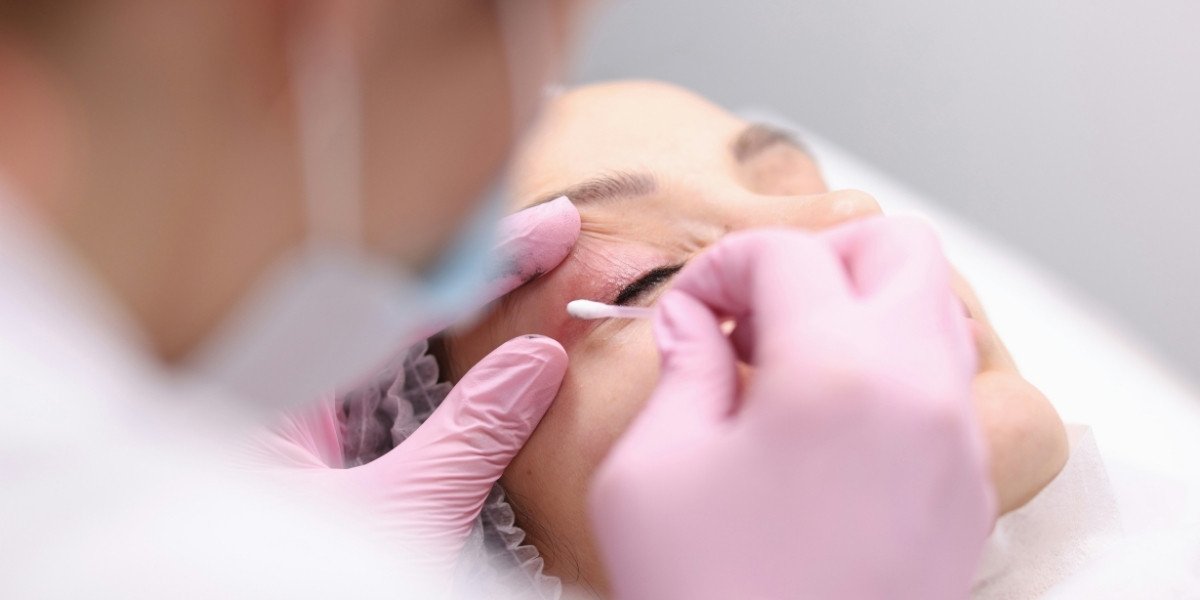
Eyelid lifts, also known as blepharoplasty, are increasingly becoming a common procedure for women under 40. Traditionally associated with older patients addressing sagging eyelids, this surgery has now found a place among younger demographics. Surgeons have observed a growing demand for eyelid lifts as younger individuals seek subtle enhancements to their appearance rather than dramatic changes.

Historically, eyelid surgery was used for medical reasons, such as correcting vision problems or signs of advanced aging. Today, however, many younger patients are opting for the procedure as a preventive measure to maintain a youthful look over time.

The rise of eyelid lifts among younger women reflects a broader shift in beauty standards. Cosmetic surgery, once reserved for older individuals or for major corrections, is now more widely accepted among younger populations as a method to refresh and enhance their features.

The Digital Influence on Self-Awareness

The growing trend in eyelid lifts is closely linked to the digital environment. With constant exposure to video calls, social media platforms, and photo filters, younger women are more conscious of how their eyes appear in close-up interactions. Platforms like Instagram and TikTok have raised awareness of eye aesthetics, with many users focusing on enhancing their digital appearance.

Surgeons report that many patients bring images from these platforms to consultations, using them as references for their desired results. The emphasis is not on drastic changes, but on achieving a natural, refreshed look that aligns with current beauty trends.

Beyond vanity, many women view eyelid lifts as a way to feel more confident in both professional and social settings. The procedure is seen as a tool for improving self-presentation, especially in a world where digital interactions are more frequent and influential than ever.

Why Younger Women Are Opting for Subtlety

One key reason for the appeal of eyelid lifts among younger women is their subtlety. Unlike more invasive procedures, blepharoplasty provides results that are often undetectable to the casual observer. Many women seeking the surgery are not looking for drastic changes but rather for a refined, natural enhancement that brings out their best features.

The procedure also offers longer-lasting results compared to other non-surgical treatments such as Botox or fillers. Eyelid lifts can provide durable outcomes that reduce the need for repeat treatments, making them an attractive option for those seeking longer-term solutions.

Surgeons emphasize that the goal of eyelid lifts is not to completely change one’s appearance but to enhance it. This approach resonates with younger individuals who are focused on maintaining their natural look while refining it over time.

The Growing Acceptance of Cosmetic Procedures

Eyelid lifts are part of a wider trend in which cosmetic procedures have become more normalized and accessible. Once considered taboo or reserved for those looking to correct significant flaws, aesthetic enhancements are now viewed as a personal choice and a form of self-care. The language surrounding cosmetic surgery has also evolved, with terms like “refresh” and “enhance” replacing older notions of repair and correction.

Younger generations are increasingly rethinking what it means to age, opting for preventative procedures that are seen as proactive rather than reactive. Eyelid lifts are positioned at the forefront of this movement, offering a more balanced and holistic approach to beauty and wellness.

Considerations Before Undergoing Blepharoplasty

While eyelid lifts are growing in popularity, it’s important to remember that they are still surgical procedures with inherent risks. Surgeons stress the importance of managing expectations and understanding potential complications, such as scarring or dry eyes. Though rare, these issues can occur, so it’s vital for patients to carefully consider the procedure’s pros and cons.

Cost is also a significant consideration. Eyelid lifts typically range from $3,000 to $6,000 in the United States. For many younger patients, this represents a considerable investment, making it essential to thoroughly research the procedure and select a qualified surgeon.

Access to skilled surgeons and safe facilities also varies by location, and not everyone has equal access to top-tier care. Patients are advised to choose professionals who are experienced in the procedure and offer a full understanding of the surgery’s risks and benefits.

The Future of Eyelid Lifts

As advances in surgical techniques continue, eyelid lifts are expected to remain a popular option for those seeking subtle, long-lasting results. The trend reflects ongoing changes in beauty culture, where people are increasingly turning to procedures that enhance their natural features rather than drastically alter them.

With rising digital awareness and the normalization of cosmetic procedures, eyelid lifts are likely to continue gaining traction among younger women. This shift marks a new direction in beauty, with many seeing the procedure as a practical and proactive choice for maintaining a youthful appearance well into their 40s and beyond.

Disclaimer: The information provided in this article is for informational purposes only and is not intended as medical advice. Results from cosmetic procedures may vary, and all surgical procedures carry inherent risks, including complications and side effects. Always seek professional guidance before making any decisions regarding your health or cosmetic treatments.