Women's Journal

A Birthday Buzzer-Beater: Tiffany Reyes’ Historic Shot for the Gilas Girls


By: Olivia N.

There are moments in basketball that feel bigger than the scoreboard. For the Philippines, one of those moments occurred on a teenager’s birthday as an impressive mid-range jumper. Tiffany Reyes was only 15, playing against one of Asia’s most established youth programs. Yet when the clock wound down at the FIBA U16 Women’s Asia Cup 2025 in Malaysia, Reyes rose and made history. Her buzzer-beating shot lifted the Gilas Girls to a 77-75 win over Korea, the program’s first-ever victory in Division A of the biennial tournament.

It happened on her birthday. And just like that, Tiffany Reyes became a name basketball fans across the Philippines will not soon forget.

Reyes is from Muntinlupa City, but basketball has always been bigger than geography for her. It was part of her home and family life long before she ever played organized competition. She grew up surrounded by athletics, raised by parents who understood what commitment to sport really was. Her father, Jayr Reyes, spent years as a professional basketball player and suited up for the University of the Philippines Fighting Maroons. Her mother, Jen Reyes, was a former UP volleyball player, showing that competitiveness ran through both sides of the family. 

From the time Tiffany could walk, she watched her father play. The sights, sounds, and emotions of the game became familiar early, and the spark caught almost immediately. “Ever since I was around 3 years old, I would watch my dad’s basketball games when he was playing in the professional league. When he didn’t have games, and we were just at home, I would ask my dad to play basketball with me outside. I think that’s what made me fall in love with the game and take it seriously,” Reyes reflects.  

From her parents, Reyes learned lessons to enjoy the game and to play with confidence no matter who is on the other side of the court. They instilled a growth mindset early on, encouraging her to keep learning. This approach shows in how she plays. Reyes does not run away from responsibility; instead, she patiently reads the floor to make the right decision rather than the flashy one.

Growing up, Reyes also had a professional basketball idol whose influence is easy to spot in her game. “I would always watch him play on TV, and I idolized him growing up,” she says, reflecting on her admiration for NBA player Stephen Curry.

At the FIBA U16 Women’s Asia Cup 2025, Reyes was a key player. Against Korea, with the game on the line, she trusted herself to do the necessary work with no hesitation. When the ball dropped through the net, it was a turning point for the Gilas Girls program. Division A victories are rare, and winning a game against a powerhouse team like Korea made it even more significant. Suddenly, Tiffany Reyes was no longer just a promising prospect. She represented what the next generation of Philippine women’s basketball could do.

Even amid all the headlines and expectations, Tiffany Reyes remains humble. She understands the magnitude of her accomplishments, but she is not rushing her career. She believes basketball is still something to be enjoyed. At just 15, she has already achieved significant milestones, including international recognition and a game-winning play that captured the attention of the world. While her future in college basketball, professional leagues, or future Gilas squads is still unfolding, her potential remains promising. What we can see now is that Tiffany Reyes is not just a name to watch; she is a reminder that the future of Philippine basketball is forming, one confident jumper at a time.

Skinnify Began as a Gift and Became a Daily Wear Brand

By: Nic Abelian

What began as a thoughtful gift for one mother quietly grew into a brand built around a simple idea: creating activewear that feels supportive in everyday life, without asking women to overhaul their schedules.

What started as a personal project for his mother has grown into Skinnify: leggings designed to feel slightly more engaging during movement, while still wearing like everyday activewear.

For Christian, the idea behind Skinnify didn’t begin with a business plan. It began with a familiar reality many women face: wanting movement to feel easier to keep up with, without their day revolving around formal workout programs. His mother was no different.

A Mother’s Reality, a Son’s Question

Christian noticed his mom wanted to feel better in her day-to-day routine, but like many women, her schedule was already full. Between work, home responsibilities, and everything in between, long gym sessions weren’t realistic or appealing.

“As a gym enthusiast, I understand fitness, but I also understand that time and routine were the real challenges,” Christian explained.

That realization led him to a simple question: What if everyday movement could feel a little more supported, without requiring a major change to someone’s routine?

The First Attempts Didn’t Work

Christian initially turned to something he knew well: resistance bands. They were simple, familiar, and commonly used in training. His first instinct was straightforward: combine the feel of resistance with the convenience of leggings.

That version didn’t last long.

“They were uncomfortable, awkward, and didn’t move naturally with her body. She tried them on and immediately knew they weren’t the answer.”

The next version went too far in the other direction. Softer, lighter, more comfortable, but the “resistance” feel he was aiming for was barely noticeable.

“That’s when I realized the problem. Either they felt like they were doing something but weren’t wearable, or they felt good but didn’t deliver the experience I was aiming for,” Christian said.

The Breakthrough, a Different Approach to Construction

The real breakthrough came when he stopped thinking of resistance as something added to leggings and instead focused on how the garment could be constructed to create a subtle “push back” feel during movement.

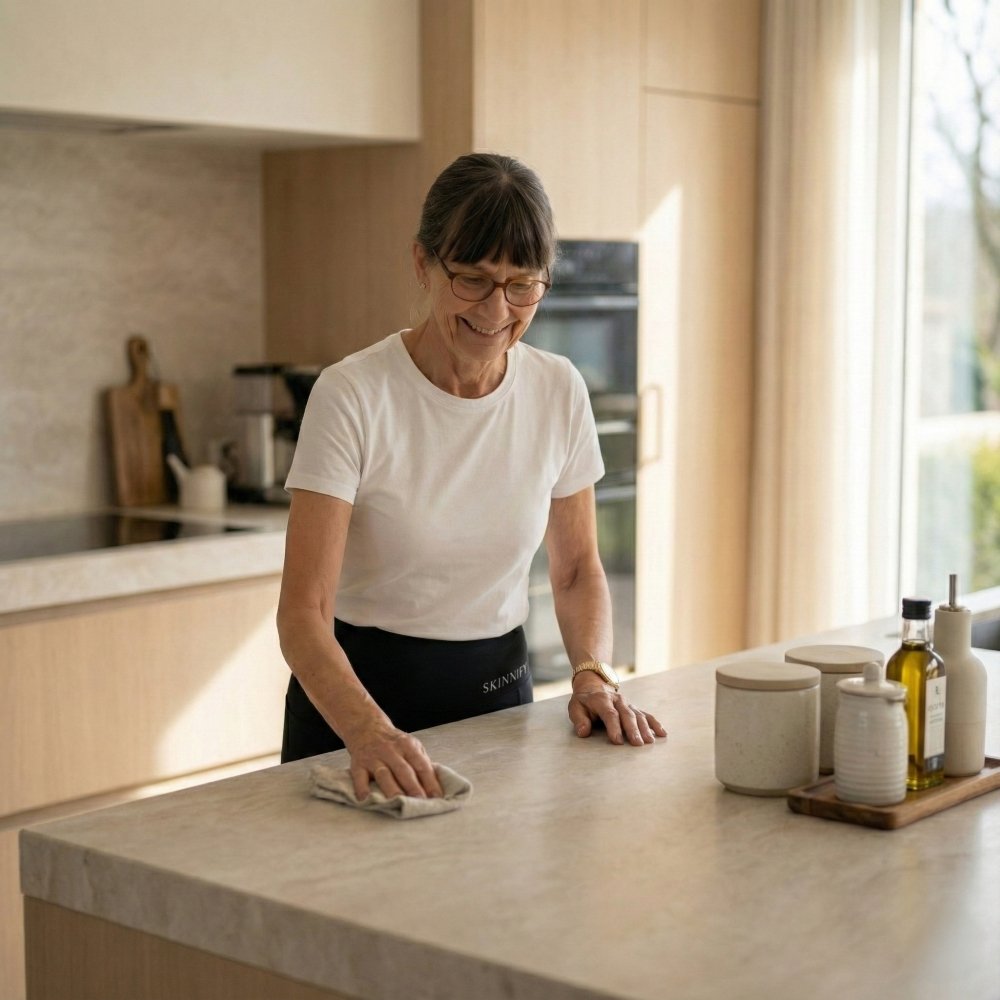
By working on structure and material choices, Christian aimed to create leggings that looked and felt like everyday activewear, while offering a slightly more engaged feel when walking, bending, and moving through a typical day.

“My mom didn’t have to think about a new routine. She just wore them, and what mattered most was that she felt comfortable and supported,” Christian shared.

Turning a Personal Project Into Skinnify

After seeing how much his mother liked the improved design’s wearability, Christian realized the concept could resonate with other women who wanted movement to feel more accessible, without strict schedules or high-pressure expectations.

To bring the product to life properly, he partnered with an experienced leggings designer who had worked with major activewear brands. Together, they refined the construction, tested materials, and focused on one goal: leggings that fit seamlessly into real life.

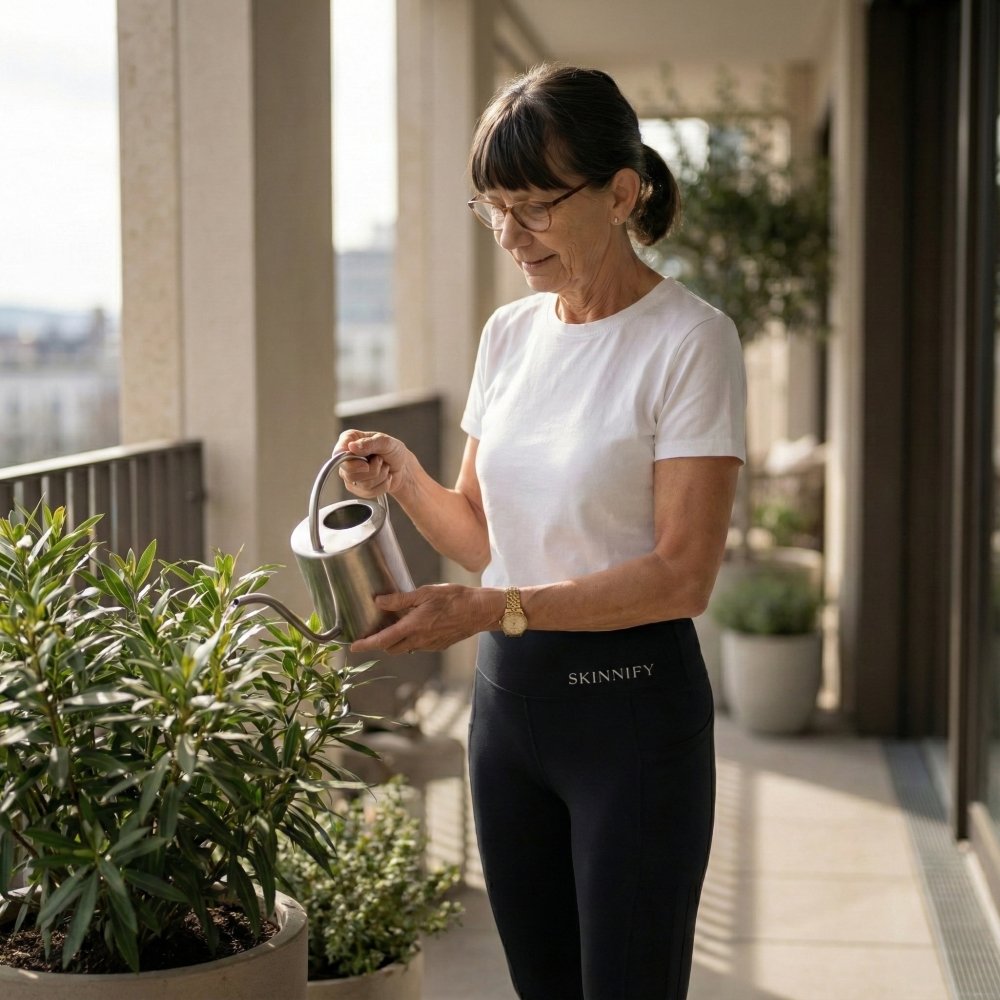
The result was Skinnify Resistance Band Leggings, designed for everyday moments like walking, working, running errands, and time at home.

Skinnify Began as a Gift and Became a Daily Wear Brand

Photo Courtesy: Skinnify

Why Skinnify Feels Different

Skinnify leggings aren’t positioned as workout-only gear. They’re designed for daily wear, with an emphasis on comfort and a subtle, structured feel during ordinary movement.

Instead of presenting fitness as an all-or-nothing commitment, the brand messaging leans into a more realistic mindset: show up in small ways, consistently, when you can.

“Fitness shouldn’t feel like another obligation. It should fit into your life, not compete with it.” This remains a guiding idea behind the brand.

Skinnify Began as a Gift and Became a Daily Wear Brand

Photo Courtesy: Skinnify

A Brand Rooted in Empathy

For Christian, Skinnify remains personal. What started as a way to support his mother became a broader mission: moving feel more approachable, less intimidating, and easier to maintain in daily life.

“I didn’t want to create something that made women feel guilty for not doing enough. I wanted to create something that helps them feel supported in doing something, in a way that feels doable,” he said.

Learn More About Skinnify

If you want to learn more about Skinnify Resistance Band Leggings, you can visit Skinnify’s website for product details, materials, and sizing information.

You can also follow Skinnify on social media for updates and community posts:
Instagram | Facebook


Disclaimer: This article is for informational purposes only and does not provide medical, health, or fitness advice. Product experiences and feedback described are individual and may vary. Skinnify leggings are not intended to diagnose, treat, cure, or prevent any condition, and results (if any) depend on many factors, including lifestyle and personal routine.

Gut Feeling Great: Nurturing Your Gut Health for a Happier You

Understanding Gut Health

Gut health refers to the balance and function of the digestive system, which includes the stomach, intestines, and the trillions of microorganisms that live there. These microorganisms, often called gut bacteria, play a role in breaking down food, absorbing nutrients, and supporting the immune system. When this balance is disrupted, it can affect not only digestion but also overall wellbeing.

Researchers have found that the gut communicates with the brain through what is known as the gut-brain axis. This connection means that digestive health can influence mood, stress levels, and even cognitive function. According to Healthy Life Essex, studies show that gut bacteria affect how the brain regulates emotions and responses to stress

For many people, understanding gut health begins with recognizing its impact on daily life. Digestive discomfort, fatigue, or mood changes can sometimes be linked to imbalances in the gut. By learning how the digestive system works, individuals can take steps to support it in ways that feel manageable and reassuring.

The Role of Diet in Gut Balance

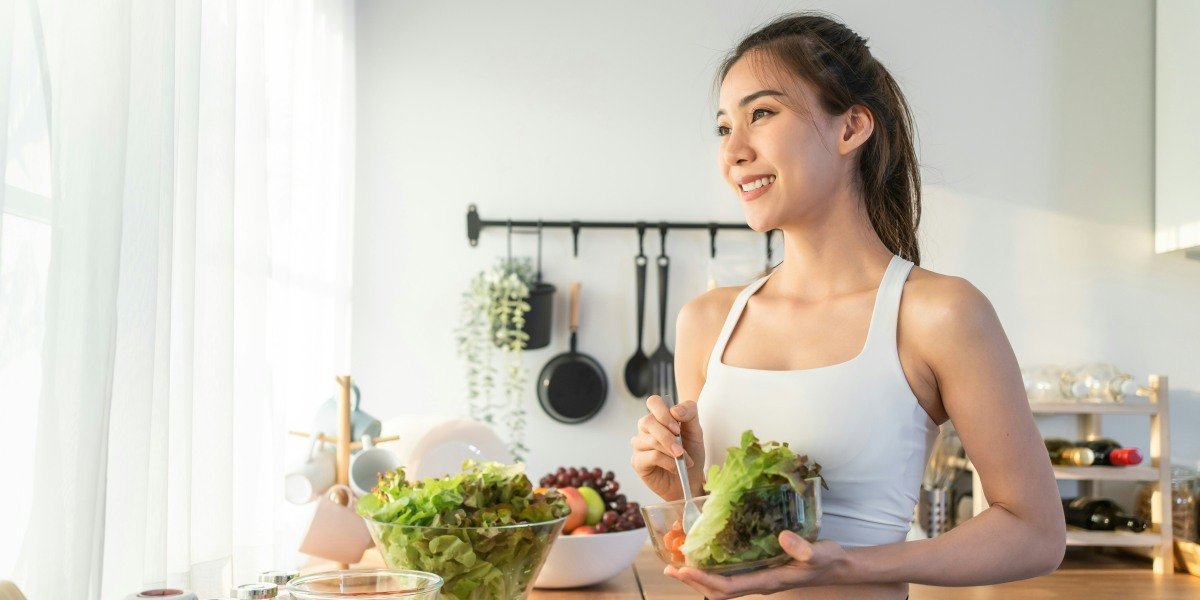
Food choices directly affect gut health. Diets rich in fiber, fruits, vegetables, and whole grains provide fuel for beneficial bacteria. These foods help maintain balance in the digestive system and support regular bowel movements. Fiber also slows digestion, which allows the body to absorb nutrients more effectively.

Probiotics, found in foods like yogurt, kefir, and fermented vegetables, introduce beneficial bacteria into the gut. Prebiotics, which are fibers found in foods such as bananas, onions, and garlic, feed these bacteria and help them thrive. Together, probiotics and prebiotics create an environment where healthy microorganisms can flourish.

Limiting processed foods and added sugars is also important. These foods can encourage the growth of less beneficial bacteria, which may disrupt balance. By focusing on whole, nutrient-dense foods, individuals can create a foundation for better digestive health.

Gut Health and Emotional Wellbeing

The connection between gut health and mood is becoming clearer through ongoing research. The gut produces neurotransmitters such as serotonin, which influence feelings of happiness and calm. When the gut is balanced, these chemical signals can support emotional stability.

Photo Credit: Unsplash.com

Stress, anxiety, and poor sleep can disrupt gut health, creating a cycle where emotional strain affects digestion and digestive discomfort affects mood. Recognizing this connection helps explain why supporting gut health can also support mental wellbeing. As Women’s Journal highlights in The Impact of Gut Health on Women’s Overall Wellbeing, digestive balance plays a role in energy, focus, and emotional resilience.

Practical steps such as mindful eating, stress management, and regular sleep can help maintain this balance. These habits not only support digestion but also contribute to a calmer, more consistent emotional state.

Lifestyle Habits That Support Gut Health

Beyond diet, lifestyle choices influence gut health. Regular physical activity stimulates digestion and supports circulation, which benefits the digestive system. Even moderate exercise, such as walking, can improve gut function.

Hydration is another key factor. Drinking enough water helps the body break down food and absorb nutrients. It also supports the movement of waste through the intestines, reducing the risk of constipation.

Stress management techniques, such as meditation, deep breathing, or spending time outdoors, can reduce the impact of stress on the gut. Since the gut and brain are closely connected, lowering stress levels can improve both digestion and mood.

Building Long-Term Habits

Supporting gut health is not about quick fixes but about consistent habits. Small changes, such as adding more fiber to meals or setting aside time for relaxation, can make a difference over time. These adjustments are easier to maintain when they are integrated into daily routines.

Children and families can also benefit from learning about gut health. Encouraging balanced meals, regular activity, and healthy sleep patterns helps establish habits that support wellbeing across generations.

By focusing on gradual, sustainable changes, individuals can nurture their gut health in ways that feel achievable. This approach reduces anxiety about health and emphasizes steady progress rather than perfection.

Disclaimer: The information provided in this article is for informational purposes only and should not be considered medical or professional advice. Gut health is a complex and individualized matter, and recommendations should be discussed with a healthcare provider. Results may vary based on individual health conditions, and the content should not replace professional evaluation or treatment.