Women's Journal

Inside The Cycle, a Bold New Beverage for Hormonal Support

By: Amanda Warner Perry

For decades, products designed to support periods and hormonal changes have existed quietly on the sidelines. They are often clinical, discreet, and easy to miss unless you are actively looking for them. Relief has been framed as something functional, private, and slightly inconvenient.

Anastasia Sartan noticed that pattern and questioned it.

Sartan is the founder of The Cycle, a ready-to-drink functional beverage created to potentially support PMS, periods, and perimenopause. Instead of treating hormonal support as something that belongs in a supplement drawer, she built it into a format people already understand and reach for every day.

That choice was not cosmetic. It was strategic.

Before founding The Cycle, Sartan worked in technology, building consumer-focused products. She was familiar with how categories evolve when design, accessibility, and user experience are taken seriously. Looking at women’s health, she saw a disconnect. The need was there, but the products often felt dated, medical, or removed from daily life.

The Cycle was built to challenge that separation.

By choosing a ready-to-drink format, Sartan placed hormonal support into the flow of everyday routines. A drink can live in the fridge. It can be poured, shared, and consumed without ceremony. That ease aims to change how support feels, especially in a space that has long relied on silence and discretion.

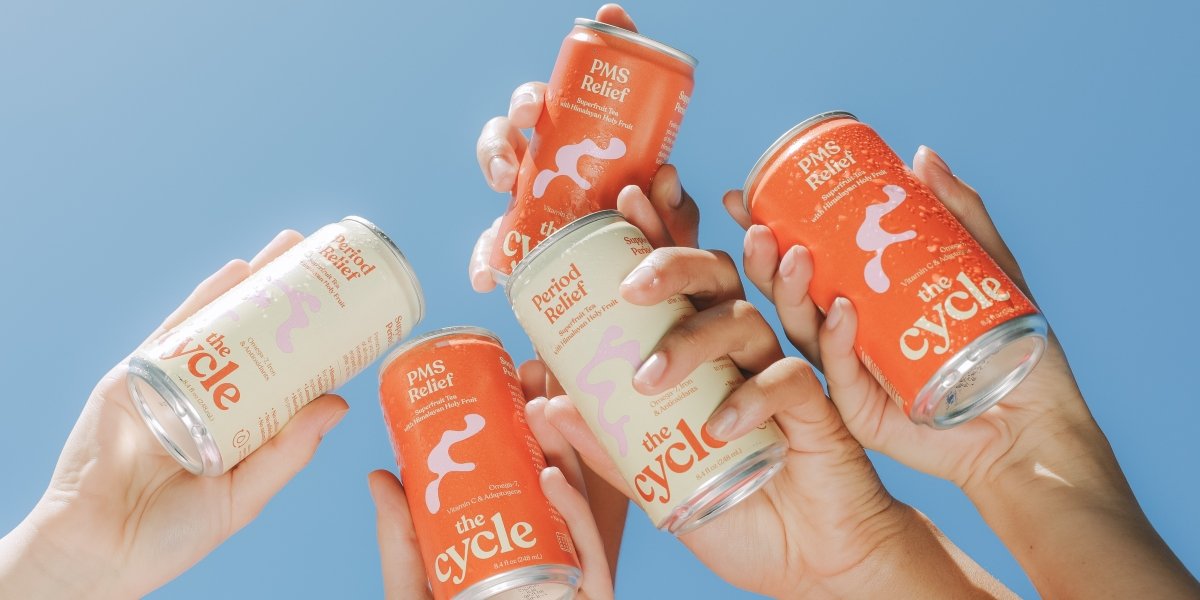
Each can of The Cycle delivers 375 milligrams of bioactive Omega-7 from Himalayan Holy Fruit, combined with cold-brewed herbs and adaptogens traditionally used to support hormones, digestion, mood, and inflammation. The brand offers two formulations aligned with different phases of the menstrual cycle, acknowledging that needs can shift throughout the month.

What The Cycle does not do is claim dramatic fixes. There is no language suggesting periods are problems to eliminate or bodies to correct. The messaging is measured and intentional. Support is framed as something that complements daily life rather than interrupts it.

That restraint feels deliberate in a wellness landscape crowded with extremes.

Many products aimed at women lean heavily on urgency or shame. Fix this now. Hide that symptom. Push through. The Cycle takes a different tone. Periods are treated as normal biological experiences. Relief is presented as something that can be integrated calmly and without apology.

The beverage itself is caffeine-free and non-sparkling, designed to be gentle and easy to sip throughout the day. It is not positioned as a replacement for medical care, nor as a catch-all solution. It is designed to sit alongside real life, not override it.

Design plays a central role in that philosophy. The Cycle does not look clinical. It does not resemble traditional supplement packaging. It looks like a modern wellness product, something that belongs on a kitchen counter rather than hidden away.

That visual language matters.

How a product looks influences how it is used and how it is talked about. By moving away from medical cues, The Cycle shifts the emotional experience of care. Support feels less like a chore and more like a choice.

There is also a broader cultural context at play. Conversations about periods, perimenopause, and hormonal health are becoming more open, but many products still lag behind that shift. The Cycle enters this moment quietly, without grand declarations, offering a practical alternative to what has come before.

Sartan’s approach assumes that women are informed and thoughtful consumers. Ingredient transparency is clear without being overwhelming. Education is available without being patronizing. The brand does not over-explain or make promises.

That trust-based approach reflects how many women now evaluate wellness products. Effectiveness matters, but so does tone. People notice when brands respect their intelligence and lived experience.

The functional beverage market is competitive, but The Cycle does not try to cover every wellness concern. Its focus remains specific. Hormonal and menstrual support, designed to fit into everyday routines. That clarity allows the brand to speak directly to an audience that has often been underserved and over-marketed at the same time.

As The Cycle continues to grow, its significance may lie as much in normalization as in innovation. Making it easier to care for your body without turning that care into a performance. Making relief visible, accessible, and unremarkable in the ideal way. Sometimes change does not arrive loudly. Sometimes it shows up quietly, in the form of a product that fits perfectly into your life without making you explain yourself.

Disclaimer: The information provided in this article is for informational purposes only and is not intended as medical advice. The product discussed may offer support for hormonal health, but individual results may vary. Always consult with a healthcare professional before making any changes to your health regimen, especially if you have any pre-existing conditions or are taking medication. The statements made have not been evaluated by the Food and Drug Administration.

Marriage Confidence Declines Among Young Women

Marriage confidence trends and the shift in modern female priorities

The landscape of personal relationships is undergoing a significant transformation as the year 2025 reaches its close. Recent data from the Pew Research Center highlights that marriage confidence among young women has reached a thirty-year low, signaling a departure from traditional life milestones. While the previous generation often viewed a wedding as the foundational start of adulthood, today’s young professionals are more likely to see it as a secondary goal. This change reflects a broader movement toward individual autonomy and a cautious approach to long-term legal commitments.

Findings from the Monitoring the Future survey, an ongoing study by the University of Michigan, indicate a sharp decline in the number of high school seniors who expect to marry. In the early 1990s, over eighty percent of young women expressed a strong desire for marriage, but that figure has now dropped to nearly sixty percent according to recent reports. This shift is not mirrored by their male peers, who have maintained a relatively steady interest in the institution over the same period. The result is a growing gap in life expectations that influences everything from dating habits to long-term financial planning for single households.

The current environment prioritizes personal growth and the establishment of a solid professional identity before entering a partnership. Many individuals are choosing to focus on higher education and specialized skill development to ensure their own stability in an unpredictable market. This delay in the typical marriage timeline allows for more time spent in independent living, which often fosters a stronger sense of self-reliance. As these new priorities become the standard, the definition of a successful early adulthood is being rewritten to focus on achievement and resilience.

Economic stability as a prerequisite for marriage confidence

Modern life presents a unique set of financial hurdles that fundamentally change how people view the feasibility of a joint household. High living costs, combined with the weight of student debt, make the traditional model of a young family feel increasingly out of reach for many. When the price of basic needs like housing continues to rise, the prospect of funding a wedding or supporting a spouse becomes a source of stress rather than joy. Consequently, marriage confidence is often tied directly to the attainment of a certain level of financial security that takes longer to reach than in previous eras.

Marriage Confidence Declines Among Young Women

Photo Credit: Unsplash.com

Research indicates that women, in particular, are looking for a “capstone” model of marriage where the ceremony happens only after major life goals are met. This involves securing a stable job, building a savings buffer, and often purchasing property as a single individual first. By entering a relationship from a position of strength, many hope to create a more equal partnership that is not based on financial necessity. This cautious approach is a strategic response to the economic realities of the twenty-first century, where a single income is often insufficient to support a growing family.

The fear of potential financial loss through divorce also plays a significant role in the declining interest in formal unions. With a heightened awareness of legal complexities, many are opting for cohabitation or long-term partnerships that do not involve the same level of legal entanglement. This allows for a sense of companionship and shared history without the perceived risks associated with a traditional marriage contract. The focus is shifting toward the quality of the connection rather than the legal status of the bond, reflecting a more practical outlook on the future of relationships.

Changing social narratives and the pursuit of individual fulfillment

For a long time, the dominant narrative in our society suggested that personal happiness was synonymous with finding a lifelong partner. Movies, literature, and community expectations all reinforced the idea that marriage was the primary path to a fulfilling and meaningful life. However, these stories are being challenged as more people find satisfaction in their careers, friendships, and creative pursuits. The pursuit of individual fulfillment has become a valid and celebrated goal that does not necessarily require a spouse to be complete.

The rise of the creator economy and the increase in remote work have also contributed to a more solitary yet connected lifestyle. People are able to build extensive networks of professional and personal support through digital platforms, reducing the traditional reliance on a domestic partner for social interaction. This has led to a reimagining of what a support system looks like, often involving a diverse group of mentors, colleagues, and friends. As the necessity of marriage for social status fades, the choice to remain single or delay commitment becomes a more common and accepted part of the journey.

This new outlook encourages a deeper focus on mental health and emotional well-being as foundational elements of a good life. Instead of looking for a partner to provide a sense of identity, individuals are doing the work to understand themselves first. This often leads to more intentional choices when they do decide to enter a relationship, as they have a clearer understanding of their own boundaries and needs. The result is a move toward more authentic connections that are built on mutual respect and a shared vision for the future, rather than societal pressure.

Adapting institutions to the evolution of marriage confidence

As the number of never-married adults continues to grow, our social and professional institutions are beginning to adapt to this new reality. Benefits packages, housing designs, and even community events are increasingly being tailored to meet the needs of single individuals and non-traditional households. This shift is essential for ensuring that everyone has access to the resources they need to thrive, regardless of their marital status. The recognition of the single professional as a powerful economic force is driving a new wave of innovation in products and services tailored for one.

Workplace cultures are also evolving to provide more support for those who may not have a partner to share domestic responsibilities. Flexible hours and remote work options are particularly valuable for individuals who are managing their lives independently, allowing them to better balance their professional goals with personal needs. This inclusive approach helps to foster a more resilient workforce where talent is valued regardless of an employee’s domestic situation. It also reflects a broader understanding that a fulfilling life can take many different forms in the modern age.

Communities are finding new ways to provide the social support that was once primarily found within the nuclear family. Neighborhood groups, professional associations, and hobby-based clubs are filling the gap, offering a sense of belonging and shared purpose. These alternative structures provide a safety net for those who are navigating life on their own terms, ensuring that no one is truly isolated. As the definition of “family” expands to include these intentional communities, the social fabric remains strong even as traditional marriage rates decline.

Future standards for relationships and personal branding

The ongoing dialogue regarding marriage confidence is setting a new standard for how we talk about commitment and personal growth. In the coming years, the emphasis will likely remain on the quality of the bond and the alignment of values rather than the adherence to tradition. This creates a space where diverse relationship models can flourish, from cohabitation to independent living within a partnership. The goal is to build a life that is truly reflective of one’s own goals and aspirations, whatever those may be.

As digital tools continue to facilitate connection and self-expression, the personal brand of the individual will remain a central part of their professional and social identity. People will continue to use their online presence to share their journey and connect with others who share their vision for a conscious and fulfilling life. This transparency helps to demystify the choices of the modern generation, making it easier for others to follow a similar path of self-discovery. The ability to speak openly about one’s values is a powerful tool for driving social change and fostering understanding.

Running Tips for Women: Improve Your Pace and Footwork

Essential running tips for improving performance and athletic longevity

Developing a consistent athletic routine requires more than just high motivation; it demands a strategic approach to physical mechanics. Many individuals begin their journey with great enthusiasm only to find that their progress stalls due to a lack of structured running tips to guide their movements. When the body is pushed without a focus on efficiency, the risk of fatigue and injury increases significantly. Understanding the foundational elements of stride and rhythm is the first step toward transforming a simple exercise into a high-performance habit.

The path to better endurance often involves a deep dive into the biomechanics of how the body moves through space. By focusing on the relationship between breathing and footwork, a person can unlock a level of efficiency that makes long distances feel more manageable. Most people find that minor adjustments to their posture and arm swing can have a massive impact on their overall speed and comfort. These subtle shifts in form are what allow a runner to transition from a struggle against the pavement to a smooth and fluid motion.

Proper preparation also extends to the mental side of the sport, where focus and determination play a vital role in overcoming plateaus. Setting clear milestones and tracking data helps to provide a sense of direction when the initial excitement begins to fade. It is also important to listen to the body’s signals to avoid the common pitfalls of overtraining and burnout. By integrating these comprehensive running tips into every session, a person can build a solid foundation for a lifetime of health and physical achievement.

Mastering footwork and cadence through proven running tips

Footwork is the most basic component of every stride, yet it is often the most misunderstood part of the entire process. Many beginners unknowingly use a heavy heel-strike, which acts as a brake against forward momentum and puts unnecessary strain on the lower joints. Shifting toward a midfoot strike is one of the most effective running tips for those looking to improve their efficiency and protect their knees. This landing style allows the foot to absorb impact more naturally and creates a smoother transition into the next step.

Cadence, or the number of steps taken per minute, is another critical factor in maintaining a sustainable and fast-paced rhythm. Increasing the frequency of steps while slightly shortening the length of each stride helps to keep the feet landing directly under the hips. This alignment reduces the vertical oscillation of the body, meaning less energy is wasted moving up and down rather than forward. A quicker cadence is also a proven way to decrease the risk of common injuries like shin splints and stress fractures over time.

Consistency in foot placement ensures that the body remains balanced and the center of gravity stays stable throughout the run. When the feet land too far in front of the body, it creates a jarring force that travels through the entire skeletal system. By focusing on a light and quiet landing, a runner can maintain a higher level of performance without feeling the same level of impact. These mechanical adjustments are essential for anyone who wants to see measurable improvements in their times while maintaining a healthy and resilient body.

Optimizing breathing and posture for better oxygen delivery

The way a person breathes while moving has a direct correlation to how long they can maintain a high-intensity effort. Shallow chest breathing is a common mistake that limits oxygen intake and leads to premature muscle fatigue during difficult sessions. One of the best running tips for improving endurance is to practice deep diaphragmatic breathing, also known as belly breathing. This technique allows the lungs to expand more fully, providing a steady supply of oxygen to the bloodstream and helping to regulate the heart rate.

Linking the rhythm of each breath to the rhythm of the feet can also help to create a meditative state that reduces perceived exertion. For example, inhaling for three steps and exhaling for two steps can provide a structured pattern that keeps the body in sync. This synchronization helps to prevent side stitches and ensures that the core remains engaged and stable throughout the entire movement. When the respiratory system and the muscular system work in harmony, the entire experience becomes more effortless and efficient.

Posture is the final piece of the efficiency puzzle, as a slumped or tense frame can sap energy very quickly. Keeping the chest open and the gaze fixed on the horizon helps to maintain an open airway and a straight spine. The arms should swing naturally at a ninety-degree angle, providing a counter-balance to the motion of the legs without crossing the midline of the body. By maintaining a relaxed but upright posture, a person can ensure that every ounce of effort is directed toward moving forward as effectively as possible.

Training strategies and the role of interval recovery

Improving speed is rarely about simply trying to push harder every single day; it is about providing the body with the right stimuli to adapt. Interval training is a core component of most successful programs, as it forces the cardiovascular system to work at higher thresholds for short periods. Alternating between high-intensity bursts and active recovery sessions helps the body become more efficient at clearing lactic acid from the muscles. This type of training eventually makes the previous “fast” pace feel much more sustainable and comfortable during longer efforts.

Rest and recovery are just as important as the miles spent on the road, as this is when the actual physical adaptations occur. Muscles need time to repair the microscopic tears caused by intense exercise, and skipping rest days can lead to a plateau in performance. A well-rounded plan includes mobility work and stretching to maintain a full range of motion in the hips and ankles. These recovery-focused running tips are what separate the people who burn out in a few months from those who stay active for decades.

Warming up with dynamic movements rather than static stretching is another vital part of a professional-grade routine. Movements like leg swings, lunges, and high knees help to increase blood flow and prime the nervous system for the work ahead. This preparation reduces the initial shock to the system and allows the runner to find their rhythm much more quickly. Ending each session with light movement helps to gradually lower the heart rate and begin the recovery process immediately after the hard work is done.

Sustainability and long-term habits for every athlete

Choosing the right equipment is a practical necessity that can have a profound impact on the success of any athletic endeavor. Footwear should be selected based on the specific shape of the foot and the type of terrain that will be encountered most frequently. A shoe that provides the right amount of arch support and cushioning can prevent a host of issues, from blisters to chronic joint pain. It is also wise to replace shoes regularly, as the structural integrity of the foam tends to break down after several hundred miles of use.

The mental benefits of a consistent routine are often just as significant as the physical changes seen in the mirror. Many find that the clarity and stress relief provided by a daily session are essential for maintaining a high level of productivity in other areas of life. Joining a local group or using digital tracking tools can provide a sense of community and accountability that keeps motivation high during the winter months. Finding joy in the process rather than just the result is the ultimate secret to a long and successful journey.

Disclaimer: The information provided in this article is for educational purposes only and does not constitute medical advice. Always consult with a healthcare professional or a qualified fitness expert before beginning a new exercise regimen or making significant changes to your physical activity levels, especially if you have pre-existing health conditions or injuries.

Personal Adversity and Entrepreneurial Evolution – How Briana Hetherington’s Turning Point Informed a Purpose-Driven Career

For most entrepreneurs, building a successful business begins with identifying an idea or opportunity in the market. For more and more leaders, however, especially those embracing more purpose-driven and conscious models, personal growth begins first. The entrepreneurial world of today is more filled with tales not just of growth rates and scalability, but of identity shifts, soul-searching, and a desire to re-evaluate what success even means. It’s all part of a broader cultural shift toward mindfulness, authenticity, and the importance of self-awareness in leadership.

These self-transformation processes begin to affect outside outcomes, leading entrepreneurs to build more meaningfully and purposefully. Briana Beth Hetherington’s story represents a broader phenomenon here: the internal conflict that ultimately becomes the impetus behind remolded missions, company cultures, and community motivations.

Hetherington’s contemporary public story now includes her as an author, strategist, and entrepreneur. She is the founder of Within Me™ and Altruistic Advisory, as well as a co-founder of Finish Line Strategies. Her work spans a diverse range of initiatives, all rooted in the belief that personal transformation drives professional success. These foundations were not built in boardrooms or business strategy meetings, but through an emotionally-disorienting experience of betrayal in a relationship. The experience, one that she has since shared in coaching circles and personal development spaces, served as the provocation to initiate a change that would become the cornerstone of her professional transformation. Rather than putting the experience into a box, she used it as a launching pad to begin shifting what she calls subconscious programming—deep-seated assumptions regarding value, love, and self that are established in infancy and childhood.

This internal preparation, in Hetherington’s opinion, served as the launching pad for the building or expansion of her purpose-driven businesses. It was during this time of reflection and rebalancing that the seeds of her businesses were sown. In particular, Altruistic Advisory grew from her awareness of the constraints that many entrepreneurs face—not so much from outside forces, but from entrenched internal mindsets. By 2025, the firm has begun gaining momentum as it offers leadership models, consulting, and strategic guidance to the home improvement industry, helping entrepreneurs navigate both personal and professional growth.

In addition to Altruistic Advisory, Hetherington’s learning is further enriched by resources such as the Orange Frog Workshop and the Jay Shetty Life Coaching Certification, which have influenced her approach to leadership. These tools, alongside her own lived experience, helped to shape the foundation of her other initiatives.

One of Hetherington’s standout contributions to the entrepreneurial space is her approach to linking internal growth with group progress. Rather than isolating individual development, her programs emphasize how personal transformation leads to enhanced team performance, stronger company culture, and refined strategic direction. Her mastermind groups reflect this holistic model. EmpowerHer supports women in the home improvement and consulting industries, emerging from her discovery of gender-specific challenges women face within high-performance environments. Elite Mastermind offers strategic coaching for successful businesspeople seeking to expand their leadership without compromising integrity or health. RockStar Insights gathers over 100 visionaries and contractors to share challenges and co-create solutions to grow their businesses, while Tech Advanced: The Innovators Alliance brings together technology leaders in home services to explore AI and innovation.

These groups collectively illustrate how Hetherington’s approach connects personal growth with broader organizational success.

Her public platforms, including her podcast under the Conscious Creator Community umbrella, convey her belief that leadership today is deeply intertwined with inner transformation. These conversations continually challenge traditional notions of leadership, asking what it means in an age when inner work is increasingly seen as a prerequisite for outer success.

Looking back on her professional trajectory, Hetherington has come to see that the pivotal moment in her career wasn’t when she launched her first business, but when she stopped trying to succeed by conventional standards. That shift—away from traditional yardsticks of success—has now become the conceptual foundation of her brands. It also informs how she advises others. Rather than starting with productivity hacks or income targets, her programs often begin with internal audits: What beliefs are still driving the bus? What fears are making decisions? From there, systems and strategy are built on what she refers to as an “internally sourced clarity.”

By 2024, Hetherington’s collective enterprises had already worked with several entrepreneurs through mentorship, strategic planning, and internal leadership development. These numbers continue to rise, as more and more individuals seek structures that allow them to integrate personal meaning with business success. While Hetherington’s face might be more familiar in entrepreneurial and self-help circles, the focus of her work remains on congruence—a thread tracing back to the emotional struggle that forced her to re-examine the foundations of her work.

Briana Beth Hetherington’s story, as an entrepreneurial narrative in the present day, reflects a broader trend toward business models built on inner knowing, rather than market demand. Her journey from personal breakdown to intentional leadership highlights how breakdowns, when navigated with innovative thinking and audacity, can serve as blueprints for greater leverage. It also raises repeated questions about what leadership truly means in an age when inner work is increasingly seen as a prerequisite for outer success.

Turning Grief Into Grace: How Daneault Transformed a Memory Into Modern Luxury

Discover how Daneault’s patented reversible handbags blend innovation, emotion, and timeless craftsmanship, redefining what luxury means for today’s women.

From Loss to Legacy: The Moment That Sparked a Revolution

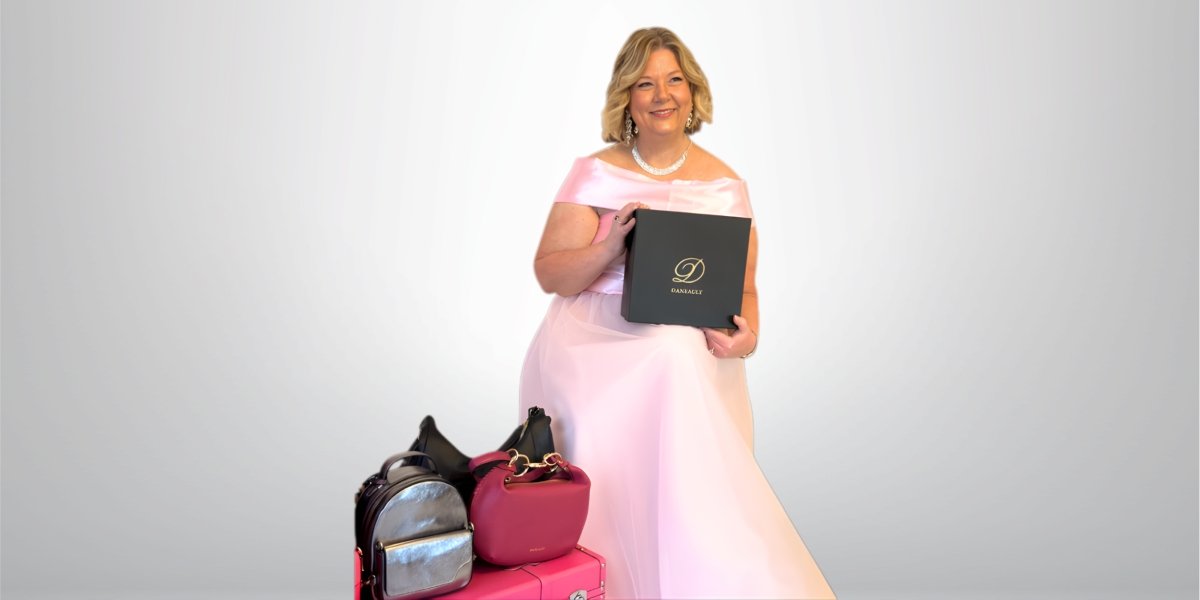
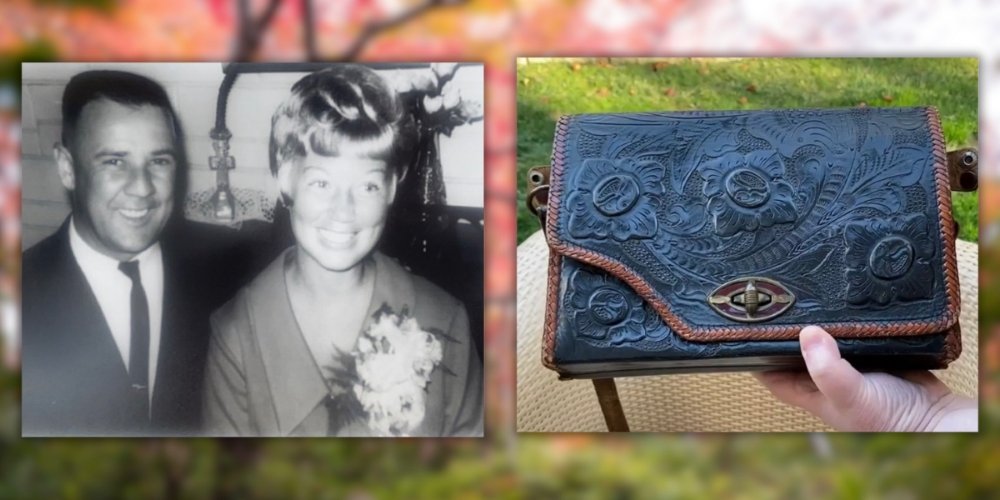
It began with a moment of quiet reflection. After losing her father, Penny Crook found herself drawn to her mother’s vintage handbag, its leather softened by time, its stitching still strong. It wasn’t just a bag; it was a vessel of memory. That tactile moment, fingers tracing its well-worn seams, became the spark for Daneault, a brand that would redefine luxury not as excess, but as endurance.

For Penny, the question wasn’t what’s next in fashion, but what lasts? In an industry obsessed with the new, she envisioned something timeless, something that could evolve alongside the women who carried it.

Penny Crook’s Journey Through Cancer Treatments

Penny’s journey took another profound turn when she was diagnosed with breast cancer. During her treatments, she found strength in unexpected places, like the quiet moments she spent with her mother’s old handbag, a connection to her roots. After completing her treatments, Penny rang the bell to mark the end of her chemotherapy, a moment of triumph over adversity.

Throughout her battle, Penny was supported by her dear friend Laura Payne, who not only accompanied her to radiation sessions but also helped form a powerful bond of sisterhood. Today,

Laura, a professional photographer, is involved in creating Daneault’s imagery, contributing her talents to the brand’s photoshoots. Together, they have celebrated their shared resilience.

Turning Grief Into Grace: How Daneault Transformed a Memory Into Modern Luxury

Photo Courtesy: Penny Crook

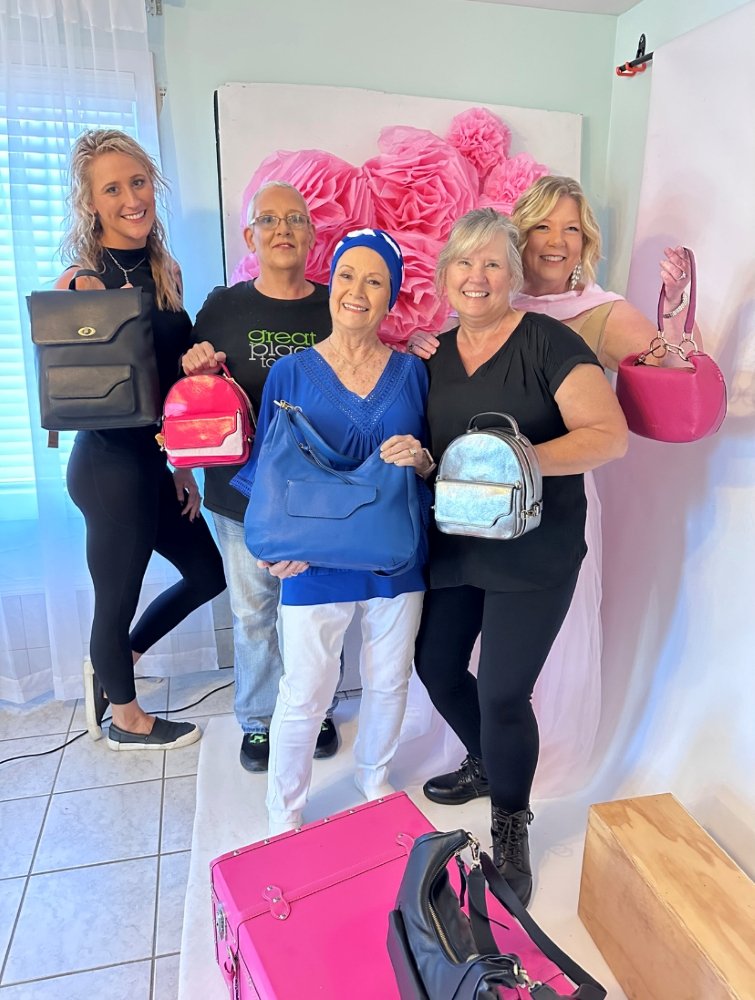
In honor of her experience, Penny also spearheaded a Cancer Drive, offering makeovers and photoshoots for cancer survivors, sponsored by Daneault. This initiative allowed survivors to embrace their strength, with the added touch of a Daneault handbag to complement their transformation.

The Art of Reinvention: When Innovation Meets Emotion

Luxury, Penny realized, needed a new narrative, one that embraced change without sacrificing craftsmanship. That insight led to Daneault’s patented reversible handbag, a creation that does what no other bag truly could: transform with its owner.

In one effortless motion, Daneault handbags reveal two distinct designs, allowing women to shift their look without emptying a single pocket. It’s more than a clever trick of design; it’s a metaphor for resilience, transformation, and the dualities every woman carries within her: strength and softness, elegance and practicality, ambition and grace.

Each bag is crafted from LWG Certified Leather, sourced and produced under the highest sustainability standards. Yet, it’s not just the materials that set Daneault apart; it’s the emotional intelligence behind the design. Every detail honors the story of women who balance countless roles while never losing themselves in the process.

Quiet Luxury, Bold Innovation

In the fast-changing world of fashion, “quiet luxury” has become more than a trend; it’s a statement of values. But while others use the term loosely, Daneault embodies it. Every reversible design is meticulously engineered to provide two luxury experiences in one, offering women freedom, flexibility, and lasting value.

This approach has quietly disrupted a luxury market long ruled by predictability. While established houses like Louis Vuitton or Gucci sell status, Daneault sells substance. The brand offers something even the icons have yet to perfect: a handbag that evolves with the woman who owns it.

Daneault doesn’t chase trends; it creates solutions. It offers modern women a way to streamline their wardrobes, reduce waste, and invest in pieces that outlive seasons and styles.

Strength Sewn Into Every Stitch

Daneault’s innovation didn’t come easy. Behind its sleek silhouette and seamless functionality lies a deeply human story of perseverance. Penny Crook developed the patented design for her handbags while undergoing treatment for breast cancer, a journey that would test her resilience and refine her vision for the brand.

During that time, she drew inspiration from her mother’s handbag, the same one that had sparked Daneault’s inception. It reminded her that true strength isn’t loud or showy. It’s quiet. It’s found in endurance, in stitching that doesn’t fray, in craftsmanship that outlasts crisis.

That philosophy is now sewn into every Daneault creation. Each piece stands as a tribute to women who rise, adapt, and keep moving forward, gracefully, powerfully, beautifully.

Penny’s Mother’s Bag: A Timeless Legacy

Turning Grief Into Grace: How Daneault Transformed a Memory Into Modern Luxury

Photo Courtesy: Penny Crook

Penny’s mother’s handbag, which endured the tests of time, served as the true inspiration for the prototype of Daneault’s Reversible Bag. The leather, softened by years of use, and its strong stitching became a symbol of resilience, motivating Penny to create a product that would reflect both durability and emotional connection.

Redefining Luxury for a New Generation

Today, Daneault is not just a brand; it’s a mindset. It challenges the notion that luxury must come with a four-figure price tag or a logo that shouts. Instead, it invites women to experience luxury that’s authentic, sustainable, and deeply personal.

Its patented reversible handbags allow wearers to double their wardrobe possibilities without compromising on design or ethics. The craftsmanship rivals the world’s leading fashion houses, but with a soul rooted in meaning, not marketing.

For modern women navigating full lives, balancing boardrooms, motherhood, creativity, and self-expression, Daneault offers something refreshingly real: a handbag that adapts to you, not the other way around.

Where Elegance Meets Empowerment

In a world of fast fashion and fleeting trends, Daneault stands as a quiet revolution, proof that innovation can come from empathy, that luxury can be thoughtful, and that design can carry legacy.

Penny Crook’s journey from personal loss to visionary success has inspired a generation of women to see luxury not as status, but as self-expression through endurance and grace.
For those seeking handbags that move as effortlessly as they do, Daneault offers more than an accessory; it offers a philosophy of living beautifully, sustainably, and boldly.

Experience the Transformation

Explore the world of Daneault and discover how one patented design is revolutionizing modern luxury. Visit www.shopdaneault.com to experience firsthand how innovation seamlessly blends with elegance. Follow Daneault on TikTok,  Instagram, and Facebook to watch the transformation in motion and become part of a community redefining what it means to carry luxury with purpose. The collection is also available on Amazon.