Women's Journal

Serena Williams Spotlights Female Founders In New Docuseries

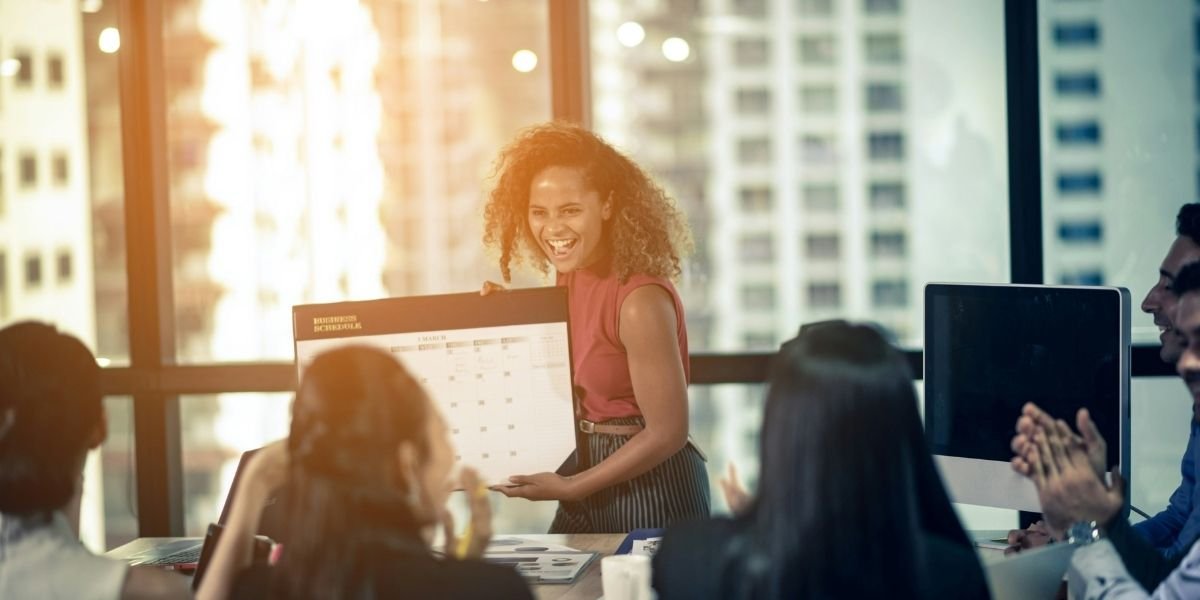
Serena Williams, known worldwide for her exceptional career on the tennis court, is now focusing her talents on a new stage: entrepreneurship. In The CEO Club, an upcoming docuseries set to premiere on Prime Video in early 2026, Williams partners with a group of successful female entrepreneurs across various industries. The series will showcase their stories, exploring how women are not only succeeding in business but also redefining what leadership looks like.

The docuseries serves as an important platform for women to share their experiences and challenges, highlighting their innovative approaches to business. It’s not just about success stories; it’s about resilience, creativity, and grit, qualities that define these female entrepreneurs. By amplifying their voices, Williams is helping to ensure that more women’s experiences are represented in both business and media.

As the series approaches its release, The CEO Club promises to give audiences an inside look at how women in leadership are shaping industries and creating lasting change. With a mix of familiar faces and emerging talents, the series will undoubtedly inspire many to pursue their own entrepreneurial dreams.

The Diverse Group of Female Entrepreneurs

At the core of The CEO Club is a group of remarkable women who have carved out their own paths in various industries. Alongside Serena Williams, the docuseries features women like Thalía, Dee Ocleppo Hilfiger, Winnie Harlow, Loren Ridinger, Hannah Bronfman, and Isabela Rangel Grutman. Each of these women has achieved success in their respective fields, bringing unique perspectives to the show.

Thalía, the global music icon, has transitioned her career into the world of lifestyle branding, proving that artistry can evolve into a powerful business venture. Dee Ocleppo Hilfiger has demonstrated her leadership in the fashion industry, where she balances creativity with business acumen. Winnie Harlow, best known for her modeling career, has expanded her reach into beauty and advocacy, using her platform to inspire others.

The list of women in the series continues with Loren Ridinger, who brings her expertise in digital commerce, Hannah Bronfman, a wellness entrepreneur with a focus on health and fitness, and Isabela Rangel Grutman, known for her work in fashion and hospitality. Together, these women represent the diversity of thought, experience, and leadership that makes the world of entrepreneurship richer and more inclusive.

Breaking Barriers in Business and Media

The impact of The CEO Club goes beyond showcasing successful entrepreneurs. By centering women’s voices and their stories, the series challenges the traditional narratives of entrepreneurship that have historically been dominated by male figures. This shift is important for business and media, both of which need more diverse and inclusive representations of leadership.
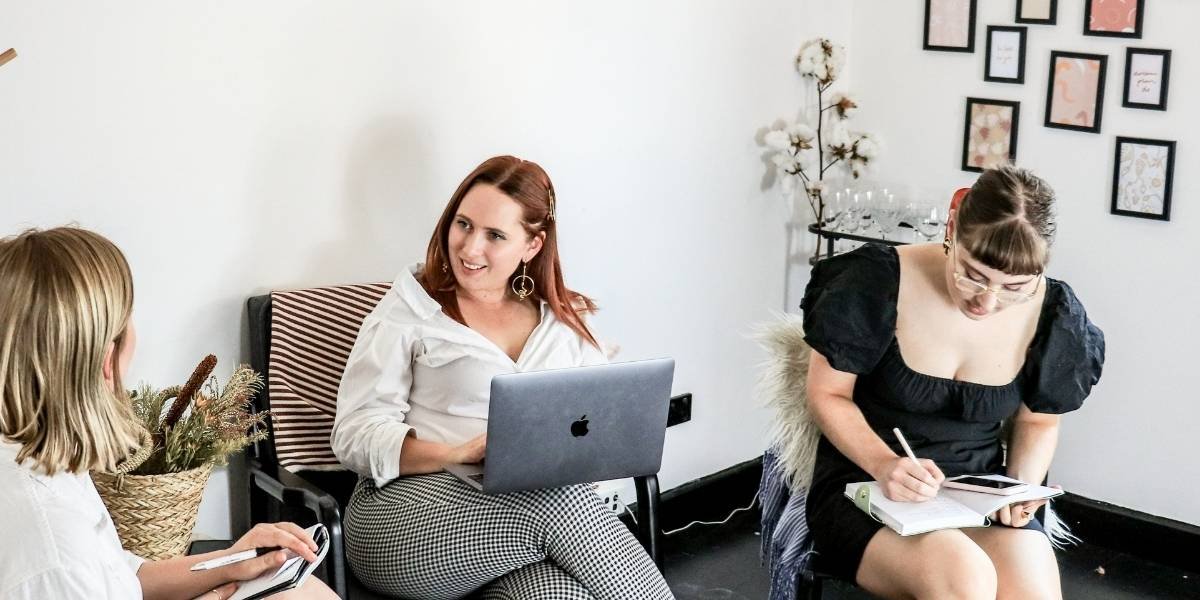
Serena Williams Spotlights Female Founders In New Docuseries

Photo Credit: Unsplash.com

Historically, women in leadership have faced significant barriers to being recognized in the same way as their male counterparts. This docuseries seeks to correct that imbalance by giving women the platform to share their stories and show how they have built successful businesses while navigating systemic challenges. The CEO Club signals a step forward in the broader conversation about gender equality in the workplace and beyond.

By focusing on these female leaders, the docuseries becomes an empowering space for both current and future entrepreneurs. The stories told are ones of perseverance, creativity, and resilience, offering insights into how these women are shaping industries and influencing generations of business leaders to come.

Entrepreneurship as a Powerful Story

One of the most compelling elements of The CEO Club is its ability to show that entrepreneurship is, at its core, a form of storytelling. Each of these women has created a unique narrative through their brand, products, or services. Serena Williams herself has used her athletic career as a platform to transition into the business world, where she continues to craft her own story of reinvention and empowerment.

As an athlete, Williams has always been known for her resilience and ability to overcome obstacles. These same qualities have shaped her transition into entrepreneurship, where she has used her platform to advocate for women in business. Her own journey is one of constant evolution, and by highlighting the stories of other women, she is able to create a shared narrative of what it means to lead with purpose and determination.

For the audience, The CEO Club will provide a fascinating look into the artistry of business leadership. The docuseries will not only entertain but also educate viewers on the creative and strategic processes behind building successful companies. This dual purpose ensures that the series has broad appeal, offering both inspiration and practical insights.

The Future of Women’s Leadership in Media

As The CEO Club gets ready to premiere, it arrives at a time when the media landscape is increasingly focused on diversity and inclusion. The series offers a fresh perspective on leadership, one that includes women who are not only succeeding but leading in their industries. By shining a light on female entrepreneurs, it helps to normalize the idea that women belong at the forefront of business and innovation.

The timing of this series is important for shaping how the next generation perceives leadership. As more content highlighting women leaders becomes available, it may lead to greater representation and recognition for women in all sectors. This docuseries is not just a reflection of the current state of media but a call for continued progress in how entrepreneurship and leadership are portrayed.

Will The CEO Club inspire a lasting shift in how media platforms prioritize women’s stories? The potential for this kind of content to change perceptions of women in business is significant, and the influence of projects like this could spark broader changes across industries. The show’s legacy will likely be measured by how it encourages future generations to step into leadership roles and see themselves reflected in the entrepreneurial landscape.
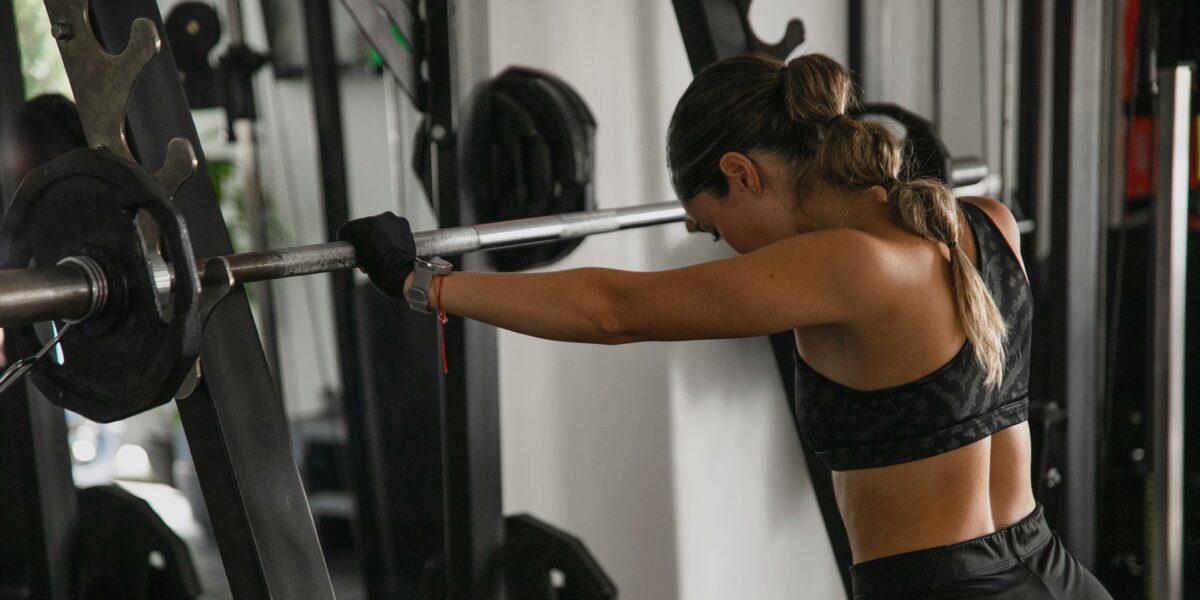
Strength Over Slimness: Embracing Fitness and Building Strength

For many years, fitness culture emphasized slimness as the ultimate goal. This focus often led women to prioritize calorie restriction and long sessions of cardio exercise. While these methods can support weight management, they don’t always build resilience, energy, or long-term health.

A growing number of experts encourage women to shift their focus from appearance to ability. Strength training, which involves resistance exercises such as lifting weights or using bodyweight movements, supports functional fitness. This means being able to carry groceries, climb stairs, or play with children without fatigue.

By valuing strength over slimness, women can redefine what fitness means. Instead of chasing a number on the scale, they can measure progress by how much weight they can lift, how steady their balance feels, or how much energy they have throughout the day. This perspective reduces pressure and creates a healthier relationship with exercise.

Physical Benefits of Building Strength

Strength training supports muscle growth, which in turn boosts metabolism. According to Ancient Nutrition, women who engage in resistance training experience improved bone density, joint stability, and metabolic health. These benefits are especially important as women age, since bone loss and muscle decline can increase the risk of injury.

Muscle strength also supports cardiovascular health. While cardio exercise improves endurance, strength training reduces blood pressure, improves insulin sensitivity, and supports healthy cholesterol levels. These combined effects lower the risk of chronic conditions such as heart disease and type 2 diabetes.

Another benefit is improved posture and reduced pain. Strong muscles support the spine and joints, reducing strain during daily activities. This can ease back pain, improve balance, and support mobility well into later life.

Mental and Emotional Benefits

The benefits of strength training extend beyond the body. Research shows that resistance exercise can reduce symptoms of anxiety and depression. According to Dr. Axe, women who lift weights often report improved mood, confidence, and self-esteem. These effects are linked to both the release of endorphins and the sense of accomplishment that comes with progress.

Strength training also provides a sense of control. Unlike weight-focused goals, which can fluctuate due to factors outside of one’s control, strength gains are measurable and consistent. Being able to lift heavier weights or complete more repetitions provides tangible evidence of improvement.

This shift in focus helps women build a positive relationship with their bodies. Instead of seeing exercise as punishment, they can view it as a way to celebrate what their bodies can achieve. This mindset supports long-term consistency and enjoyment.

Debunking Myths About Women and Strength Training

One common myth is that lifting weights will make women bulky. In reality, women have lower levels of testosterone compared to men, which makes significant muscle growth unlikely without specialized training and diet. Most women who lift weights develop lean, toned muscles rather than large, bulky physiques.

Another misconception is that strength training is unsafe for women. When performed with proper form and progression, resistance training is safe and effective at all ages. In fact, it can reduce the risk of injury by strengthening muscles, ligaments, and bones.

Some also believe that cardio is the only way to lose weight. While cardio burns calories during exercise, strength training increases muscle mass, which raises resting metabolism. This means the body continues to burn more calories even at rest, supporting long-term weight management.

Strength Training Across Life Stages

Strength training benefits women at every stage of life. For younger women, it supports bone development and builds habits that can last into adulthood. For women in their 30s and 40s, it helps maintain muscle mass and energy during busy years of work and caregiving.

During perimenopause and menopause, strength training becomes even more important. Hormonal changes can accelerate bone and muscle loss, but resistance exercise helps counteract these effects. According to Dr. Axe, women who lift weights during midlife can maintain bone density and reduce the risk of osteoporosis.

Older women also benefit from strength training. Exercises that improve balance, coordination, and mobility help reduce the risk of falls. Even light resistance training can improve independence and quality of life in later years.

Practical Ways to Start Building Strength

Strength training doesn’t require a gym membership or heavy equipment. Bodyweight exercises such as squats, push-ups, and planks are effective starting points. Resistance bands and light dumbbells can add variety and progression.

Beginners can start with two to three sessions per week, focusing on major muscle groups. Each session can include compound movements, which work multiple muscles at once. Examples include lunges, deadlifts, and overhead presses. These exercises build strength efficiently and support functional movement.

Progression is key. Gradually increasing weight, repetitions, or intensity ensures continued improvement. Tracking progress helps maintain motivation and provides a clear picture of how strength is developing over time.

Balancing Strength with Other Forms of Fitness

While strength training offers unique benefits, it works best when combined with other forms of exercise. Cardiovascular activity supports heart and lung health, while flexibility training improves mobility and reduces stiffness. A balanced routine includes all three elements.

For example, a weekly schedule might include two strength sessions, two cardio sessions, and one flexibility-focused activity such as yoga or stretching. This balance ensures that all aspects of fitness are addressed without overloading any single system.

Rest and recovery are also important. Muscles need time to repair and grow after strength training. Including rest days or lighter activities between sessions helps prevent fatigue and supports long-term consistency.

Redefining Fitness Goals

Shifting the focus from slimness to strength allows women to set goals that are empowering and sustainable. Instead of aiming for a specific weight, they can aim to lift a certain amount, complete a set of push-ups, or improve their balance. These goals are measurable, achievable, and rewarding.

This redefinition of fitness also reduces pressure. Weight can fluctuate due to factors like hydration, hormones, or stress, but strength gains are more consistent. By focusing on what the body can do rather than how it looks, women can build confidence and resilience.

Strength training empowers women to embrace their physical capabilities. This shift supports not only physical health but also mental well-being and self-assurance.