Women's Journal

“Wonders Await”: Alex Krawczyk Steps Into Her Full Creative Light on a Lush, Healing, and Hope-Filled Second Album

By: Amy Alexis

On her sophomore LP Wonders Await, Canadian folk artist Alex Krawczyk presents a luminous and deeply human collection of songs that further solidify her place as one of the emotionally resonant voices in contemporary folk and roots music. Releasing January 25th, 2026, on MTS Records, the 13-song album reflects a significant growth in songwriting, production, and thematic richness—an expansion of her sonic world that remains rooted in the heartfelt honesty fans have come to appreciate.

Working once again with celebrated producer, multi-instrumentalist, and co-writer Robbie Roth, Krawczyk crafts an album that feels both intimate and expansive. Recorded at Union Sound in Toronto and mastered by industry veteran Joao Carvalho, Wonders Await taps into a warm, organic palette of acoustic guitars, lush horn arrangements, textured percussion, and layered vocal harmonies. This creates a cohesive listening experience that flows like a journey—one marked by healing, rediscovery, and the enduring power of love.

The album opens with “Falling in Love,” a buoyant, horn-kissed track that immediately sets the tone for what follows. It’s a song of surrender, not in weakness, but in a gentle acceptance that love often arrives unexpectedly and powerfully. Krawczyk’s voice—clear, grounded, and effortlessly warm—rides atop an ensemble of acoustic guitar, brass, and soulful backing vocalists, suggesting why her blend of folk, Americana, and roots-pop resonates widely.

From there, the album slips into the breezy, sunlit groove of “The Beach Song,” a coastal folk anthem built on moonlit imagery, sand-softened guitars, and a sense of being fully alive in the moment. It’s a track that captures something like freedom—the kind that comes from dancing barefoot in the sand with someone you love, letting the world slip away behind you.

One of the album’s most emotionally resonant offerings is “When the Road Is Uneven.” Here, Krawczyk leans into vulnerability, addressing the moments when life feels heavy, uncertain, or overwhelming. “Let the music renew your stride,” she sings—a line that could serve as a thematic anchor for the entire LP. With Robbie Grunwald’s warm keys and Davide DiRenzo’s steady percussion, the song becomes a soothing reminder that art can be both refuge and compass.

“Welcome Goodbye” continues this theme, offering a soulful, horn-driven celebration of release—the moment when saying goodbye becomes an act of freedom rather than loss. It’s an anthem for anyone finding strength in their next chapter. Similarly, “Like the Passing Clouds” moves inward, exploring spirituality, self-inquiry, and the quiet wisdom that comes from stillness. It’s a track carried by delicate guitar textures and contemplative lyrics, revealing Krawczyk’s ability to write with both poetic elegance and emotional accessibility.

One of the standout centerpieces of the album is “Love Through Sound,” a song already embraced by fans for its joyful nods to Americana history and its imagery-rich storytelling. Echoes of the Grateful Dead ripple through references to Casey Jones, Cumberland mines, and “playing in the band,” offering a musical love letter to connection—through rhythm, through song, through the invisible threads that bind us across time and terrain.

The title track, “Wonders Await,” embodies the spirit of the album in full bloom. It is bright, buoyant, and hopeful—an ode to curiosity and the simple magic found in waking each morning ready to learn, explore, and grow. With Patrick Smith’s flute and saxophone adding a shimmering edge, the track feels like sunlight breaking through morning clouds.

Later in the album, “Ain’t No Way” taps into the irresistible pull of a destined love, while “West Coast” invites listeners into a dreamlike landscape of mountains, blue skies, and emotional rebirth. Both songs highlight Krawczyk’s gift for pairing vivid landscapes with inner transformation—a signature element of her writing.

“Justice” shifts the emotional temperature with a tight, groove-driven arrangement and lyrics exploring patience, clarity, and self-worth. “Payphone” follows as a cinematic time-travel tale grounded in romance and memory, weaving the past and present together through richly melodic storytelling.

The final two tracks, “I Am a Song” and “Carry On,” close the album with poignancy and grace. The first speaks directly to the listener like a companion in the dark—a reminder that music itself can hold, soothe, and guide. The latter, “Carry On,” serves as the album’s emotional benediction, encouraging resilience with the gentle assurance that no one must walk their path alone.

Altogether, Wonders Await is a triumph of craft, heart, and artistic evolution. Alex Krawczyk has created an album that feels like a healing journey—one full of hope, love, reflection, and the quiet yet unstoppable beauty of the human spirit. It’s a reminder that even in uncertain times, wonders truly do await. Wonders Await drops on January 25, 2026.

Rumaisyah Binti Yahya: How Personal Branding Transforms Business Success for Women Entrepreneurs

Personal branding has become a powerful tool for women entrepreneurs aiming to grow their businesses and establish an influence. In today’s competitive landscape, a strong personal brand helps overcome common barriers, boosts credibility, and opens doors to new opportunities. As Rumaisyah Binti Yahya notes, whether you’re just starting out or scaling an established venture, crafting a brand that aligns with your mission can create authentic connections and long-term business success.

Personal Branding in Entrepreneurship

Personal branding shapes how others perceive you, especially in the business world. For women entrepreneurs, it’s more than just visibility—it’s about being seen as trustworthy, capable, and aligned with a clear purpose. When done well, personal branding may create a strong connection between the entrepreneur and her audience, making it easier to attract clients, partners, and media attention.

A woman running a wellness coaching business, say, may build her brand around holistic living and empowerment. Through her online presence, messaging, and visual identity, she becomes known not just for her service but for what she represents. That recognition becomes a competitive edge, especially in a crowded market.

Addressing Common Barriers for Women Entrepreneurs

Women in business often face unique challenges that can hinder their growth, such as being underestimated, struggling to gain credibility, or facing limited access to professional networks. A strong personal brand becomes a tool that helps shift these dynamics by showcasing expertise, values, and leadership in a way that’s both authentic and compelling.

A startup founder in the tech industry might face skepticism due to the male-dominated nature of the field. By consistently sharing insights, participating in thought leadership opportunities, and aligning her brand with innovation and inclusion, she starts to reshape perceptions. Over time, this visibility may help her stand out and earn trust, even in competitive backdrops. This persistent presence may lead to increased investor interest and greater peer recognition.

Key Components of an Effective Personal Brand

Authenticity is at the heart of any strong personal brand. When women entrepreneurs show up as their true selves—sharing not just wins but also lessons—they build deeper trust with their audience. That trust becomes a foundation for business growth.

Consistency across platforms reinforces this authenticity. Whether it’s the tone used in social media posts or the visual style of a website, every element should speak the same language. A wellness coach who shares calming, minimalist content on Instagram and then delivers high-energy, corporate-style emails may confuse her audience. When values and business goals are in sync, the brand becomes more than just a marketing tool—it becomes a reflection.

Building Your Personal Brand

Crafting a personal brand starts with self-awareness. Knowing what drives you, the kind of people you want to serve, and how your story connects to your work lays the groundwork for a brand that resonates. Entrepreneurs who take time to define their narrative often find it easier to communicate their value with clarity and confidence. Without this reflection, branding efforts may feel disconnected or forced.

Choosing platforms wisely also plays a critical role. A designer focused on sustainability might lean into visual platforms like Instagram or Pinterest, where her creative process and eco-friendly values can shine. Meanwhile, a business consultant may prefer LinkedIn to share insights and build authority in professional circles. The key is showing up consistently where your audience already spends time.

Examples of Personal Branding in Action

A woman who runs a boutique digital marketing agency began by sharing her journey of leaving corporate life to pursue freelancing. Over time, her transparency and consistency helped her become a go-to voice for aspiring marketers.

Another entrepreneur in the food industry built her brand around cultural heritage and storytelling. By weaving family recipes into her videos and sharing the significance behind them, she created a loyal following. That emotional connection led to features in major publications and partnerships with larger brands. Her authenticity became her greatest marketing tool.

When people relate to your story and values, they’re more likely to trust your business. That trust is what may encourage casual followers to become loyal customers.

How Personal Branding Supports Long-Term Business Success

A well-developed personal brand fosters lasting impressions in the minds of your audience. It builds familiarity, which naturally leads to trust. Entrepreneurs with a strong brand often find that their audience becomes advocates. These advocates often help grow the business organically through word of mouth and online sharing.

As your reputation grows, new opportunities tend to follow. Speaking invitations, collaborations, and partnerships often come to those who are visible and aligned with a clear mission. A recognizable personal brand sets the stage for scaling a business beyond its original scope. This level of growth happens more smoothly when your brand message is consistent and inspiring.

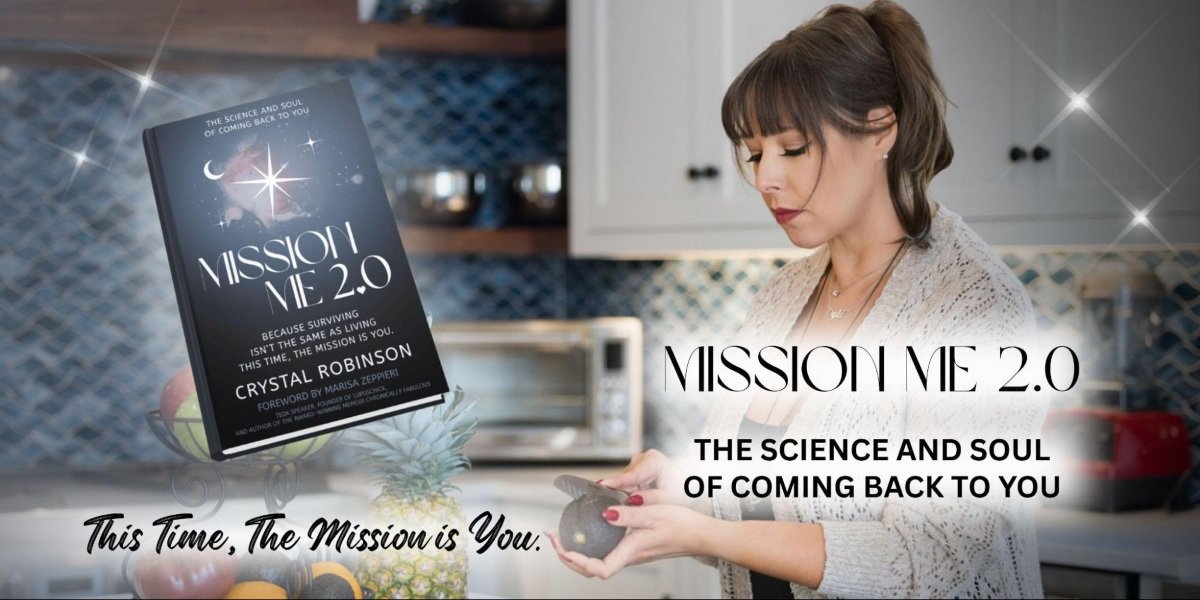
Crystal Robinson’s Mission Me 2.0: A Path to Turn Fear into Information

By: Media at Game Changer Publishing

“You can’t outthink your body. You can’t spiritually bypass your pain.”

Your body speaks in signals. Tight jaw. Shallow breath. Knotted stomach. Thinking harder will not unwind those messages. Offer your body a concrete cue of safety—feet on the floor. Name five things you see. Two minutes longer, exhale. Then reflect. Wisdom comes after regulation.

For Crystal Robinson, that truth was discovered the hard way. After decades in high-pressure engineering leadership, her own stress-related illness forced her to stop, reassess, and rebuild from the inside out. Today, as a National Board Certified Health and Wellness Coach and Chopra Certified Total Wellbeing Coach, Robinson has turned that turning point into a mission: helping women reconnect with their bodies and their inner wisdom through her bestselling book, Mission Me 2.0: The Science and Soul of Coming Back to You.

A Steady Companion for Real Life

“You are not here to perform wellness. You are here to remember who you are.”

Performance is about routines, rigid rules, and a fear of making mistakes. Remembering looks like honest check-ins and practices that actually help. Ask your body what would feel kind right now. Choose the smallest thing you will genuinely do. You do not need to prove wellness. You get to live it.

Mission Me 2.0 was never meant to be a traditional self-help book. Instead of long chapters filled with theory, each section offers short, relatable stories and same-day practices that bring clarity and calm to even the busiest schedules. Readers can move through it cover to cover or pick it up for a five-minute reset; either way, the impact builds naturally.

By integrating neuroscience, mindfulness, and practical exercises, Robinson guides women to notice what their bodies are communicating before overwhelm sets in, teaching that the body’s whispers should be heard before they become shouts.

Where Science Meets Soul

“Healing doesn’t just happen in the mind. It lives in the body. It pulses through your breath. It speaks in your energy.”

Your breath is portable medicine. Longer exhales signal safety to the nervous system and reduce stress chemistry. Try four counts in and six counts out for two minutes. Notice what shifts.

With her background in engineering leadership and decades of experience helping others transform, Robinson merges science and spirituality to make healing accessible. Her holistic approach demonstrates that transformation isn’t found in striving, but in presence, when mind, body, and spirit finally move in harmony.

Fear as Information

“It’s not about fixing what’s broken. It’s about softening what’s been hardened. Making space for what’s true. Asking better questions, not chasing better answers.”

When we stop trying to fix ourselves, we create room to notice. Curiosity lowers threat and invites the body to release its guard.

This simple shift reframes one of the paralyzing emotions women face: fear. Robinson teaches readers to meet fear with curiosity instead of resistance. Fear, she explains, often signals unmet needs, boundaries that have been crossed, or directions that are waiting to be taken.

By learning to interpret rather than suppress fear, readers regain confidence in their decisions and rediscover a sense of calm control. It’s an empowering shift, from reacting to responding, from avoidance to awareness.

A Path Back to You

“Maybe no one ever told you it’s okay to put yourself first. Not loud or demanding. A quiet return.”

Putting yourself first can be a quiet and steady approach. It sounds like no for now, or yes after rest. Take ten minutes to breathe and take a walk before responding to the subsequent request. Loving people well is easier when you are resourced. Permission granted.

That philosophy lies at the heart of Mission Me 2.0. For women holding families, careers, and communities together, Robinson’s work offers permission to rest, recalibrate, and return to themselves. With its mix of relatable storytelling and evidence-based insight, the book shows that clarity isn’t found in controlling everything; it’s found in connection.

Mission Me 2.0 is more than a book; it’s a companion for rediscovering balance, purpose, and peace in everyday life.

Explore More and Connect with Crystal Robinson

www.crystalmoonholistichealing.com | www.missionme20.com
Mission Me 2.0: The Science and Soul of Coming Back to You is available now
LinkedIn: Crystal Robinson
Instagram: @CrystalMoonHealing
Facebook: Crystal Moon Holistic Healing


Disclaimer: The information in this article is for informational purposes only and is not intended to replace professional medical advice, diagnosis, or treatment. Always seek the advice of your physician or other qualified health provider with any questions you may have regarding a medical condition.

Training the Change: How Donna White is Educating Providers to Unlock the Hormone Revolution in Women’s Health

By: Natalie Johnson

When it comes to wellness, hormones quietly run the show — influencing everything from mood to metabolism, heart health to sleep. Yet for decades, hormone health has been the most misunderstood — and most neglected — chapter in modern medicine.

That’s starting to change. The FDA just made headlines by removing the black box warnings on menopausal hormone therapy — calling the past two decades of fear “an American tragedy and one of the biggest mistakes in modern medicine.”

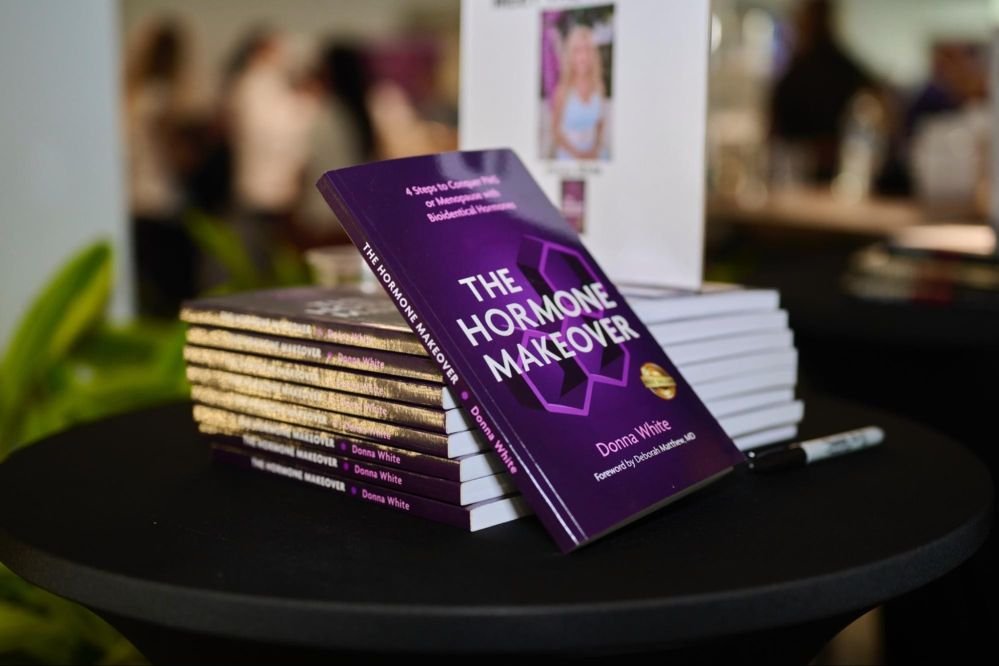
Scientists, philanthropists, and clinicians are calling for a full-scale reboot of how we understand midlife health. And leading that charge is Donna White — author of The Hormone Makeover and founder of the BHRT Training Academy — whose mission is simple: educate the people who care for us.

“After twenty years of misinformation, the truth is finally catching up to the science,” says White. “Bioidentical hormones don’t cause disease—they prevent it. You can’t fix what you don’t understand. When healthcare providers are properly trained in hormone science, lives change. It’s that simple.” 

The Missing Link in Modern Medicine

For years, hormone decline — especially during perimenopause and menopause — was treated as an inevitable nuisance rather than a preventable health risk. That outdated thinking has real consequences. Hormonal shifts can affect bone strength, cardiovascular function, cognitive performance, and emotional well-being.

“Menopause isn’t a hot-flash problem,” White emphasizes. “It’s a whole-body event that influences long-term health. When hormones crash, everything from your brain to your bones are affected.”

The same goes for men, whose testosterone decline often sneaks up as fatigue, brain fog, weight gain, and irritability — symptoms dismissed as “just getting older.” The truth? They’re physiological red flags, not personality quirks.

Training the Change: How Donna White is Educating Providers to Unlock the Hormone Revolution in Women’s Health

Photo Courtesy: Donna White

The Power of Provider Education

Recognizing that most providers never receive in-depth hormone training, White created the BHRT Training Academy— an educational platform for doctors, nurse practitioners, and health professionals worldwide.

Her goal: train 100,000 providers, each of whom can help at least 1,000 patients. That’s 100 million people whose lives could be changed by a single shift in medical education.

Through live workshops, comprehensive certification programs, and mentorship from experts, the Academy teaches practitioners to use bioidentical hormone replacement therapy (BHRT) safely and effectively. The result? More confident providers. Better outcomes. Fewer people suffering in silence.

“This is the bridge between wellness and real healthcare,” White explains. “When providers understand hormonal balance, they stop chasing symptoms and start treating root causes.”

A Growing Global Movement

The medical establishment is finally catching up. In July 2025, the FDA convened a landmark roundtable to re-evaluate menopause therapies — including whether the decades-old “black box” warnings on certain hormone medications are still appropriate. Many experts argued those warnings deter women from using safe, low-dose therapies that could dramatically improve quality of life.

At the same time, major universities and philanthropists are fueling research to close the gender health gap. A $4 million gift to Tufts University from Jeff and Linda Moslow launched the new Women’s Health and Menopause Initiative, bringing together researchers from nutrition, medicine, and policy to study how midlife hormones affect cardiovascular, metabolic, and cognitive health.

And through her organization Pivotal Ventures, Melinda French Gates committed $100 million to accelerate women’s health research worldwide — funding innovations in diagnostics, mental health, and reproductive medicine.

Together, these moves signal a cultural turning point: hormone health is no longer fringe wellness — it’s frontline science.

Training the Change: How Donna White is Educating Providers to Unlock the Hormone Revolution in Women’s Health

Photo Courtesy: Donna White

From Awareness to Action

Yet awareness alone isn’t enough. According to White, the missing ingredient is education. Every year, thousands of patients are told “your labs look fine,” even when their symptoms scream imbalance. That disconnect, she says, stems from how medical professionals are trained — or more often, not trained — to read hormonal clues.

“Patients are more informed than ever,” White notes. “They’re coming in asking about bioidentical hormones, about estrogen dominance, about testosterone therapy. But many providers haven’t been given the updated research or tools to respond confidently. That’s the gap we’re closing.”

A Future Fueled by Knowledge

The BHRT Training Academy’s mission dovetails seamlessly with the growing push for evidence-based menopause care. Its alumni span continents — primary care physicians in London, nurse practitioners in Texas, endocrinologists in Dubai — all carrying the same message: hormone literacy saves lives.

And while the Academy’s roots are in women’s health, White is quick to point out the bigger picture. Balanced hormones protect the brain from cognitive decline, preserve bone density, support metabolism, and even influence emotional resilience. In short, hormonal health is human health.

“We’re not just extending life,” White says. “We’re improving the years that matter most.”

The Next Health Revolution

The hormone movement is gaining speed. Between the FDA’s recent announcement, Tufts’ new initiative, and philanthropic investments from figures like Gates, hormone health is poised to become a dynamic area in modern medicine.

But if Donna White has her way, the true revolution won’t happen in labs or boardrooms — it will happen in exam rooms, one well-trained provider at a time.

A Simple Truth

Hormones may be invisible, but their impact isn’t. They shape how we think, feel, move, and age. And as medicine begins to reconnect the dots, the path to better health may turn out to be remarkably straightforward:

Train the providers. Educate the patients. Change the world — one hormone at a time.


Disclaimer: This content is for informational purposes only and is not intended as medical advice, nor does it replace professional medical expertise or treatment. If you have any concerns or questions about your health, always consult with a physician or other healthcare professional.

The Gender Gap in Art Prices: Why Women Earn Less

For centuries, women artists faced exclusion from formal training, patronage networks, and major exhibitions, which created a lasting legacy where their work was undervalued in comparison to their male contemporaries. This historical bias continues to shape the art market today. Despite the incredible skill and innovation found in their works, women artists’ pieces consistently sell for less than those of male artists, even when comparable in quality and recognition.

Recent examples of this disparity can be seen in auction results. Georgia O’Keeffe’s Jimson Weed/White Flower No. 1 set a record in 2014 when it sold for $44.4 million. While that was an incredible achievement, it still pales in comparison to the hundreds of millions commanded by male artists like Pablo Picasso or Andy Warhol. Frida Kahlo’s self-portrait El sueño (La cama), which is expected to break records at Sotheby’s, might become the most expensive work by a woman ever sold. However, this milestone remains rare in a market where men dominate, and it highlights how long it has taken for women’s work to receive comparable attention.

Auction houses are increasingly spotlighting women artists, yet the gap persists. Collectors often perceive male artists as “safer” purchases, reinforcing the cycle of undervaluation. This perception is rooted in decades of exclusion and continues to shape buying patterns today, even when women’s works have equal merit.

Representation in Museums and Galleries

Museums and galleries are vital in shaping the art market, as they help determine the visibility and market value of artists’ work. For decades, women’s contributions to art were underrepresented in permanent collections, leading to a lack of recognition and, in turn, limiting their market value. Studies show that works by women artists make up less than 15% of major museum holdings worldwide. This figure directly affects the demand and pricing of women’s art at auction.

However, museums and galleries are slowly working to rectify this imbalance. Institutions such as the Tate Modern and MoMA have made efforts to diversify their collections and elevate the visibility of women artists. These initiatives are beginning to shift the narrative, but the pace of change remains gradual. Consistent representation is crucial to increasing women artists’ market value, as their art needs visibility to build market confidence.

This lack of representation also impacts the resale market. Artworks that are well-known and have been featured in museums or galleries are more likely to see increased demand and higher auction prices. When women’s art is not included in these spaces, it limits their opportunities for recognition, which in turn restricts long-term growth in market value.

Market Perceptions and Collector Behavior

Collector behavior plays a significant role in the pricing of art, particularly regarding gender disparities. For many buyers, male artists are often viewed as more established or reliable investments, a bias rooted in decades of market dominance. Despite women’s art receiving critical acclaim, this bias continues to influence auction estimates and final prices.

The Gender Gap in Art Prices Why Women Earn Less

Photo Credit: Unsplash.com

In the art world, familiarity often drives buying behavior. Male artists, who have long been part of the traditional art canon, benefit from established reputations and a consistent presence in major galleries and museums. In contrast, women artists are sometimes seen as niche or secondary, even when their work is equally innovative or impactful. As a result, works by women are often entered into auctions with lower estimates, reinforcing the cycle of undervaluation.

However, efforts to challenge these biases are increasing. Advocacy groups like the Guerrilla Girls have launched public campaigns to raise awareness of the systemic undervaluation of women’s art. While such initiatives have drawn attention to the issue, changing entrenched market behavior remains a complex and slow-moving process.

Contemporary Shifts and High-Profile Sales

In recent years, high-profile sales of women’s art have started to shift market expectations. Frida Kahlo’s upcoming auction at Sotheby’s is expected to break records, signaling greater recognition of women’s contributions to art. Additionally, contemporary artists like Jenny Saville and Cecily Brown have seen strong sales, showing that demand for women’s art is on the rise. These sales highlight a shift in how the market views women artists and the potential for more significant recognition in the future.

Auction houses have also begun partnering with advocacy groups to help elevate women artists. Special sales featuring female creators, such as those organized by Sotheby’s and Christie’s, are designed to spotlight women’s work and challenge market norms. These curated events offer an opportunity to elevate the visibility of women artists and challenge the established trends that have historically undervalued their work.

While individual high-profile sales make headlines, systemic undervaluation still affects the majority of women artists. The challenge remains in ensuring that these breakthroughs translate into lasting structural changes, rather than isolated successes that only benefit a small group of artists.

Closing the Gender Gap in Art Valuation

The future of women’s art in the market hinges on sustained efforts from institutions, collectors, and auction houses. One of the most effective ways to close the gap is by increasing representation in museums and galleries. Visibility is crucial for driving demand, and the more women’s work is shown and celebrated, the higher the potential for market value. Without consistent inclusion, women’s art risks being overlooked despite its artistic and historical significance.

Collectors also play a critical role in addressing these disparities. By actively supporting women artists and challenging their biases, buyers can help reshape market dynamics. The more collectors are aware of the inequities in art pricing, the more likely they are to make informed, equitable purchasing decisions. This, in turn, fosters long-term change that can help balance the scales.

Ultimately, closing the gender gap in art pricing requires a collective effort from all parts of the art world. Museums, galleries, collectors, and advocacy groups must work together to ensure that women’s art receives the recognition and value it deserves. As high-profile sales continue to shine a light on the disparities in the market, the conversation around equity is gaining momentum. There is hope that future generations of women artists will see their work valued on equal terms, without the historical biases that have long shaped the art world.